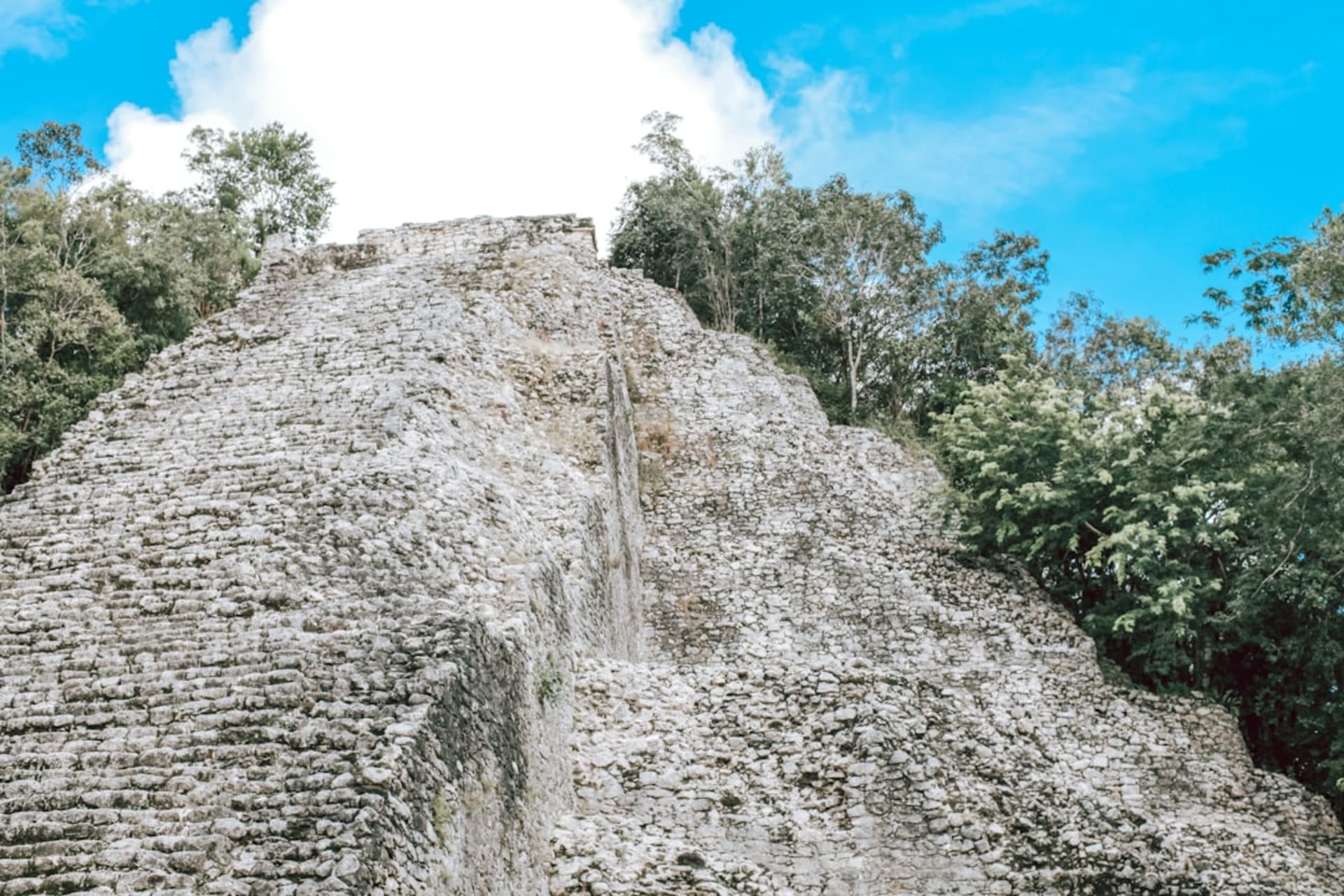
Huasca de Ocampo
"Basalt contracts as it cools. It contracts into hexagons because hexagons are the most efficient packing geometry. The math produces this canyon."
Huasca de Ocampo was declared Mexico’s first Pueblo Mágico in 2001 — the inaugural entry in the federal program recognizing colonial towns of cultural and natural significance — and the designation was appropriate: the village sits in a highland valley 35 kilometers from Pachuca surrounded by the kind of landscape that requires explanation before it can be believed.
The explanation: when basalt lava cools slowly and uniformly, it contracts into hexagonal columns. The geometry is thermodynamic — hexagons are the most efficient packing shape, and the contraction stresses in cooling basalt resolve into hexagonal fracture patterns. Given time and scale, these fractures produce formations of geometric regularity that look designed: the Giant’s Causeway in Ireland, the Devils Postpile in California, and the Prismas Basálticos de Santa María Regla near Huasca — thirty-meter columns of ochre and black basalt arranged in a canyon so geometrically precise that the first European travelers to see it assumed human construction.
The Prismas Basálticos
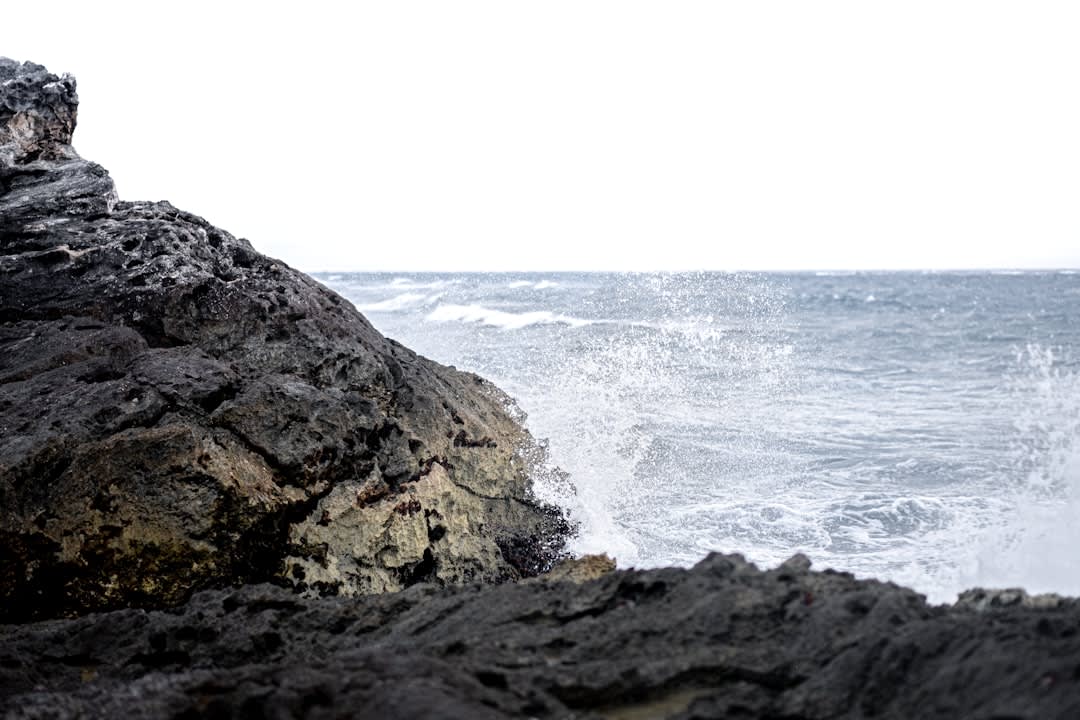
The Prismas Basálticos de Santa María Regla are accessible by a trail from the hacienda of the same name, 4 kilometers from the Huasca village center. The trail descends into the canyon of the San Antonio River, where the basalt formation rises from both walls — columns of 30-40 meters, hexagonal cross-section, ranging from 50 centimeters to 1.5 meters in diameter, in perfectly vertical stacks from the river level to the canyon rim.
The Humboldt connection is specific: Alexander von Humboldt visited the site in 1803 and documented it in his Political Essay on the Kingdom of New Spain, comparing the Hidalgo formations to the basalt formations he had seen in Ireland and Germany. His comparison established the international geological significance of the site and produced the first non-Spanish written account of Mexican basalt columnar jointing.
From the river level, looking up the walls: the formation is most striking in morning light when the low angle creates shadow lines along the column edges, making the geometric pattern three-dimensional. The river at the base is the same body of water that powered the hacienda mill upstream; it runs clear over rounded river stones between the basalt walls.
The accessible section of the canyon is about 300 meters long; the full formation extends for several kilometers downstream. The pools at the base of the columns are cold (the river is spring-fed from the Hidalgo highlands) and swimmable.
The Haciendas
The Huasca valley was the center of silver processing in colonial Hidalgo — ore from the Real del Monte mines (15 kilometers away) was brought to the valley haciendas for initial processing before transport to the smelters. Three of the haciendas survive in restored form as hotels and event venues:
Hacienda San Miguel Regla — the largest, built in the 18th century for the Conde de Regla (the wealthiest silver magnate in New Spain), with a dam and hydraulic mill system that still functions. The hacienda’s original construction used the labor of enslaved African workers and the regional indigenous population; the scale of the structures reflects the investment that the silver wealth commanded. Now a hotel.
Hacienda Santa María Regla — smaller, with direct access to the Prismas Basálticos trail. The original water channels that fed the hydraulic system are still visible carved into the hillside above the hacienda.
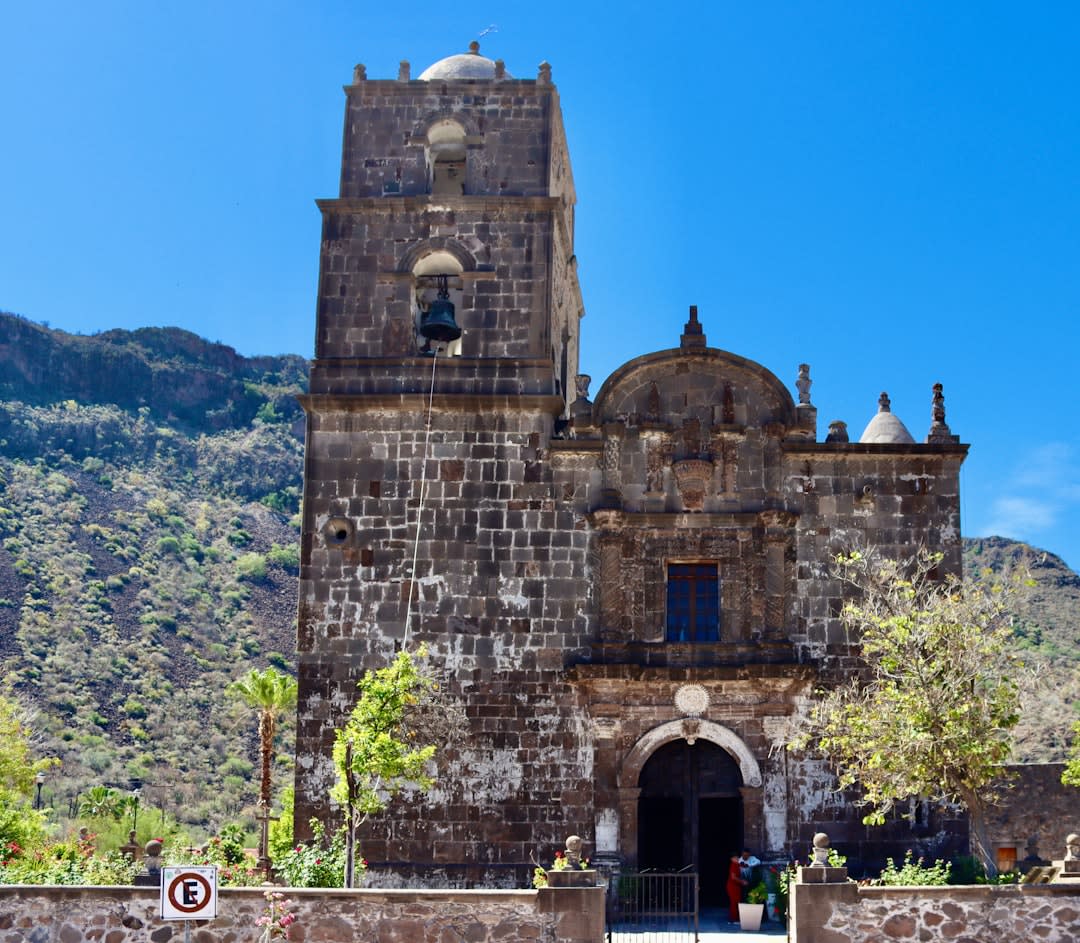
Hacienda San Juan Hueyapan — the most intact of the three, with its original 18th-century chapel and a collection of mining-era equipment displayed in the former processing rooms.
The Village
Huasca de Ocampo itself — 3,000 inhabitants, cobblestoned streets, a 17th-century Augustinian church on the main plaza — has the quality of a Hidalgo Pueblo Mágico before the Pueblo Mágico program inflated expectations: a genuine village that produces its own food, has its own market, and was living at this altitude and in this landscape before the tourism designation arrived.
The Sunday market has the Hidalgo highland produce: green maguey worms (escamoles in the context of the sierra), pulque from local haciendas, the blue corn that the Otomí communities of the valley grow, and the queso Huasca — a stretched string cheese produced locally in a style brought from the colonial period.
Getting there: 35 kilometers from Pachuca by car (45 minutes). Buses from Pachuca’s main terminal run several times daily. Pachuca itself is 90 minutes from Mexico City by toll road. The Prismas Basálticos can be combined with Real del Monte (15 kilometers away) in a single day.
When to go: Year-round. The Hidalgo highland climate is cool and sometimes rainy — the basalt canyon is dramatic in rain and fog, not just sun. October through April for clearest skies. The haciendas book out on holiday weekends; midweek visits are quieter and allow more time at the canyon.