
Tarimoro
"Nobody in Tarimoro is performing for you. That, it turns out, is the whole appeal."
A quiet farming town in southeastern Guanajuato, set in the Lerma river country where agave rows and cornfields roll up against low hills. There is a modest plaza, a parish church, and the unhurried rhythm of Bajío ranch life going about its business, entirely uninterested in whether you came to watch.

I ended up in Tarimoro because a friend from Celaya swore his grandmother made the best carnitas in the state and she happened to live here. The carnitas were, in fact, extraordinary — pulled apart on a wooden board in a courtyard that smelled of orange peel and rendered fat — but what stayed with me was the hour before lunch, sitting on a bench in the plaza while an old man explained, unprompted and at length, the difference between the agave they grow for mezcal and the agave they grow for nothing in particular. He wasn’t selling anything. He just wanted me to understand.
The Lerma Country
Tarimoro sits in the southeastern corner of Guanajuato, down where the land tips toward the Lerma river and the fields spread out flat before crumpling into low, dry hills. This is working country — sorghum, corn, sorghum again, and long disciplined rows of blue agave that catch the light strangely in the late afternoon, almost metallic. I drove out one morning past the edge of town on a dirt track that a rancher waved me down, and stood at the top of a rise looking at nothing in particular: a windmill, a water tank, a dog asleep in the exact center of the road half a kilometer off. The Bajío gets called Mexico’s breadbasket, and out here you understand it not as a slogan but as a smell — turned earth, diesel, cut grass.

A Plaza, a Church, and Not Much Else
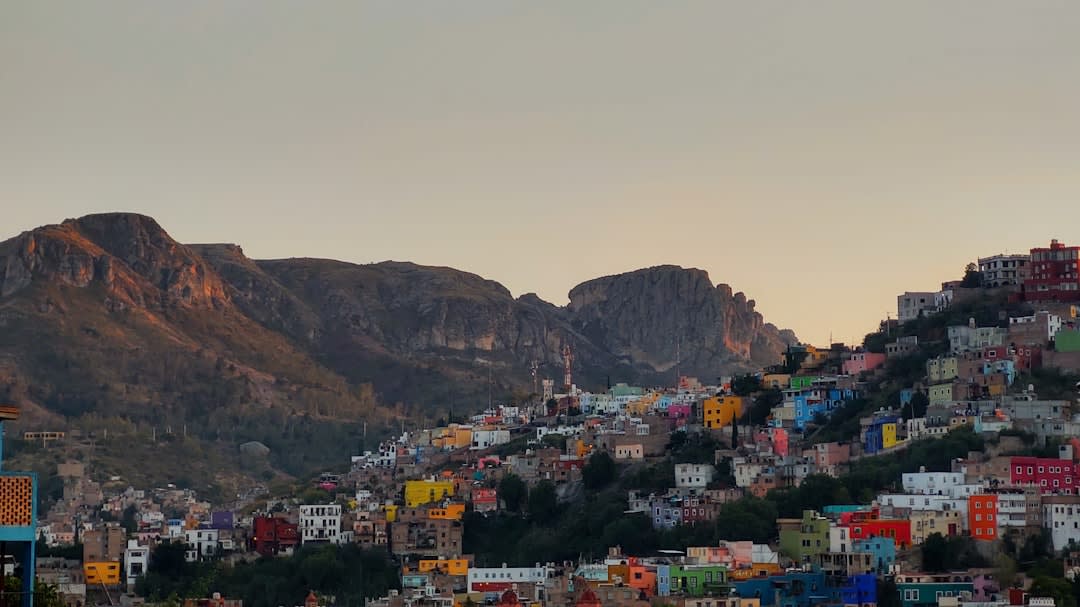
The center of Tarimoro is exactly what a small Bajío town center should be and rarely is anymore: a plaza with trimmed trees, iron benches, a bandstand, and a parish church whose bells actually organize the day rather than decorating it. I bought a paleta from a cart, sat down, and watched the town do its ordinary things — a woman hauling a crate of tomatoes, two teenagers circling on one bicycle, an entire family emerging from Sunday Mass squinting into the sun. There is no monument here that a guidebook would flag, no colonial jewel demanding a photograph. What there is instead is the increasingly rare experience of being somewhere that has not adjusted itself for visitors. I was the only outsider I saw all day, and no one made me feel it.
Eating Like You Live There
Meals in Tarimoro happen in courtyards and at plastic tables under tarps, and they are governed entirely by the hour and the day. Carnitas on the weekend, sold by weight and gone by early afternoon. Gorditas cooked on a comal at a stand near the plaza, the masa stained red with chile. A woman selling tamales from an aluminum pot balanced on the back of a bicycle at seven in the morning, calling out in a voice that carried three blocks. I never once looked at a menu because there weren’t any — you eat what is being made, at the moment it is being made, and you are better for the lack of choice. My friend’s grandmother sent me off with a bag of chicharrón “for the road,” which lasted exactly until the edge of town.
Getting There
Tarimoro is easiest reached from Celaya, about 40 minutes north by road, or from Acámbaro, roughly the same distance south. Regional buses and colectivos run from both towns to Tarimoro’s small terminal, though schedules are loose and it pays to ask locally rather than trust a posted time. Coming from Mexico City, take a first-class bus to Celaya (around three and a half hours with ETN or Primera Plus) and change there. A car makes the surrounding ranch country far easier to explore, and there is no real reason not to have one out here.
Keep exploring
More of Guanajuato
Keep exploring
More from Guanajuato
 mexico
 Salvatierra
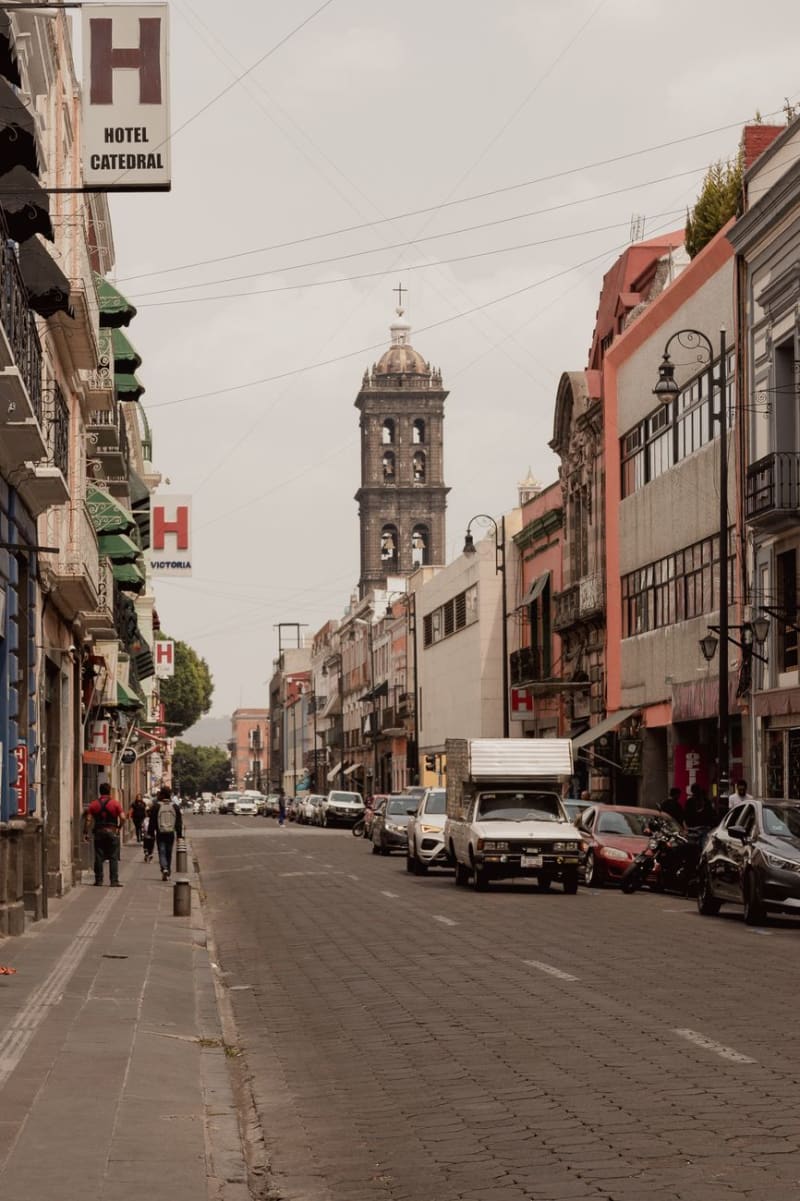
Salvatierra is a colonial town on the Laja River in southern Guanajuato, bypassed by the tourist circuit that runs between San Miguel and Guanajuato City, and better for it. A 17th-century baroque aqueduct with 43 intact stone arches runs along the edge of the centro, the Augustinian convent has faded frescoes better than most in towns with a proper tourist infrastructure, and the river in the evening reflects all of it in a way that deserves more witnesses than it currently gets. I was the only non-local I saw in four hours.
Explore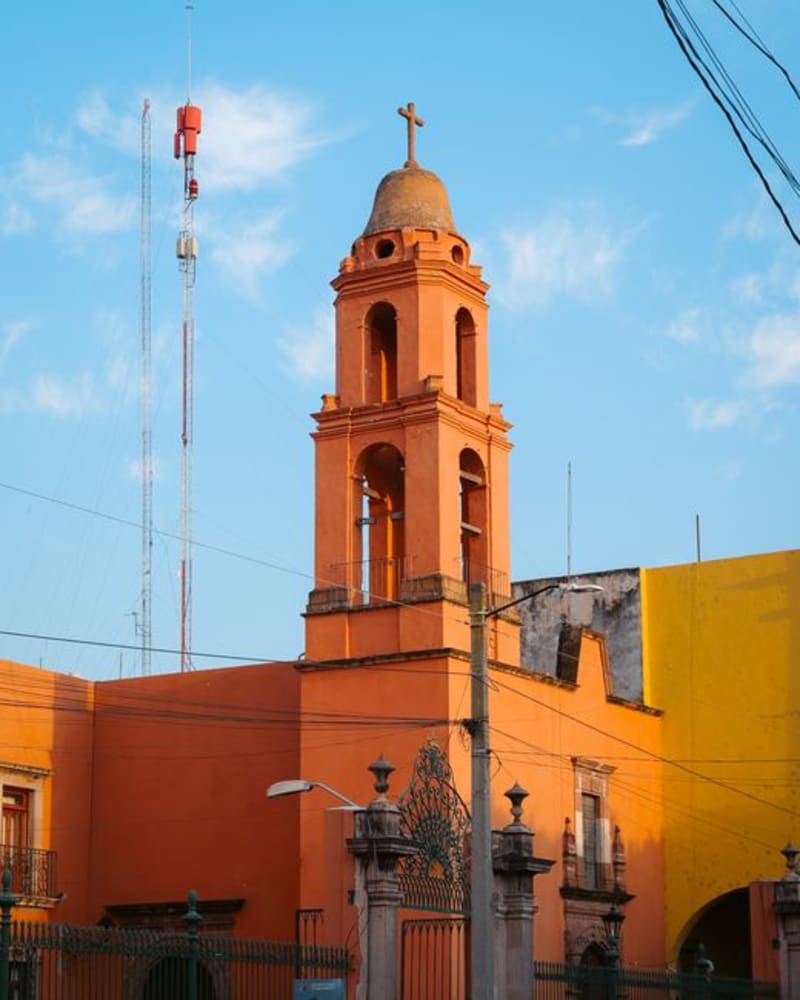 mexico
 Salvatierra
A colonial town on the Lerma River that most travelers drive past without slowing down, Salvatierra holds four convents, a remarkably intact historic center, and a Sunday market where Purépecha vendors cross from Michoacán with produce you will not find anywhere else in the Bajío. The local obsession is cajeta — goat's-milk caramel cooked in copper vats — and the town has enough of it to last you the rest of the year.
Explore mexico
 Apaseo el Alto
A Bajío town in southeastern Guanajuato where the roads are lined with workshops turning out carved wooden furniture and crafts, the smell of sawdust and lacquer hanging over whole streets. Fertile farmland surrounds a colonial center, and the calendar is stitched together with festivals. Industrious, warm, and proud of what its hands can make.
Explore mexico
 Acámbaro
Acámbaro is a quiet Bajío town on the Lerma River with a colonial center that rewards slow walking and a Franciscan convent that has been a fixed point in people's lives for five centuries. It is also home to the Julsrud Collection — more than 33,000 clay figurines of such strangeness and contested origin that no visitor leaves entirely certain what they have just seen.
Explore mexico
 Jerécuaro
A rural town in the far southeastern corner of Guanajuato, out near the Michoacán border, where farmland rolls into low green hills and a reservoir catches the sky. Purépecha and Otomí roots, working ranchos, a quiet plaza — the unpolished Bajío as it actually lives.
Explore mexico
 Celaya
Celaya is Guanajuato's most overlooked city — and one of its most rewarding. The neoclassical dome of the Templo del Carmen, the baroque extravagance of San Francisco, and the family workshops slow-cooking Mexico's finest cajeta in copper pots give this place a quiet depth that most travelers miss entirely.
Explore