Acámbaro
"Whether the Acámbaro figures are ancient or the most ambitious local hustle in Mexican history, the museum housing them is unlike any other in the country and the town is worth the trip regardless."
Acámbaro is a quiet Bajío town on the Lerma River with a colonial center that rewards slow walking and a Franciscan convent that has been a fixed point in people's lives for five centuries. It is also home to the Julsrud Collection — more than 33,000 clay figurines of such strangeness and contested origin that no visitor leaves entirely certain what they have just seen.

I came to Acámbaro on a second-class bus from Celaya, arriving mid-morning into a terminal that felt appropriately modest for a town most Mexicans couldn’t place on a map. The Bajío here is flat and sun-bleached, the kind of light that makes everything look slightly more serious than it intends to be. I had two things on my list: the figures and the church. By the time I sat down for lunch, neither had gone according to expectation — which, in my experience, is exactly what a good detour is supposed to do.
The Collection That Ate My Afternoon
The Museo Waldemar Julsrud sits on an ordinary residential street in a building that gives nothing away from the outside. Inside, starting in the 1940s, a German merchant of that name began accumulating what would become more than 33,000 clay figurines — paying a local farmer by the piece to excavate them from a hillside at the edge of town. The figures depict humans, animals, ritual scenes, and creatures that bear an uncomfortable resemblance to dinosaurs, some shown in direct interaction with people. The mainstream archaeological consensus is that they are elaborate forgeries, produced at scale by industrious locals who understood what Julsrud wanted to find. A smaller school of thought believes they overturn the accepted timeline of human prehistory entirely. The museum presents both positions with an even-handedness I found almost heroic. I moved through rooms of densely packed shelves for two hours, trying to decide whether I was looking at the greatest suppressed discovery in the Americas or an extraordinarily sustained act of folk improvisation. I still haven’t decided. That unresolved quality is, I think, the actual exhibit.

The Plaza and the Five-Hundred-Year Convent
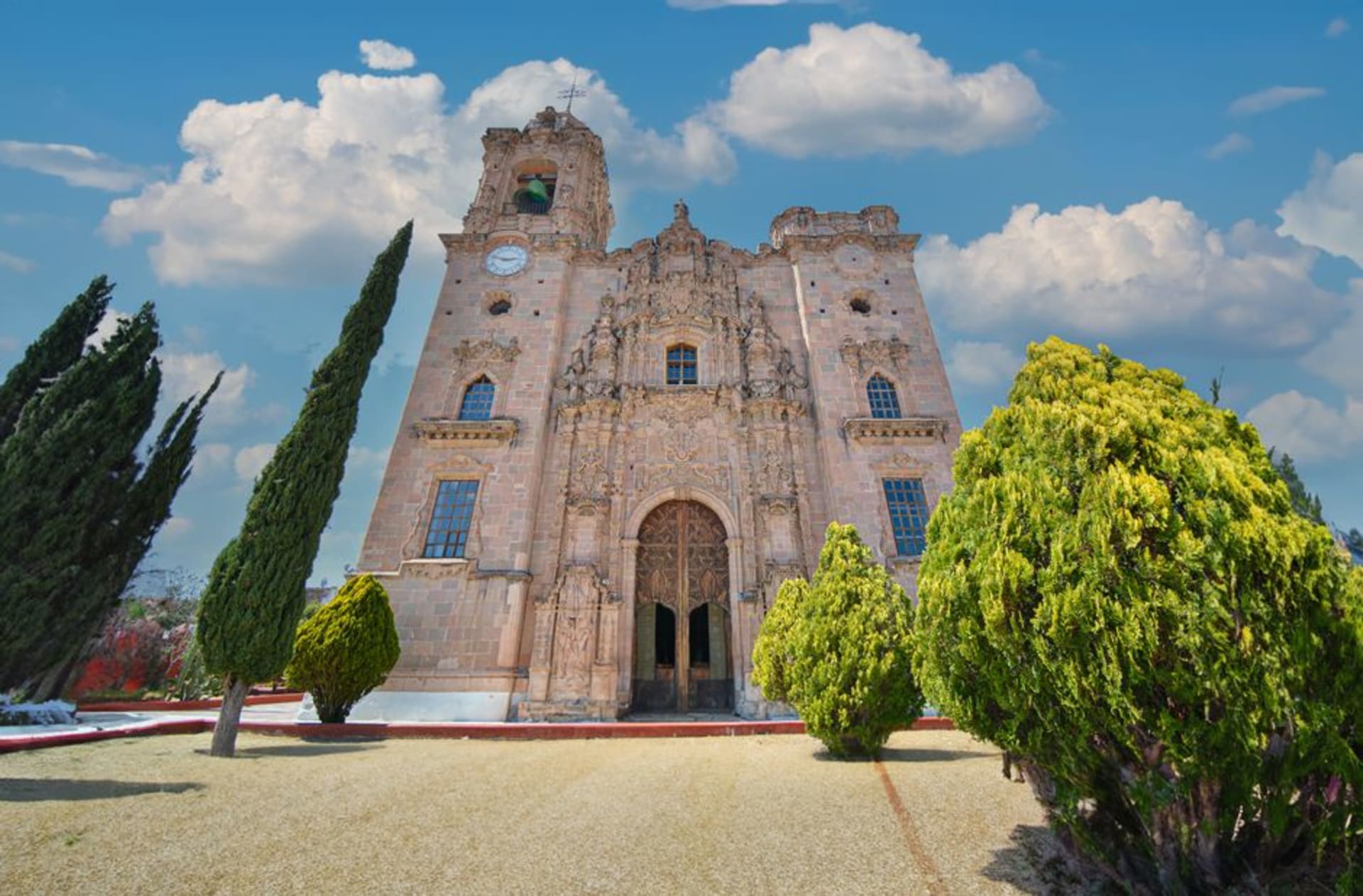
The Jardín Principal works hardest on weekday mornings, when vendors set up along the surrounding streets and the air carries fried masa and cut papaya in equal measure. I had breakfast at a counter near the mercado — enfrijoladas with crumbled queso fresco and a café de olla poured from a clay pot — for an amount of money that felt vaguely illicit. The Templo de la Asunción faces the square and its facade is genuinely worth the ten-minute pause the description promised, all carved stone volutes stacking toward a sky too blue to be photogenic. But the real surprise is the ex-convento de San Francisco, a short walk away: one of the earliest Franciscan foundations in New Spain, built in 1526. The open atrium is enormous and very quiet, the kind of space that makes you lower your voice without knowing why.

The River and When to Leave
The Lerma runs along the southwestern edge of town and in the late afternoon the light on it is worth the fifteen-minute walk. It is not spectacular — it is a working river in an agricultural valley — but after a few hours of colonial facades and existential archaeology, the flatness of it is welcome. I would arrive on a Friday morning, give the Julsrud museum two hours without rushing, eat in the market, walk to the convent before the heat peaks, and take a late bus back. A single full day is the right amount. Two would require a specific purpose I haven’t found yet.

Getting There
From Celaya, buses run frequently and the ride is roughly 45 minutes — Celaya itself is well-connected by ADO and ETN from Mexico City’s Terminal del Poniente and from Morelia (about two hours). From Guanajuato city, budget around three hours with a transfer in Celaya or Salamanca. There is no reason to rent a car unless you are combining Acámbaro with the surrounding Bajío towns on your own schedule.
Keep exploring
More of Guanajuato
Keep exploring
More from Guanajuato
 mexico
 Salvatierra
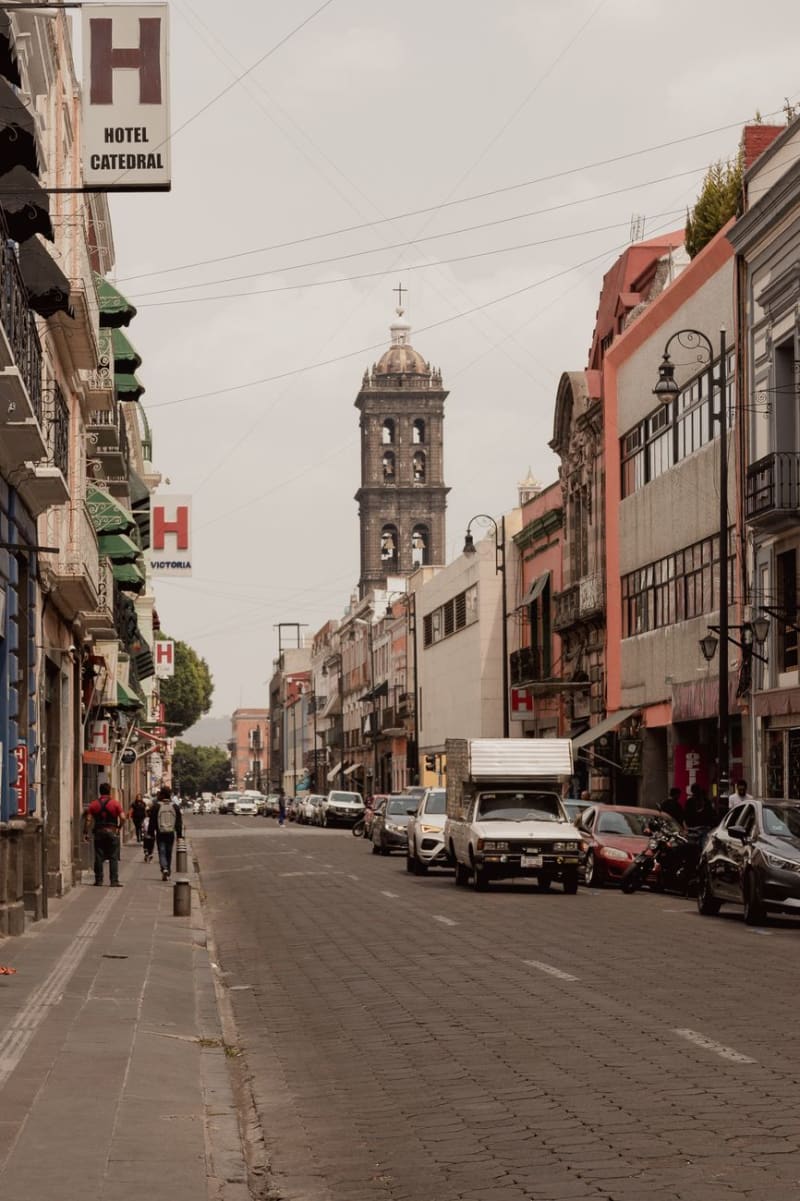
Salvatierra is a colonial town on the Laja River in southern Guanajuato, bypassed by the tourist circuit that runs between San Miguel and Guanajuato City, and better for it. A 17th-century baroque aqueduct with 43 intact stone arches runs along the edge of the centro, the Augustinian convent has faded frescoes better than most in towns with a proper tourist infrastructure, and the river in the evening reflects all of it in a way that deserves more witnesses than it currently gets. I was the only non-local I saw in four hours.
Explore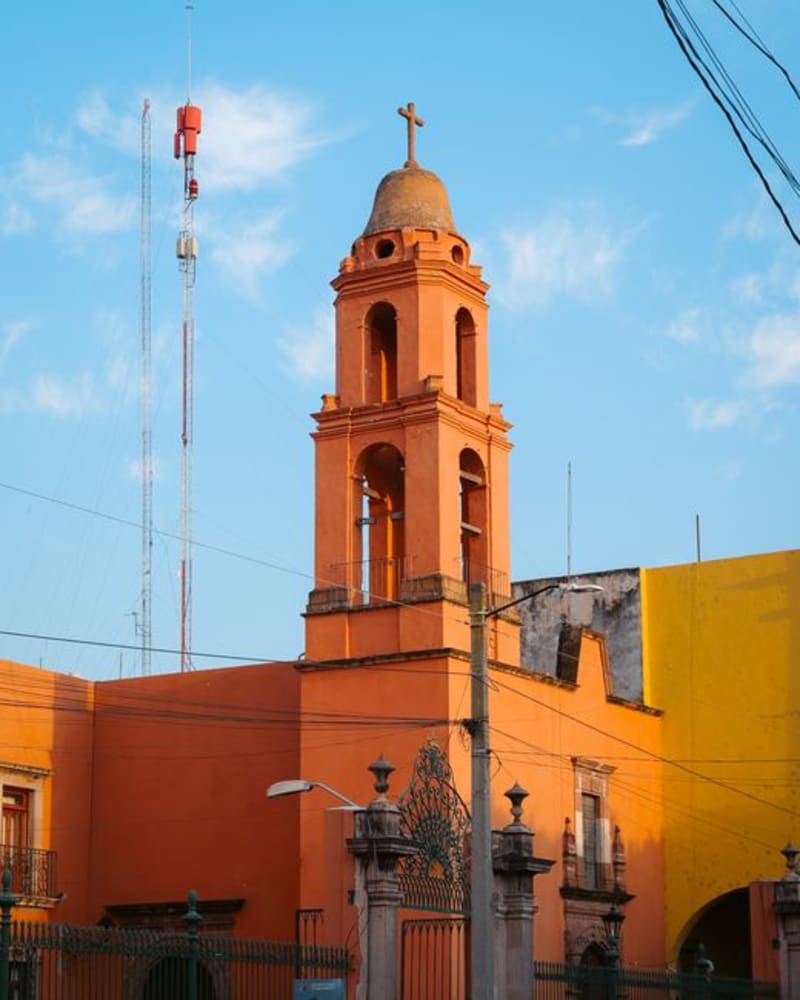 mexico
 Salvatierra
A colonial town on the Lerma River that most travelers drive past without slowing down, Salvatierra holds four convents, a remarkably intact historic center, and a Sunday market where Purépecha vendors cross from Michoacán with produce you will not find anywhere else in the Bajío. The local obsession is cajeta — goat's-milk caramel cooked in copper vats — and the town has enough of it to last you the rest of the year.
Explore mexico
 Tarimoro
A quiet farming town in southeastern Guanajuato, set in the Lerma river country where agave rows and cornfields roll up against low hills. There is a modest plaza, a parish church, and the unhurried rhythm of Bajío ranch life going about its business, entirely uninterested in whether you came to watch.
Explore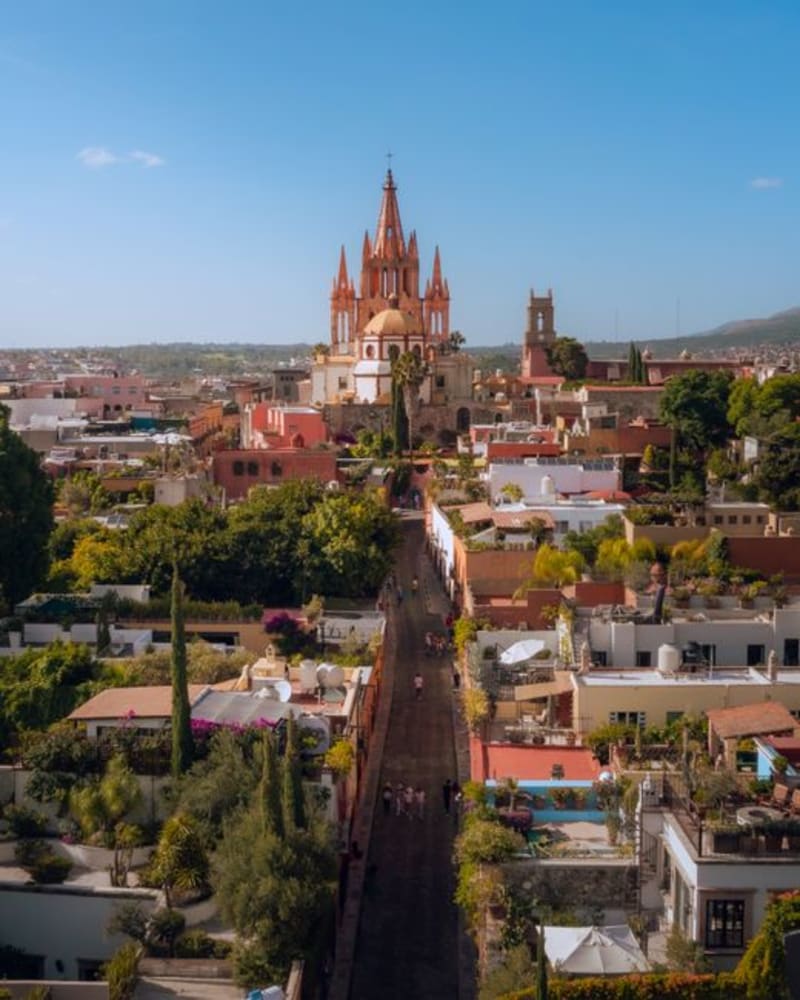 mexico
 Jerécuaro
A rural town in the far southeastern corner of Guanajuato, out near the Michoacán border, where farmland rolls into low green hills and a reservoir catches the sky. Purépecha and Otomí roots, working ranchos, a quiet plaza — the unpolished Bajío as it actually lives.
Explore mexico
 Apaseo el Alto
A Bajío town in southeastern Guanajuato where the roads are lined with workshops turning out carved wooden furniture and crafts, the smell of sawdust and lacquer hanging over whole streets. Fertile farmland surrounds a colonial center, and the calendar is stitched together with festivals. Industrious, warm, and proud of what its hands can make.
Explore mexico
 Uriangato
A hillside town in southern Guanajuato, twin to neighboring Moroleón, famous across Mexico for its textiles and knitwear. Its streets are a wall-to-wall clothing market that pulls buyers from every state, busy and colorful and relentlessly practical. Down toward the Lake Cuitzeo country, this is a town that dresses the nation and knows it.
Explore