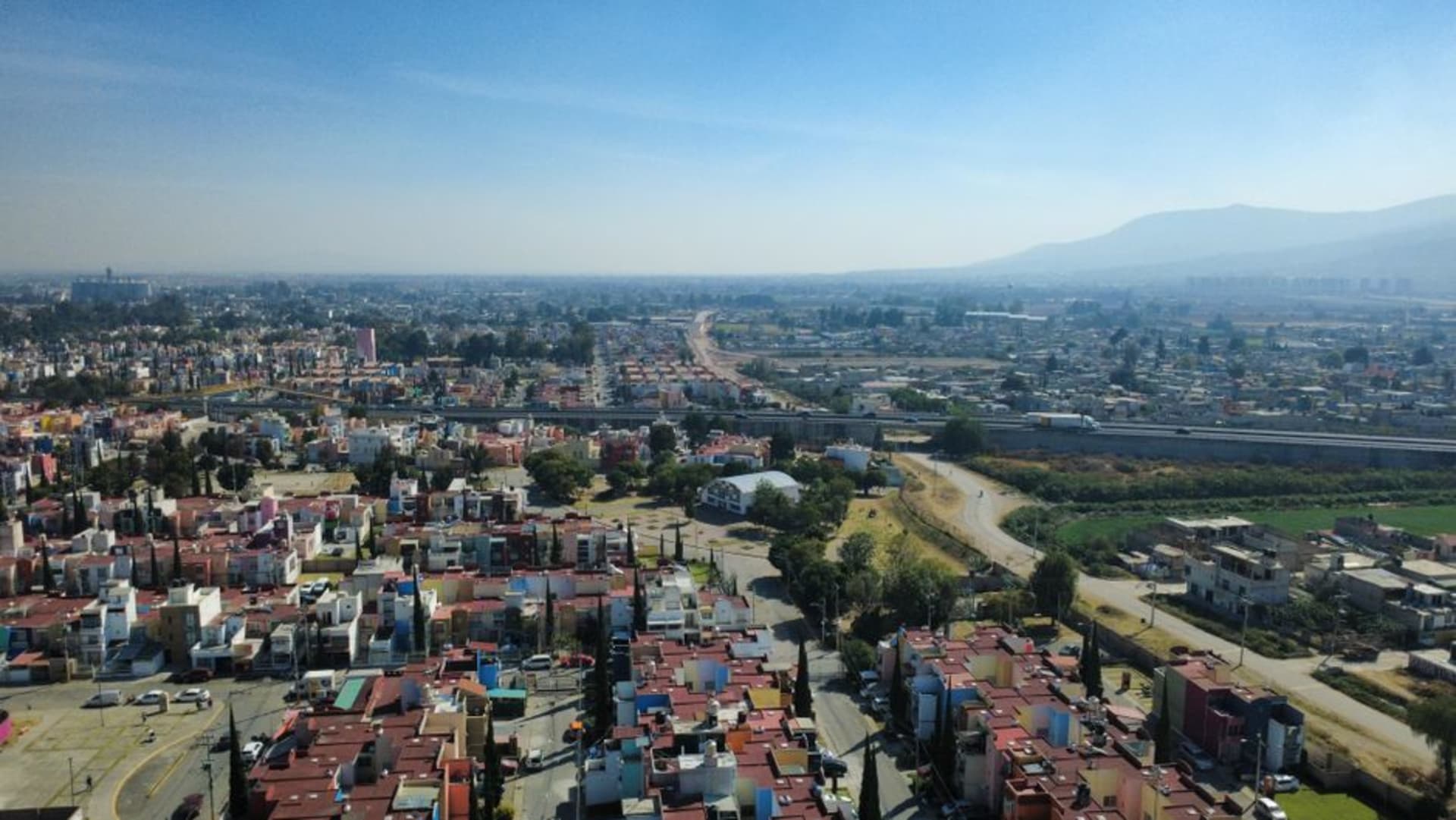
Tultepec
"The air smells faintly of gunpowder at all hours, and I mean that entirely as a compliment."
Tultepec has been engineering fireworks for generations, and the craft is so threaded into daily life here that the air carries a faint sulfur note even on a quiet Tuesday. Come in early March for the Feria Nacional de la Pirotecnia and you will watch castillos and toritos light up the sky in displays that make everything else feel like an afterthought.

I arrived in Tultepec on a Wednesday afternoon in late February, a week before the Feria, when the town was still in that focused pre-event state that often feels better than the event itself. A pickup truck idled outside a workshop on Calle Hidalgo with an enormous paper bull strapped to the flatbed. Two men in their fifties were arguing, calmly and at length, about something I couldn’t make out. The smell reached me before anything else — sulfur and something sweeter underneath it, chemical but not unpleasant. I stood on the sidewalk and breathed it in.
When the Castillos Burn
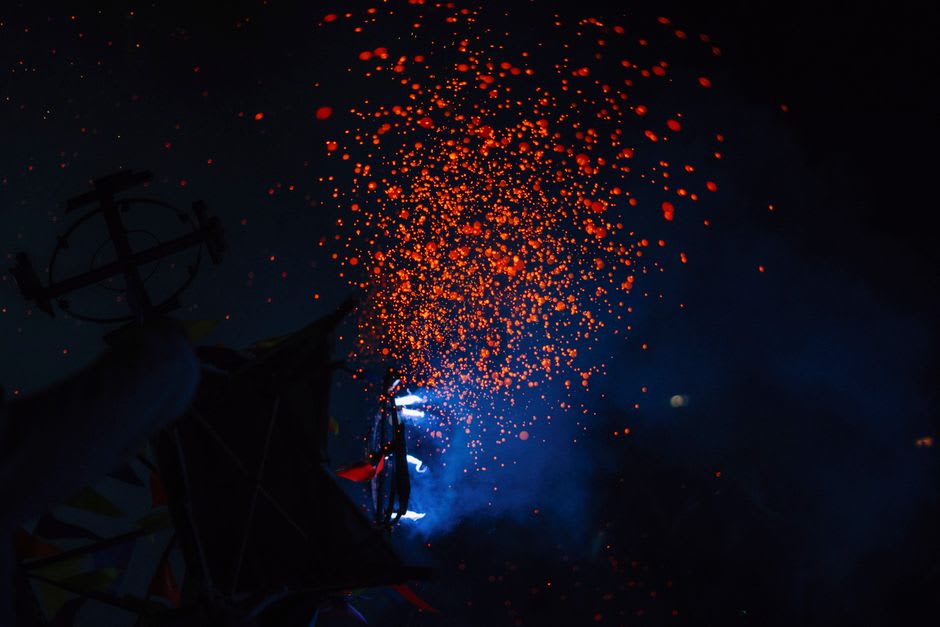
The Feria Nacional de la Pirotecnia runs for about a week in early March, organized around the feast of San Juan de Dios on the seventh — the patron saint of pyrotechnicians, which is the kind of professional-specific religious detail that Mexico does better than anywhere. What happens each night is difficult to describe without sounding hyperbolic, so I will be precise. A castillo is a twenty-meter tower of welded steel hung with successive rings of pyrotechnic devices that ignite from bottom to top, erupting into spinning wheels of color that throw sparks across the field. The finale detonates from every tier simultaneously. A torito is a papier-mâché bull mounted on a wooden frame that a man carries through the crowd while it throws sparks and noise in every direction; the crowd runs, laughs, and comes back for more. I have seen fireworks on Bastille Day in Paris and on New Year’s in Sydney. Neither prepared me for an evening in Tultepec.
The Talleres
What makes Tultepec genuinely strange, beyond the spectacle, is the ordinariness of it the rest of the year. Families here have been making fireworks for generations, passing the craft from parent to child with the same matter-of-factness that a family in Lyon might pass down cheesemaking. On Calle 5 de Febrero and the streets fanning out from the central market, workshop doors stand open — talleres where men sort chemical powders into careful piles, wrap paper around cardboard tubes, and assemble the wire armatures that will eventually become castillos. The work is methodical and slow; a single competition piece can take months to build. The 2006 market explosion that killed dozens hangs over the town’s history — locals mention it the way people mention any formative catastrophe, with a heaviness that does not prevent them from continuing. The craft is who they are.
What to Do With the Other Hours
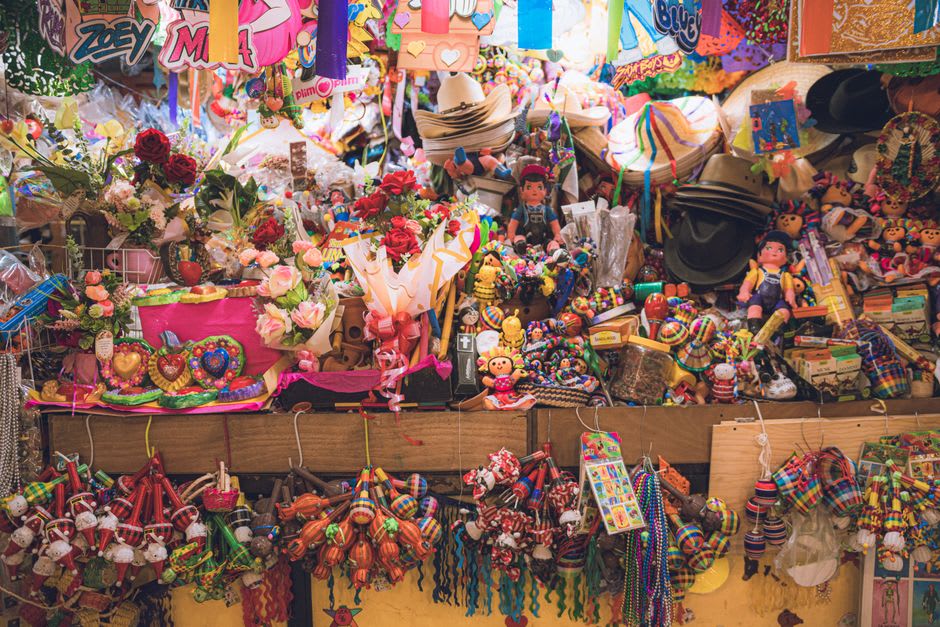
If you come during the Feria, arrive by late afternoon and position yourself near the main stage before dark — the crowd builds quickly and the sight lines matter. Outside of March, the Museo de la Pirotecnia on the central plaza gives a decent account of the trade’s history, including the competition pieces and the tools behind them. I ate quesadillas de flor de calabaza and a bowl of caldo tlalpeño at a comedor on the market’s north side — nothing remarkable except that it was exactly what I wanted. The market itself is worth an unhurried hour: produce stalls, hardware vendors, and at least two people selling spent fireworks casings as souvenirs, which struck me as either very optimistic or very practical.
Getting There
Tultepec sits about 40 kilometers north of central Mexico City. The most practical route is MEXIBUS from Cuatro Caminos metro station, with a colectivo connection into town — allow around an hour. By car from Tlatelolco, traffic permitting, figure 40 minutes. The Feria runs in early March; main events start after dark, so plan for a late return or book transport back to the city in advance.
Keep exploring
More of Estado de México
Keep exploring
More from Estado de México
 mexico
 Tepotzotlán
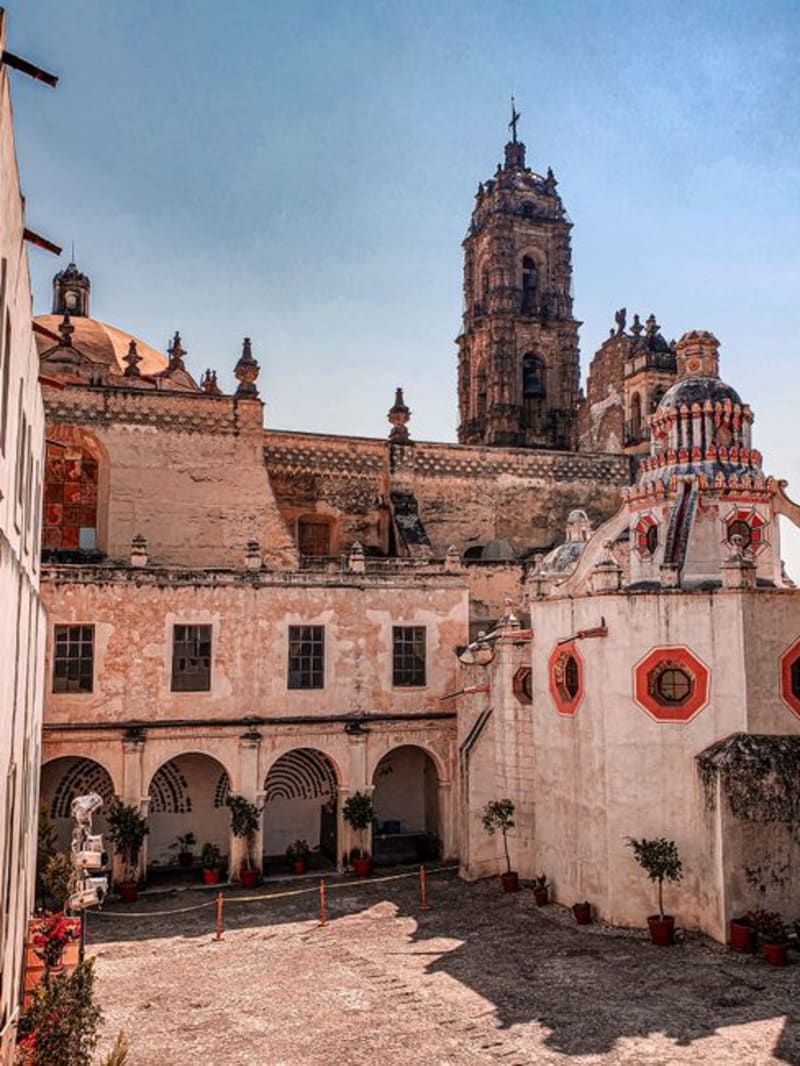
Forty minutes north of Mexico City, Tepotzotlán holds the most extravagant churrigueresque church facade in the country and a world-class museum of colonial art that most visitors to Mexico never find. The town takes half a day and rewards every minute of the detour.
Explore mexico
 Acambay
An Otomí highland town in the far northwest of Estado de México, where rolling rocky hills give way to fields of volcanic boulders that climbers travel hours to reach. The air is cool and thin, the plaza is quiet, and the ranch country stretches to a horizon that feels far from Mexico City.
Explore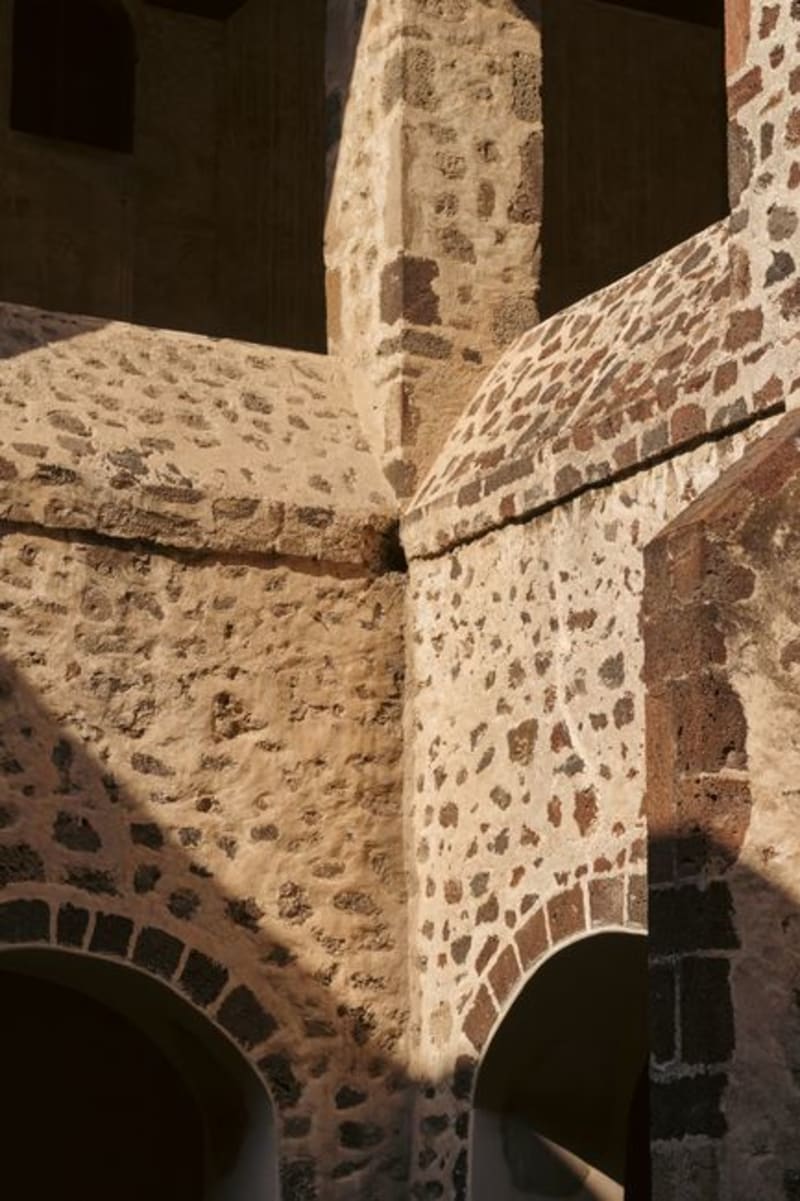 mexico
 Acolman
Acolman holds one of the finest 16th-century Augustinian monasteries in Mexico, its Plateresque facade an obsessive inventory of carved stone that most Teotihuacan-bound visitors never slow down to read. The ex-convento also carries a distinction few people fully register: this is where the posada tradition was invented, conceived by the friars here as a staged instrument of evangelization.
Explore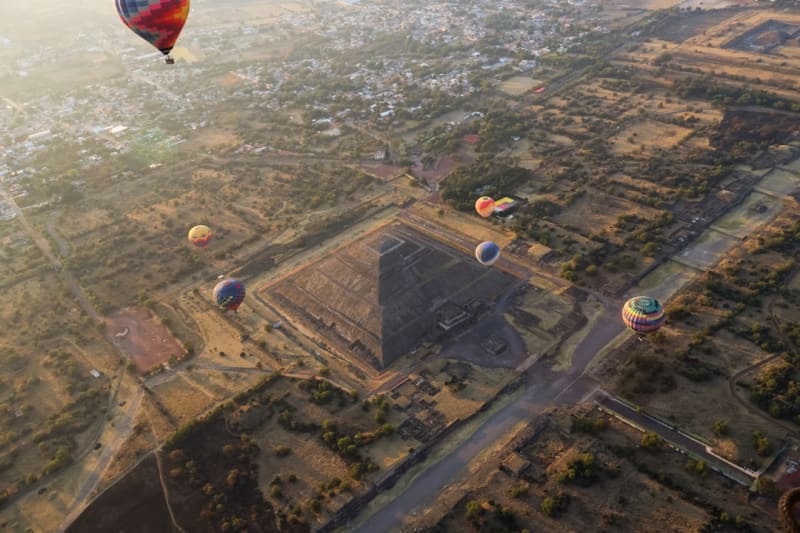 mexico
 Teotihuacán
The largest city in the pre-Columbian Americas — a metropolis of two hundred thousand people that nobody has ever identified, built around two pyramids aligned with the stars and an avenue two kilometers long.
Explore mexico
 Villa del Carbón
An hour north of Mexico City in the pine-forested mountains of Estado de México, Villa del Carbón operates at a pace that feels almost remedial after the capital. The Pueblo Mágico draws weekenders for its renowned cheese and chorizo market, its sixteenth-century Augustinian monastery, and the straightforward luxury of breathing cold air in forests that smell of pine resin and wet earth.
Explore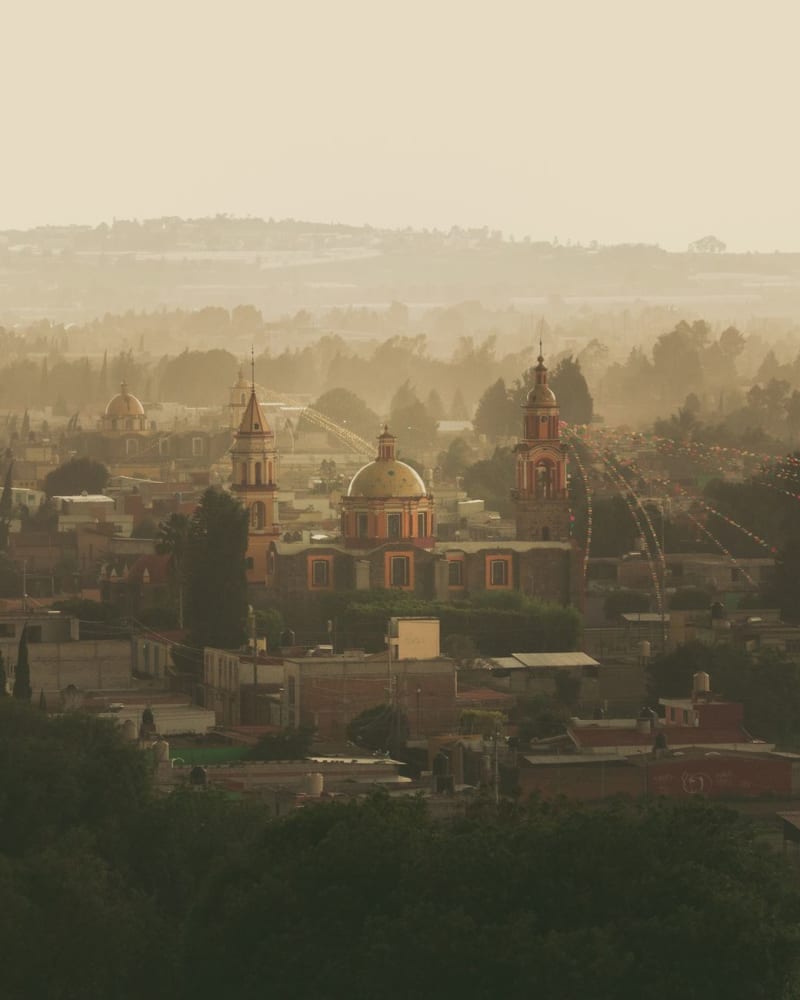 mexico
 Texcoco
Texcoco was the intellectual capital of the Aztec Triple Alliance — Nezahualcóyotl, philosopher-king and poet, ruled here, built hanging gardens and aqueducts and a library, and composed verse that is still read in Mexico. The lake he looked out on no longer exists; the ruins of his bath complex survive in the hills above the city. Standing there, you understand something about the scale of what was erased when the lake was drained.
Explore