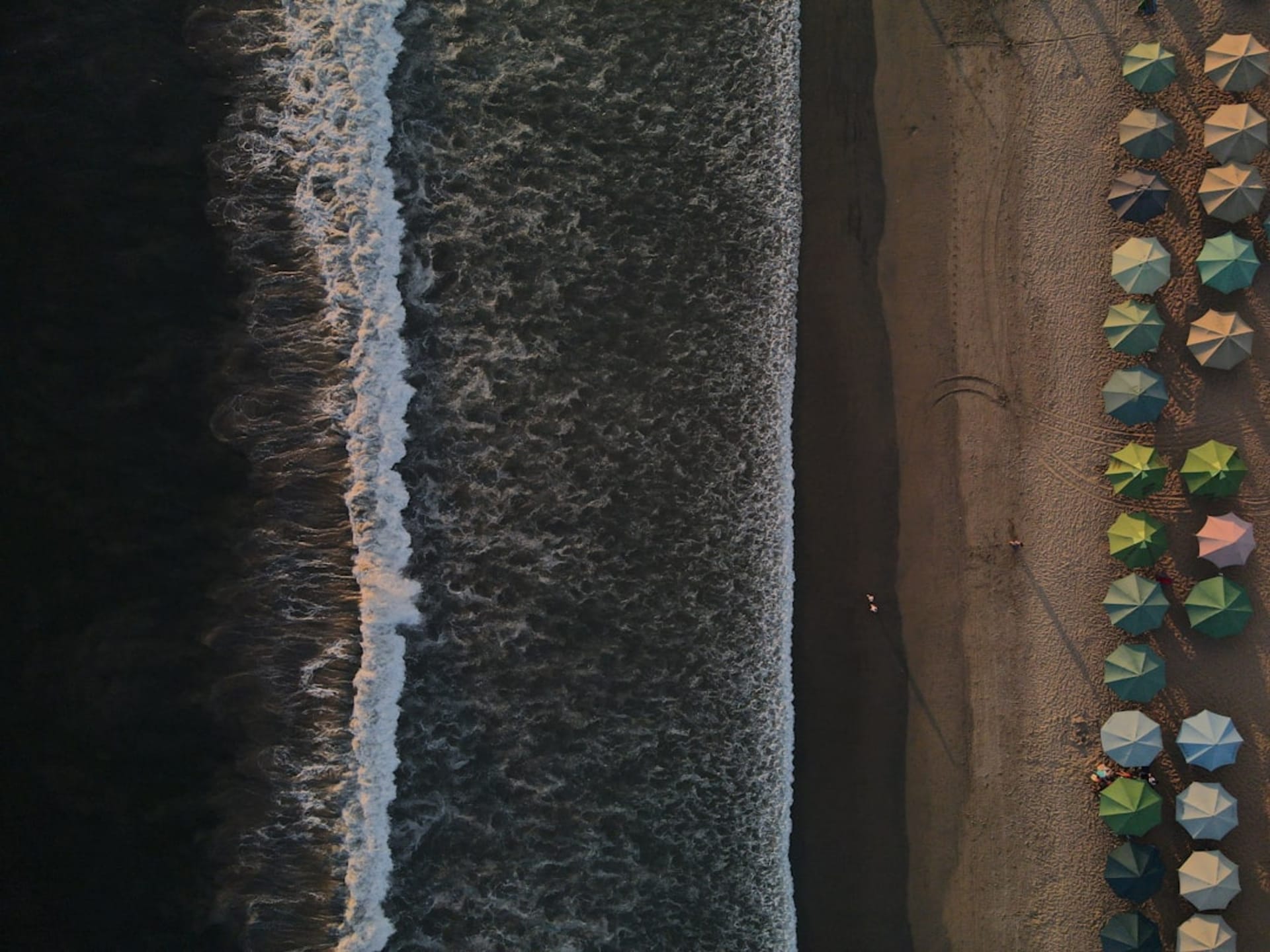
Colima
"The Volcán de Colima is one of the most active volcanoes in North America. From Comala on a clear day you can watch the smoke column rise. The coffee grown on its slopes, fertilized by centuries of ash, is the best in western Mexico."
Colima is Mexico’s second-smallest state (after Tlaxcala) and one of the most overlooked — a narrow strip of Pacific coast backed by mountains and dominated by the twin peaks of the Nevado de Colima (4,339 meters, dormant) and the Volcán de Colima (3,820 meters, very much not dormant — one of the most active volcanoes in North America, with major eruptions in 1991, 1998, 2005, and ongoing activity).
The state capital, also called Colima, is a colonial city of 150,000 that functions as the commercial center. But the destination that has earned Colima its literary reputation is Comala (covered separately) — the small white colonial town 10 kilometers north of the capital that sits at the edge of the coffee-growing zone on the volcano’s lower slopes. Juan Rulfo used the name Comala for the fictional town in Pedro Páramo (his 1955 novel that García Márquez credited with teaching him magical realism), and the real Comala wears this association — but the town earns its reputation on its own terms: the all-white architecture (a municipal ordinance requires white-painted buildings), the mild volcanic-highland climate, the ponche de granada in the plaza, and the coffee from the cooperatives that farm the fertile volcanic soils.
Manzanillo (covered separately) is the Pacific port and resort — Mexico’s busiest Pacific commercial port and a beach destination that managed to build a significant sailfish fishing reputation. The twin bays (Santiago and Manzanillo) are backed by mangrove lagoons that have been partly integrated into the resort zone.
Archaeological evidence from the shaft tombs of Colima (underground burial chambers dating to 300 BCE–700 CE) has produced some of the most humanistic pre-Columbian ceramic art in Mexico — the famous Colima dogs, terracotta hairless dog figurines that represent the xoloitzcuintle (Mexican hairless dog), the animal that the pre-Columbian cultures believed guided the dead through the underworld.
Explore
Places in Colima
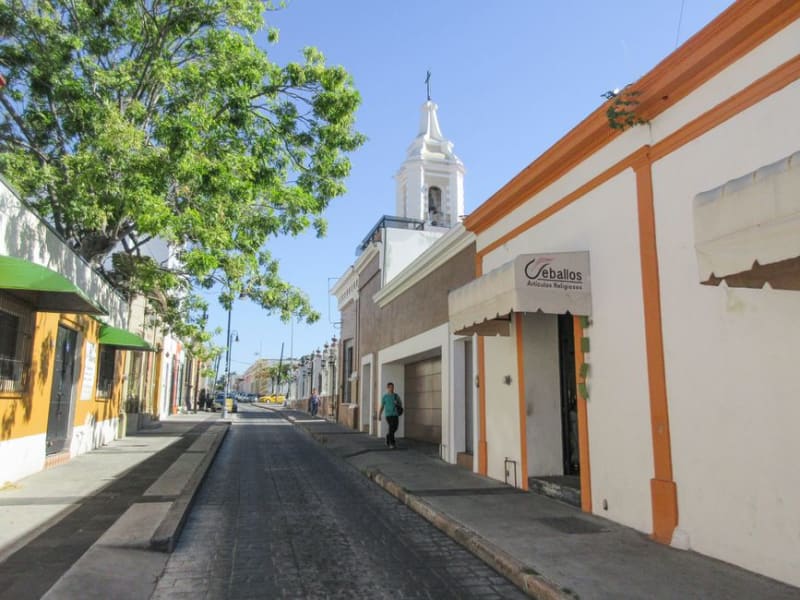
Comala
The white village in Jalisco's Colima foothills that haunted Juan Rulfo's imagination and became Pedro Páramo — a real town of white-washed walls and bougainvillea where the cantinas serve free botanas with every drink.
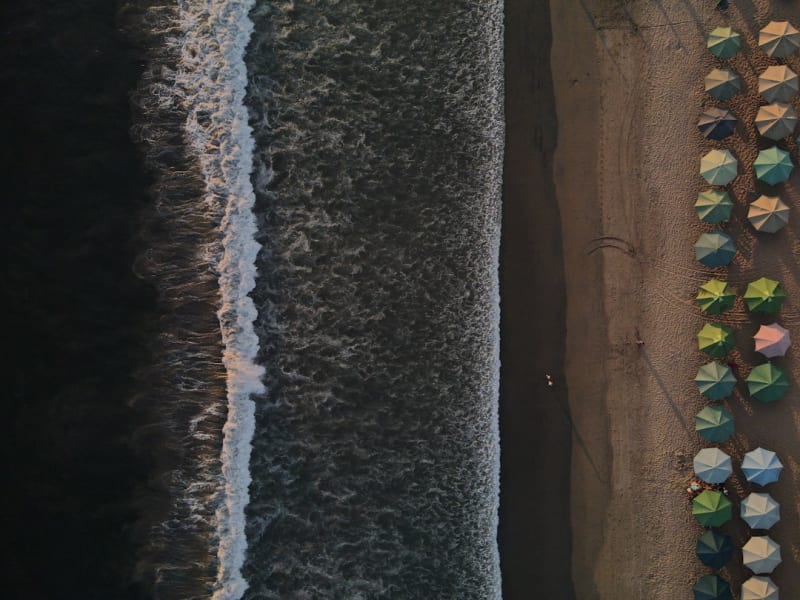
Manzanillo
The Pacific port city of Colima with twin crescent bays, sailfish tournaments that built its international reputation, and a malecón that serves as a working commercial harbor and tourist seafront simultaneously.