Comala
"Juan Rulfo grew up in villages like this. He wrote Pedro Páramo, the greatest Mexican novel. The ghost town he invented feels more real than the real one."
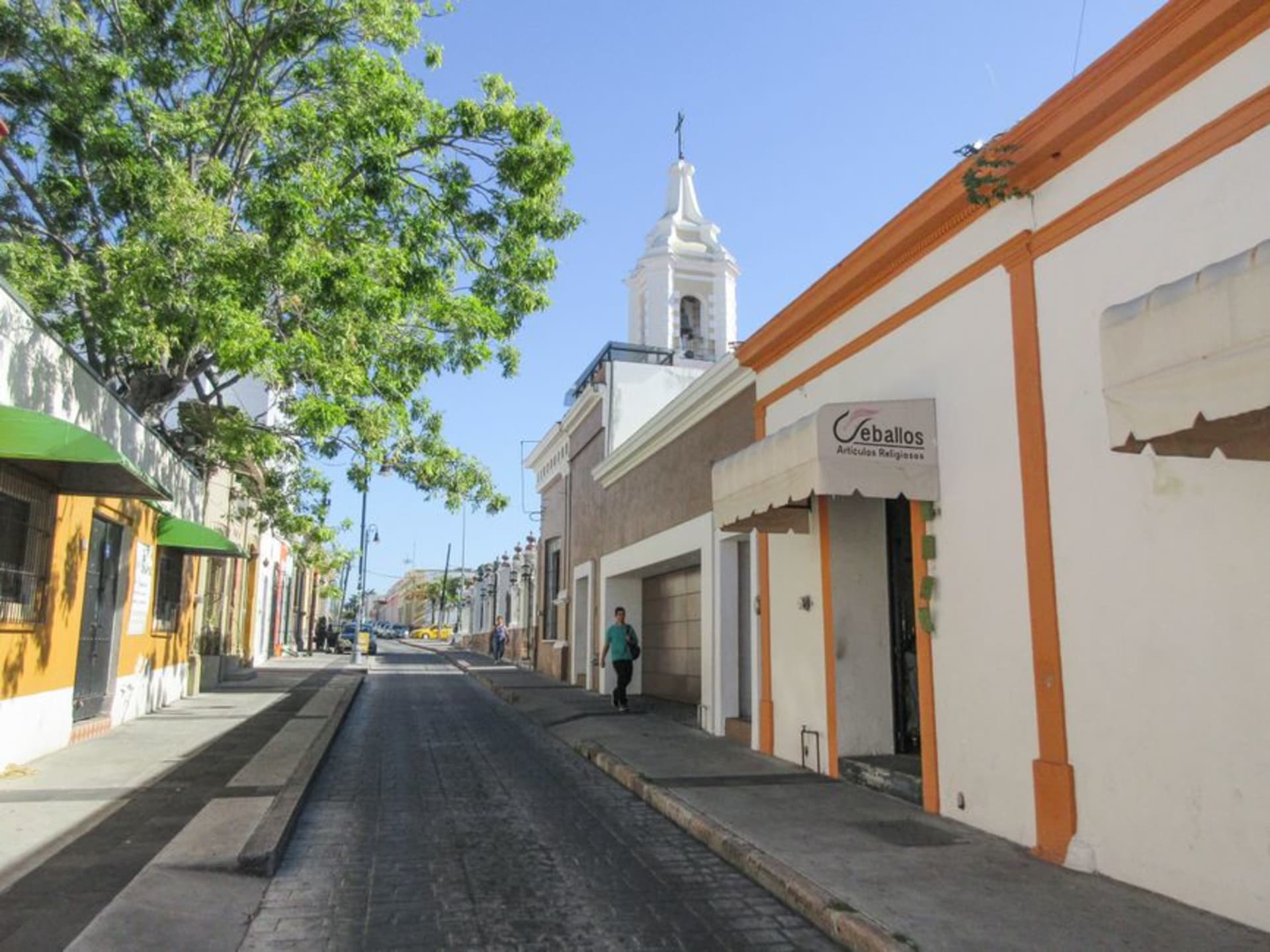
Comala is a village of perhaps 10,000 people in the foothills of Colima, twenty minutes north of the state capital, white as chalk and surrounded by bougainvillea and the cafetales (coffee farms) that cover the volcanic slopes above town. It is a real place that also exists simultaneously as the template for the imagined Comala of Juan Rulfo’s 1955 novel Pedro Páramo — a ghost town of the dead where a man comes looking for his father and finds only voices — and the disjunction between the living village and the fictional ghost town is something that Comala has learned to carry, with a degree of grace.
The village won the title of Pueblo Mágico in 2002, one of the first in Jalisco, and has spent the subsequent years developing a tourism identity that navigates between the literary pilgrimage market (readers of Pedro Páramo coming to see the setting) and the Guadalajara weekend-escape market (families coming for the free botanas and the Colima coffee). Both groups eat well and drink well and the village contains both.
The Portales and the Botanas
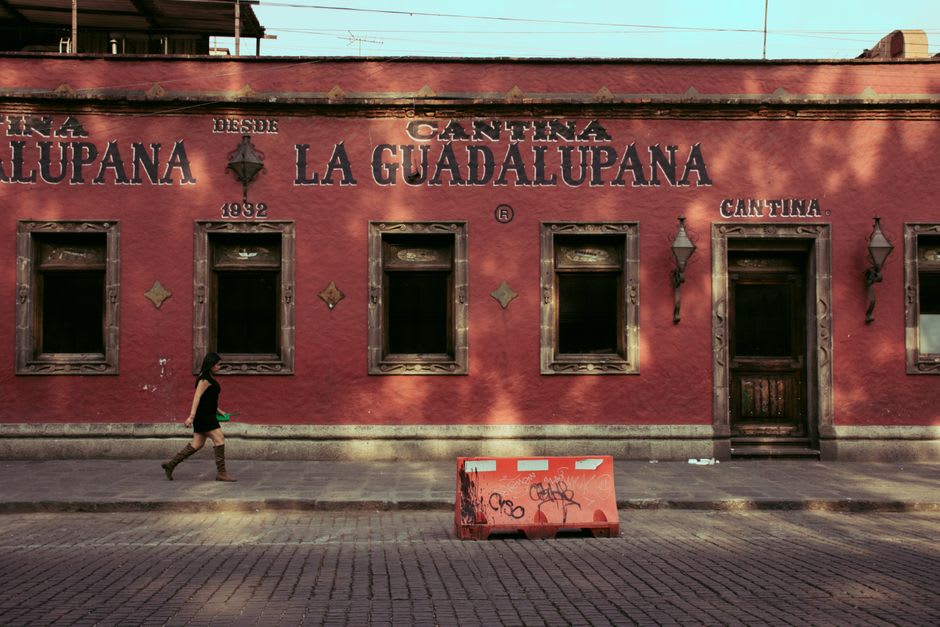
The arcaded portales that surround the main plaza of Comala have been the social center of the village for centuries and are now lined with cantinas operating a tradition that I have not encountered at quite this scale anywhere else in Mexico: free botanas with every drink ordered. You order a beer or a michelada or a tequila, and the kitchen sends out a plate. You order another, and another plate comes. The plates escalate in ambition as your tab increases.
The botanas circuit at Comala’s portales on a Sunday afternoon — moving from Portales de Comala to La Troje to Las Mañanitas as the afternoon progresses, accumulating plates of pozole, sopes, tamales de elote, and Colima-style carnitas — is one of the most pleasurable ways to eat in western Mexico. The food is not the point of the first drink; by the third drink, the food is very much the point.
Tejuino — a fermented corn drink, cold, slightly sour, served with lime and chile — is the non-alcoholic alternative that appears in every cantina and every street corner. The Colima version is less sweet than the Guadalajara version and better for it.
The Coffee
Comala is in the coffee-growing zone of the Colima volcano foothills — an area of altitude, volcanic soil, and cloud forest that produces arabica beans of genuine distinction. The farms above the village (some accessible on horse or foot, others by road) grow shade-grown coffee under the canopy of the original forest species, the traditional method that produces slower ripening and more complex flavor.
The Café de Comala brand, produced by a cooperative of small growers in the region, is sold throughout the village and is the best introduction to what the volcanic soils produce. The coffee at any of the portales restaurants is brewed from local beans; ask for it in clay cups (the Comala tradition) rather than ceramic.
The slopes above Comala can be hiked or traversed by horse — several farms offer guided tours through the cafetales during harvest season (November-January), including the drying beds where the coffee cherries are spread in the sun on raised racks.
The Colima Volcano
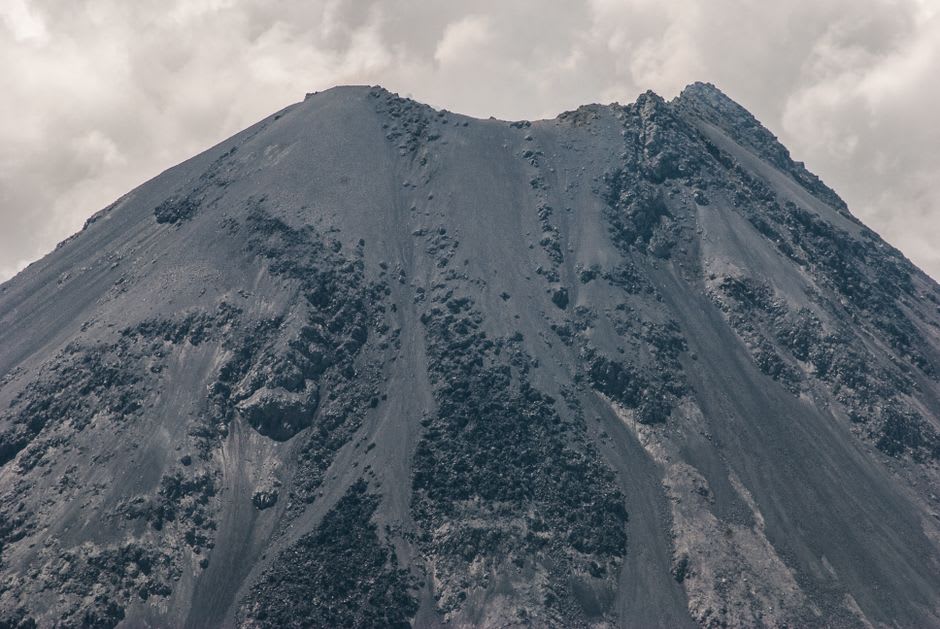
Comala sits at the base of the two-volcano system that defines the Colima landscape: the Volcán de Fuego (Colima volcano, one of Mexico’s most active, 3,820 meters) and the dormant Nevado de Colima (4,270 meters, the highest peak in western Mexico). The Fuego is visible from Comala on clear mornings — a cone of blue-grey above the coffee farms — and occasionally active enough to produce ash clouds visible from the village.
Hiking on the lower slopes of the Nevado is possible and popular with guides from the nearby town of Atenquique; the summit involves a pre-dawn start and technical conditions that vary by season. The Fuego is accessible to the base camp only (the exclusion zone shifts based on activity level); check with local guides for current conditions.
Getting there: Frequent local buses from Colima city (30 minutes) or from Guadalajara (2h by autopista to Colima, then bus). Colima airport has direct flights from Mexico City and Guadalajara. Comala is most alive on weekends; Tuesday-Thursday the portales are quieter but still open.
When to go: Year-round. Coffee harvest (November-January) for farm visits. November through April for the best volcano visibility. Avoid August-September when rains limit hiking.