Simojovel
"Holding a piece of amber up to the light and seeing a gnat frozen inside since before humans existed — geology becomes suddenly personal."
A remote highland town in northern Chiapas built atop one of the world's richest amber deposits, where artisans shape 25-million-year-old resin into jewelry in back-street workshops and sell direct, no tour operator required. The drive up from the Grijalva valley is reason enough to come.

I came to Simojovel on a colectivo that seemed to be held together by optimism and a single bungee cord. The road climbs out of the Grijalva valley in long switchbacks, coffee farms terracing the hillsides below and cloud forest pressing in from above, and by the time the driver dropped me at the central plaza I had the disoriented altitude feeling you get in highland Chiapas towns that do not expect visitors and do not particularly organize themselves around receiving them. That suited me fine.
Amber, Unmediated
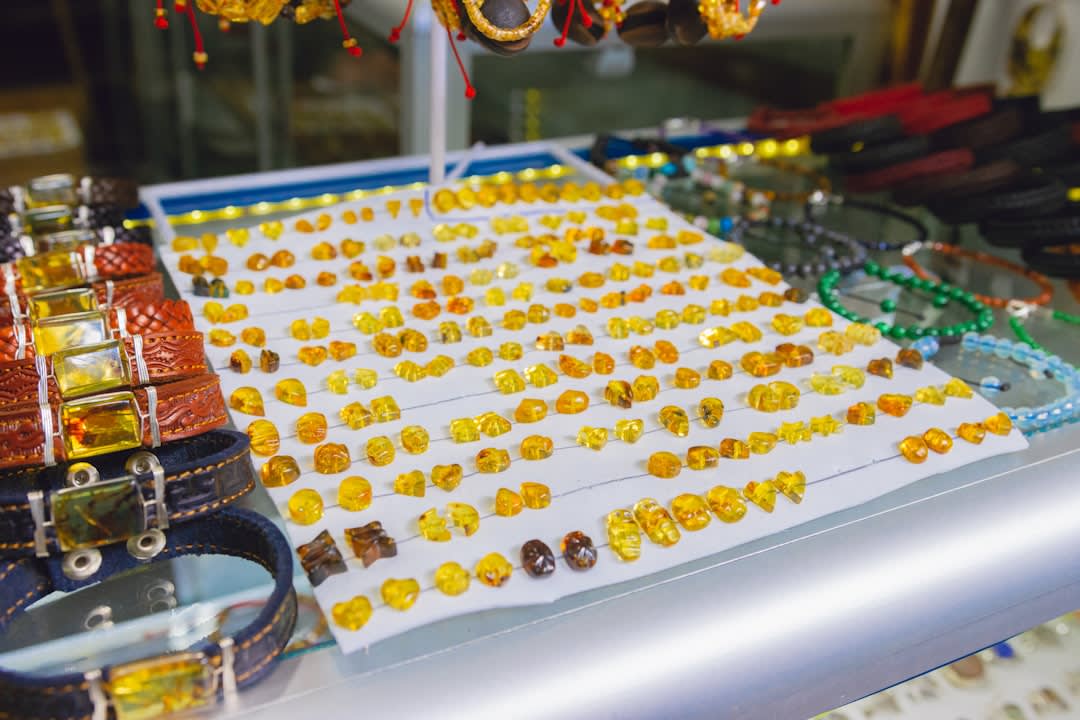
The thing nobody tells you about Simojovel is that the amber trade here has no tourism layer. There are no boutiques with soft lighting and laminated price lists. Instead, you follow the side streets off the plaza — Calle Libertad, the block behind the market — and find workshops where artisans are bent over hand-held rotary tools, shaping raw amber nodules directly into pendants and earrings. A man named Rodrigo let me stand in his doorway for twenty minutes while he polished a piece the color of dark honey. His operation was entirely personal — he digs the amber himself in the hills above town, cuts it himself, sells it himself. A pendant with a trapped insect inside, a small fly held mid-flight for twenty-five million years, cost me two hundred pesos. I turned it in the light for a long time before I put it in my pocket.

The Market and the Food
The mercado municipal runs every day but has a proper tianguis on Sundays when Tzotzil vendors come down from the surrounding villages. I arrived on a Thursday and it was still lively enough — stalls selling dried chiles, fresh cheese, plastic buckets, and, at the back near the kitchen row, women serving caldos over portable gas burners. I ate a caldo de res at a folding table, the broth dark and deeply seasoned, a chunk of bone with good marrow at the bottom of the bowl. Corn tortillas arrived in a cloth-wrapped stack. The woman who served me did not speak Spanish and I do not speak Tzotzil, which meant we communicated entirely through the universal language of nodding and pointing at the pot when I wanted more.
The Road In
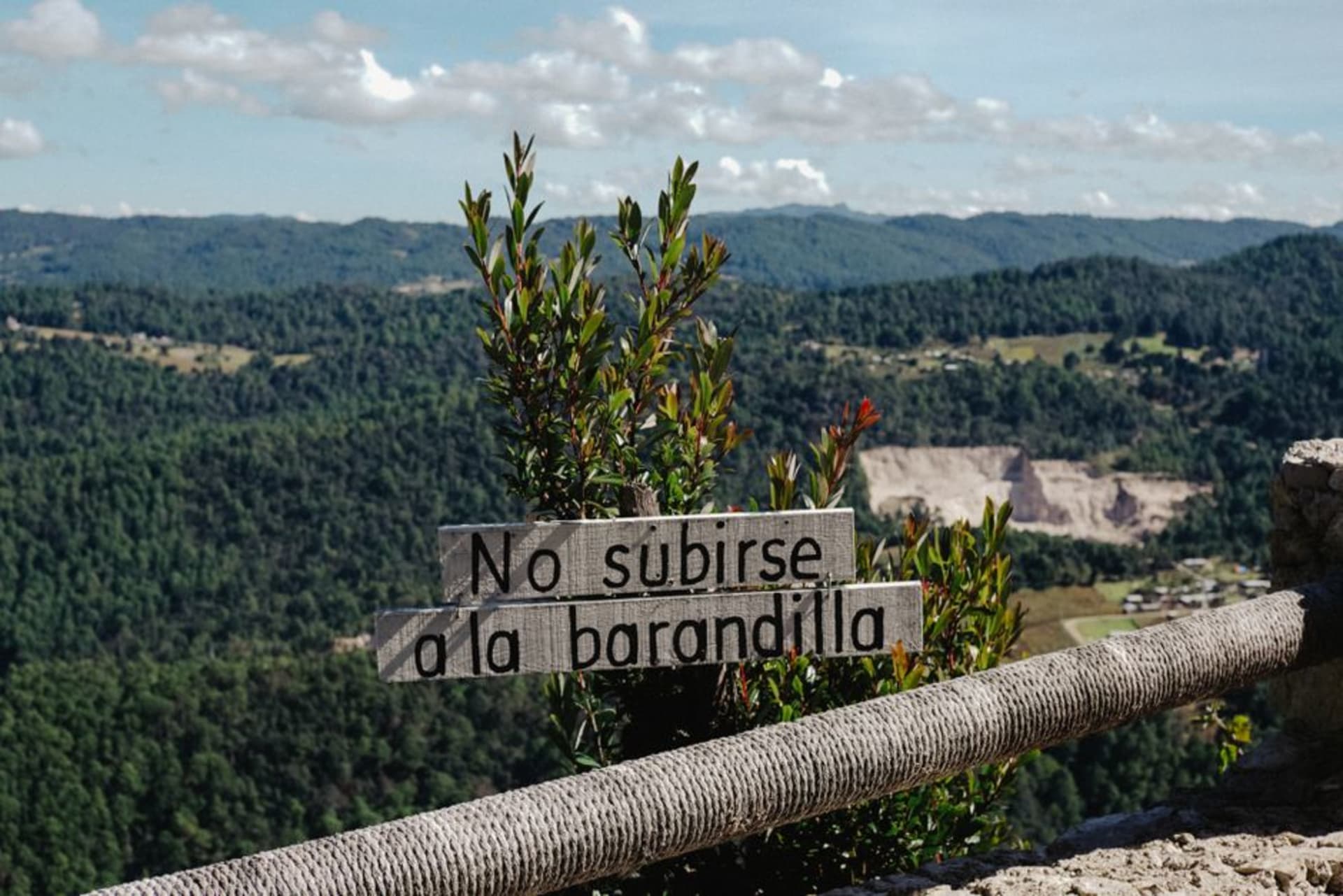
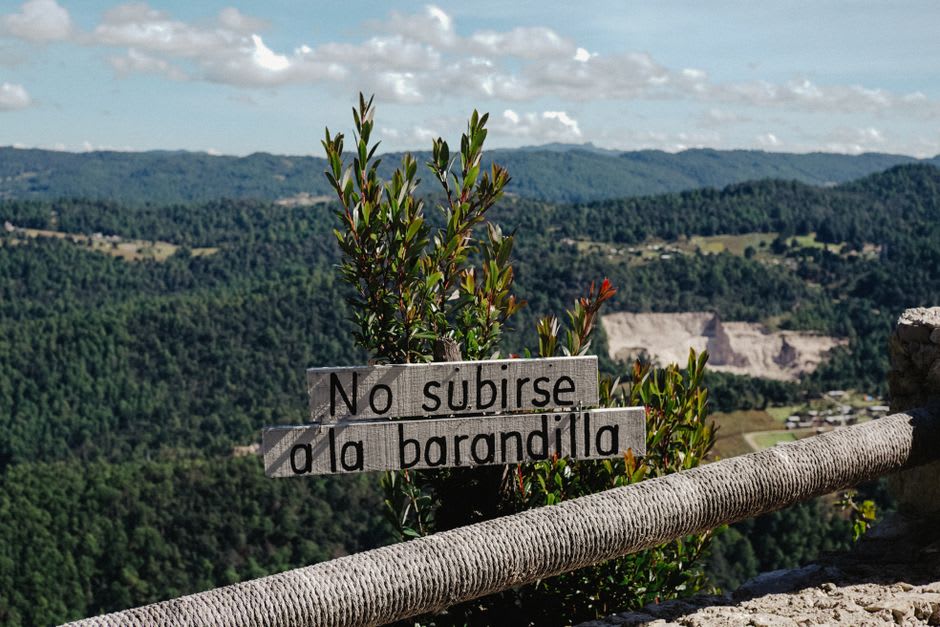
I want to say something specifically about the drive, because it is worth treating as part of the destination rather than just transit. The route from Bochil or from Pueblo Nuevo Solistahuacán climbs through a landscape that changes character every few kilometers — open pasture, then dense cloud forest dripping with bromeliads, then a ridge where you can see the Grijalva canyon opening in both directions below. If you have any flexibility, take the morning colectivo so the light is still soft on the hills. Arriving in good light makes Simojovel feel like a discovery rather than an errand.
Getting There
Colectivos run from San Cristóbal de las Casas with a change at Bochil, total journey roughly three to four hours depending on connections. The Bochil junction is straightforward — ask for the Simojovel van, it departs when full. There is no direct bus from Tuxtla. Return colectivos to Bochil leave from Simojovel’s main plaza through mid-afternoon; do not count on finding one after four.
Keep exploring
More of Chiapas
Keep exploring
More from Chiapas
 mexico
 San Juan Chamula
A Tzotzil Maya municipality ten kilometers from San Cristóbal de las Casas that governs itself entirely under its own civic and religious laws. Its church of San Juan Bautista — carpeted in pine needles, lit by hundreds of candles at floor level, filled with the sound of shamanic prayer and Coca-Cola offerings — is unlike any other religious space I have entered in this country.
Explore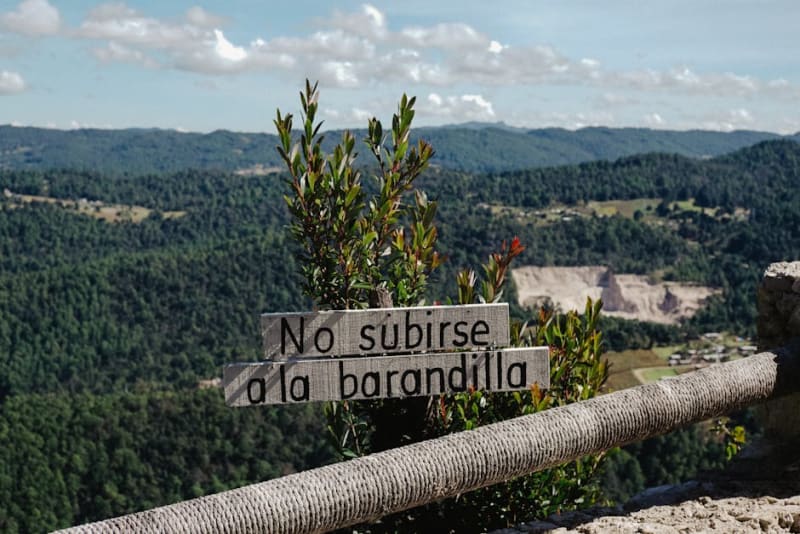 mexico
 San Cristóbal de las Casas
A highland colonial town wrapped in indigenous culture, cloud-forest mist, and the best coffee in Mexico. Chiapas at its most concentrated.
Explore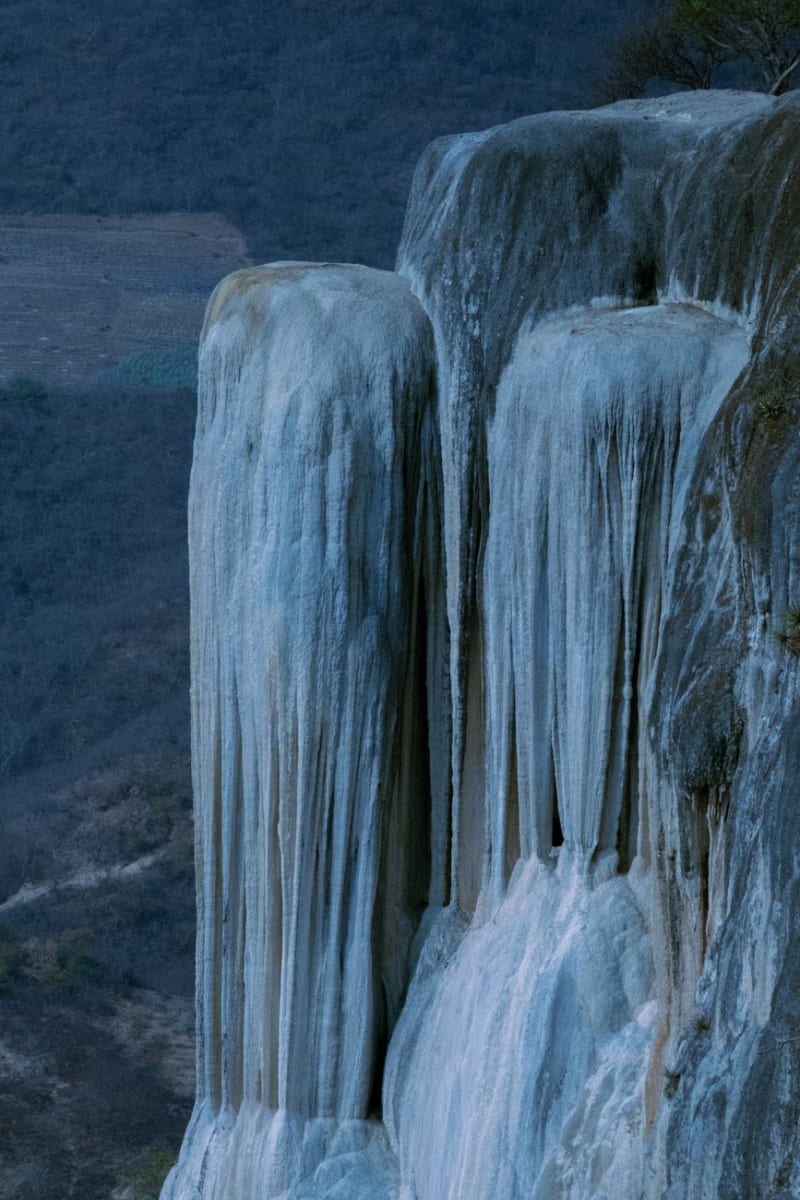 mexico
 Agua Azul
A series of turquoise limestone waterfalls cascading through the jungle between Palenque and San Cristóbal — the color is genuinely that blue, not a filter, not an exaggeration, and before 10am the pools are yours almost alone. Lia wanted to leave at 5:30; I wanted to sleep; she was right.
Explore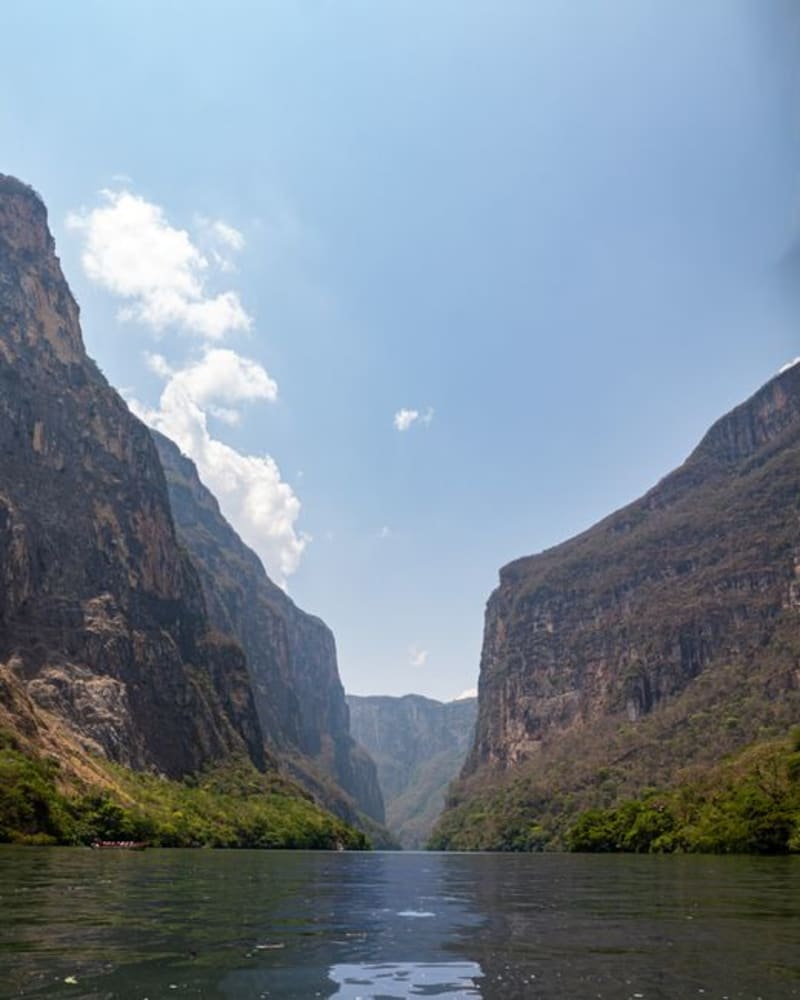 mexico
 Rayón
In the northern highlands of Chiapas, the Río La Venta has spent millions of years carving the Rayón canyon through Zoque limestone — a gorge so deep that from the rim you cannot see the water below. The Zoque communities along the edge keep their own festivals, their own agricultural rhythms, and largely their own counsel.
Explore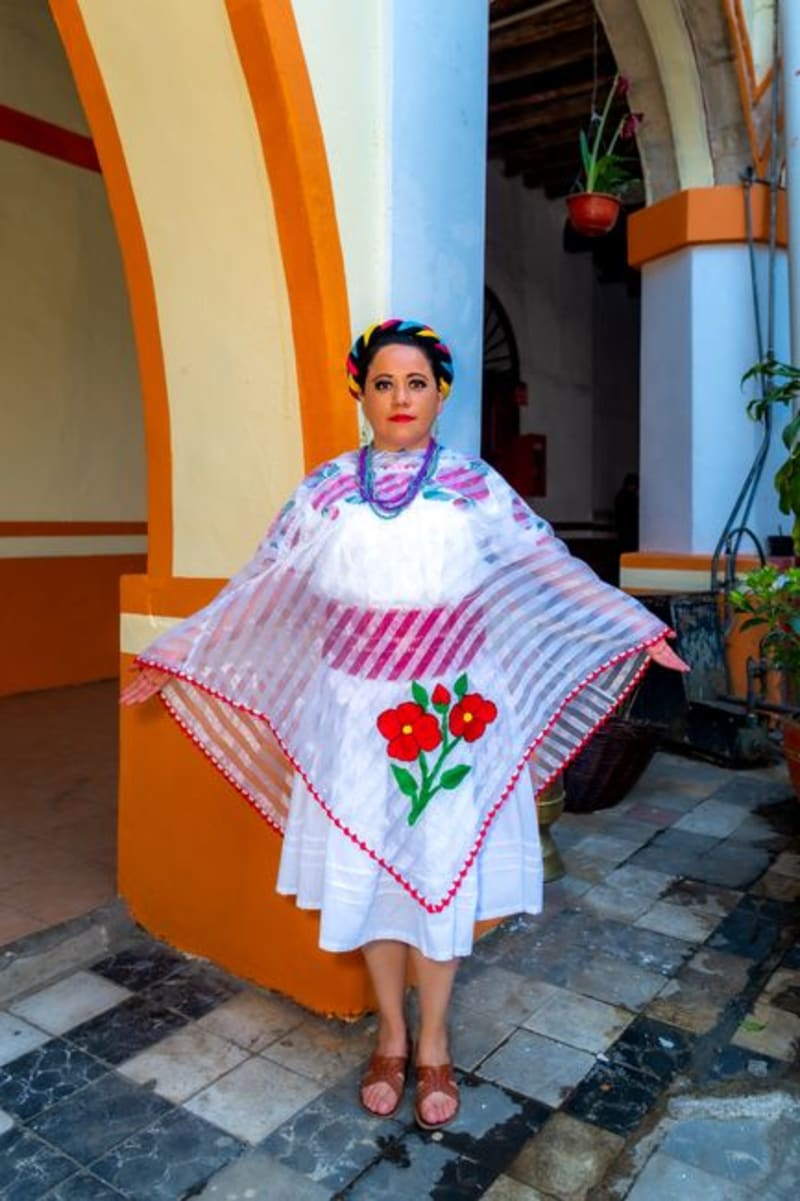 mexico
 Zinacantan
A Tzotzil Maya village above San Cristóbal where carnation fields cover the hillsides and men still move through their days in rose-embroidered black tunics. Family kitchens open to visitors for posh and weaving demonstrations that feel like actual hospitality rather than theater.
Explore mexico
 Tonina
A Maya acropolis of seven terraced platforms rising above the Ocosingo valley, Toniná was one of the most militarily aggressive powers of the Classic period — and its architecture still radiates that intent. Fewer visitors make it here than to Palenque, which means you can stand at the summit and actually feel what the scale is asking of you. The site museum holds some of the finest Maya stucco in Mexico.
Explore