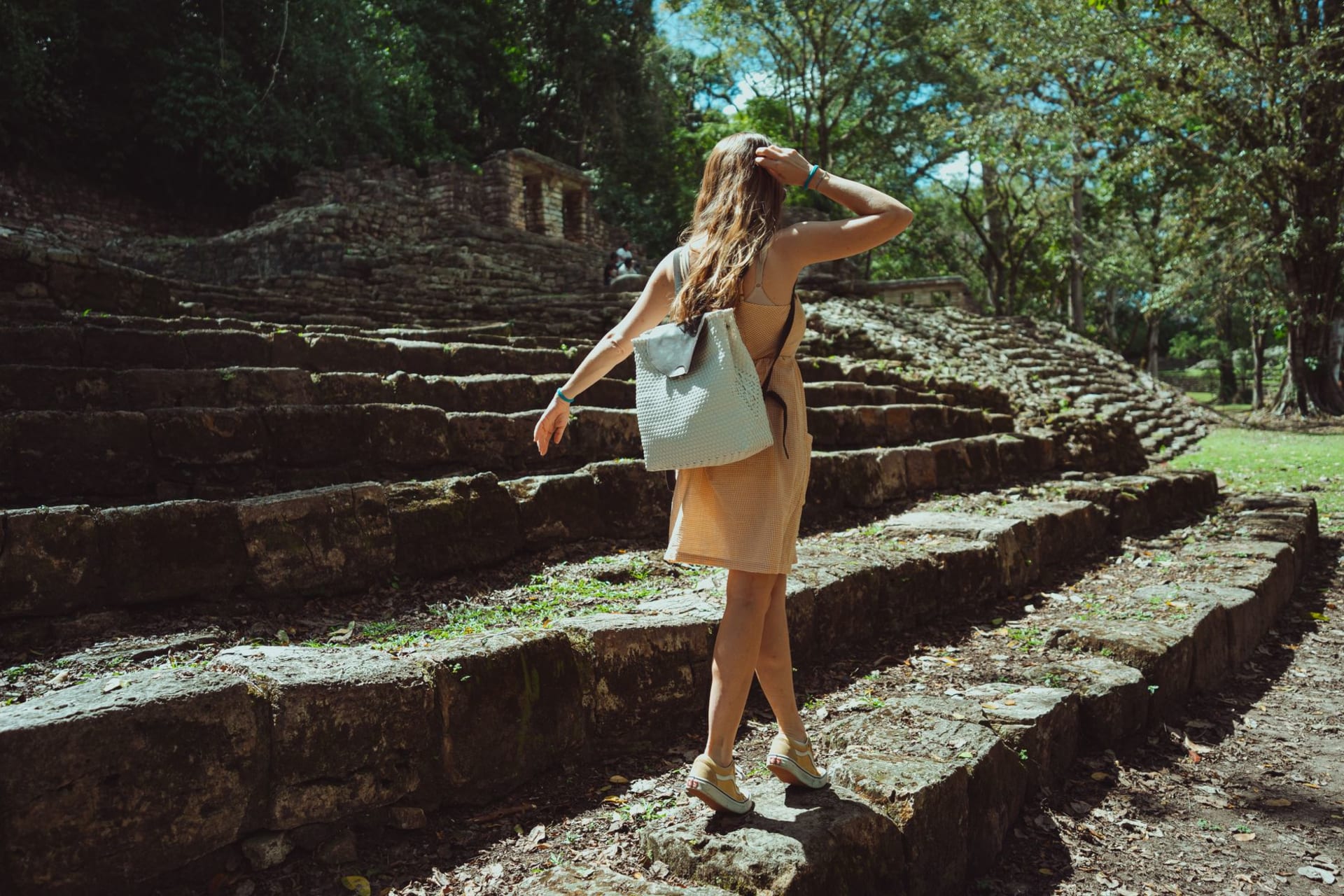
Tonina
"Standing at the top of Toniná with nobody else around, the valley spreading out below — this is what it must have felt like to mean something to people who feared you."
A Maya acropolis of seven terraced platforms rising above the Ocosingo valley, Toniná was one of the most militarily aggressive powers of the Classic period — and its architecture still radiates that intent. Fewer visitors make it here than to Palenque, which means you can stand at the summit and actually feel what the scale is asking of you. The site museum holds some of the finest Maya stucco in Mexico.

I took a combi from Ocosingo at seven in the morning, before the heat had settled into anything serious, and arrived at the site when the ticket booth had just opened and the guardian was still drinking his coffee. There were four other visitors. By the time I reached the third platform, I couldn’t see them anymore. That’s the thing about Toniná that nobody warns you about — it’s not just tall, it’s structured to make you feel the height as a form of argument. Every terrace you climb narrows the world below and expands the one you’re ascending toward.
A Pyramid Built for Intimidation
Most Maya sites are built for ceremony. Toniná feels built for conquest. The acropolis rises seventy-five meters above the valley floor across seven terraced platforms, each one more austere than the last, and the carvings you pass on the way up are not scenes of agricultural abundance or celestial calendrics — they are war captives, kneeling, bound, their names erased. The Classic Maya world was not peaceful, and Toniná stopped pretending otherwise. It captured kings from Palenque. It dominated the Ocosingo valley for centuries by simply being visible from every corner of it. I climbed slowly, partly because the steps demand it and partly because I kept stopping to turn around. The valley is extraordinary — flat green pasture stretching to forested ridges, no town visible, no road, just the landscape that these platforms were designed to preside over.

The Museum at the Base
Before or after the climb — I’d recommend after, when you need somewhere cool and quiet — the site museum is worth an hour of serious attention. It houses the Frieze of the Dream Lords, a long stucco panel that survived largely intact and remains one of the most complex iconographic programs in the Maya world: figures representing death, time, the underworld, and sacrifice arranged in a horizontal narrative that takes time to parse. The stucco quality is remarkable. I stood in front of it longer than I’ve stood in front of most things in museums, trying to follow the logic of it. A guard eventually came over, not to move me along, but to point out a detail I’d missed.

The Summit and the Silence
From the seventh platform, the view is unobstructed in every direction. Chiapas highlands, forested ridges, the flat pasture below where cattle graze near the parking area. I was alone up there for about twenty minutes — not because it’s inaccessible, but because midweek in the early morning, almost nobody comes this far. I sat on the stone and ate the tlayuda I’d packed from Ocosingo’s morning market on Avenida Central. The wind was consistent. The silence was the kind that has texture.

Getting There
Ocosingo is the nearest town, about fourteen kilometers from the site. Combis run from the market area from around 6:30 a.m. and cost roughly thirty pesos. Taxis are available if you miss the early combis or prefer a direct return. The site opens at nine; arriving early on a weekday almost guarantees a quiet first hour. There is a small food stand at the entrance but nothing substantial — bring water and something to eat.
Keep exploring
More of Chiapas
Keep exploring
More from Chiapas
 mexico
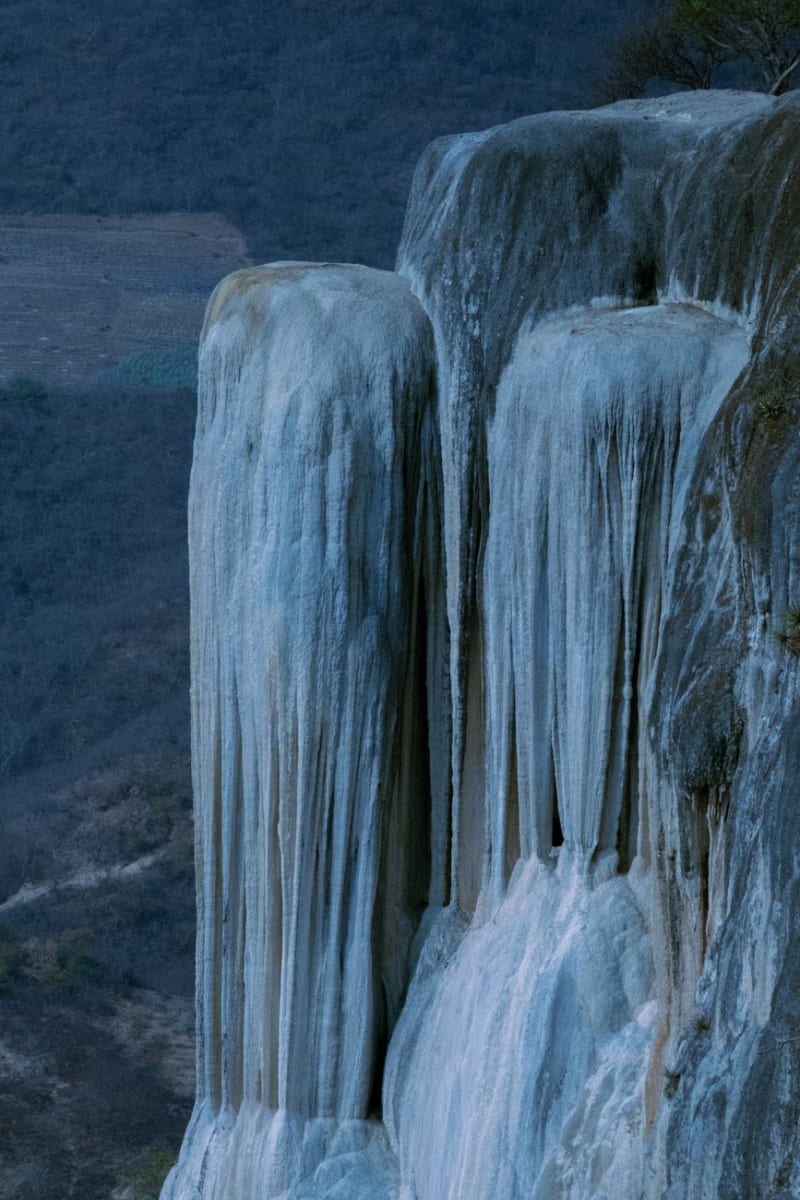
 Agua Azul
A series of turquoise limestone waterfalls cascading through the jungle between Palenque and San Cristóbal — the color is genuinely that blue, not a filter, not an exaggeration, and before 10am the pools are yours almost alone. Lia wanted to leave at 5:30; I wanted to sleep; she was right.
Explore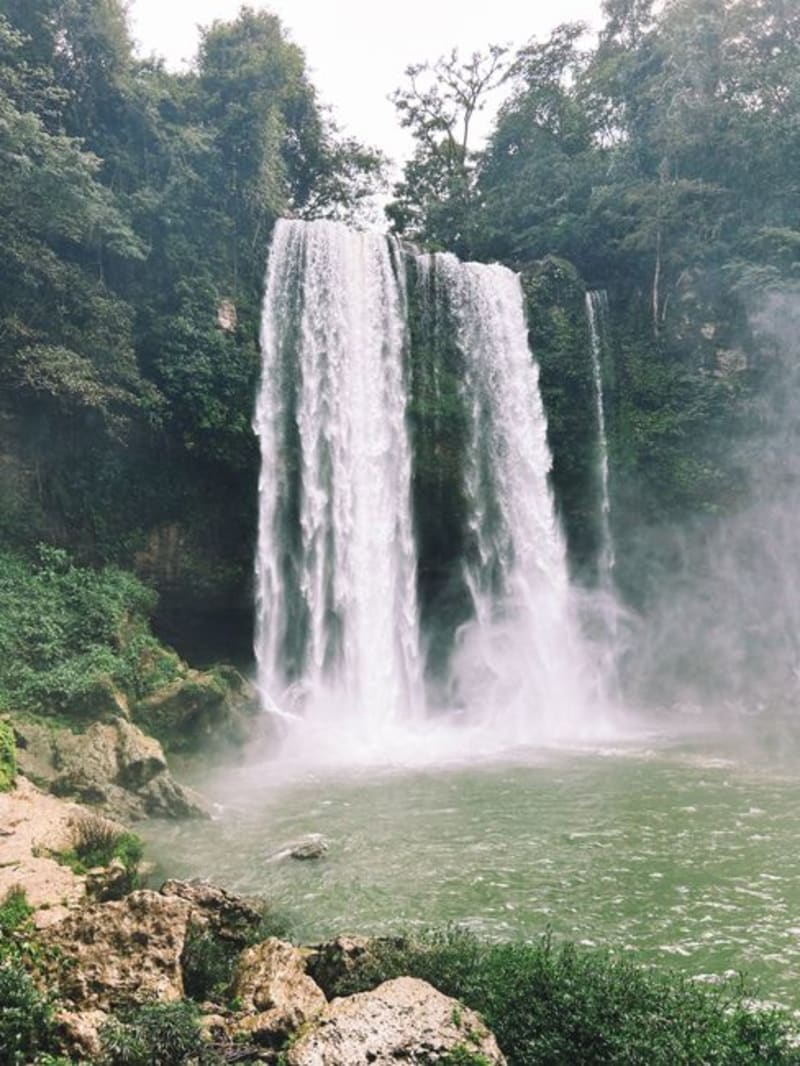 mexico
 Misol-Ha
Misol-Ha is a 35-meter waterfall twenty kilometers from Palenque where a cave cut behind the falls lets you walk inside the curtain of water — a genuinely primal experience in jungle that has not been over-managed. Unlike Agua Azul further down the highway, it stays quiet enough to actually sit with.
Explore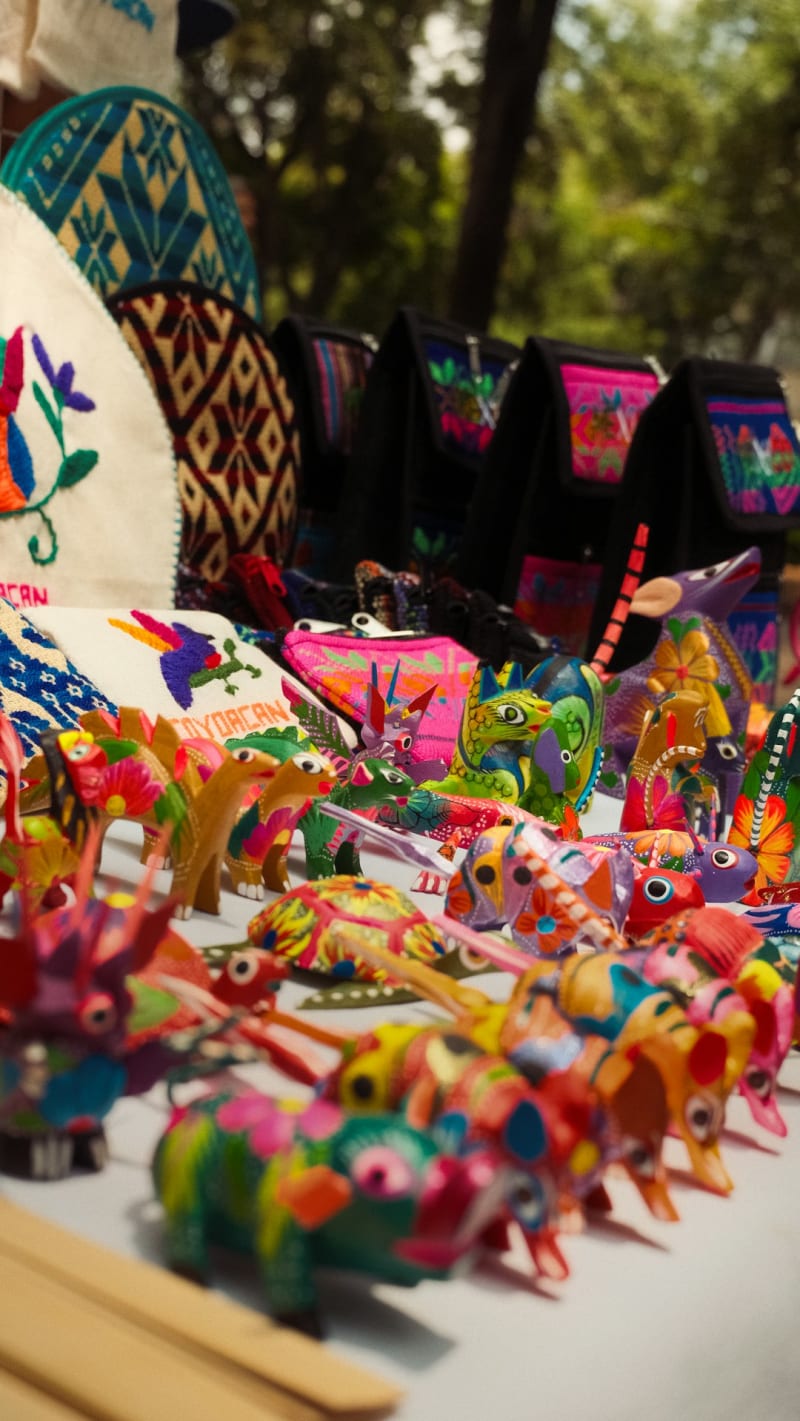 mexico
 Amatenango del Valle
A Tzeltal village on the Pan-American Highway where women have been hand-building pottery without wheels or kilns for centuries. The ceramic animals and water vessels sold along the roadside are made directly in wood fires, and buying one from the hands that shaped it is one of the more honest transactions you can make in Chiapas.
Explore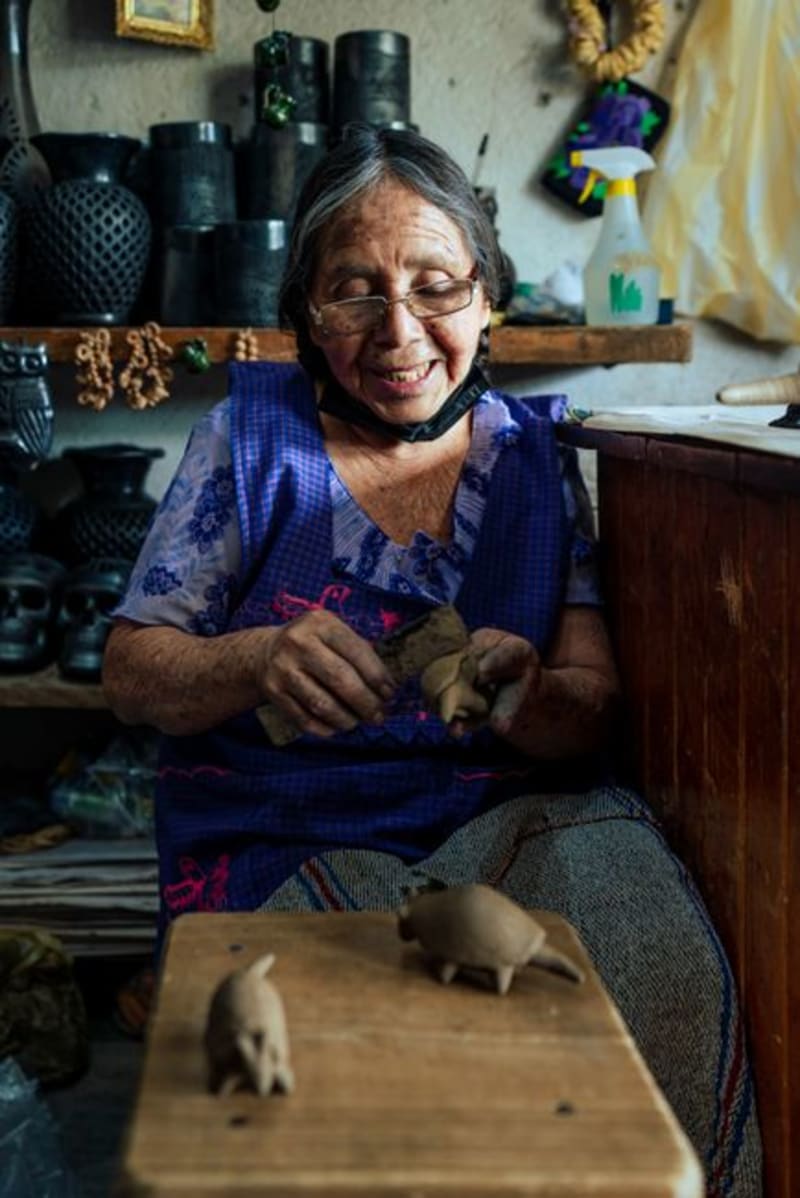 mexico
 Amatenango del Valle
A Tzeltal Maya village on the Pan-American Highway between San Cristóbal and Comitán where women have been shaping and firing clay by hand for over a thousand years. Every home doubles as a workshop, and the pottery — animals, vessels, figurines — is fired in open wood fires rather than kilns, giving each piece a warm, slightly rough surface you won't find anywhere else.
Explore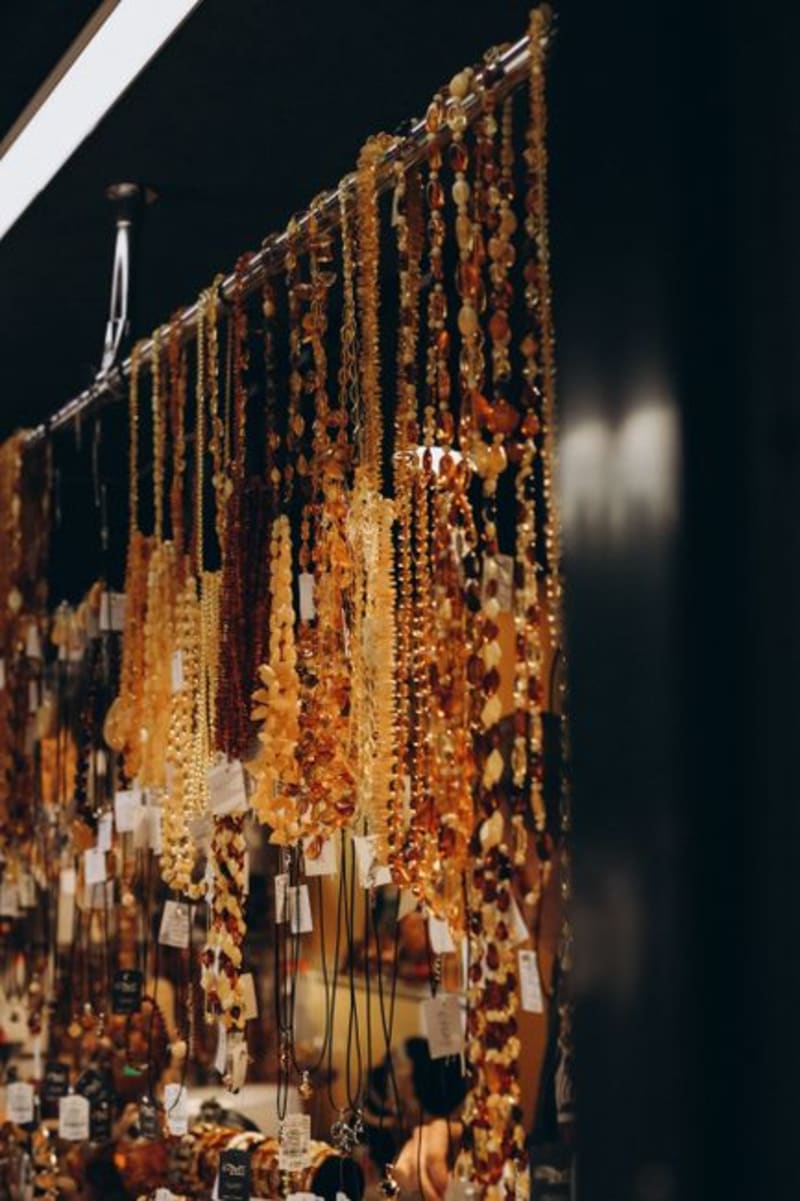 mexico
 Simojovel
A remote highland town in northern Chiapas built atop one of the world's richest amber deposits, where artisans shape 25-million-year-old resin into jewelry in back-street workshops and sell direct, no tour operator required. The drive up from the Grijalva valley is reason enough to come.
Explore mexico
 San Cristóbal de las Casas
A highland colonial town wrapped in indigenous culture, cloud-forest mist, and the best coffee in Mexico. Chiapas at its most concentrated.
Explore