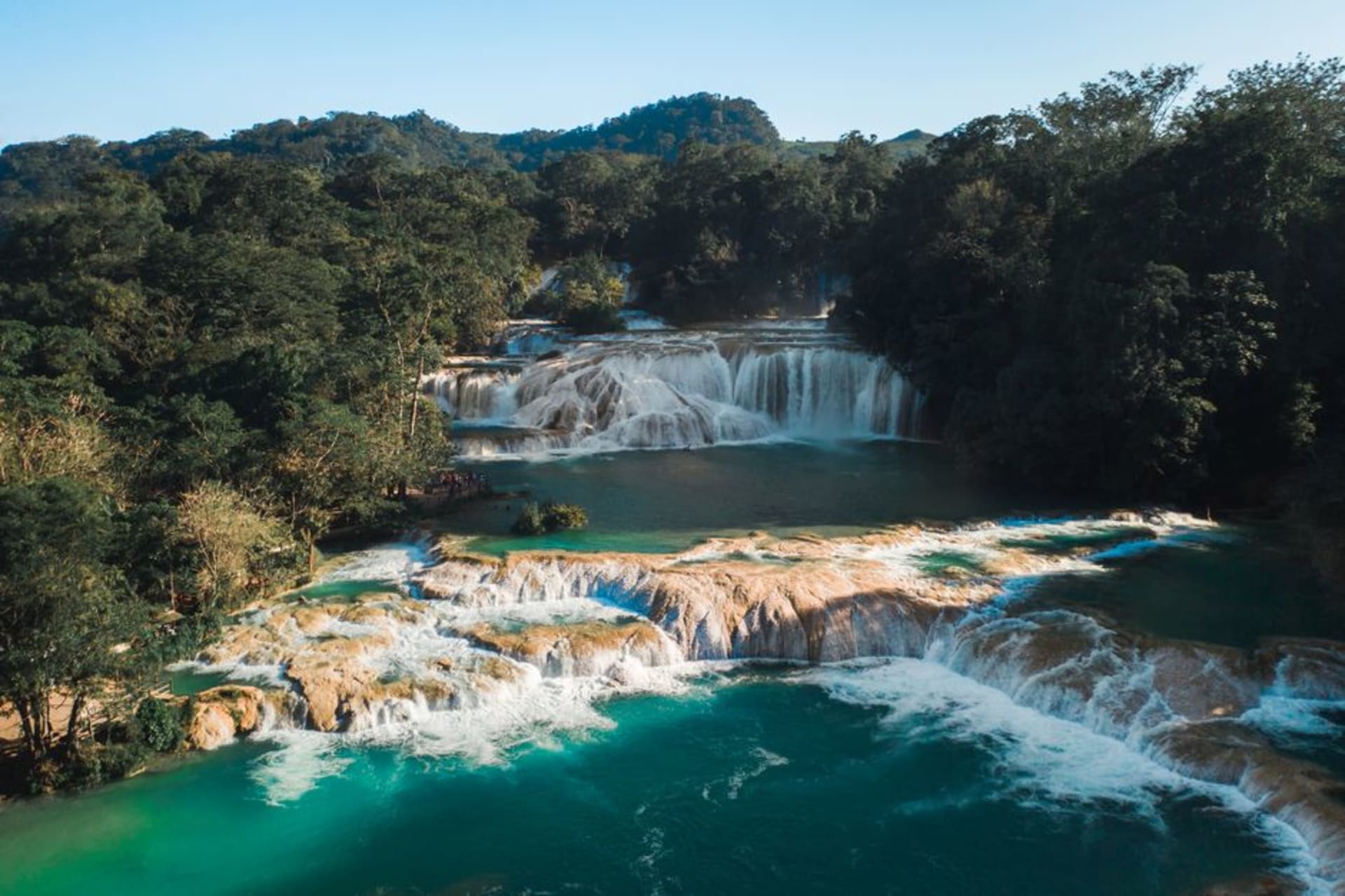
El Chiflón
"El Chiflón hits you like something out of a dream sequence — except the water is genuinely that color and genuinely falling from that height."
El Chiflón is a series of waterfalls on the Río Santo Domingo outside Comitán, culminating in Velo de Novia — a 120-meter cascade that drops into a pool so turquoise it looks edited. The trail is manageable, the crowds are not Agua Azul levels, and the swimming, in the right month, is cold enough to make you feel aggressively alive and wet enough to regret not packing a dry bag.

I took a colectivo from Comitán at half past seven, still eating a tamal I had bought from a woman outside the market on Avenida Central. The driver had norteño on at a volume suggesting he was trying to communicate with the next valley. By nine I was standing at the entrance to El Chiflón, reading a sign that organized the waterfalls by name — Ala de Ángel, Quetzal, Enamorada, Arco Iris — and thinking that Mexicans have a particular gift for naming beautiful things. Then I heard the roar of Velo de Novia before I saw it, and that established the appropriate order of priorities.
The Cascade and Its Mist
The trail climbs through riparian forest along the Río Santo Domingo, a river the color of malachite. You pass four smaller cascades on the way up — each worth pausing at, each clearly a warm-up act. Velo de Novia arrives from around a bend and there is a half-second where the brain refuses to process the scale. A hundred and twenty meters of white water falling in a continuous veil, landing in a pool that is some specific turquoise-green I do not have an exact word for in French or Spanish. People were standing at the railings with their phones raised and their mouths open, which is a reasonable response.
What I had not expected was the mist. It carries fifty meters up the path, coating everything — the camera lens, your shirt, your earlier confidence about not needing dry clothes. In the dry season, roughly November through April, the pool at the base is swimmable. It is cold in the way that makes you feel aggressively alive for about four minutes before you climb out. I went in anyway. I do not regret this. I regret only that I then had to sit in wet clothes on the colectivo back to Comitán for an hour.

Comitán, the Day Before
Comitán de Domínguez is the obvious base and a legitimate reason to spend a night rather than treating El Chiflón as a commute from San Cristóbal. The colonial center is quieter than San Cristóbal — a wide zócalo, a decent coffee shop or two on the streets behind the cathedral, and a covered market where I ate pepita con tasajo the afternoon I arrived. The market sits on Avenida Central Poniente and opens early enough to grab something before a morning departure.
Doing the waterfalls on a weekday makes a difference. The trail is narrow in places and the viewing platforms at Velo de Novia can bottleneck around midday on weekends. I arrived early on a Thursday and had the upper viewing area to myself for nearly twenty minutes — long enough to take photographs without strangers’ elbows in them, and long enough to simply stand there and let the scale of it settle in properly.

A Few Things Worth Knowing
Bring dry clothes and put them in a dry bag if you intend to swim. This is the one piece of advice that would have substantially improved my afternoon. The entrance fee is modest and there is a changing area near the base pool, but that is cold comfort when you are sitting on a hot bus in a wet shirt for forty-five minutes.
The food stalls at the entrance sell pozol — cold, slightly sour, made with cacao — which is exactly what you want after the climb back down. Start the trail before ten if you can: the morning light hits the mist around Velo de Novia at an angle that explains every photograph you have ever seen of the place. By midday the light is overhead and flat and the magic compresses considerably.

Getting There
From Comitán, colectivos toward El Chiflón depart from pickup points near the south side of the central market. The ride is roughly an hour. Taxis will negotiate a round-trip fare with waiting time included, which is worth considering if you are traveling with someone and want flexibility on timing. The site is open daily; arriving before ten puts you ahead of the midday crowds and catches the best light on the falls.
Keep exploring
More of Chiapas
Keep exploring
More from Chiapas
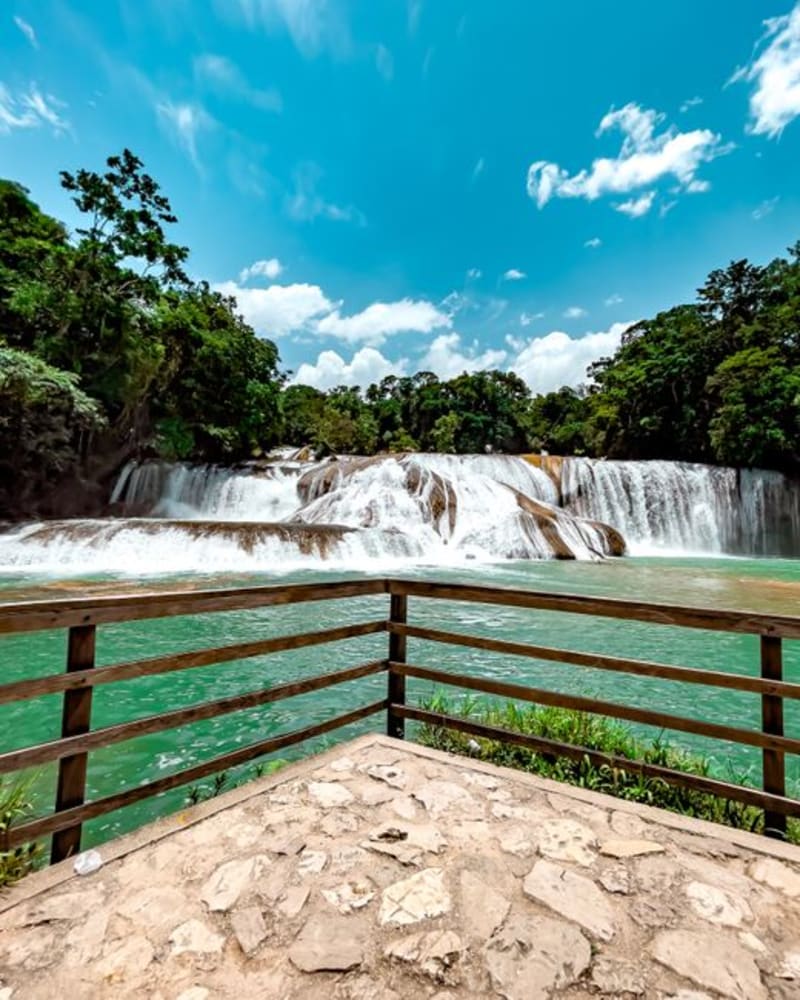 mexico
 Las Nubes
Las Nubes is a series of waterfalls and jade-green rapids on the Jatate River in the Lacandon jungle, where the current channels through narrow limestone corridors into pools of improbable clarity. The site is managed by the Ejido Nuevo San Gregorio community, and the entrance fee goes directly to the people who protect it — a detail worth understanding before you arrive.
Explore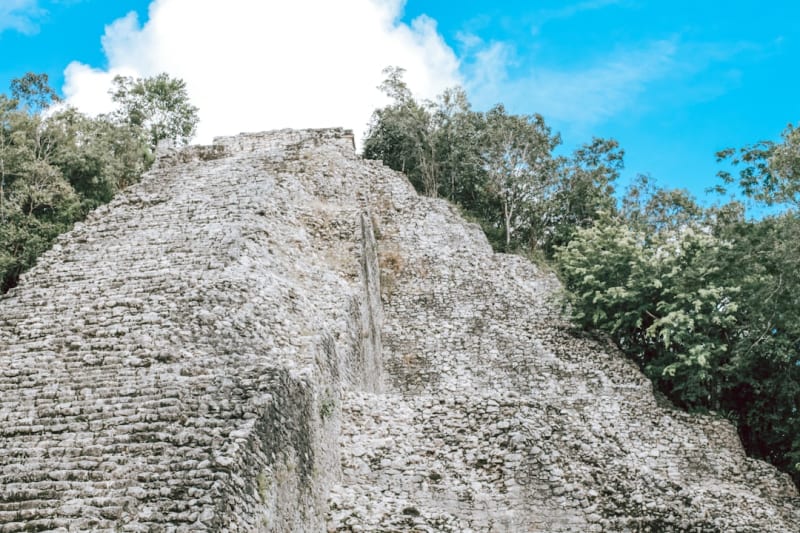 mexico
 Yaxchilán
A Maya city on the Usumacinta river accessible only by boat through the Lacandon jungle, where howler monkeys occupy the temples, the carved stone lintels are the finest narrative sculpture in the Maya world, and the river forms the border with Guatemala.
Explore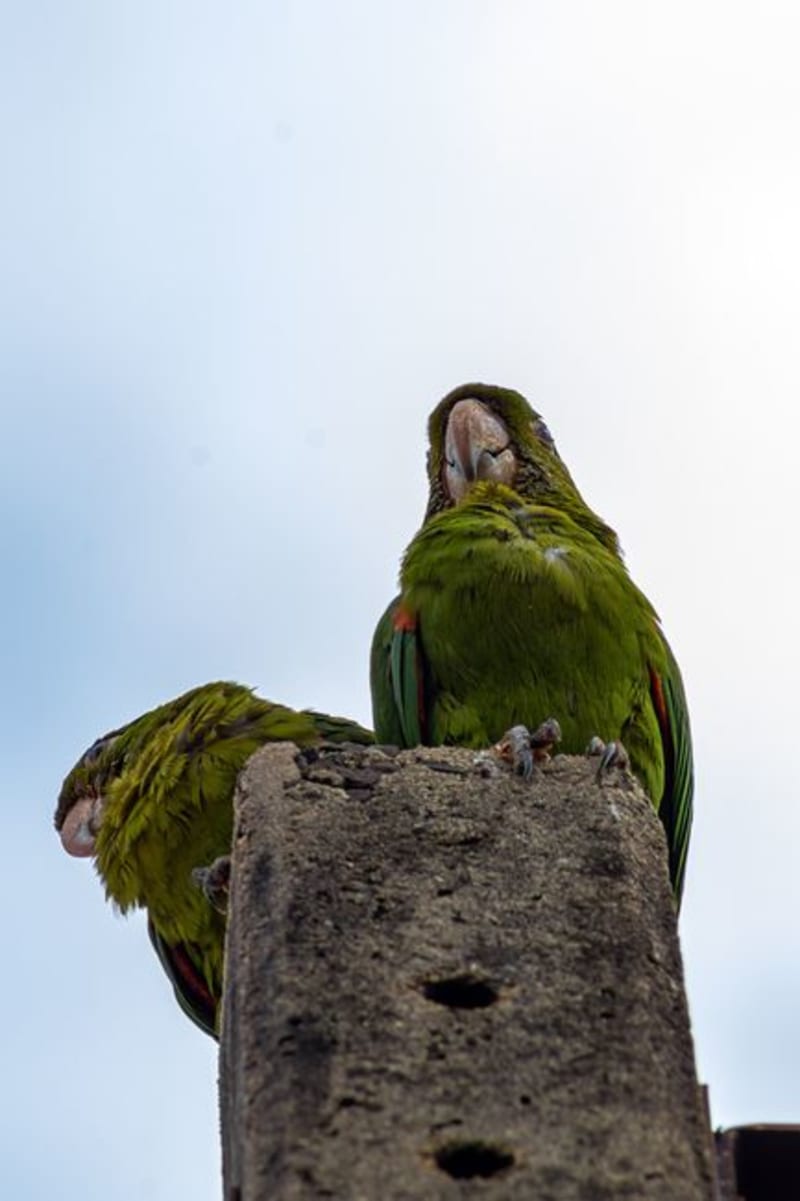 mexico
 Sima de las Cotorras
A 160-meter sinkhole punched into the Chiapas jungle that doubles as one of Mexico's largest parakeet roosts — every morning at dawn, thousands of green birds spiral out of the dark in a formation the brain takes a full minute to accept as real.
Explore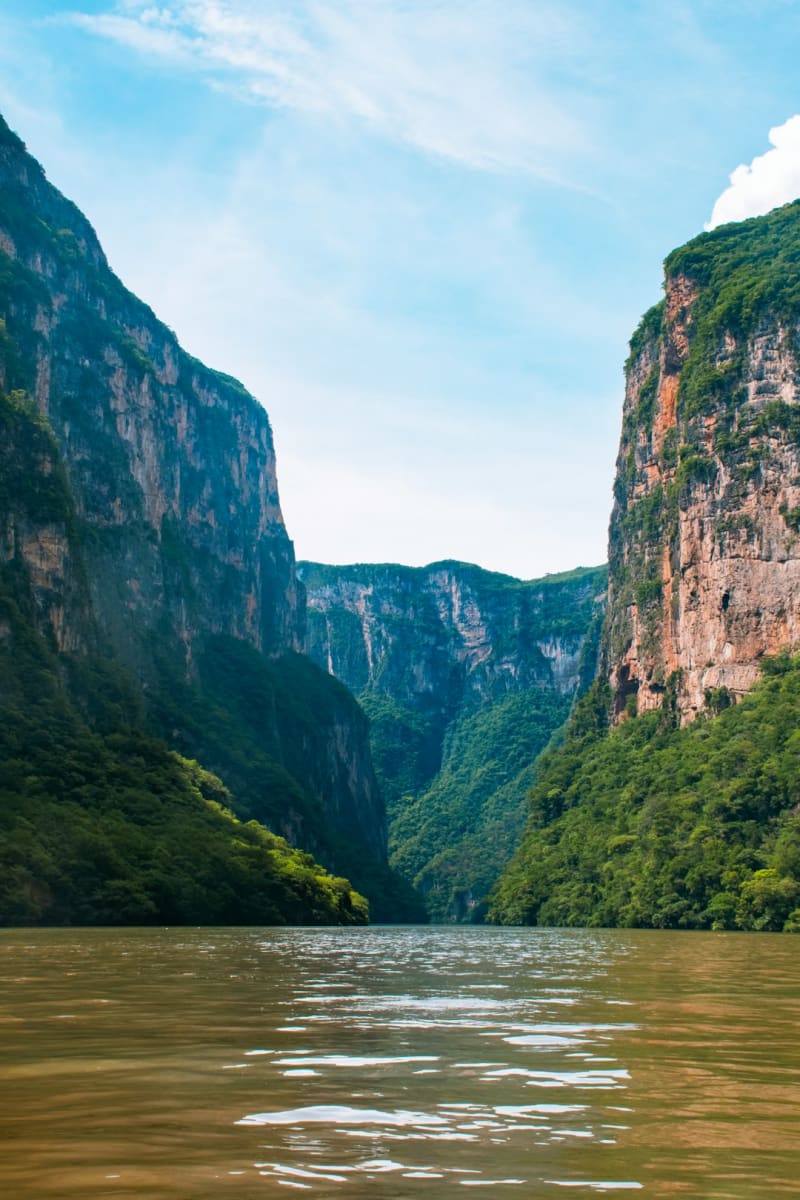 mexico
 Berriozábal
Twenty minutes from Tuxtla Gutiérrez, Berriozábal sits at a useful distance from everything — close enough to reach without planning, far enough that nobody has tried to ruin it yet. The El Aguacero waterfall drops forty meters into a Grijalva canyon that turns geological time into something you can stand in front of. The town grows pineapples and goes about its business with admirable disinterest in being discovered.
Explore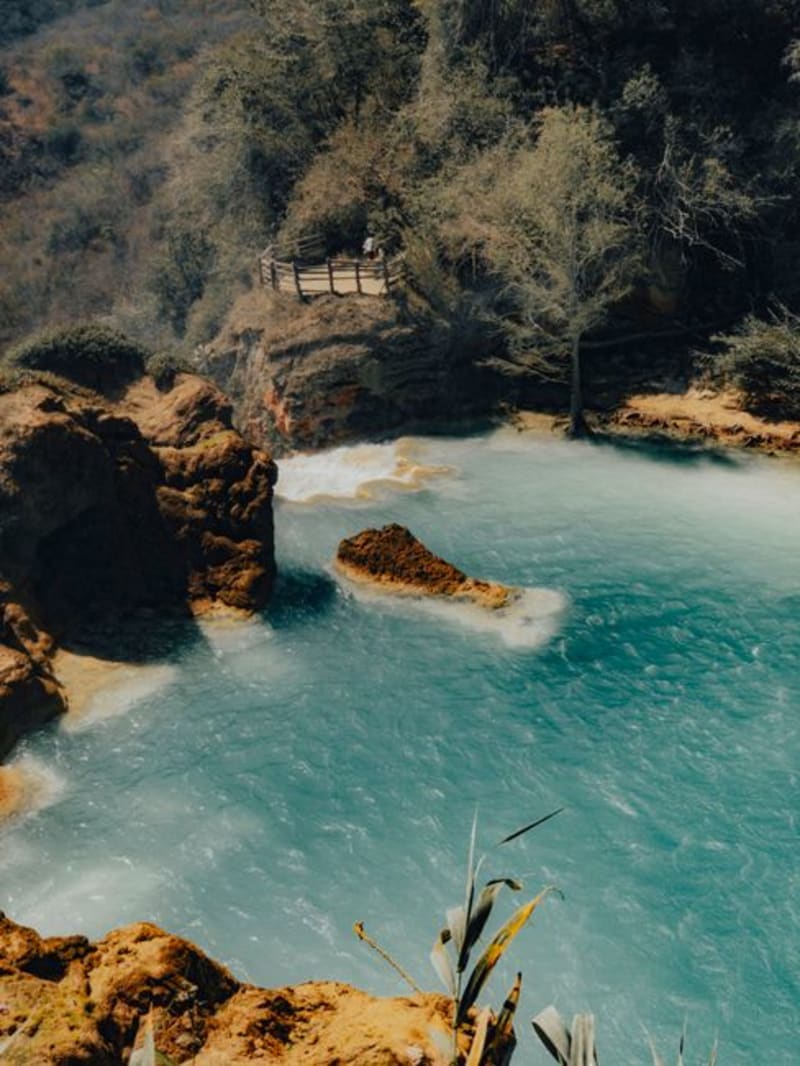 mexico
 Berriozábal
A short drive from Tuxtla Gutiérrez, Berriozábal is built around El Aguacero, a limestone springs complex where cold clear rivers pool beneath tropical forest and families from the city come to eat tamales on the bank and let the afternoon dissolve. It is not organized for tourists, which is precisely what makes it worth the trip.
Explore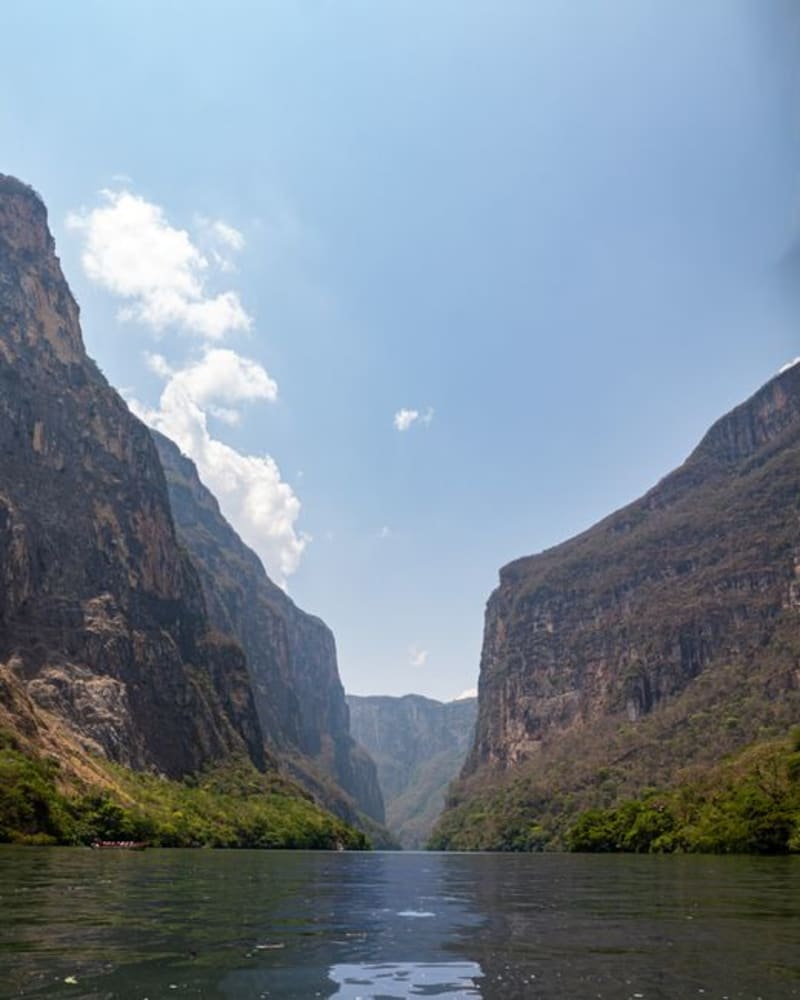 mexico
 Rayón
In the northern highlands of Chiapas, the Río La Venta has spent millions of years carving the Rayón canyon through Zoque limestone — a gorge so deep that from the rim you cannot see the water below. The Zoque communities along the edge keep their own festivals, their own agricultural rhythms, and largely their own counsel.
Explore