Berriozábal
"There were children jumping off a rock ledge into the pool while their grandmother set up a lunch of tamales on the bank — it was a better afternoon than anything I had planned."
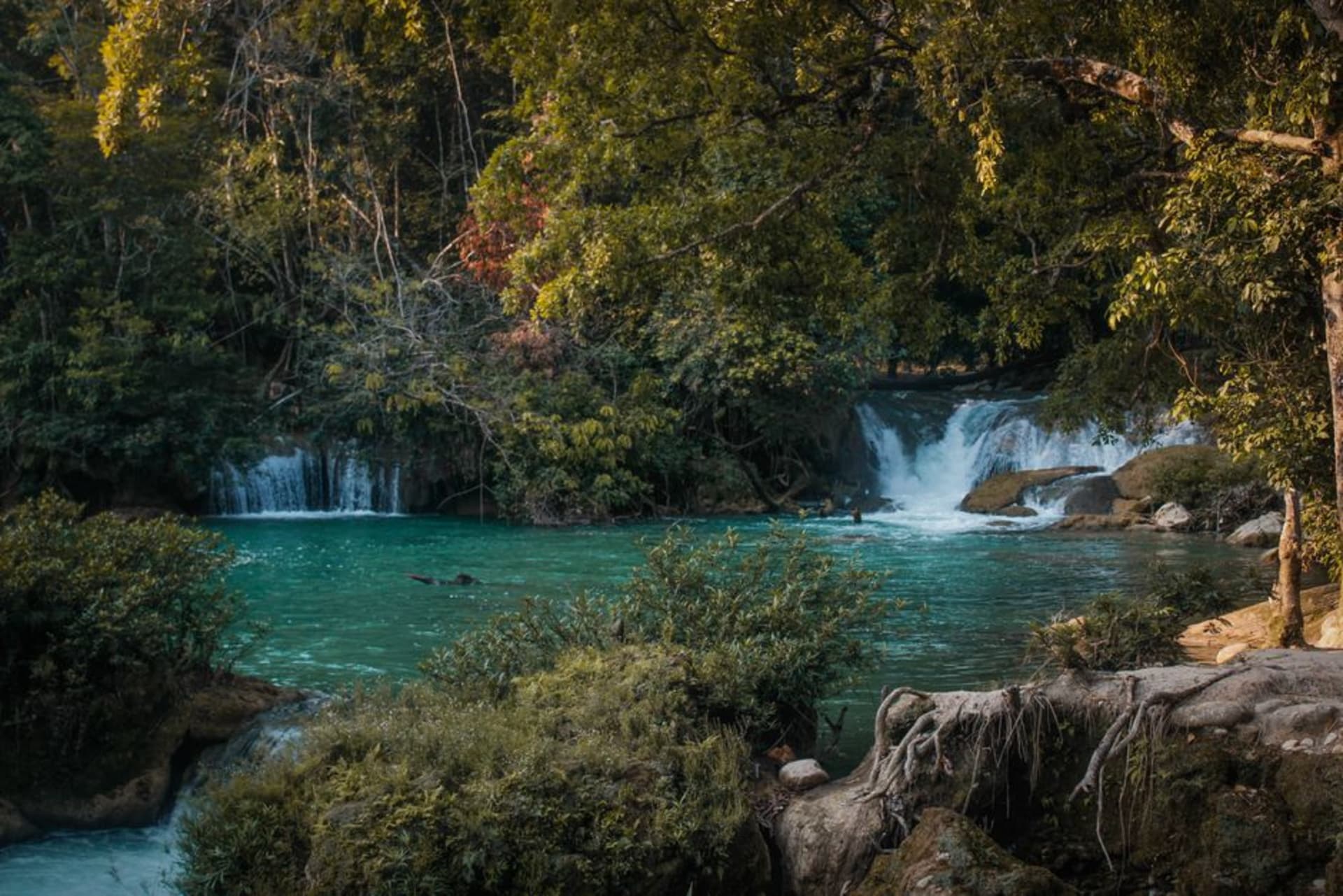
A short drive from Tuxtla Gutiérrez, Berriozábal is built around El Aguacero, a limestone springs complex where cold clear rivers pool beneath tropical forest and families from the city come to eat tamales on the bank and let the afternoon dissolve. It is not organized for tourists, which is precisely what makes it worth the trip.

I had come to Berriozábal by accident, more or less. A colectivo driver in Tuxtla had mentioned El Aguacero the way locals mention things they assume you already know about — offhandedly, as if not going would be a personal failure. I had nothing else planned for that Tuesday. Forty minutes later I was paying a man at a wooden booth forty pesos to enter what turned out to be one of the more quietly spectacular places I have encountered in Chiapas. The forest closed in fast and the sound of moving water arrived before I could see any of it.
El Aguacero and the Springs
The springs emerge from the limestone with no ceremony, just cold water pressing up through rock into a series of pools linked by short cascades. El Aguacero is the main attraction and the word complex overstates it — there is a path, there are the pools, and there is the river threading through tropical forest. That is essentially everything. On the Tuesday I arrived, a dozen families had staked out spots along the bank: coolers, folding chairs, a portable speaker playing norteño at a reasonable volume. Children were launching themselves off a flat rock ledge into the deepest pool while their parents watched with the mild attention of people who have seen this many times. I found a ledge upstream and sat in the current for an hour, watching a small waterfall work at a mossy boulder. The water was cold enough to be genuinely shocking in the best way, the kind of cold that reorganizes your afternoon priorities entirely.

Eating on the Bank
Nobody eats in a restaurant at El Aguacero because nobody needs to. The local approach is to bring everything — chipilín tamales wrapped in banana leaf, fried plantains, sodas in glass bottles kept cold in the river. A woman near the main pool was selling esquites from a pot balanced on a small gas burner, the kernels in a plastic cup with lime and chile piquín, and I ate two portions standing in the shallows because there was nowhere better to be. The thing nobody tells you about these family swimming spots in Chiapas is that the food is almost always better than whatever you would find in a restaurant nearby, and the atmosphere is easier. You sit where there is space, someone passes you a tortilla, and that is more or less how it goes.

The Town
Berriozábal itself is a calm market town with a central plaza and a Sunday tianguis that draws vendors from the surrounding hills selling vegetables, dried chiles, and handmade goods at prices aimed at residents rather than visitors. I walked through it briefly on my way back to catch transport — the iglesia on the plaza, a comedor serving caldo de res, a hardware store doing brisk business. It is not a destination town and it does not pretend to be, which I found refreshing.

Getting There
From Tuxtla Gutiérrez, take a colectivo from the Mercado Díaz Ordaz heading toward Berriozábal — the ride runs about forty minutes and costs around twenty pesos. From the town center, El Aguacero is a short taxi or moto-taxi ride. Go on a weekday if you want the pools quieter; weekends fill fast with families from Tuxtla and that is equally fine, just louder.
Keep exploring
More of Chiapas
Keep exploring
More from Chiapas
 mexico
 Berriozábal
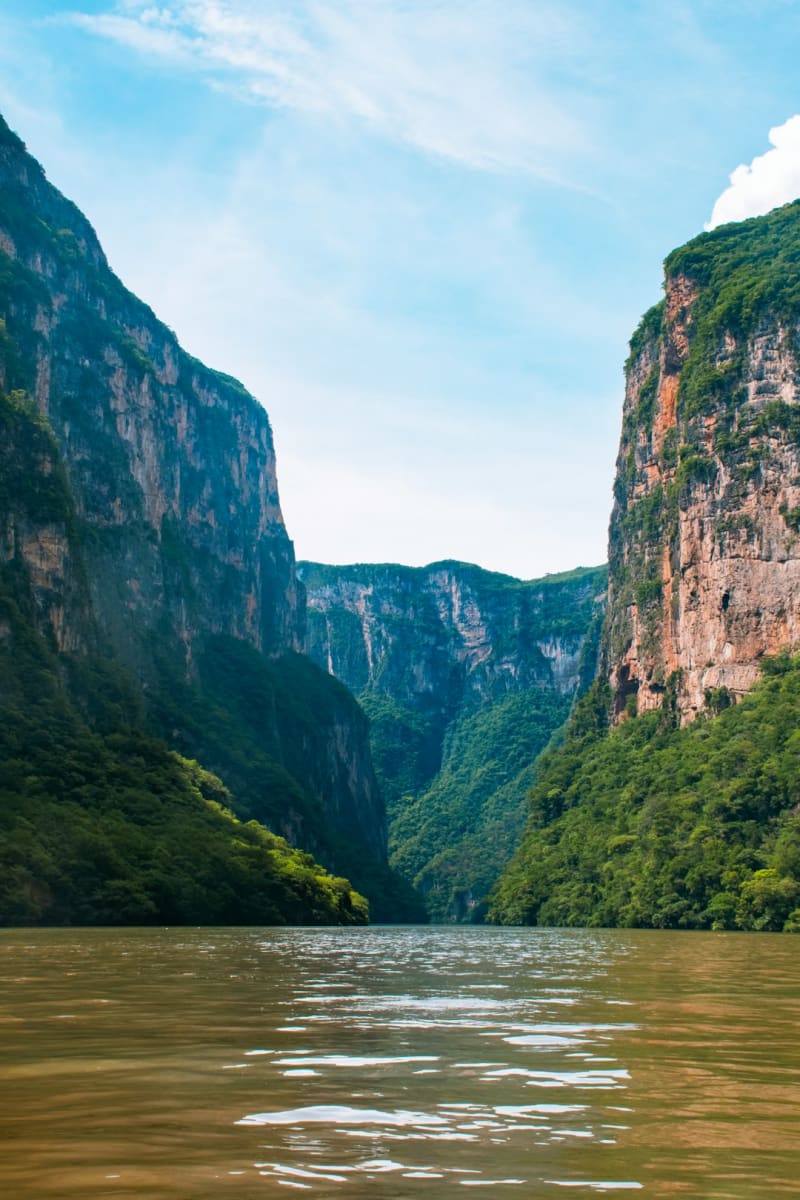
Twenty minutes from Tuxtla Gutiérrez, Berriozábal sits at a useful distance from everything — close enough to reach without planning, far enough that nobody has tried to ruin it yet. The El Aguacero waterfall drops forty meters into a Grijalva canyon that turns geological time into something you can stand in front of. The town grows pineapples and goes about its business with admirable disinterest in being discovered.
Explore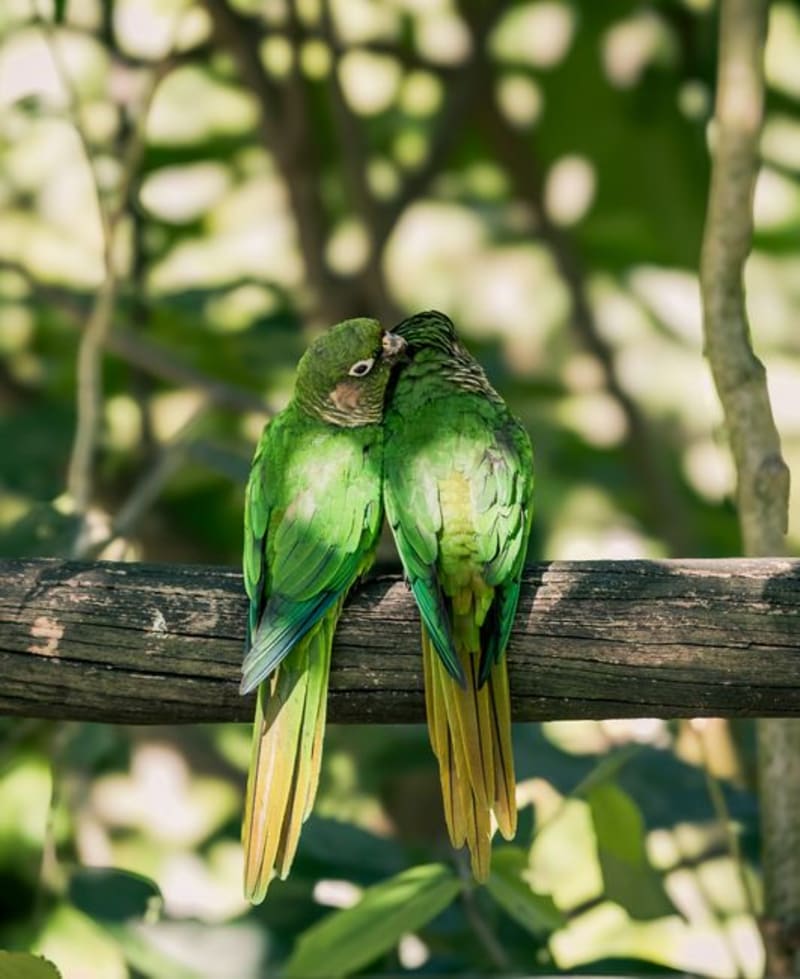 mexico
 Ocozocoautla
Just west of Tuxtla Gutiérrez, Ocozocoautla sits at the edge of a karst landscape riddled with caves and sinkholes — most famously the Sima de las Cotorras, where tens of thousands of green parakeets spiral out of a collapsed pit every morning at dawn. The town itself is unhurried, with a market square that moves at its own speed and a regional museum that quietly holds evidence of human occupation stretching back millennia.
Explore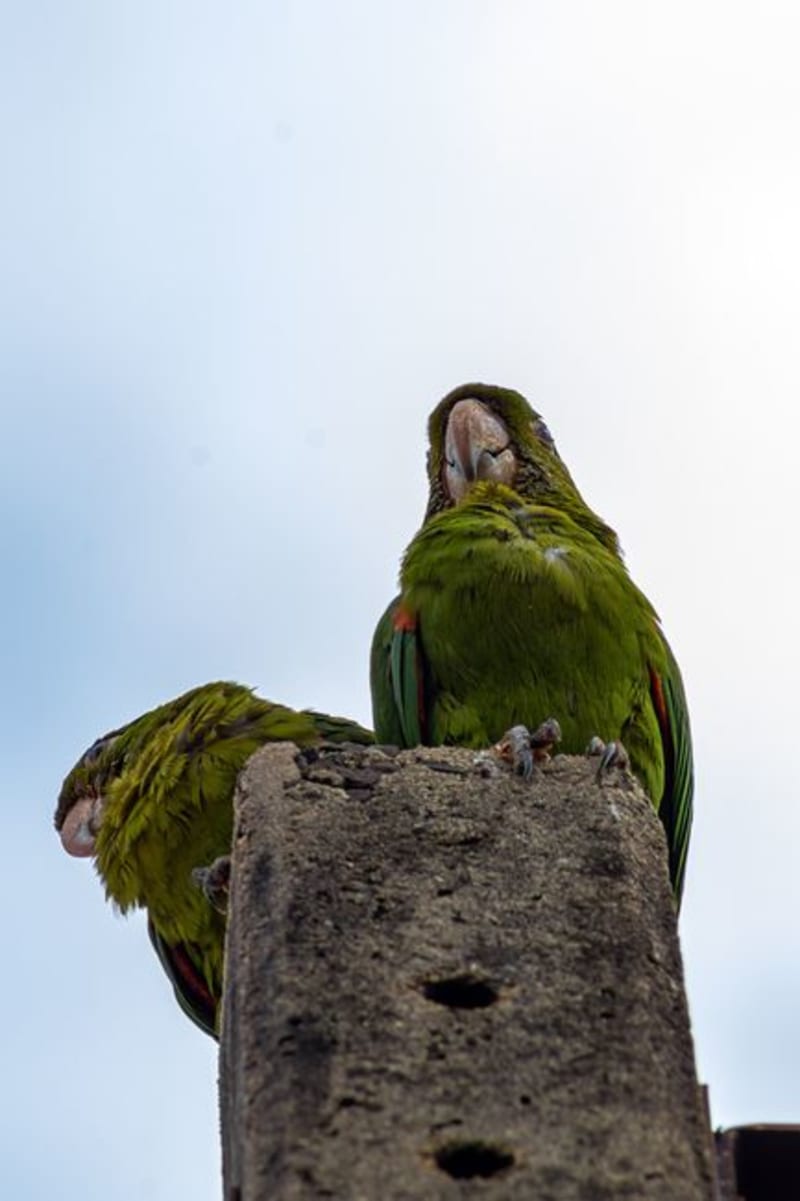 mexico
 Sima de las Cotorras
A 160-meter sinkhole punched into the Chiapas jungle that doubles as one of Mexico's largest parakeet roosts — every morning at dawn, thousands of green birds spiral out of the dark in a formation the brain takes a full minute to accept as real.
Explore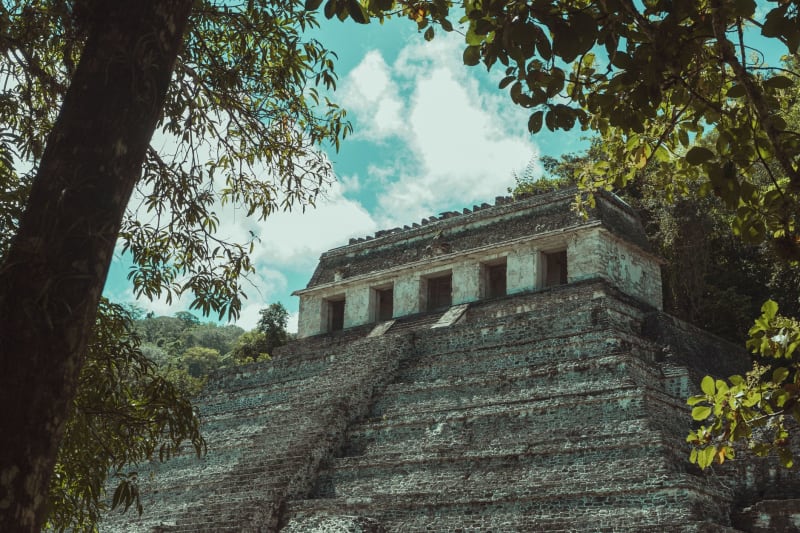 mexico
 Bonampak
A small Chiapas Maya city whose three painted rooms — discovered in 1946 by a Lacandon Maya guide and a photographer — changed everything scholars thought they knew about the Maya, revealing a civilization of warfare, blood sacrifice, and political violence that the stone monuments had been successfully obscuring.
Explore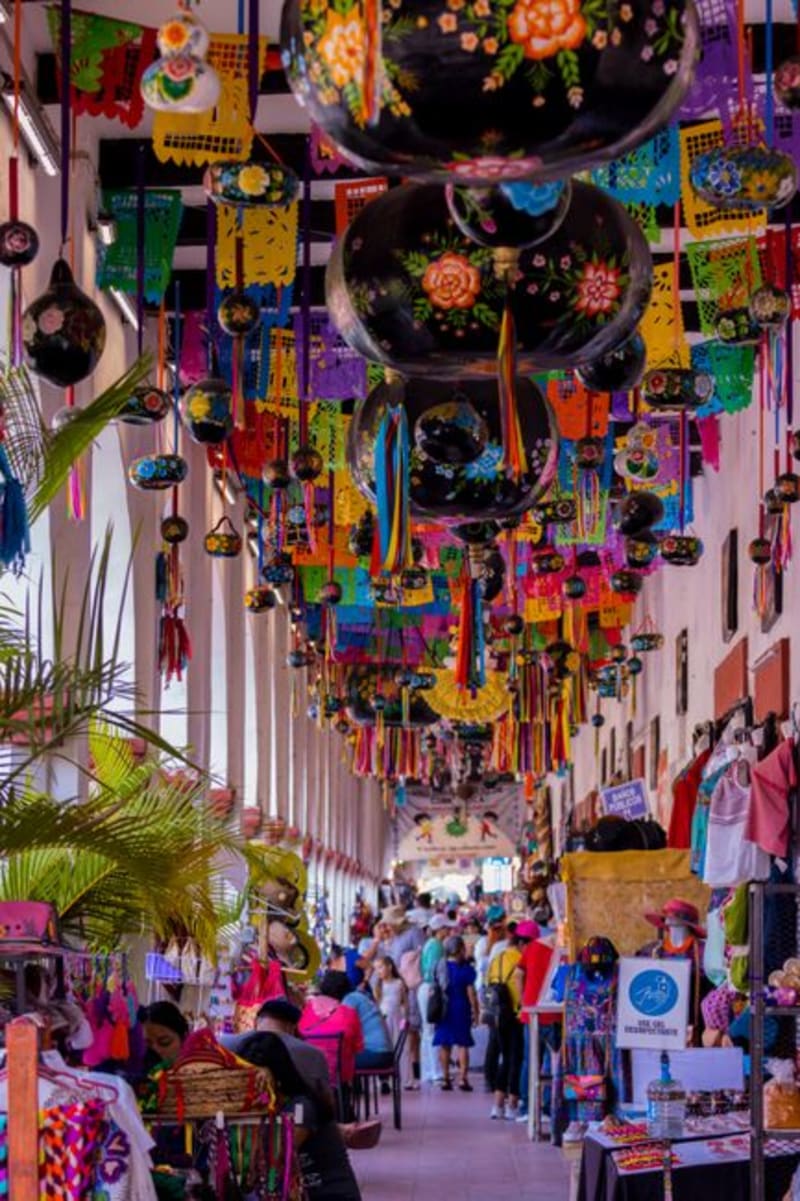 mexico
 Tuxtla Gutiérrez
The capital of Chiapas gets skipped in favor of San Cristóbal and Palenque, which is understandable but slightly unfair. Tuxtla has ZOOMAT, one of Mexico's finest regional wildlife parks, a marimba tradition that fills the Parque Central on weekend evenings, and a functional, unselfconscious Mexican city life the colonial towns simply cannot offer.
Explore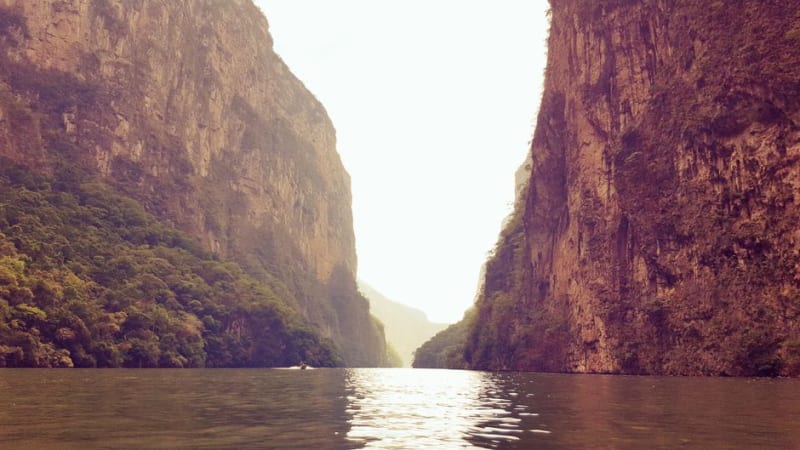 mexico
 Cañón del Sumidero
A 1,000-meter-deep canyon cut by the Grijalva River through the Chiapas highlands — vertical walls rising from a boat-level river where crocodiles sun on the banks and waterfalls pour from a thousand meters overhead.
Explore