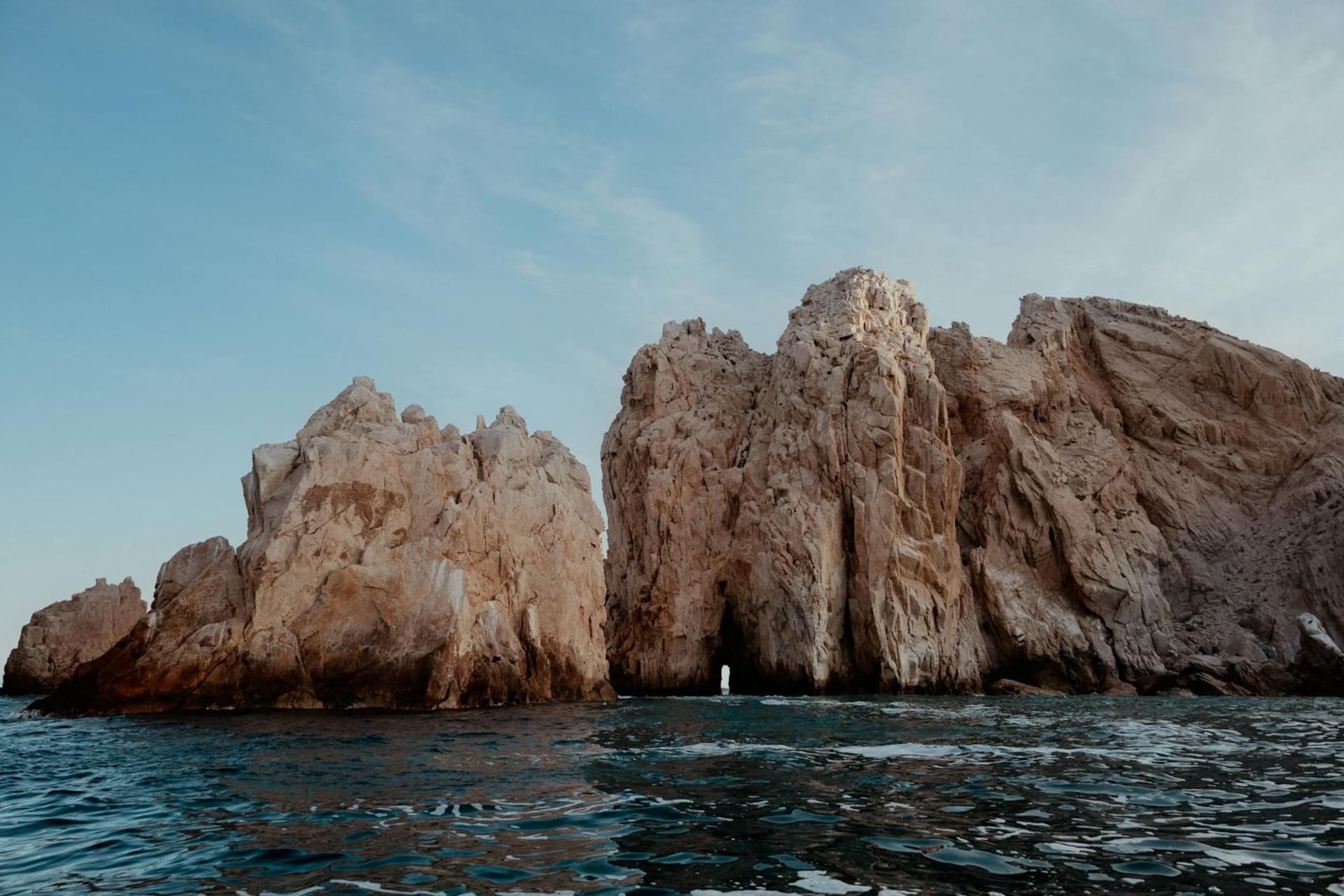
Baja California Sur
"Jacques Cousteau called the Sea of Cortez 'the world's aquarium.' The sea lions at Los Islotes will swim with you. The gray whales at San Ignacio will approach the boat. The peninsula earns the description."
Baja California Sur occupies the lower half of the Baja California Peninsula — a 1,200-kilometer finger of land that extends south from the US border into the Pacific, flanked by the open ocean on the west and the Sea of Cortez (officially the Gulf of California) on the east. The peninsula is geologically young, separated from the Mexican mainland by volcanic rifting that began 12 million years ago and is still ongoing — the same process that created the San Andreas Fault in California.
The Sea of Cortez side of the state is where most of the life concentrates: the protected waters of the gulf, warmed by the shallower depth and the Mexican mainland’s geography, support the highest marine biodiversity in the North Pacific. Los Islotes near La Paz hosts a colony of 700 California sea lions that swim with snorkelers. The Espíritu Santo archipelago is a UNESCO Biosphere Reserve. The whale shark aggregation off La Paz from October through April draws swimmers from internationally.
The Pacific side has a different character: cold current, big waves, gray whale breeding lagoons. San Ignacio Lagoon (covered separately) is where Pacific gray whales come to breed and calve from December through April, and where the whales have developed the behavior of approaching small boats and presenting their calves to be touched.
Between the coasts: the Sierra de la Laguna mountain range rising to 2,000 meters in the southern peninsula, a UNESCO Biosphere Reserve of pine-oak forest and endemic species; the missions (La Paz, Loreto, San Ignacio) founded by the Jesuits in the 17th and 18th centuries along the only freshwater sources in the desert peninsula; and the Transpeninsular Highway (Federal 1), 1,700 kilometers from Tijuana to Cabo San Lucas, the road that connects the peninsula’s towns and is the spine of the overland traveler’s Baja journey.
Los Cabos — the resort zone at the southern tip combining the towns of San José del Cabo and Cabo San Lucas — is where the high-end resort economy concentrates, the hotels and the sport fishing and the nightlife visible from the Pacific beaches. The rest of Baja California Sur is quieter: colonial Loreto (the first permanent settlement in the Californias), colonial La Paz (state capital, mangoes, sea lions), artists’ Todos Santos (Pacific surf, gallery scene, the Hotel California).
Explore
Places in Baja California Sur
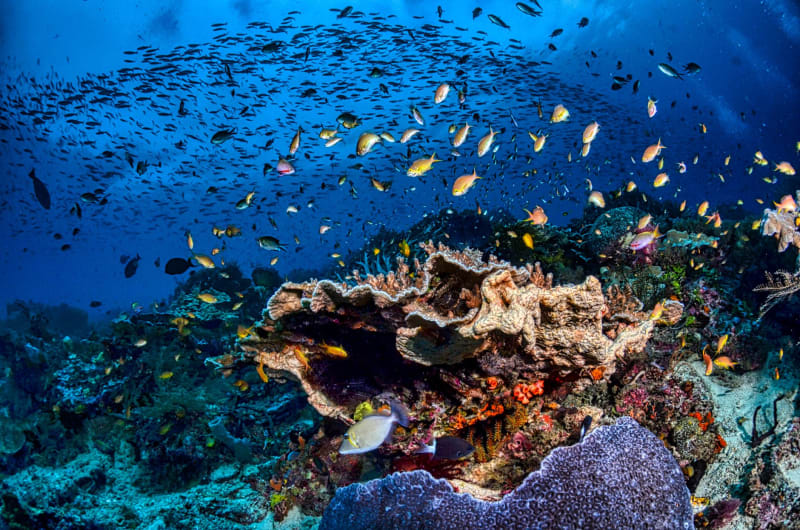
Cabo Pulmo
The only living coral reef on the Pacific coast of North America — a marine national park at the tip of Baja California where a fishing community stopped fishing in 1995, and the ocean responded by producing the highest fish biomass density in the Gulf of California.
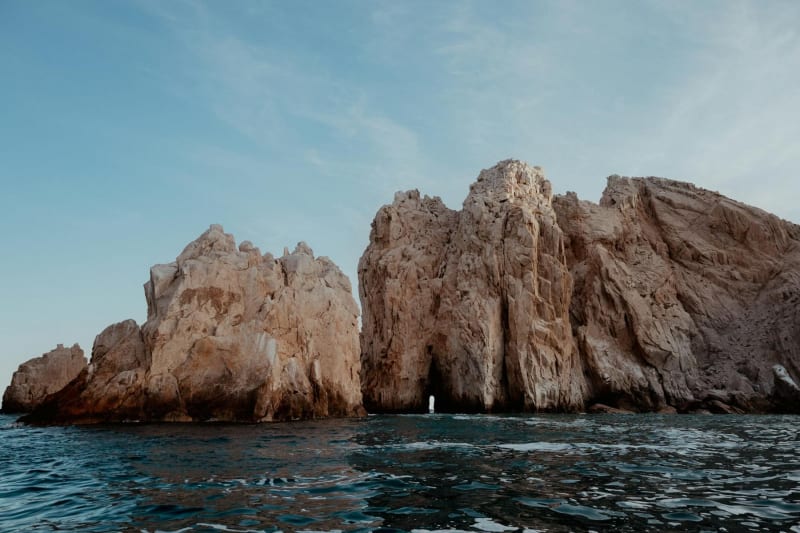
Cabo San Lucas
Where the Pacific meets the Sea of Cortez beneath the iconic stone Arch, Cabo delivers dramatic desert-coast beauty.
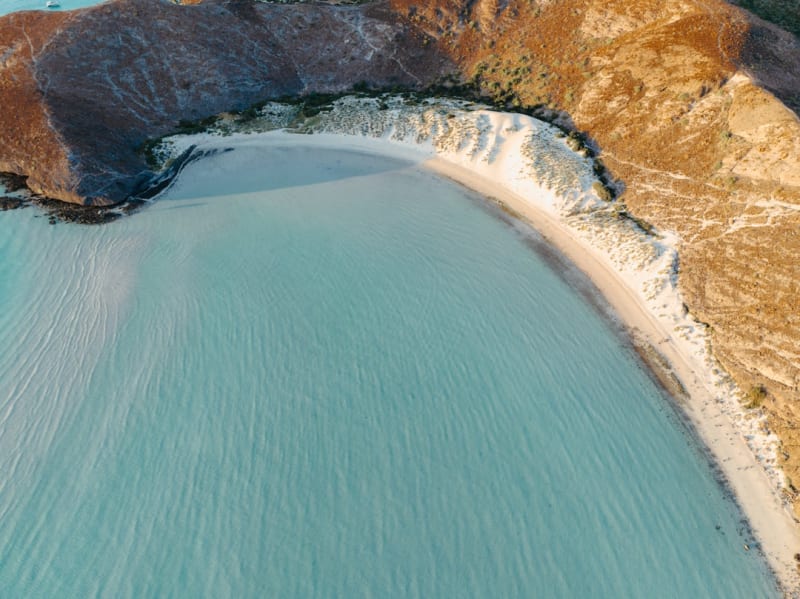
La Paz
The Baja capital on the Sea of Cortés where Jacques Cousteau called the water 'the world's aquarium' — sea lions play with divers at Los Islotes, whale sharks aggregate offshore from November through April, and the malecón serves the best mango in Mexico.

Loreto Baja
A small Baja mission town on the Sea of Cortez where whales breach offshore and the oldest California mission stands.
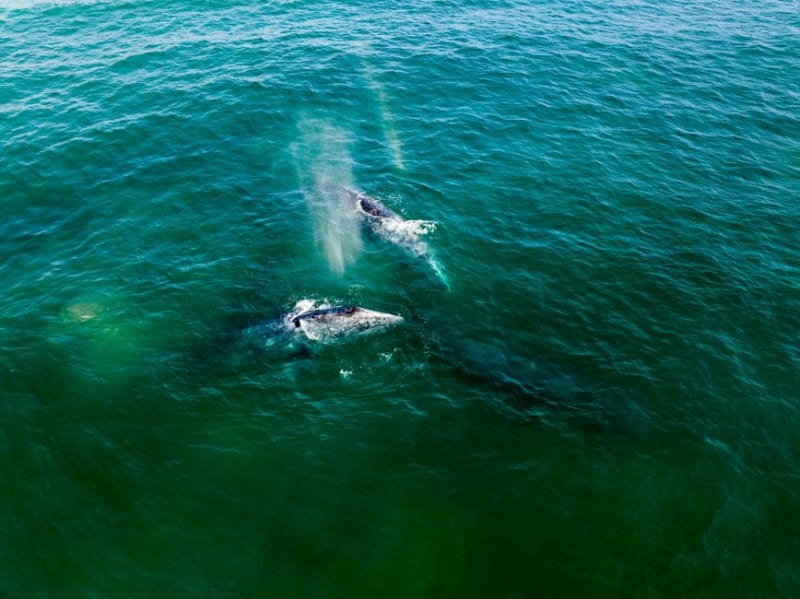
San Ignacio Lagoon
The Baja California lagoon where gray whales come to give birth every winter — the only place on Earth where wild whales regularly approach small boats and allow themselves to be touched.
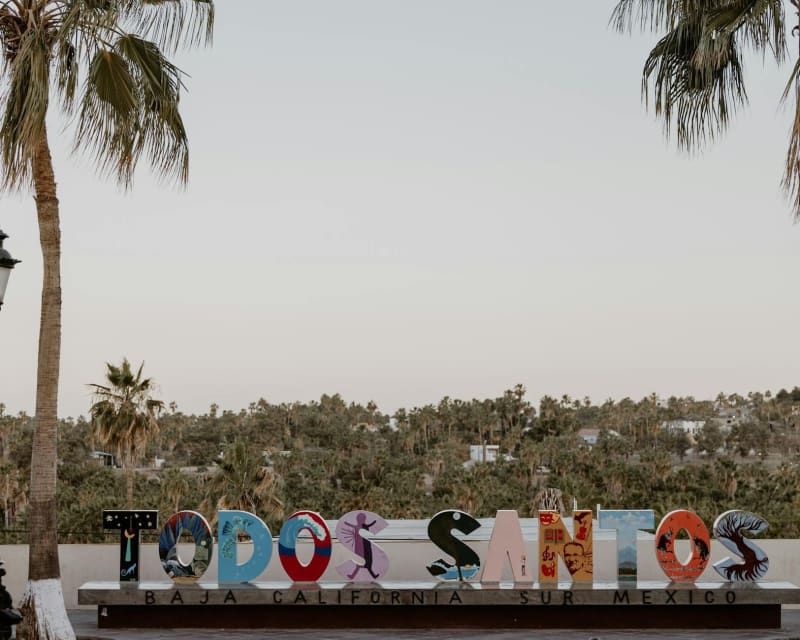
Todos Santos
A bohemian art town on Baja's Pacific side where surfers and painters share the same sleepy main street.