Cabo Pulmo
"The fishing families of Cabo Pulmo stopped fishing. They became dive guides instead. Twenty years later the fish biomass had increased 463%. They were right."
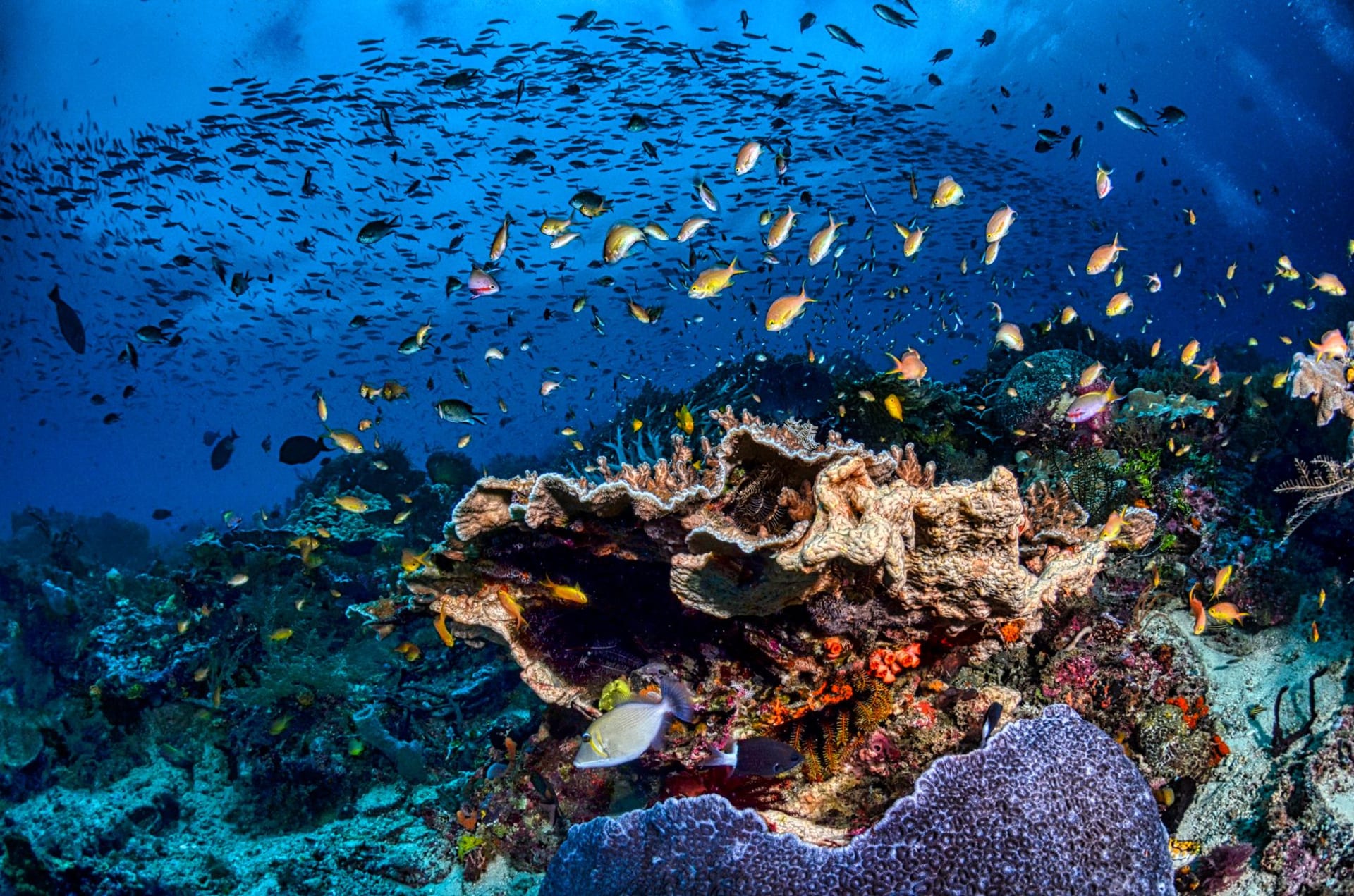
Cabo Pulmo is a small fishing village of 120 people on the East Cape of Baja California Sur, where the Sea of Cortez begins. The village sits adjacent to the Parque Nacional Marino Cabo Pulmo, a 7,100-hectare marine reserve protecting the only living coral reef on the Pacific coast of North America — a reef system that has existed for 20,000 years and that the people of Cabo Pulmo nearly destroyed in the 20th century before deciding to protect it instead.
In 1995, the fishing families of Cabo Pulmo petitioned the Mexican government for marine reserve status and agreed to stop commercial fishing within the reef area. The recovery over the following two decades was documented by the Scripps Institution of Oceanography, which found a 463% increase in fish biomass between 1999 and 2009 — the largest recovery of a marine ecosystem in the scientific literature at the time. The coral colonies, the fish populations, the shark and ray abundance: all recovered to levels not seen since before industrial fishing.
The village is still 120 people. The road in is still unpaved. There are still no large hotels. This is the correct arrangement.
Diving and Snorkeling
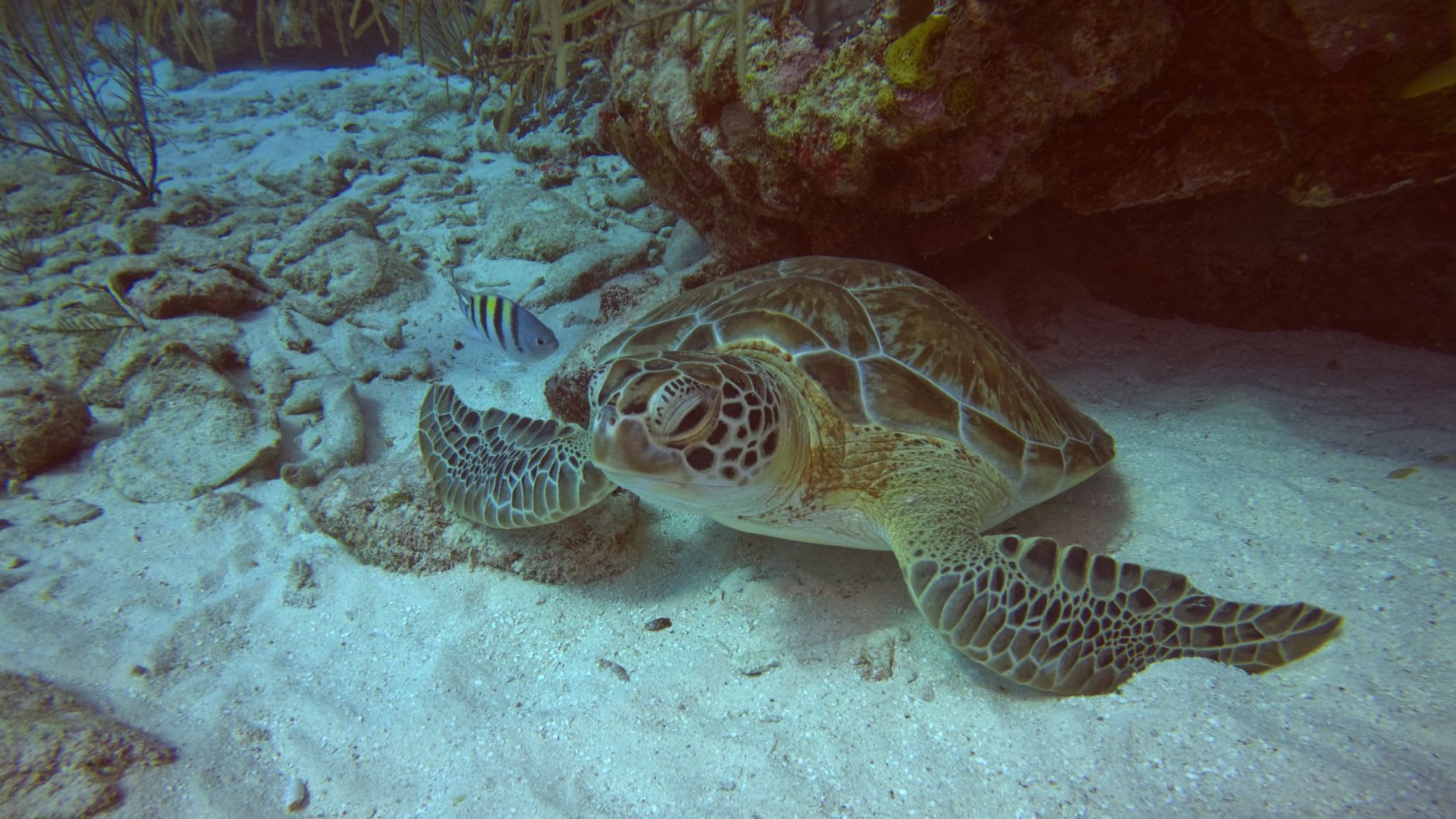
The dive sites at Cabo Pulmo are organized around the nine coral heads that form the primary reef structure — finger reefs extending from the shoreline into the Sea of Cortez at depths of 5-40 meters. The species list reflects the recovery: bull sharks, hammerhead sharks, giant manta rays, hawksbill sea turtles, green sea turtles, goliath grouper, massive schools of bigeye jacks that form rotating columns called “tornados” — dense enough that individual fish disappear inside the mass — and the coral communities themselves, dominated by the two primary reef-building species of the Eastern Pacific.
El Bajo — a seamount 45 minutes offshore at 25-35 meters — is the hammerhead aggregation site from June through November: hammerhead sharks in schools of 20-30 individuals, circling the seamount in the conditions of warm upwelling water that the animals apparently require. The experience of a hammerhead school in open water — the sharks indifferent to the divers, orbiting the seamount at their own pace — is not available at many places on earth at this ease of access.
The snorkeling directly from the beach: the shallow water within 100 meters of the Cabo Pulmo shoreline has sufficient fish density that snorkeling in chest-deep water produces encounters with large parrotfish, pufferfish, triggerfish, and the occasional turtle without entering the open water at all.
The Village
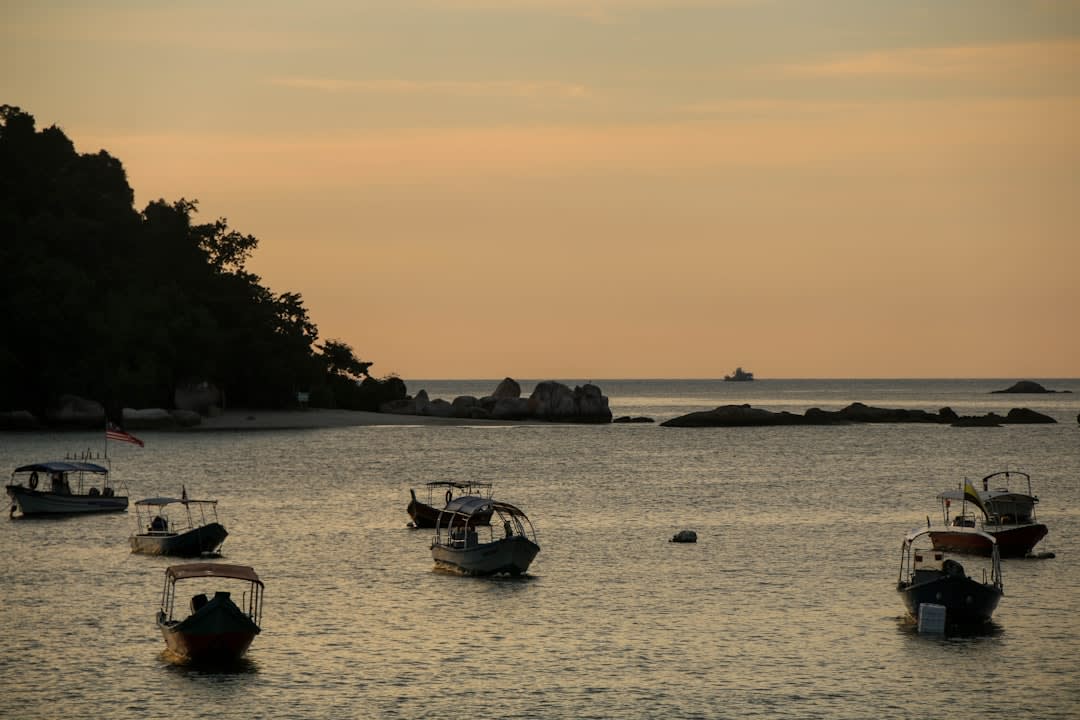
Cabo Pulmo village has a row of palapa-roofed restaurants on the beach road, the dive operators (all locally owned, all run by families who made the 1995 decision), a small shop, and accommodation in the form of casitas rented from local families and a few small eco-lodges. There is no ATM; cash from Cabo San Lucas (1.5 hours on the paved road) or La Paz (2 hours) is required.
The restaurants serve the fishermen’s catch from outside the reserve boundary — the local families fish the allowed zones and sell to their own restaurants. The catch: yellowfin tuna, dorado, wahoo, and the Gulf shrimp that the East Cape boats find in the open water beyond the protected area.
The social life of the village is the beach. The dive boats return at midday; the afternoon belongs to the palapa and the Sea of Cortez.
Getting There and When to Go
The road to Cabo Pulmo branches east from the Transpeninsular Highway at Las Cuevas (between San José del Cabo and La Paz), then 30 kilometers of unpaved road through desert to the coast. A sedan can manage it in dry season; a 4WD is more comfortable and required after rain. The road condition depends on the last storm.
When to go: October through May for calmest sea conditions and clearest visibility. June through October for hammerhead shark season at El Bajo and the warmest water. July and August can bring tropical storms (chubascos) that close the road; check conditions before committing.
Logistics: No ATM, no cell coverage, limited electricity (solar). Bring cash, sunscreen, and a book. Book dive trips in advance during high season; the local operators have limited capacity by design.