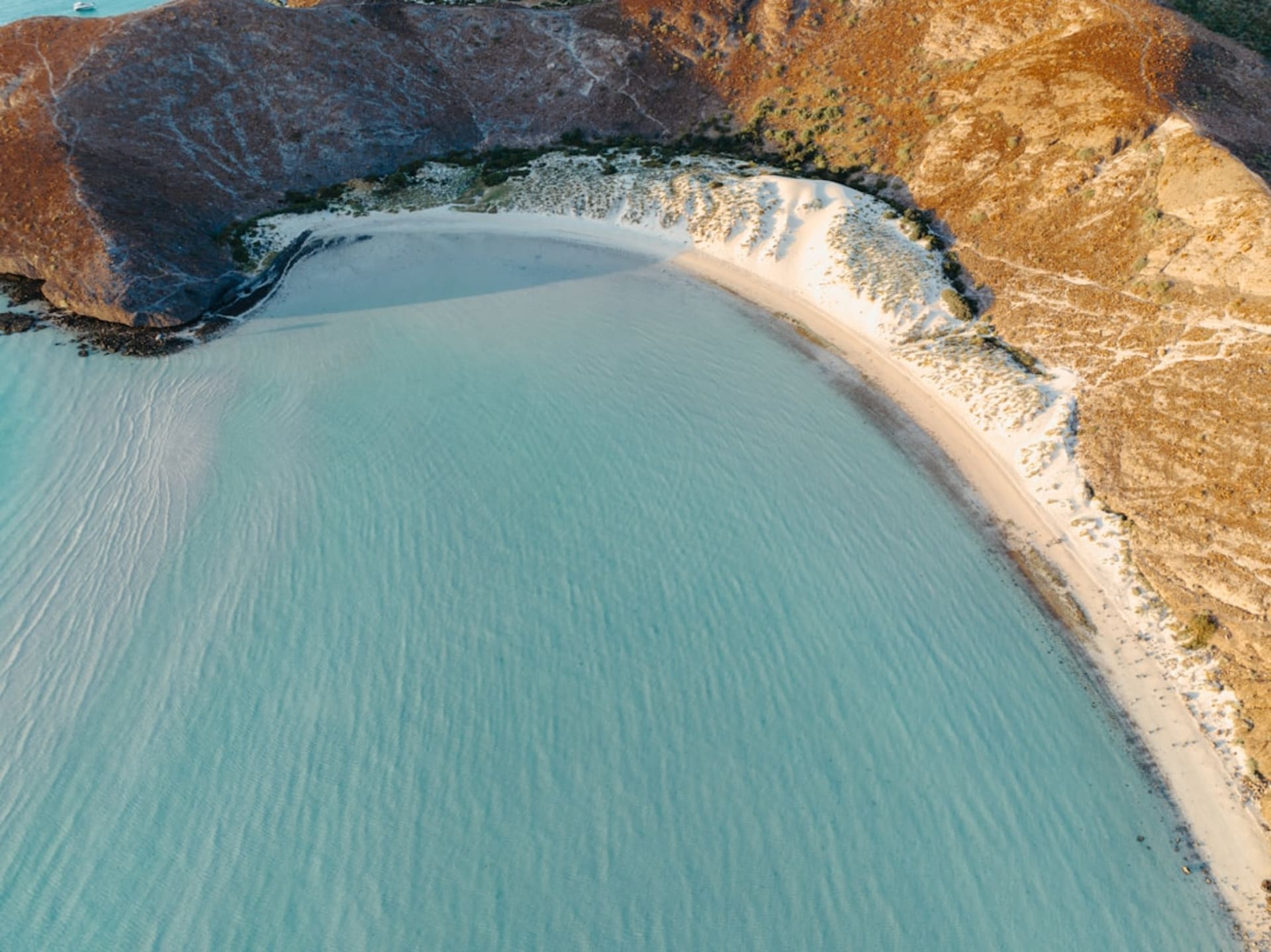
La Paz
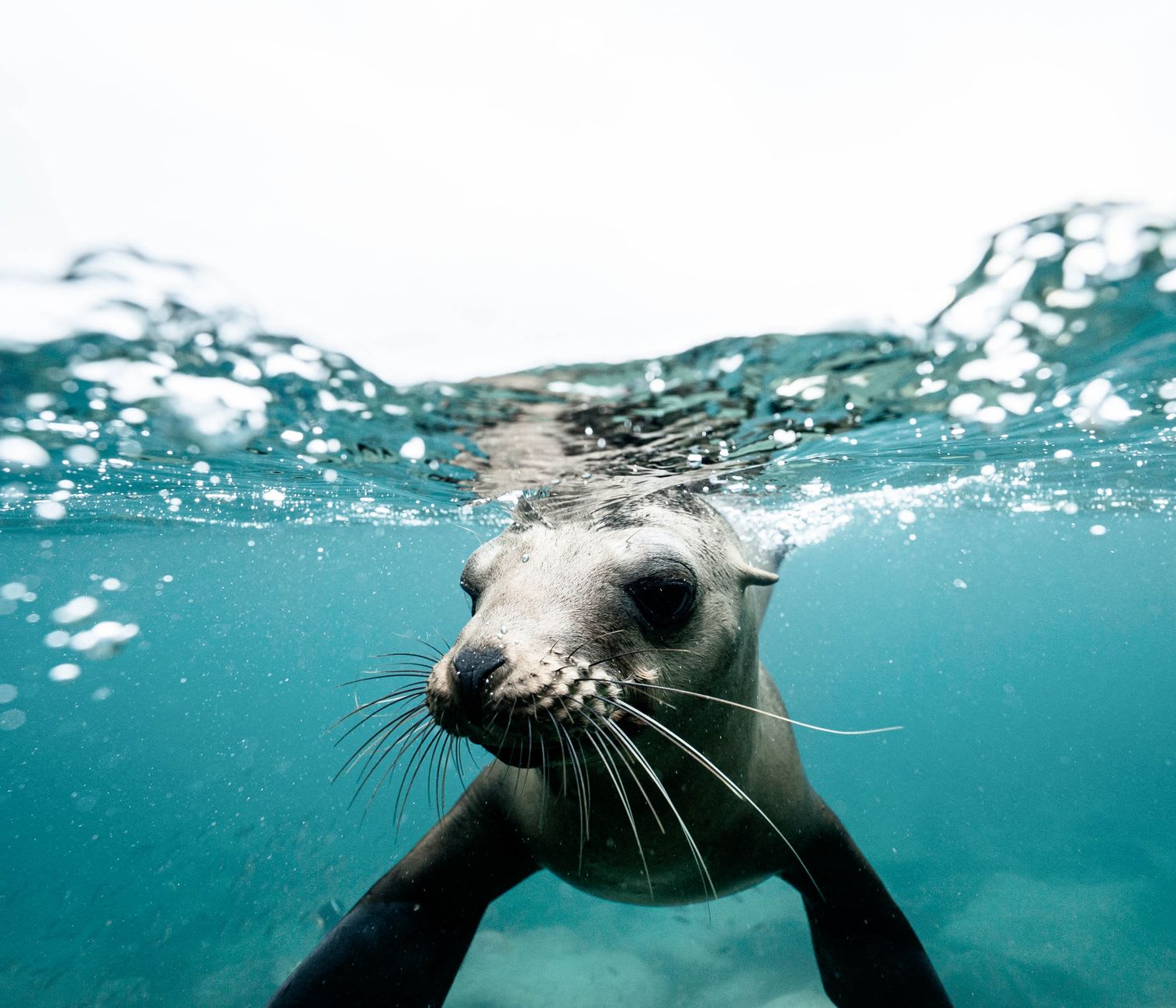
"The sea lion colony at Los Islotes has decided that divers are entertainment. They perform loops around you. They bite your fins. They look you in the eye from six inches away."
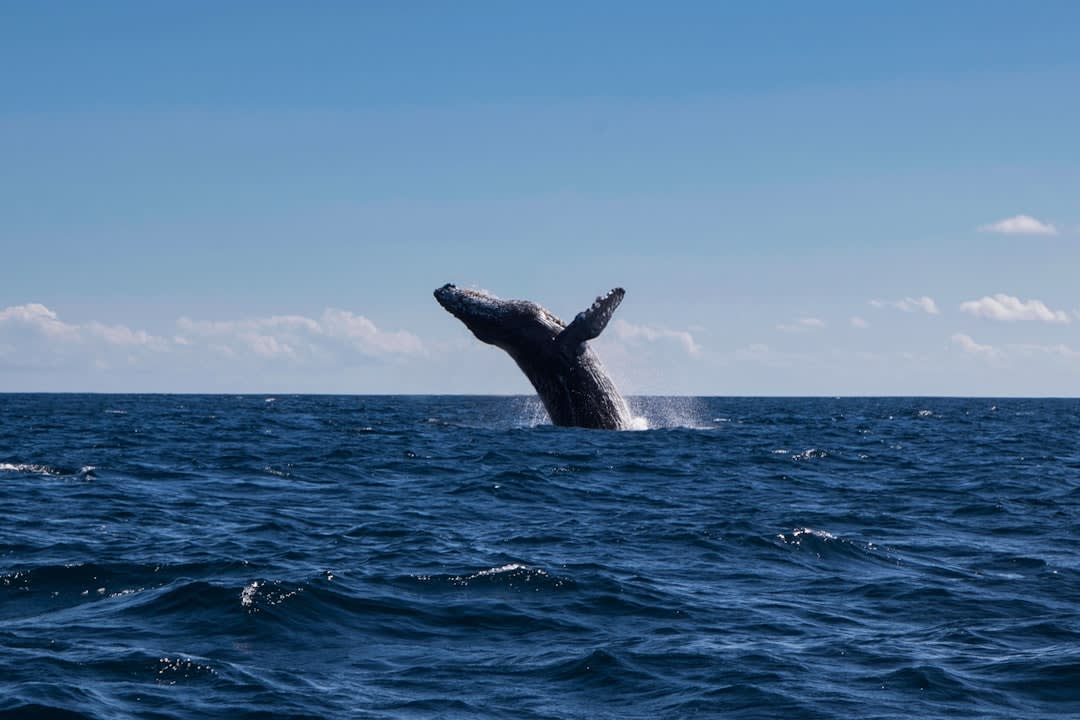
La Paz is the capital of Baja California Sur and the city from which the entire southern Baja experience is organized — the whale shark aggregations, the sea lion colonies, the mobula ray gatherings, the offshore islands. Jacques Cousteau dived the Sea of Cortés in the 1960s and called it “the world’s aquarium” in recognition of its extraordinary marine biodiversity: the enclosed sea between Baja and the Mexican mainland is one of the most productive ocean environments on Earth, its cold upwellings and warm surface waters supporting a food web that terminates in blue whales, humpbacks, fin whales, and the largest aggregations of whale sharks in the Pacific.
The city itself is more genuinely Mexican than Los Cabos — a working port and state capital that serves the peninsula before it serves visitors, with a malecón of five kilometers along the bay, a market, a colonial downtown, and the specific quality of a place that has kept its character through the tourism development that has transformed the cape.
The Sea Lions at Los Islotes
Los Islotes — a group of volcanic rocks at the northern end of Espíritu Santo island, 45 minutes by boat from La Paz — holds a permanent colony of about 500 California sea lions (Zalophus californianus californianus), the Baja subspecies. The colony occupies the rocks year-round; in summer the breeding bulls hold territories on the rock faces and the colony is more volatile. In winter and spring the colony is calmer and the juvenile sea lions — the ones that decide snorkeling humans are entertainment — are at their most interactive.
Snorkeling with the Los Islotes sea lions is one of the defining wildlife encounters in Mexico. The juveniles approach within inches, perform the spiraling loops they use to show off to each other, bite the fins off your feet (gently, as a game), hover upside down making eye contact from a foot away, and then dart off to find another snorkeler to interrogate. The adults watch from the rocks. The smell of the colony is distinctive and permanent.
The underwater visibility around Los Islotes (15-25 meters on a good day) allows the full population of the colony to be visible simultaneously — sea lions moving through the water column at every depth, the sunlight refracting through their bubble trails, the kelp forest at the base of the rocks providing the background.
Whale Sharks
From November through April, the shallow bay south of La Paz between the city and the Mogote peninsula aggregates whale sharks (Rhincodon typus) — the largest fish in the ocean — in numbers that vary between 20 and 200 individuals in a season. The whale sharks come to feed on the krill blooms produced by the bay’s nutrient upwellings; the snorkeling access is managed by a permit system (regulated since 2009) that limits boat numbers and snorkeler-to-shark ratios.
The whale shark encounter from a snorkeler’s perspective: a shadow that gets progressively larger, then the shark itself — 6-12 meters of spotted filter feeder moving at 3-4 kilometers per hour, the mouth open, the gill slits pulsing. Swimming alongside a whale shark requires a steady pace to maintain position; the shark is indifferent to the human alongside it in the way that large filter feeders are indifferent to most things. The indifference is not cold — it is simply the correct scale of relationship between a 10-ton fish and a 75-kilogram mammal.
The Malecón and the Mangoes
La Paz’s malecón runs five kilometers along the bay from the ferry terminal to the residential neighborhoods north of the city center — palms, the specific light of the Sea of Cortés in late afternoon, fishing boats at anchor, and the mangoes.
The mango situation in La Paz: the city sits at the latitude where the Ataulfo variety (the flat, kidney-shaped, thin-skinned mango that the Oaxacan and Chiapan versions are modeled on) reaches its peak. The mangoes sold from carts on the malecón from March through June — sliced on a stick, dusted with chile and lime — are in a different category from the mangoes available elsewhere in Mexico or in any other country. The Baja heat and the specific terroir of the southern peninsula produce a sweetness and aromatic intensity that the export versions never replicate.
The mercado Bravo downtown has the best produce section in the city: the mango varieties in season, the local dates from the La Paz date palms (the only significant date production in Mexico), the dried shrimp from the nearby shrimp farms.
Getting there: Aeropuerto Internacional Manuel Márquez de León has direct flights from major Mexican cities and several US destinations (Los Angeles, Phoenix). Ferry from Mazatlán or Topolobampo (10-18h) for those driving the Baja peninsula. Los Cabos is 2 hours south by highway.
When to go: November through May for whale sharks and sea lion encounters in best conditions. June through October is hotter, more humid, and brings the risk of late-season hurricanes. The mango season peaks in April-June.