San Ignacio Lagoon
"The whale came up under the boat. Not to capsize it — to be scratched. She had a calf with her. The calf was as curious as the mother."
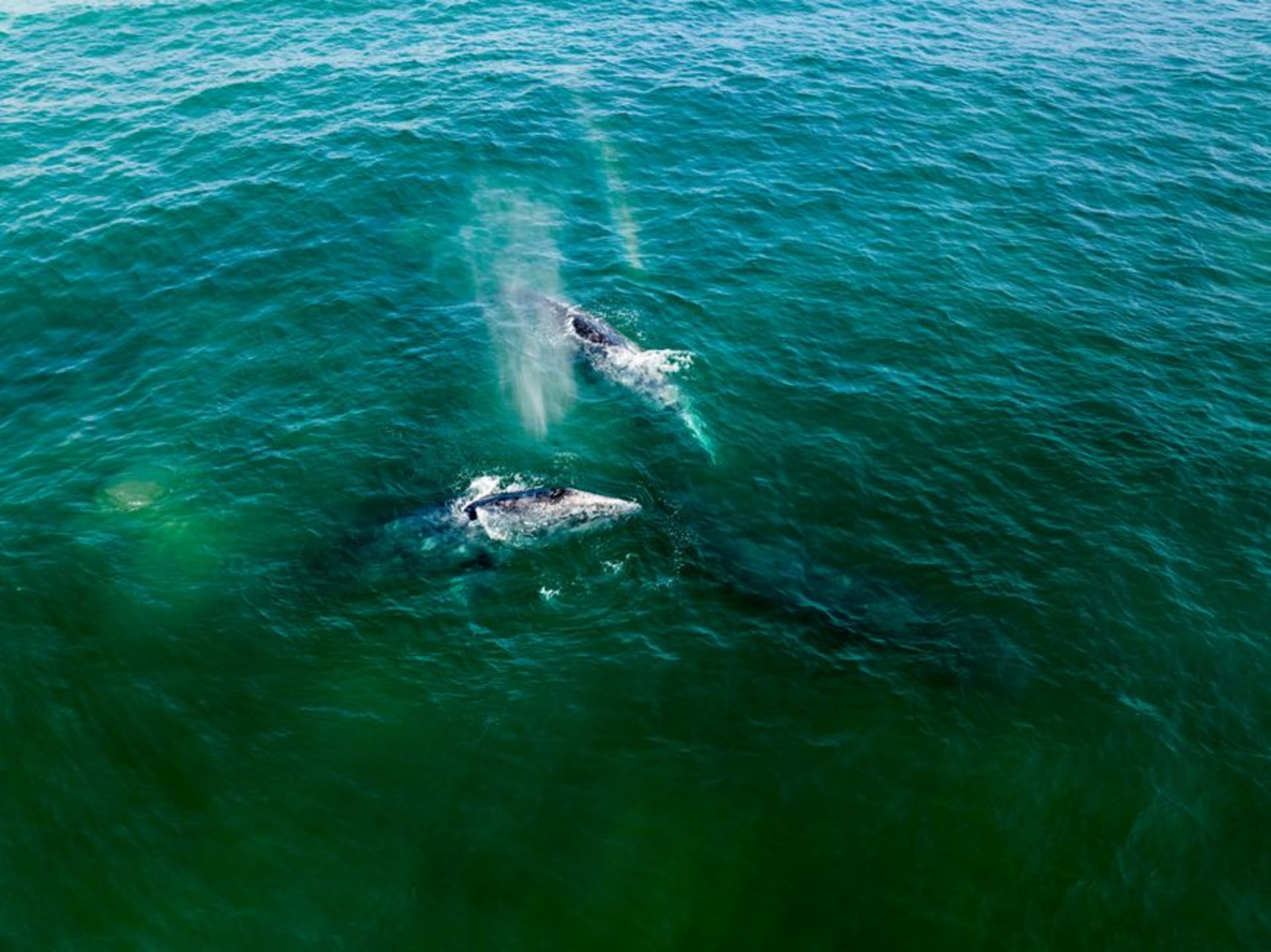
San Ignacio Lagoon is the most extraordinary wildlife encounter available in the Americas, and possibly on Earth. Every winter, eastern Pacific gray whales migrate from their feeding grounds in the Bering Sea to the warm shallow lagoons of Baja California Sur to give birth and nurse their calves. The lagoon at San Ignacio — a UNESCO World Heritage Site and RAMSAR wetland — is one of three such breeding lagoons on the Pacific coast of Baja.
What makes San Ignacio unique, even among gray whale lagoons: the whales approach the boats. This behavior — wild adult gray whales swimming voluntarily to within touching distance of small wooden pangas and holding position while humans reach down to scratch their heads — was first documented here in the 1970s and has been occurring reliably ever since. The marine biologists who study it have no definitive explanation. The experience itself is the explanation — you feel the whale’s willingness in the firmness of the contact, the deliberate positioning, the fact that the whale can leave instantly and doesn’t.
The Encounter
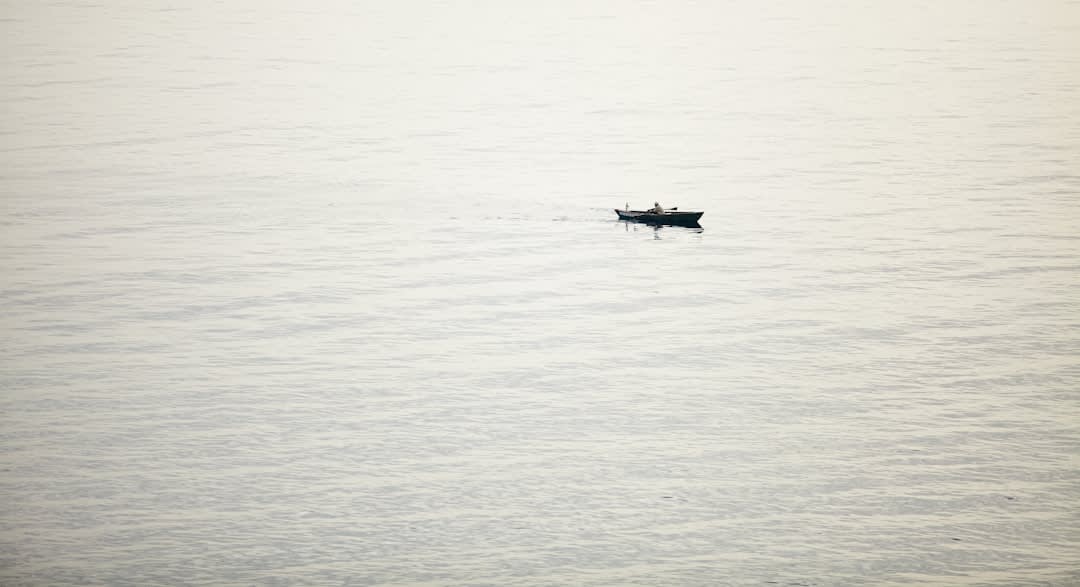
The tours operate from the fishing cooperative at the lagoon edge, using traditional wooden pangas (flat-bottomed open boats) of about 6 meters. Groups of six to eight people go out for two to three hours. There is no guarantee of whale contact — the whales are wild and the contact is their choice — but the success rate during peak season (February-March) is very high, particularly in the inner lagoon where the mother-calf pairs concentrate.
The approach: the panga enters the lagoon and the guides watch for whale activity — blows, flukes, mothers with calves visible near the surface. When the guides identify an interested whale (certain behavioral signs — the whale turning toward the boat, approaching deliberately), the motor goes off. The boat drifts.
Then the whale is there. Alongside the boat, its eye — the size of a grapefruit, startlingly intelligent in its attention — at water level looking up at the people looking down. The calf, if present, usually appears first (the calves are reportedly the more immediately curious; the mothers follow their young). The whale rotates to present different parts of its head and body for scratching — the area around the mouth, the back of the head, the area behind the blowhole.
The gray whale’s skin is rough with barnacles (Cryptolepas rhachianecti, a barnacle species found only on gray whales) and callosities — the white mineral deposits that build up on the skin during the whale’s lifetime. Running your hand over the barnacles while the whale holds position: the animal is real and present and not performing.
The Lagoon Ecosystem
Outside the whale encounters, the lagoon is a functioning estuary system of considerable richness. Bottlenose dolphins are present year-round and follow the whale-watching pangas. California sea lions haul out on sandbars throughout the lagoon. The birdlife — ospreys, brown pelicans, great blue herons, reddish egrets, multiple species of shorebird — is dense and accessible from the lagoon edge.
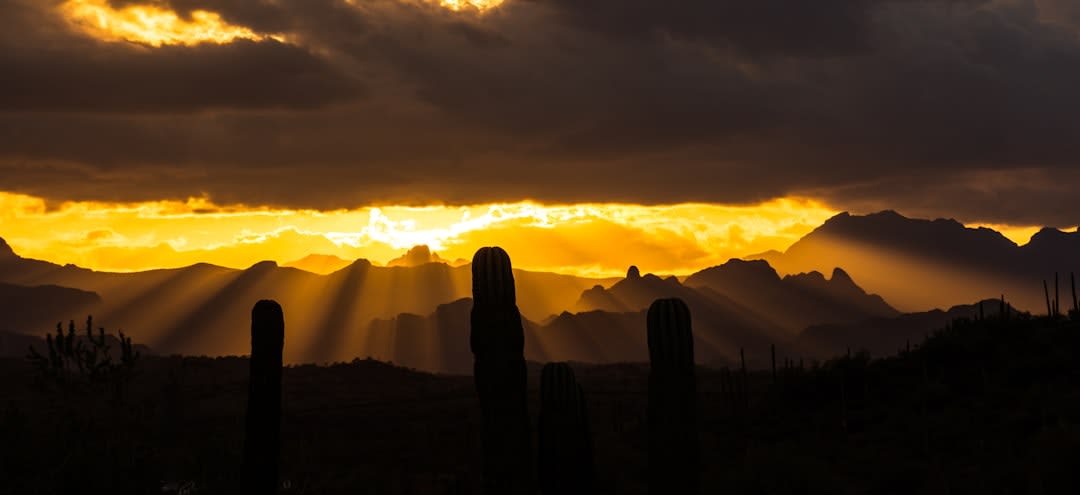
The desert landscape surrounding the lagoon is the Vizcaíno Desert, part of the El Vizcaíno Biosphere Reserve — one of the driest landscapes in Mexico, ringed by the cardon cacti (the world’s largest cactus species) and the cirio (boojum tree, found only in Baja California and one small area of Sonora). The contrast between the desert and the whale-rich lagoon is one of the more striking juxtapositions in Mexico’s natural history.
The Camp and the Journey
San Ignacio Lagoon is genuinely remote — three hours by dirt road from the town of San Ignacio, which is itself five hours south of Guerrero Negro on the Transpeninsular Highway. Most visitors stay at the eco-camps operated by the fishing cooperative families on the lagoon shore (simple but comfortable tent or cabin accommodation, meals included) for two to four nights.
The drive from San Ignacio town through the desert to the lagoon camp is part of the experience: the Vizcaíno Desert in February, the cardon cacti in silhouette against the sky, the road so empty that you stop in the middle of it to photograph a coyote.
Getting there: Fly to Loreto or La Paz (both have direct flights from US cities), rent a car, drive the Transpeninsular Highway north or south to San Ignacio town, then arrange transport to the lagoon through the cooperative. Most visitors book package tours that include transport, accommodation, and whale-watching from the towns above. Season: January 15 through April 15; peak February-March.