Asia
Mekong Delta
"Every boat here carries a whole life, not just cargo."
Nine river mouths bleeding into the South China Sea, where life has been lived on water for so long that the land almost feels like an afterthought.

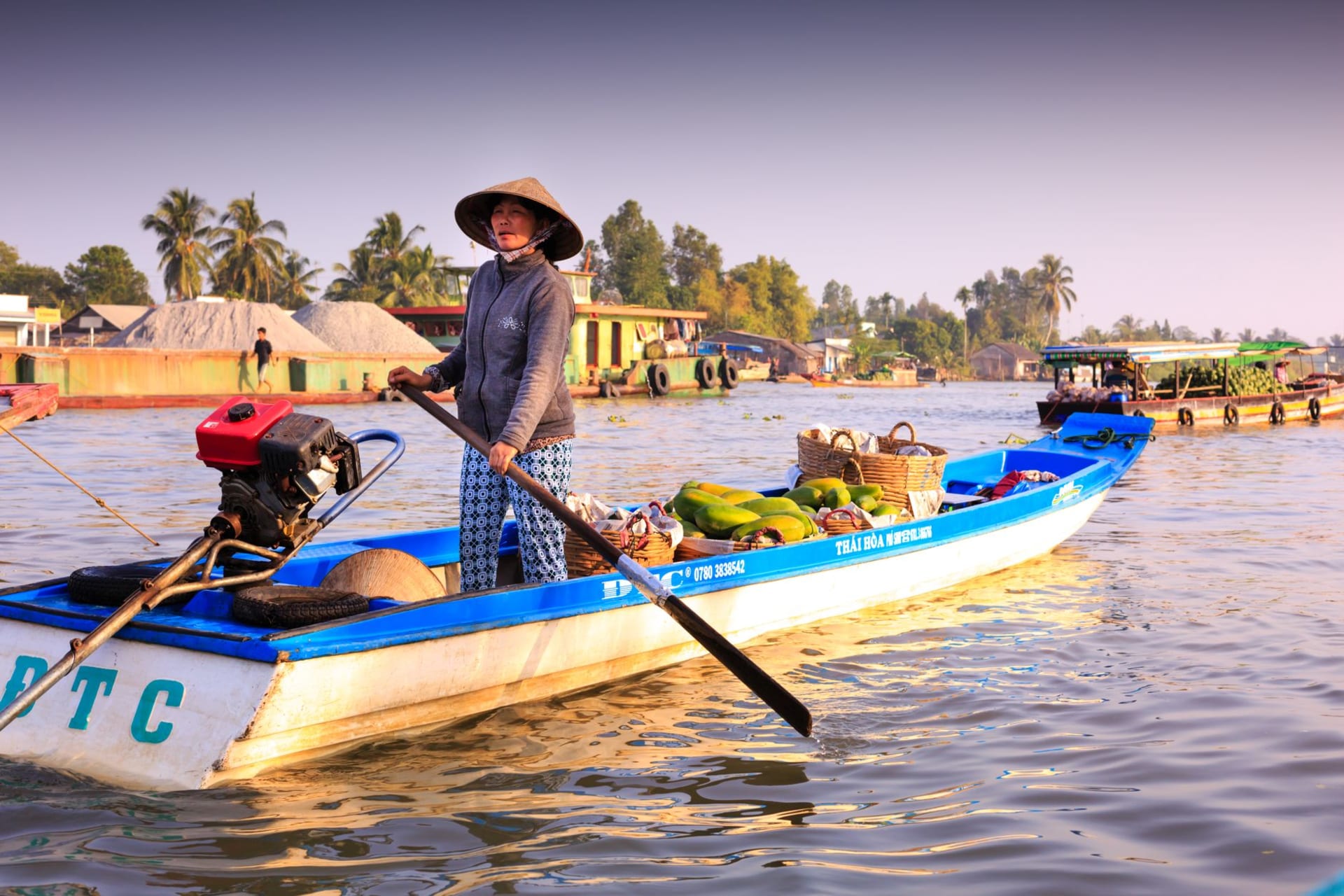
The boat engine coughs to life at five in the morning and you leave Cần Thơ before the mist has lifted. The floating market at Cái Răng is already in full motion — wooden vessels the size of small houses jammed with watermelons, dragonfruit, squash, and bundles of morning glory so green they seem lit from within. Vendors hang samples of whatever they’re selling from bamboo poles at the bow: a single pineapple, a head of cabbage. You buy bún riêu from a woman who has been ladling crab and tomato broth from a pot mounted directly on her boat’s hull since before you woke up. You eat it in a plastic chair on a floating vessel, watching the river traffic negotiate itself without a single traffic light, and you understand something essential about the delta: it has its own logic, older and more efficient than anything built on land.
The Mekong enters Vietnam as nine branches — the Vietnamese call it Cửu Long, the Nine Dragons — and spreads across forty thousand square kilometers of flatland before dissolving into the sea. This is rice country, coconut country, fruit country. The soil is so fertile that three harvests per year are routine. Between the river channels, the villages connect via narrow bridges so thin that motorbikes have to slow to a walk, and the afternoons have the thick, greenish quality of light filtered through ten thousand palm fronds. I spent four days cycling the islands south of Vĩnh Long, staying with a family who gave me a hammock between two coconut trees and fed me elephant-ear fish — cá tai tượng — fried whole and eaten wrapped in rice paper with mint and pickled carrot. There is nothing like it anywhere else in Vietnam. The south is always sweeter than the north, but the delta is sweetest of all.
What surprises people who come expecting a purely rural experience is how alive the cities are. Cần Thơ has a proper waterfront, excellent coffee, and a market that runs all night. Long Xuyên has a church that looks borrowed from provincial France. Châu Đốc, near the Cambodian border, is a study in religious coexistence — Muslim Chăm mosques on one bank, Buddhist temples climbing the hillside opposite, a Catholic cemetery tucked in between. The delta absorbs everything and metabolizes it into something distinctly its own.
When to go: November to April — the dry season — is when the roads are passable and the river levels manageable. The Tết period (January or February) is worth experiencing if you can handle the crowds: the markets go into overdrive and the waterways fill with families traveling by boat to visit relatives. Avoid May to October unless you’re prepared for serious flooding; some roads simply disappear under water.
What most guides get wrong: They treat the delta as a one-day excursion from Ho Chi Minh City. You board a tour bus, watch someone weave coconut candy for thirty seconds, eat lunch at a place designed for tour buses, and leave thinking you’ve seen it. The delta only opens up when you slow down — rent a bicycle for a day, sleep somewhere without air conditioning, take the public ferry instead of the tourist boat. Two nights minimum. Three is better. Four is when it starts to make sense.
Explore
Places in Mekong Delta
 mekong-delta
 Bến Tre
The coconut province — where the waterways smell of palm sugar and every boat, bridge, and candy stall runs on the same tree.
Explore mekong-delta
 Cai Be Floating Market
A wholesale river market where fruit vendors hang samples from tall poles, older and quieter than the delta's famous tourist markets.
Explore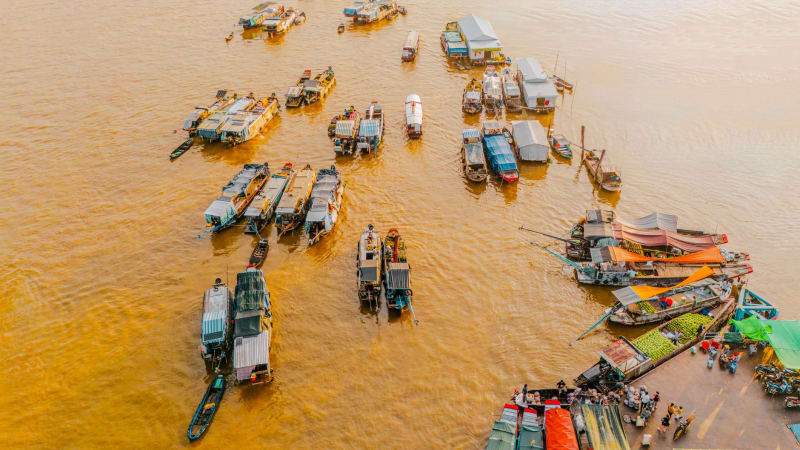 mekong-delta
 Cái Răng Floating Market
The delta's oldest floating market, where every boat carries a story and breakfast costs nothing and arrives by canoe.
Explore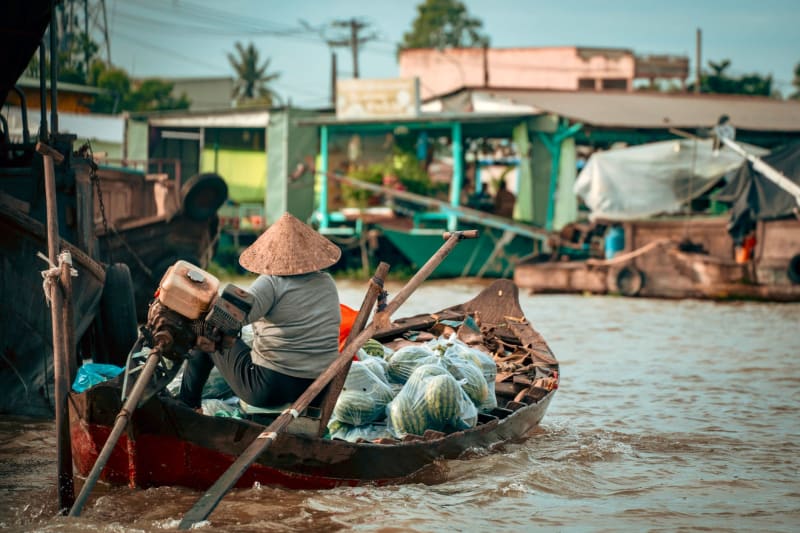 mekong-delta
 Cần Thơ
The delta's beating heart — a river city that runs on strong coffee and doesn't sleep until the floating market is already underway.
Explore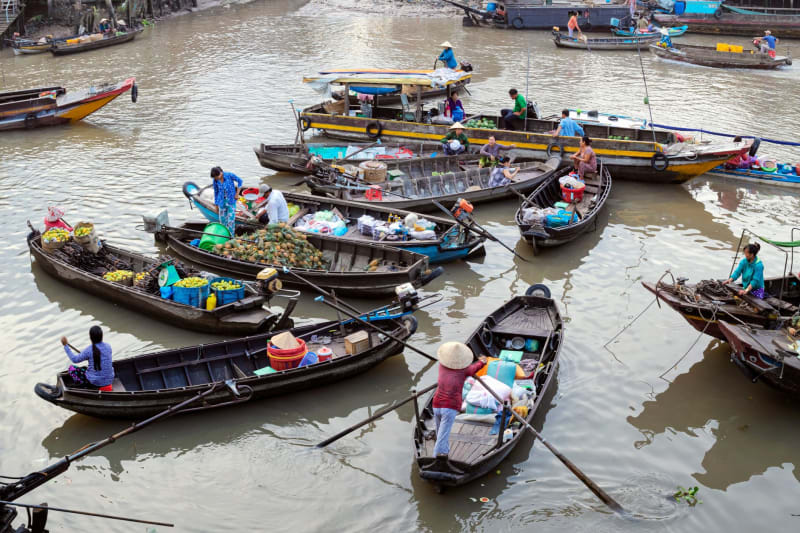 mekong-delta
 Châu Đốc
A border city where Cham mosques and Buddhist pagodas face each other across the river, and fish sauce ferments in clay urns on floating houses.
Explore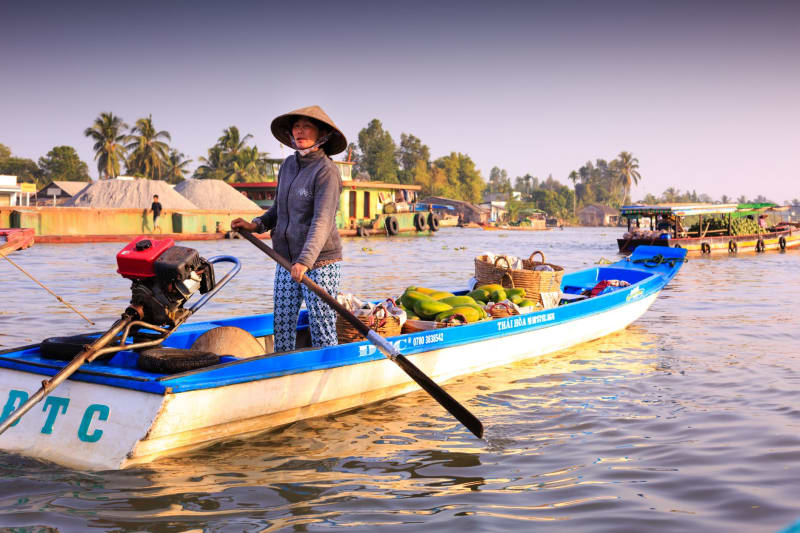 mekong-delta
 Côn Đảo
A remote archipelago of colonial horror and extraordinary natural grace, where sea turtles nest on beaches the tourists haven't reached yet.
Explore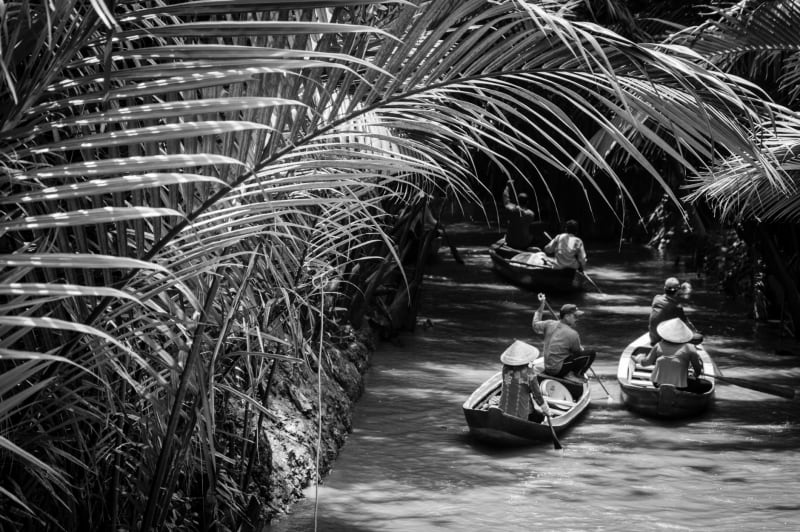 mekong-delta
 Hà Tiên
A limestone-cliff border town at the edge of the Gulf of Thailand where Cambodia is visible from the market and the seafood arrives by the bucket.
Explore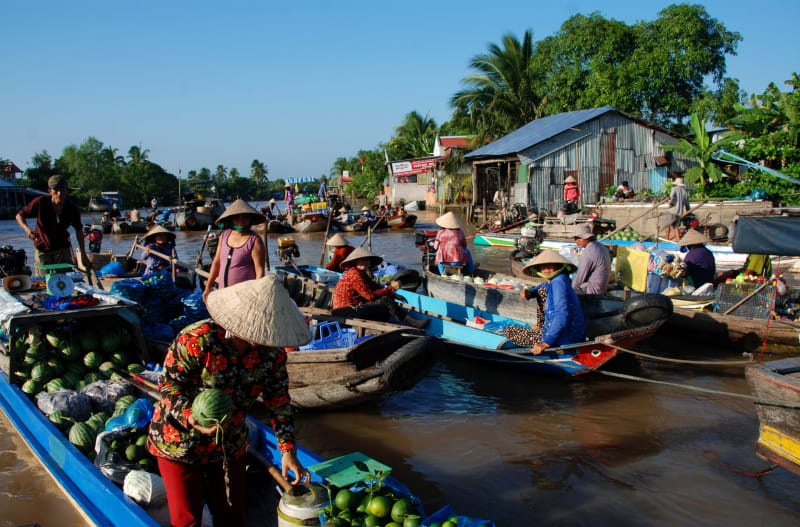 mekong-delta
 Phú Quốc
Vietnam's largest island — part beach paradise, part ancient pepper farm, all fish sauce, and increasingly all casino resort if you don't go north.
Explore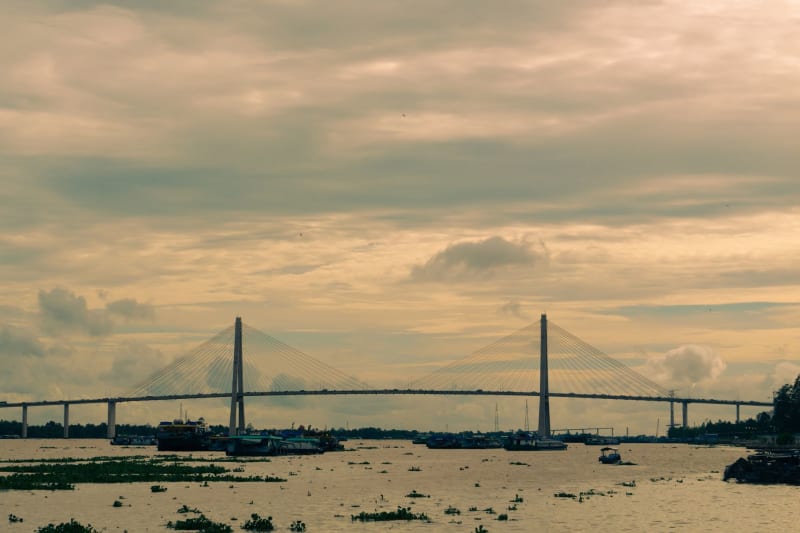 mekong-delta
 Sa Đéc
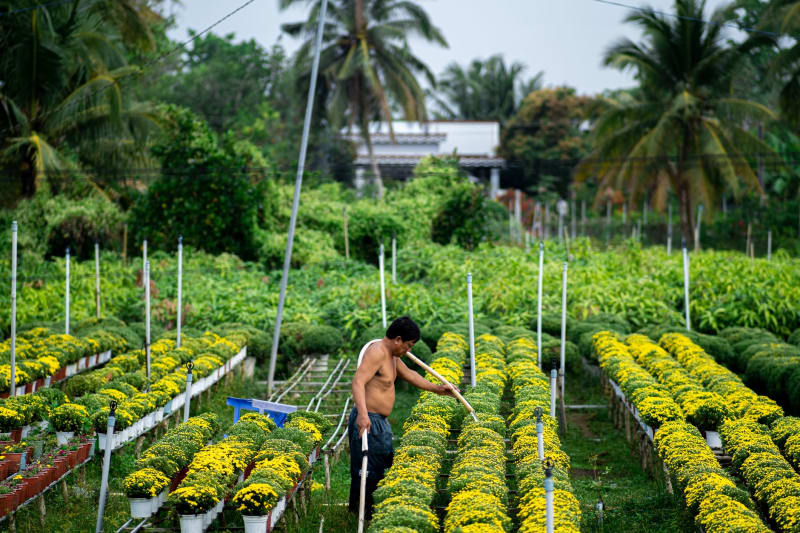
A town of flower nurseries and colonial memory, where Marguerite Duras fell in love and the roses still bloom in the Chinese merchant's garden.
Explore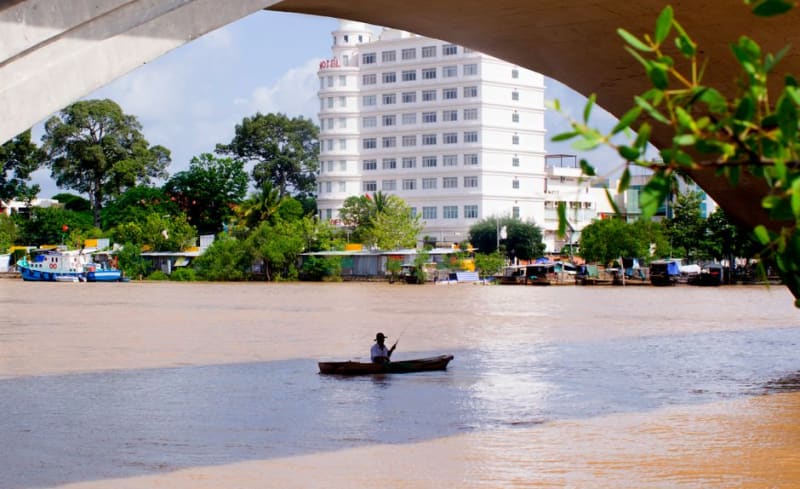 mekong-delta
 Tan Chau
A quiet riverside silk town near the Cambodian border, where French-era shophouses and wooden looms still hum with the Mekong's slow rhythm.
Explore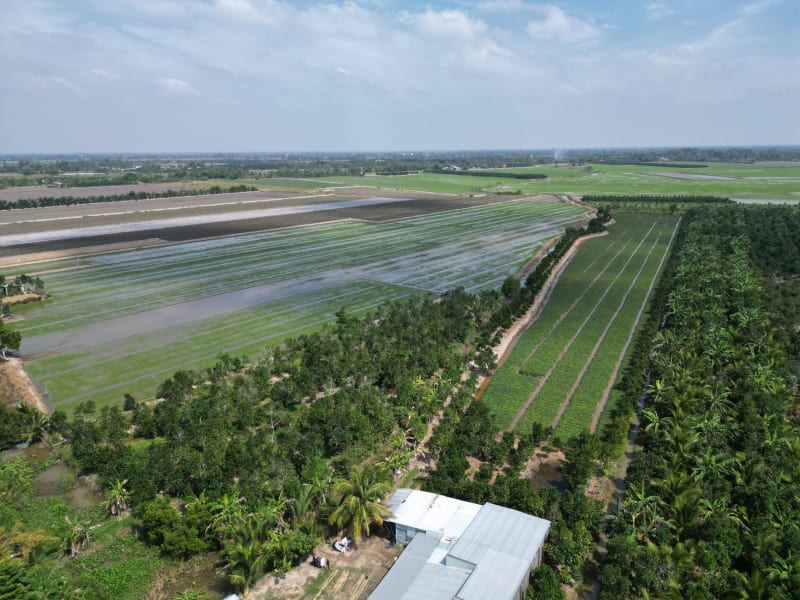 mekong-delta
 Trà Vinh
The Khmer Krom heartland of the delta, where ancient temple monasteries hide in banyan forests and the storks outnumber the tourists by a significant margin.
Explore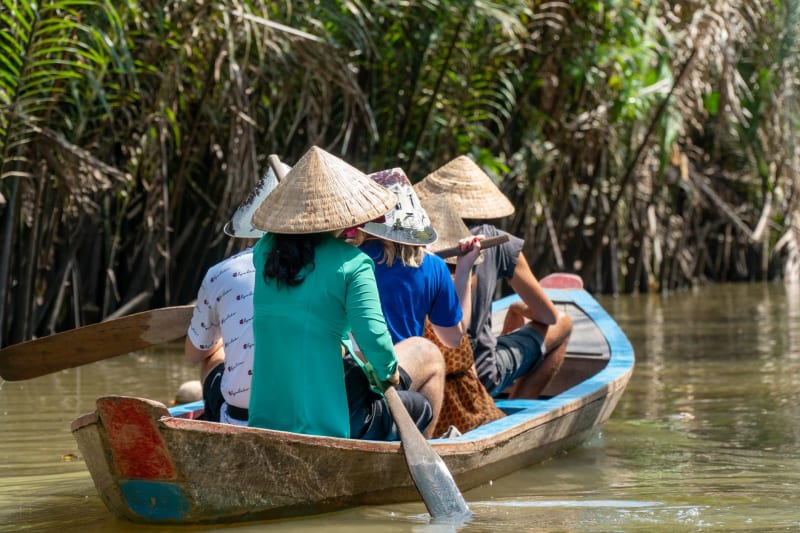 mekong-delta
 Tràm Chim National Park
A flooded grassland wilderness in Đồng Tháp where the last rare sarus cranes still dance at dawn and the boatmen read the wetland like a book they were born holding.
Explore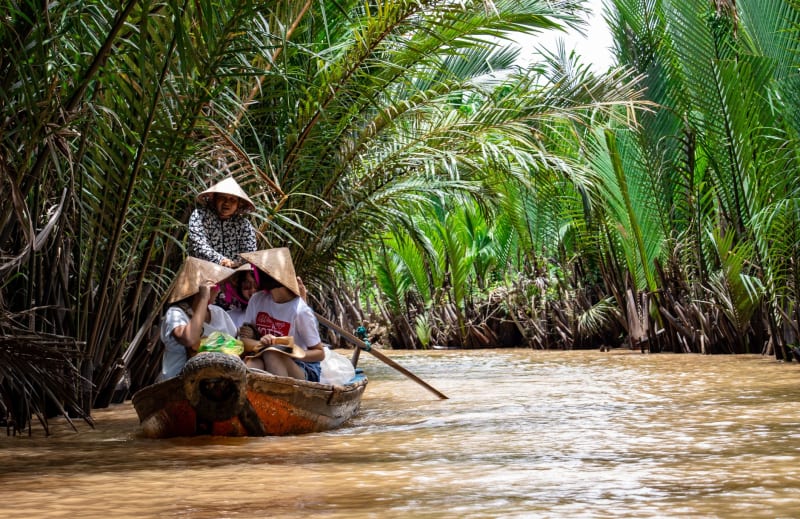 mekong-delta
 Vĩnh Long
A river town whose real life hides on the islands south of the bridge — cycling distance, coconut distance, hammock distance.
Explore