
The coconut province — where the waterways smell of palm sugar and every boat, bridge, and candy stall runs on the same tree.

You smell Bến Tre before you properly arrive. The sweetness of heated palm sugar carries across the water as the ferry from Mỹ Tho docks at the landing, and you step off into air that is coconut-flavored in a way that seems excessive until you look around and understand that the province really is, to a degree that seems statistically improbable, mostly coconut trees. They line every canal, arch over every path, crowd every garden, and the sound of the fronds in any light breeze is the ambient music of the place.
The coconut candy workshops are clustered along the main canal leading south from the city, and most of them welcome visitors without ceremony or tourist-brochure stage-management. The process is hypnotic: thick coconut milk pressed from fresh-grated meat, reduced slowly in heavy pans over gas burners until it reaches the consistency of thick taffy, mixed with pandan or durian or ginger, poured into flat trays, cut into rectangles, wrapped in rice paper by women sitting at low tables whose fingers move so fast they seem mechanical. The candy itself — kẹo dừa — is excellent: not too sweet, with that specific toasted-coconut depth that only comes from slow cooking.
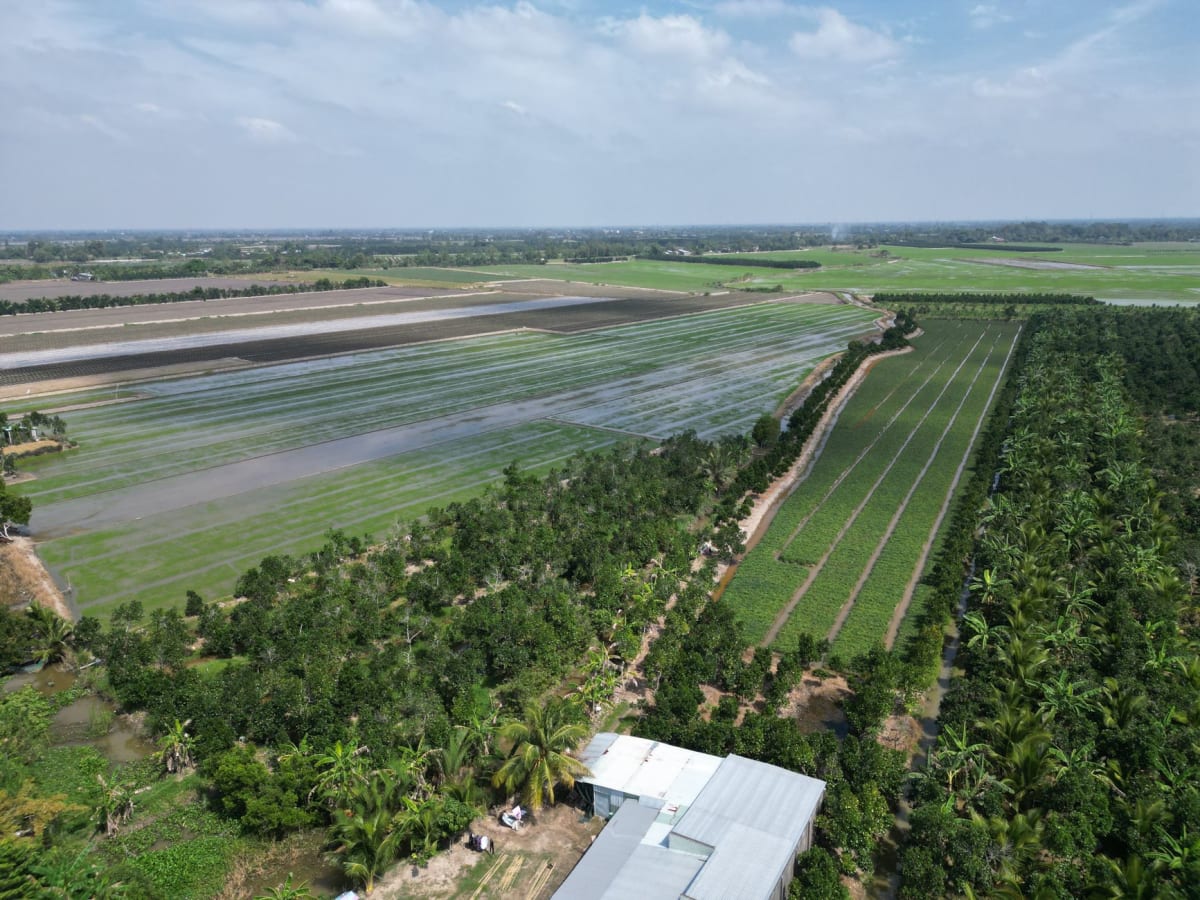
The waterways of the province are its other argument. I hired a small motorized sampan for the better part of a day and went deep into the canal network south of the city — channels barely wide enough for two boats to pass, the palms meeting overhead, the surface of the water perfectly still between the wakes. We stopped at a distillery making rượu dừa, coconut rice wine, where a man in his seventies showed me his fermentation operation with the pride of someone who has spent forty years perfecting a single thing. The wine was fiery and slightly sweet and tasted exactly like the province smelled. I bought two bottles.
The Coconut Monk — a spiritual teacher named Nguyễn Thành Nam who built a compound of eccentric pagodas and peace symbols on a river island in the sixties and seventies, preaching a hybrid Buddhism-Christianity of his own invention while standing on a stone pillar for extended periods — has been dead since 1990, but his island, Phụng Island, still carries the strange residue of his vision. The structures are crumbling, the paint faded. But there is something in the proportions of the compound, the river light coming through the broken windows, that retains the quality of someone genuinely trying to build something unprecedented.

The food in Bến Tre makes predictable but excellent use of coconut: cá kho tộ — caramelized fish braised in a clay pot with coconut water — is the dish most specific to the province, eaten with steamed rice and sliced cucumber, the fish falling apart into a sweet-salty sauce.
When to go: November through April for dry conditions and navigable canals. February is ideal — the longan and coconut trees are fruiting, the air is clear, and the canal tours run at their best. The Bến Tre Coconut Festival takes place every two years in even years, usually in January.
Keep exploring
More from Mekong Delta
 mekong-delta
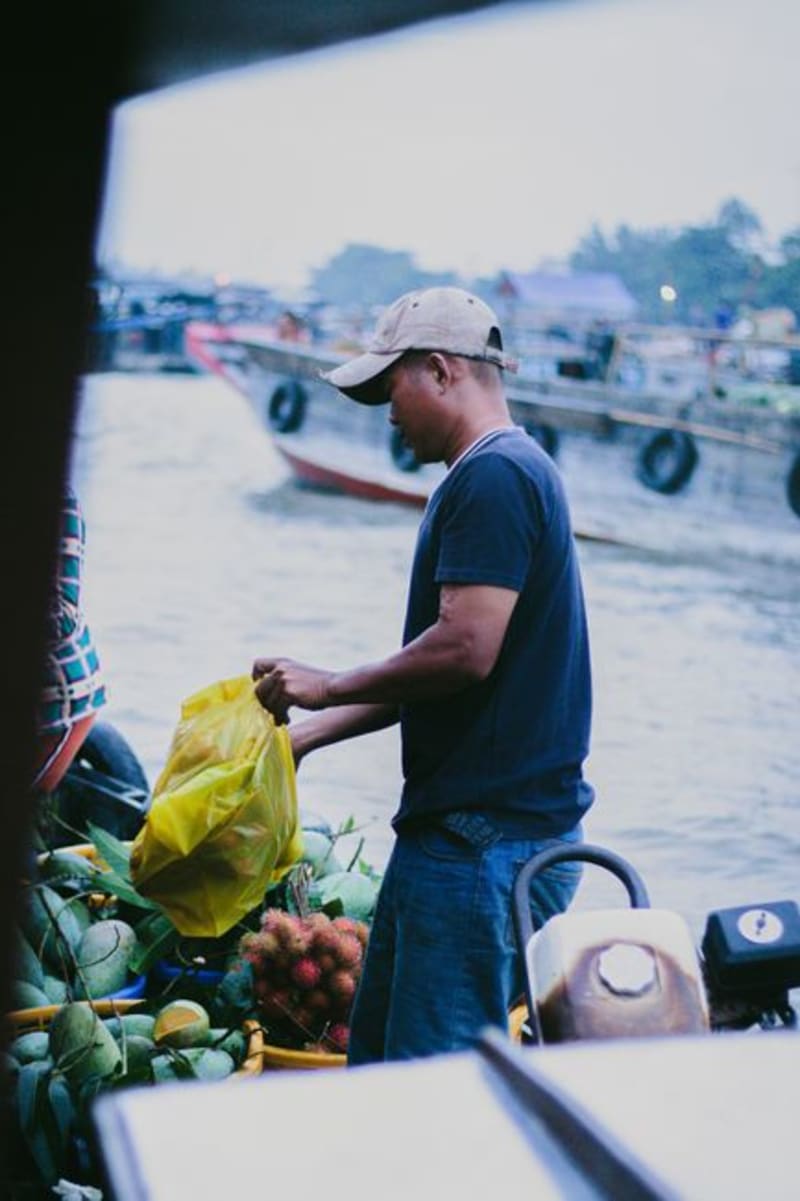
Cai Be Floating Market
A wholesale river market where fruit vendors hang samples from tall poles, older and quieter than the delta's famous tourist markets.
Explore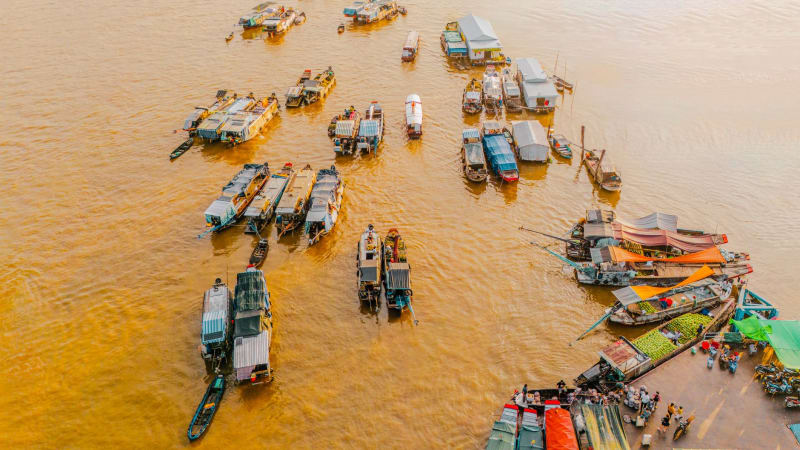 mekong-delta
Cái Răng Floating Market
The delta's oldest floating market, where every boat carries a story and breakfast costs nothing and arrives by canoe.
Explore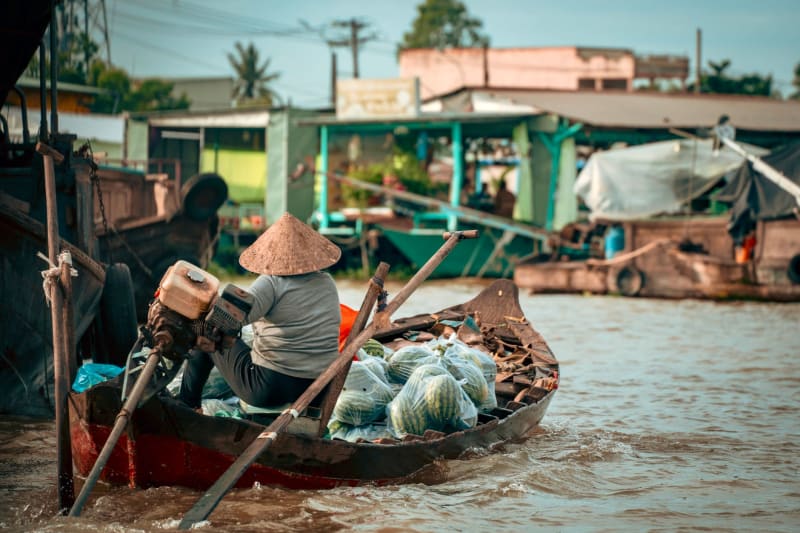 mekong-delta
Cần Thơ
The delta's beating heart — a river city that runs on strong coffee and doesn't sleep until the floating market is already underway.
Explore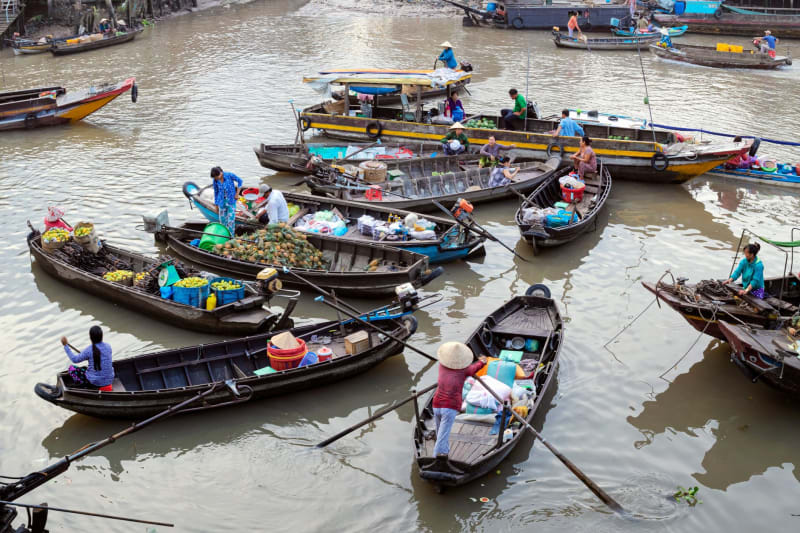 mekong-delta
Châu Đốc
A border city where Cham mosques and Buddhist pagodas face each other across the river, and fish sauce ferments in clay urns on floating houses.
Explore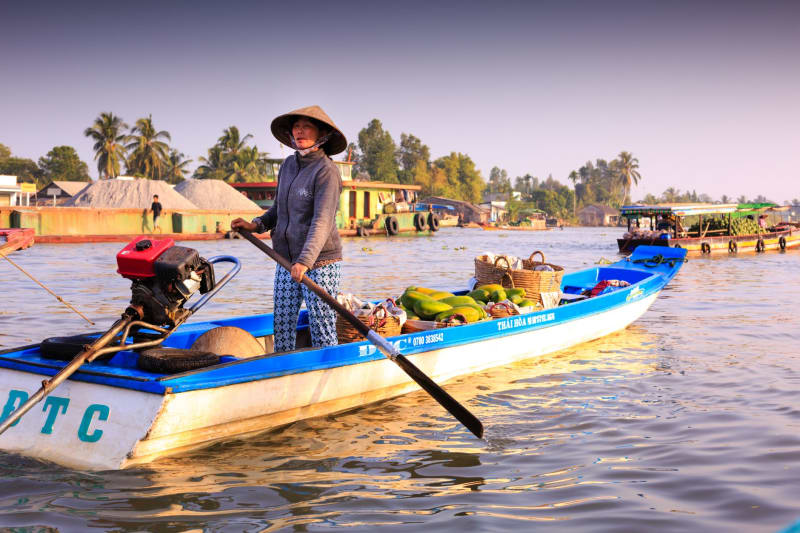 mekong-delta
Côn Đảo
A remote archipelago of colonial horror and extraordinary natural grace, where sea turtles nest on beaches the tourists haven't reached yet.
Explore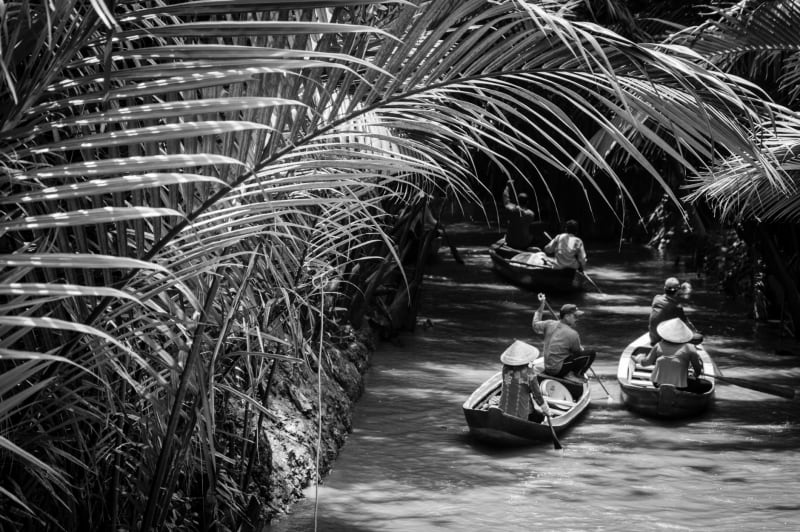 mekong-delta
Hà Tiên
A limestone-cliff border town at the edge of the Gulf of Thailand where Cambodia is visible from the market and the seafood arrives by the bucket.
Explore