Utrik Atoll
"He told me the ash fell like snow, and none of them had ever seen snow, so they let their children play in it."
The fallout from Castle Bravo drifted here in 1954, and the people who came home still live with what that meant, decades on.
Utrik lies about 300 kilometers northwest of Majuro, and it entered the history books in a way its residents never asked for. On March 1, 1954, the United States detonated Castle Bravo at Bikini Atoll — the largest nuclear device it ever tested, far more powerful than predicted — and the wind carried radioactive fallout east over Rongelap and then Utrik. Residents described a fine white ash settling over the atoll; children played in it. It took two days for American ships to arrive and evacuate people, and it took decades for the full scope of the thyroid disease, cancers, and reproductive harm that followed to be acknowledged, studied, and only partially compensated.
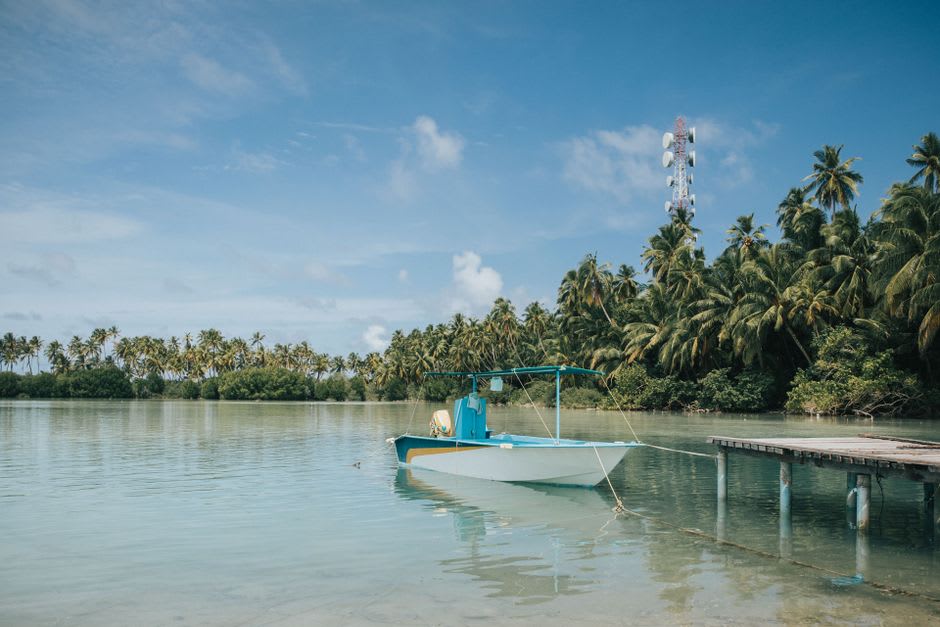
I spent time on Utrik with a man named Jelibar, whose mother had been a child during the Bravo test, and he talked about it with a matter-of-factness that took me a while to understand wasn’t numbness — it was just what it looks like to have carried a story for seventy years, told and retold to visiting doctors, researchers, and journalists, until it becomes a kind of civic duty rather than raw pain, even though the pain is still there underneath it. He showed me the small clinic that still runs regular health screenings funded through the compensation process, a low building with equipment that felt dated even by the standards of the outer islands, and he was careful to point out that most of what people on Utrik actually want isn’t sympathy, it’s the follow-through on relocation and cleanup commitments that have been made and broken more than once.
Set that history aside for a moment, if you can, and Utrik is also simply a quiet, functioning atoll community of a few hundred people, running on fishing, a handful of small stores, and a school that doubles as the social center of the main islet. Kids play basketball on a cracked concrete court at dusk while roosters work through their evening arguments in the yards behind them, and the lagoon at that hour turns a soft, undramatic pink that nobody there bothers to photograph because they see it every single day.

When to go: Utrik is served by infrequent Air Marshall Islands flights and occasional field-trip ships from Majuro; check current schedules with the Marshall Islands Visitors Authority well ahead of travel. Go with humility, listen more than you photograph, and expect very limited services once you’re there.
Keep exploring
More from Marshall Islands
 marshall-islands
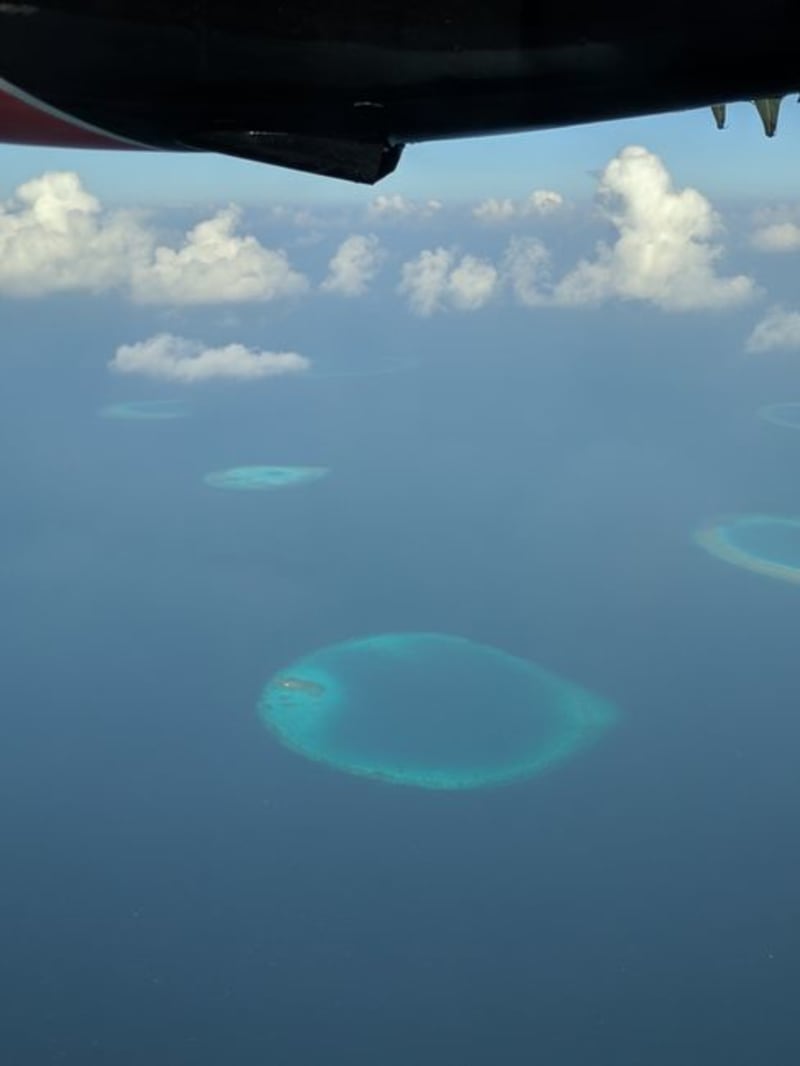
 Wotho Atoll
A near-enclosed lagoon so still it barely registers a chop, guarded by a single deep-water pass that the whole atoll's fishing calendar revolves around.
Explore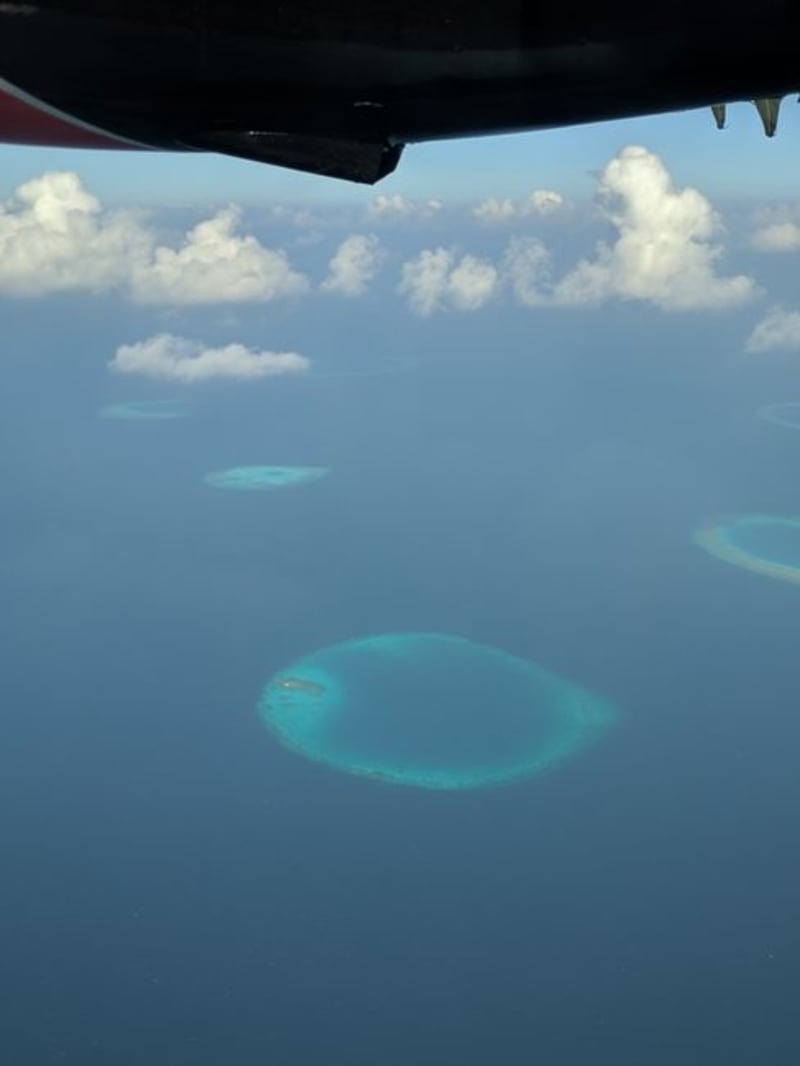 marshall-islands
 Wotje Atoll
Rusting Japanese gun emplacements sinking into coconut groves the locals half-jokingly call the 'Hawaii of the Marshalls.'
Explore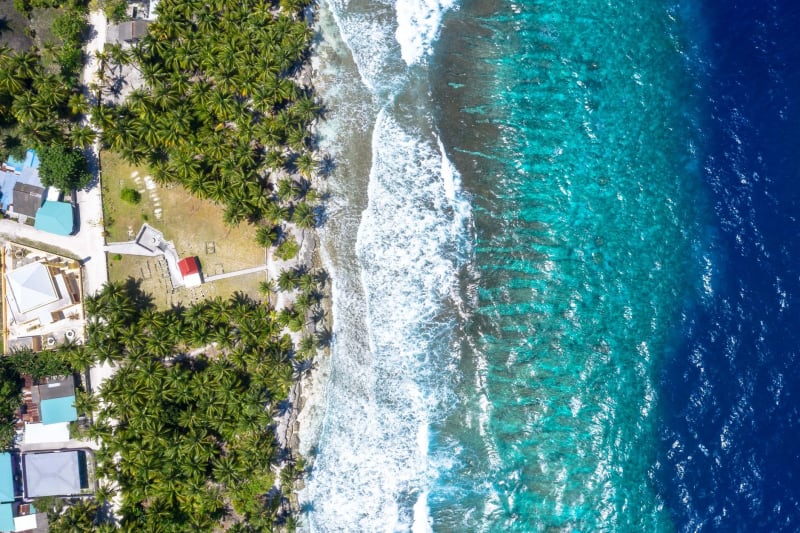 marshall-islands
 Ailinglaplap Atoll
The traditional heartland of Marshallese navigational culture, where stick charts and outrigger canoes are still the primary technologies of knowing the ocean.
Explore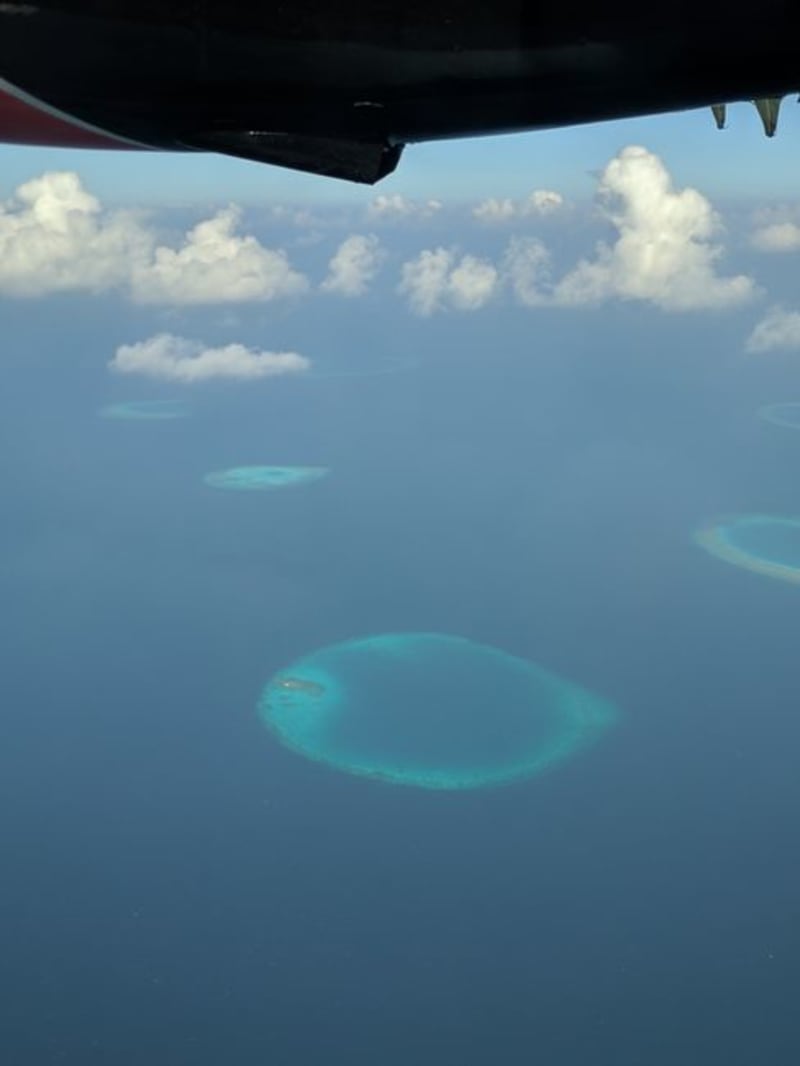 marshall-islands
 Ailuk Atoll
The finest handwoven mats in the Marshalls come from an atoll so remote the supply ship visits maybe six times a year.
Explore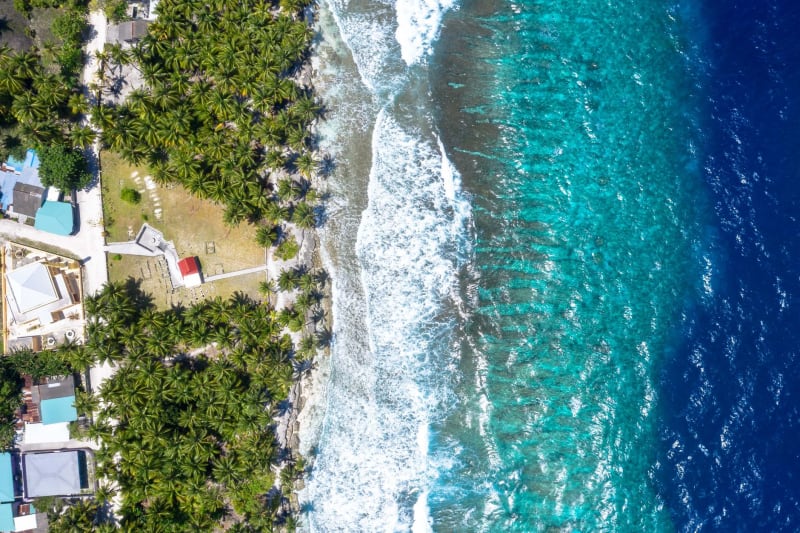 marshall-islands
 Arno Atoll
The quietest thirty-five kilometers from Majuro, where traditional stick-chart navigation still makes more sense than GPS.
Explore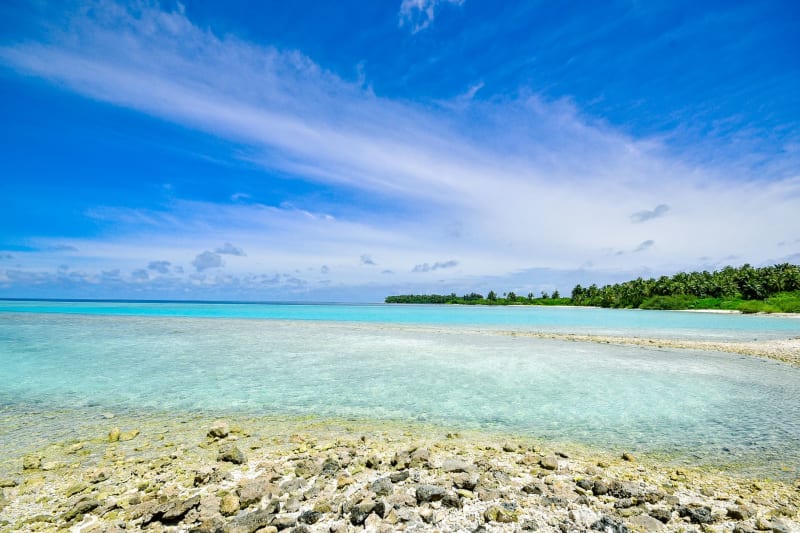 marshall-islands
 Bikini Atoll
A UNESCO World Heritage ghost atoll where you can dive on a nuclear ghost fleet and feel the full weight of the twentieth century.
Explore