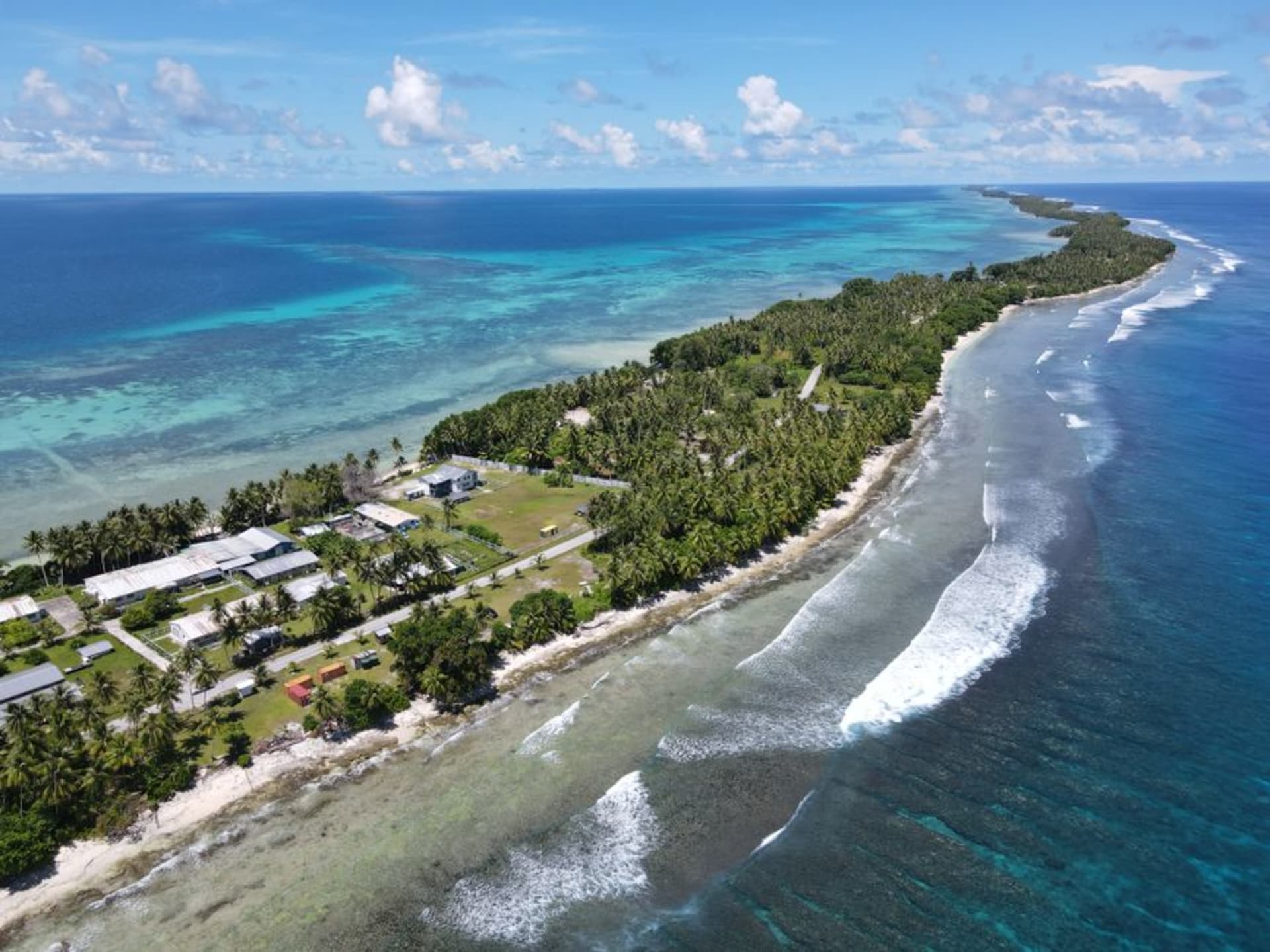
Wotho Atoll
"The lagoon here doesn't move enough to have moods. That took me a full day to trust."
A near-enclosed lagoon so still it barely registers a chop, guarded by a single deep-water pass that the whole atoll's fishing calendar revolves around.

Wotho is one of those atolls that barely registers on a map of the Marshalls, a modest ring of reef and islets in the Ralik chain with a population usually cited somewhere under 100, and it’s precisely that smallness that made it stick with me. The lagoon is almost fully enclosed, with just one real navigable pass on its western side, which means the water inside sits calmer and clearer than almost anywhere else I visited in the country — no real fetch for wind to build a chop, no ocean swell working its way in. I arrived by small boat from a neighboring atoll rather than by air, which is the more common route, and the crossing itself, hours of open water before the reef finally showed as a green smudge, made landing feel like an actual event rather than a formality.

The handful of families living on Wotho’s main islet run their days almost entirely around that one pass — it’s where the fish come and go with the tide, where the reef sharks stage before a hunt, where a man named Kabua took me out at slack tide to free-dive along the drop-off in visibility so clear I could see the boat’s shadow rippling across the sand thirty meters down. He’d grown up diving that same pass his whole life and could read the current by the angle small fish were holding against it, information he tried to teach me for an hour with visibly diminishing patience once it became clear I wasn’t going to retain much of it.
Because so few outsiders make the trip, Wotho carries a stillness that felt different in kind, not just degree, from busier atolls — no outboard motors passing at odd hours, no generator hum except for a couple of hours in the evening, just the sound of the reef working the outer edge of the atoll, audible but distant, like weather happening to someone else. I slept better on Wotho than anywhere else in the country, which I did not expect to be the headline of a trip built around nuclear history and canoe navigation, but there it is.

When to go: Wotho has no scheduled commercial transport; arrange a boat or charter flight through a contact on a neighboring atoll or via the Marshall Islands Visitors Authority. The calmest crossings run December through April, and you should build in flexible days on both ends of the trip.
Keep exploring
More from Marshall Islands
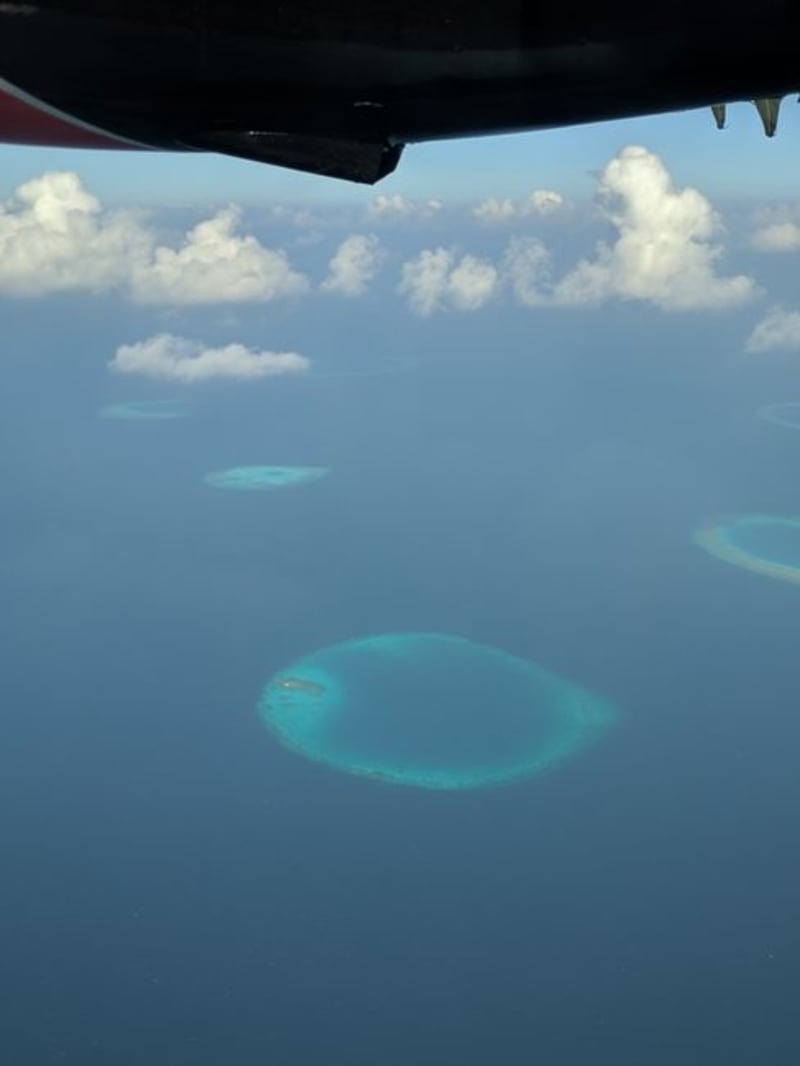 marshall-islands
 Wotje Atoll
Rusting Japanese gun emplacements sinking into coconut groves the locals half-jokingly call the 'Hawaii of the Marshalls.'
Explore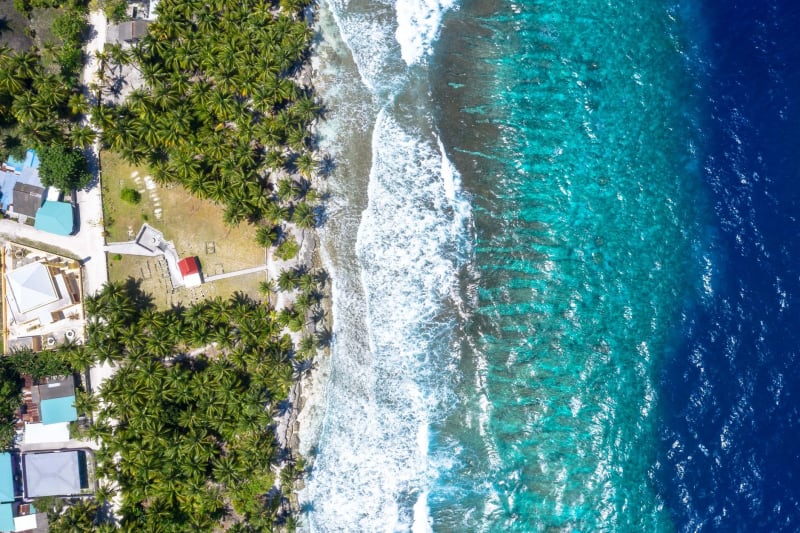 marshall-islands
 Ailinglaplap Atoll
The traditional heartland of Marshallese navigational culture, where stick charts and outrigger canoes are still the primary technologies of knowing the ocean.
Explore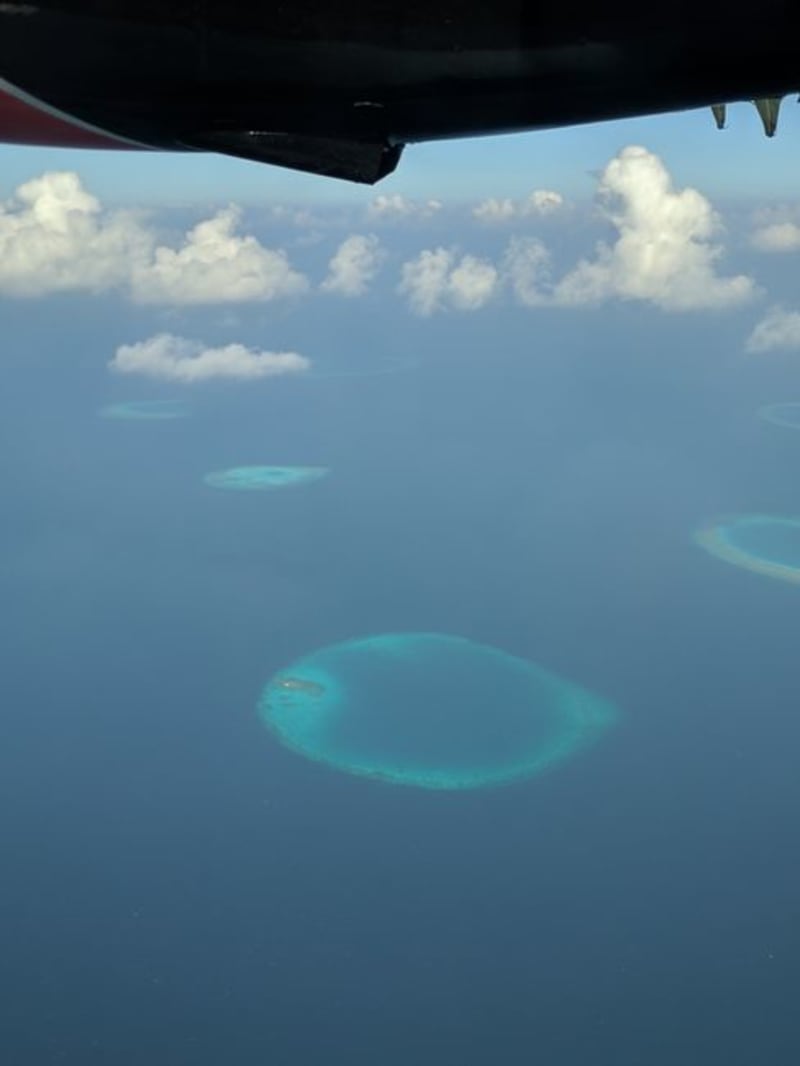 marshall-islands
 Ailuk Atoll
The finest handwoven mats in the Marshalls come from an atoll so remote the supply ship visits maybe six times a year.
Explore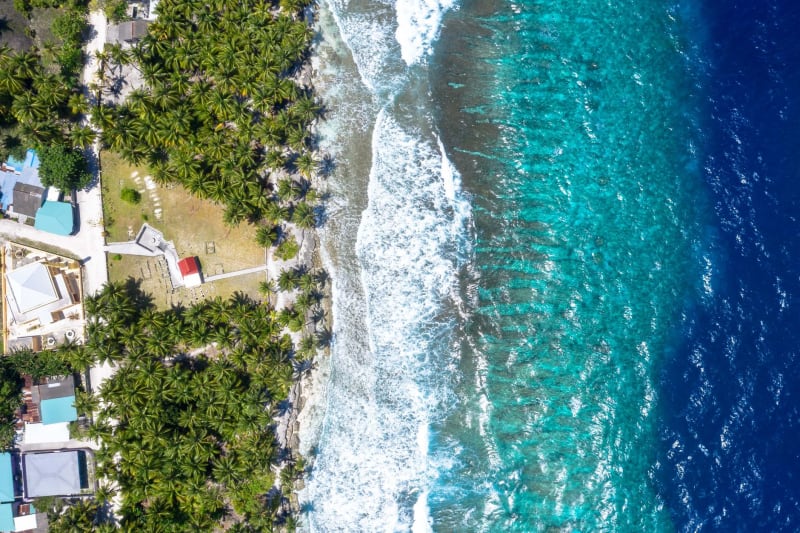 marshall-islands
 Arno Atoll
The quietest thirty-five kilometers from Majuro, where traditional stick-chart navigation still makes more sense than GPS.
Explore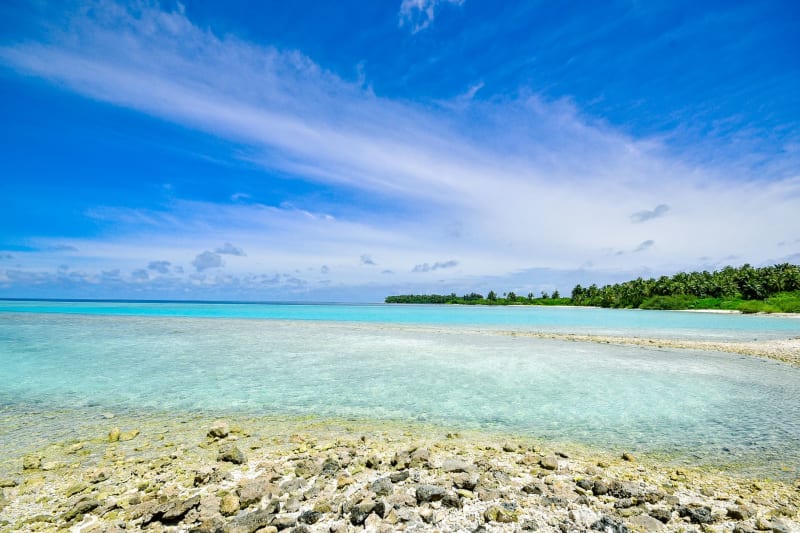 marshall-islands
 Bikini Atoll
A UNESCO World Heritage ghost atoll where you can dive on a nuclear ghost fleet and feel the full weight of the twentieth century.
Explore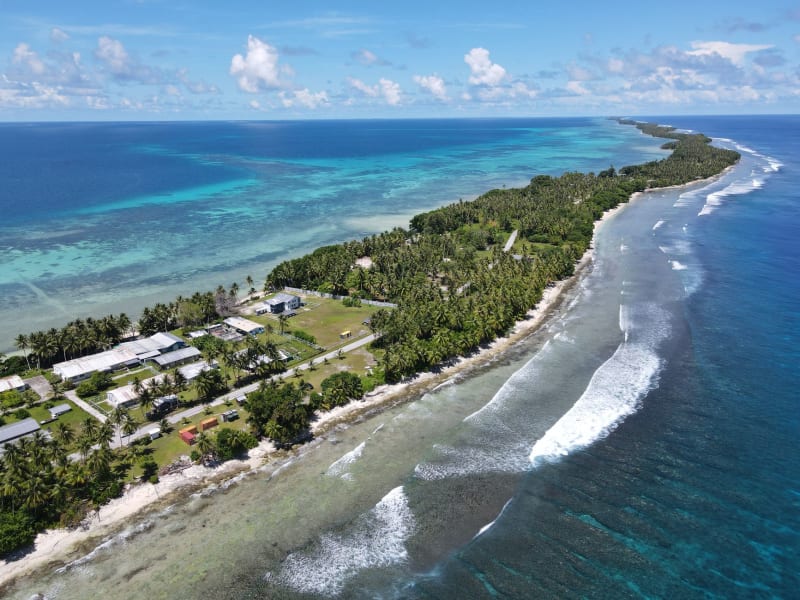 marshall-islands
 Ebeye
One of the most densely populated islands on earth, wedged next to a US military base — the Pacific's most uncomfortable mirror.
Explore