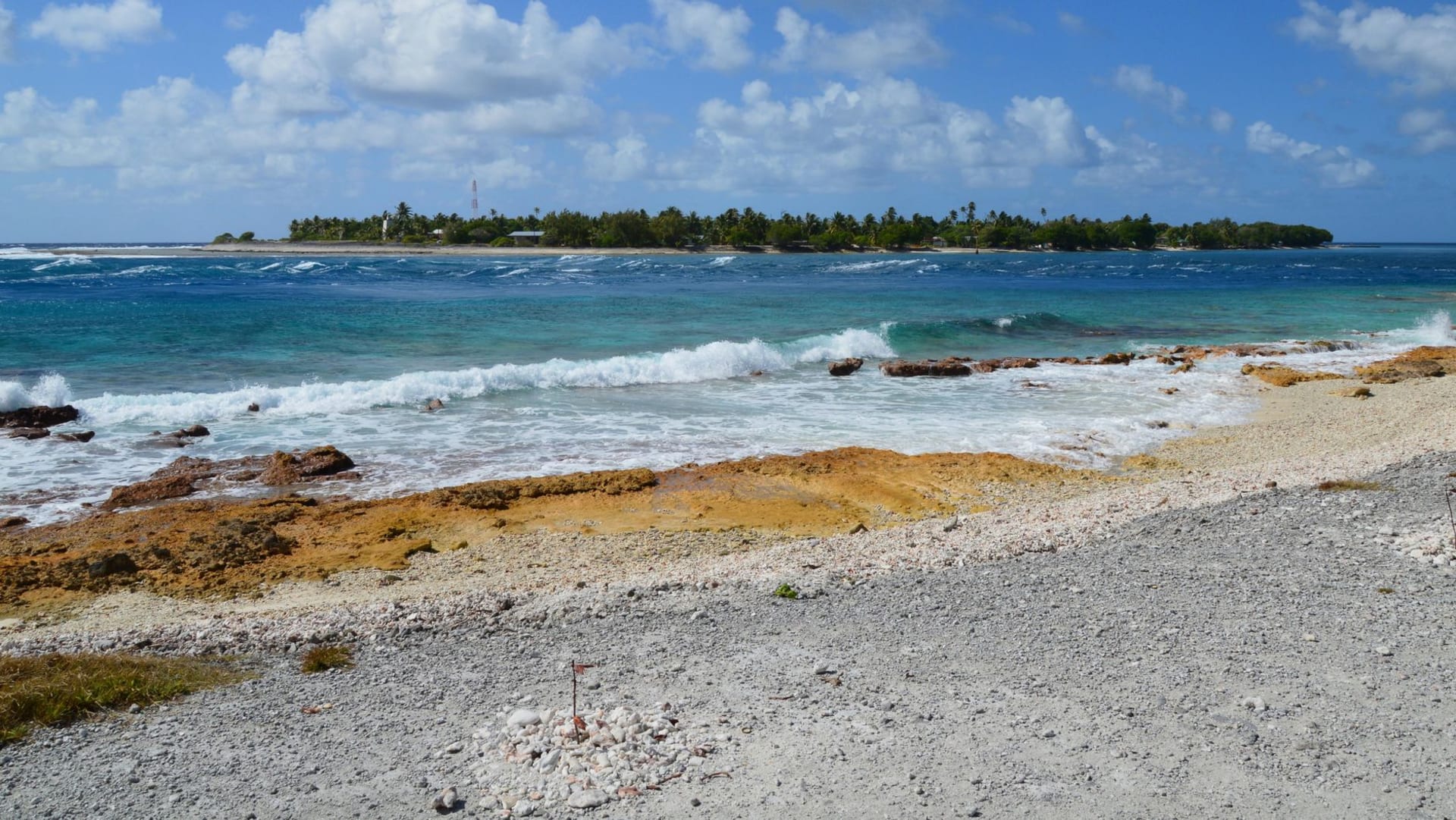
Majuro
"I stood in the middle of the road and could see both oceans at once. That is either terrifying or beautiful. It is both."
A capital city that is also a single road stretched taut between a lagoon and an ocean, daring you not to notice.

The approach into Majuro tells you everything. You are descending over open water, the kind of open water that makes no concessions to drama, and then suddenly there is a runway below you and it is also an island — the same strip of coral and asphalt doing double duty. As the wheels touch down, the lagoon flickers past on the left, that impossible jade green, and on the right the Pacific runs dark and serious toward the horizon. You have landed in the Marshall Islands and you are already somewhere between water and sky with not much land in between.

The urban core is called DUD — Delap-Uliga-Darrit — three neighborhoods strung together along a road that is sometimes two lanes and sometimes one, flanked by small stores selling canned mackerel and instant noodles, a Chinese grocery or two, and the occasional government building sitting behind a fence that has seen better decades. There is a certain end-of-the-road quality to Majuro that I find more honest than melancholy. People move through the heat with an unhurried practicality. The market near Uliga is the social pulse: women in muumuus selling breadfruit and pandanus mats, men bargaining over outboard motors, children eating slices of watermelon in the shade of a corrugated awning. I spent two mornings there before I found something worth photographing, and by then I had stopped wanting to.
On the lagoon side, the water is so calm and so clear that small wooden boats seem to float in midair. I rented a kayak from the Marshall Islands Resort and paddled along the inner shore for an hour, past mangroves and fish traps woven from coconut frond, past children swimming off a dock, past a rusted-out fishing vessel that has been slowly becoming part of the reef for what looks like thirty years. The lagoon does not photograph the way it looks in person — there is a quality of light filtering through water of that color, that shallowness, that cameras render flat and unconvincing.

At the far western tip, away from the DUD, the island widens slightly into what passes for countryside here: a coconut palm road, a small beach at Laura where locals come on weekends, a quiet that is genuinely quiet after the thrum of the capital. I drove out there late one afternoon on a borrowed scooter, parked it under a pandanus tree, and ate cold rice with canned tuna I had bought at a store whose proprietor spoke no English and smiled at everything I said. The beach at Laura faces the lagoon, not the ocean, which means the water is always gentle. A man was cleaning a yellowfin tuna maybe twenty meters away, flicking the guts into the shallows with the casualness of someone who has done this ten thousand times.
When to go: December through March brings the most reliable dry weather and the clearest lagoon visibility. The humidity sits around 80 percent year-round regardless, so pack linen, not cotton. Avoid July through October if you want the most settled conditions, though Majuro rarely sees the severe typhoons that hit islands further north.
Keep exploring
More from Marshall Islands
 marshall-islands
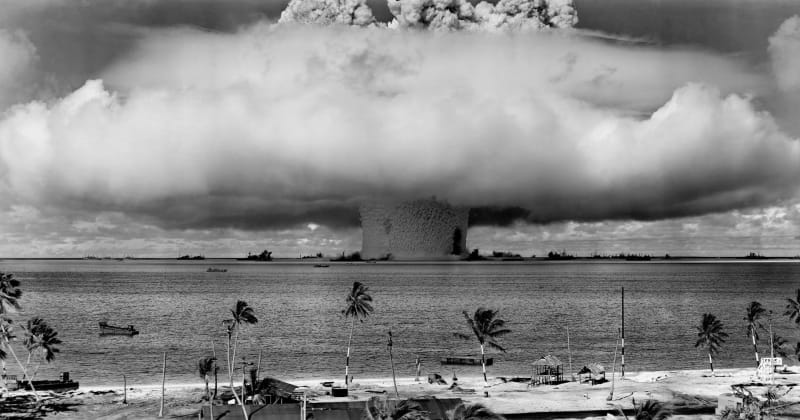
 Maloelap Atoll
A remote atoll where a WWII Japanese airbase has become the accidental centerpiece of some of the most dramatic Pacific island history.
Explore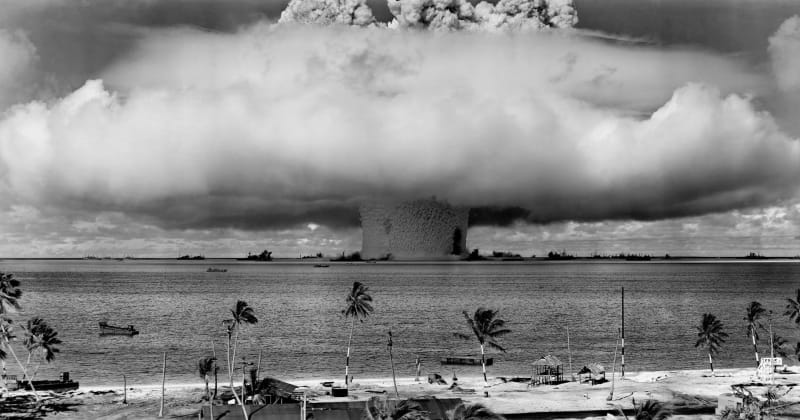 marshall-islands
 Mili Atoll
The southernmost Marshallese atoll — remote enough that a Japanese garrison surrendered here two weeks after WWII officially ended.
Explore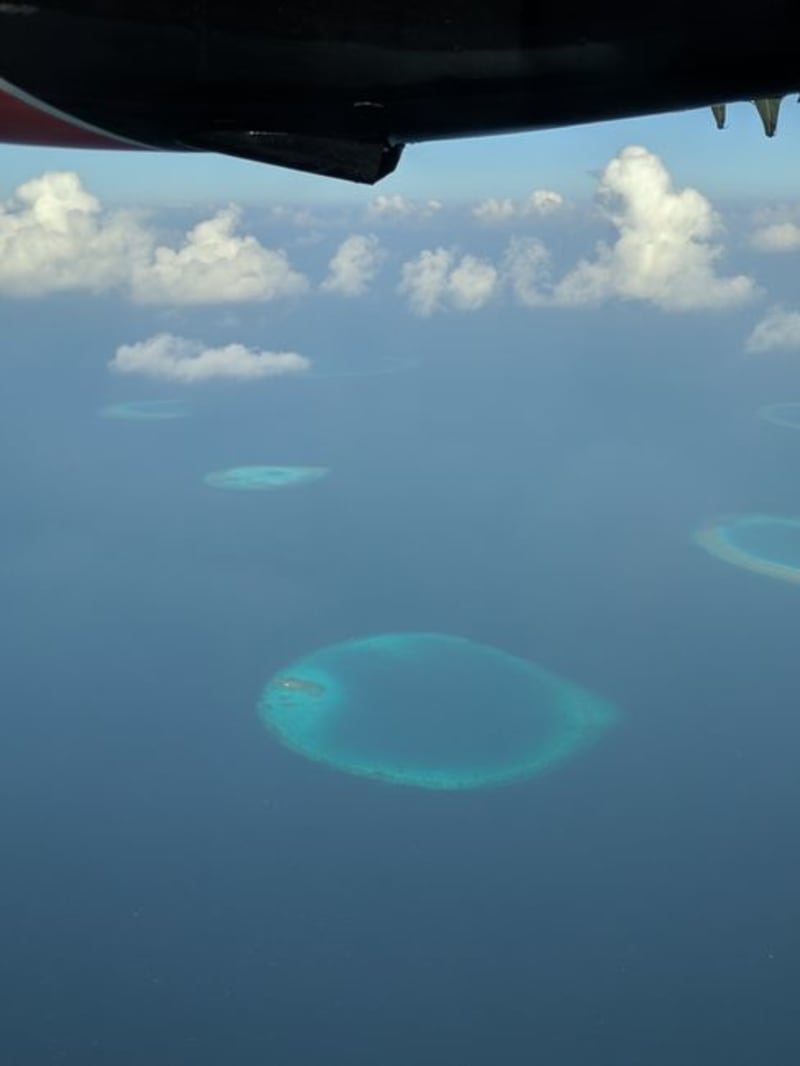 marshall-islands
 Namdrik Atoll
A lagoon closed off from the open ocean, and a community of weavers who treat that isolation as an asset rather than a limitation.
Explore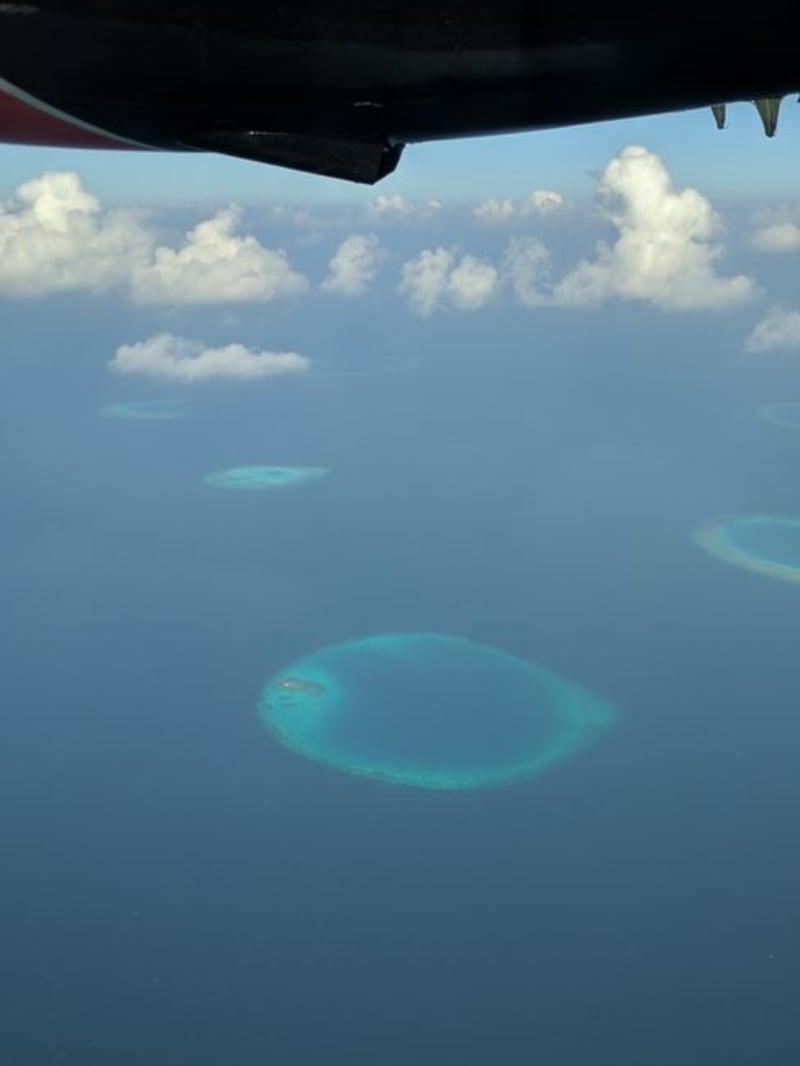 marshall-islands
 Namorik Atoll
A single-islet atoll in the far south where the soil, unusually deep for the Marshalls, grows a taro nobody else in the country can quite match.
Explore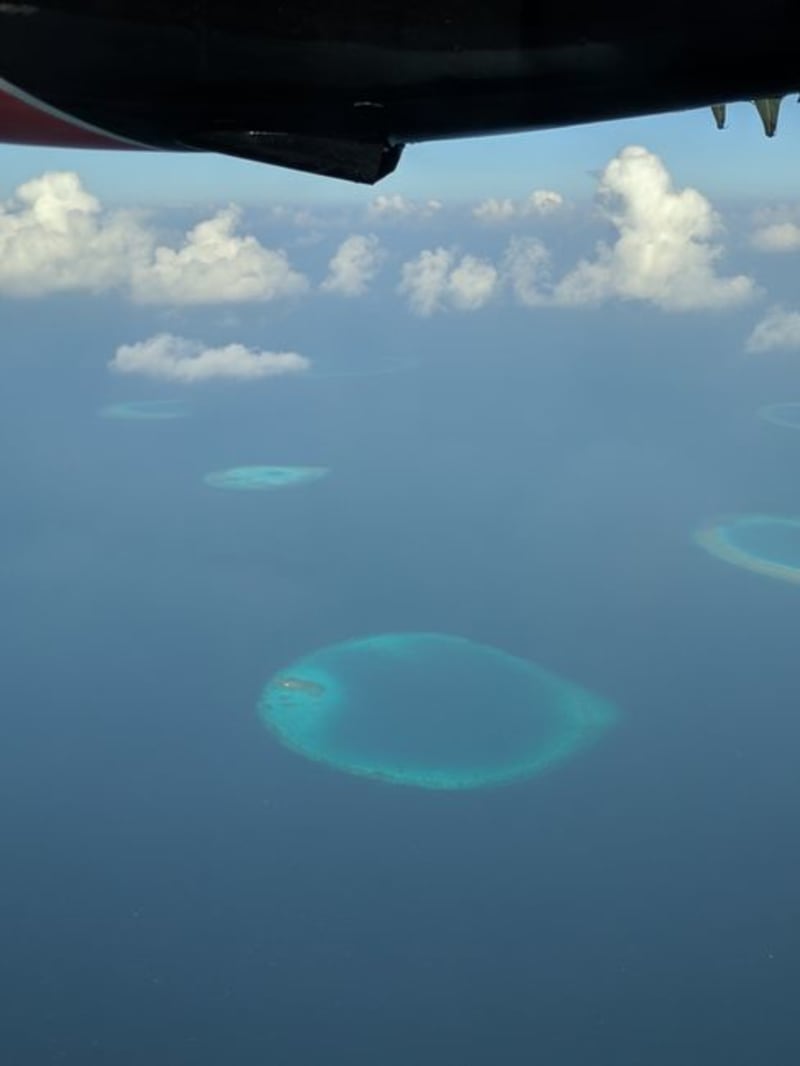 marshall-islands
 Namu Atoll
A copra atoll in the center of the Ralik chain where the working rhythm of the day is set by whichever tree is dropping nuts.
Explore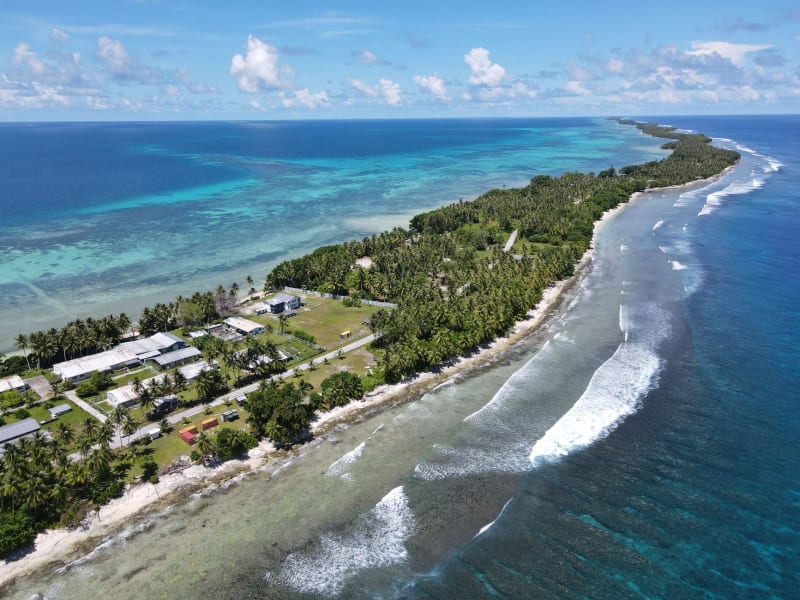 marshall-islands
 Rongelap Atoll
The atoll downwind of Bikini's Castle Bravo test — still partially uninhabited, still beautiful, still carrying a nuclear half-life in its soil.
Explore