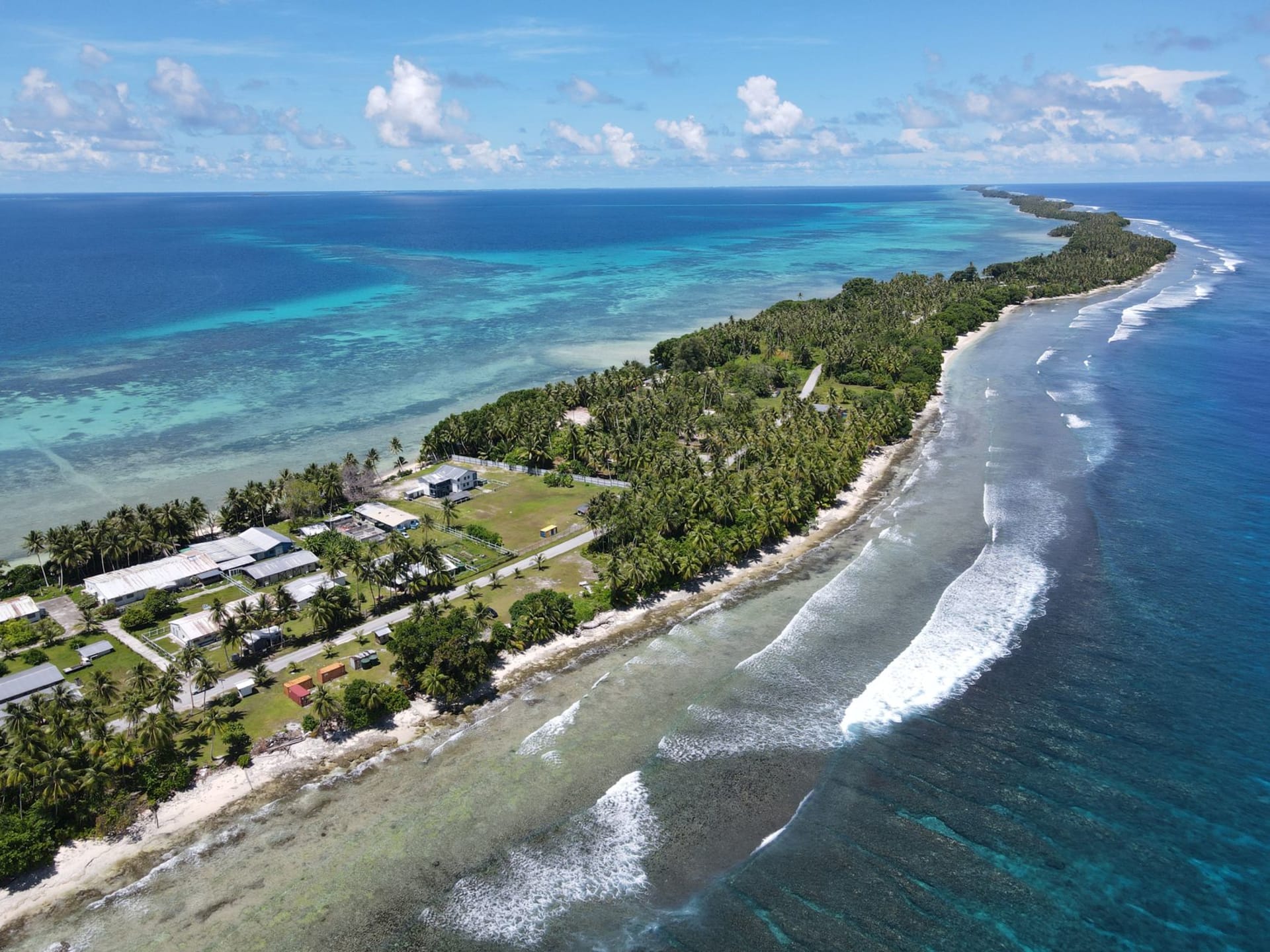
Rongelap Atoll
"The most beautiful place I've ever been that I couldn't stop thinking about leaving."
The atoll downwind of Bikini's Castle Bravo test — still partially uninhabited, still beautiful, still carrying a nuclear half-life in its soil.

On the morning of March 1, 1954, the United States detonated Castle Bravo at Bikini Atoll — a hydrogen bomb fifteen megatons in yield, one thousand times more powerful than the Hiroshima bomb and nearly three times the estimated yield its designers expected. The wind was blowing east. Rongelap Atoll, 150 kilometers downwind, received a heavy fallout of radioactive coral dust within hours. The 64 Rongelapese on the island described it later as a white powder falling like snow that tasted sweet and burned the skin. They were not evacuated for two days.

The government resettled the Rongelapese to Ejit Island in Majuro for three years, then returned them to Rongelap in 1957 with official assurances of safety that were, as documents declassified decades later made clear, not accurate. Cancer rates climbed. Thyroid tumors appeared in children. Miscarriages and birth defects became common enough that the community began to speak of them with the bleak matter-of-factness of people who have run out of alternatives to acceptance. In 1985, the Greenpeace vessel Rainbow Warrior — the same ship that would be bombed by French intelligence three months later in Auckland Harbor — evacuated approximately 300 Rongelapese to Mejato Island on Kwajalein Atoll. They have been in various states of displacement since.
Some partial resettlement has occurred over the past three decades as remediation efforts, funded through US government agreements, have made parts of the atoll habitable. The question of what habitable means in the context of long-lived isotopes in soil and marine life is not one that has a clean answer. The cesium and strontium have shorter half-lives than the plutonium. The plutonium has a half-life of 24,000 years. The coconuts test positive. The clams test positive. The people who have returned are careful about what they eat and careful about which islands within the atoll they spend time on, and they hold these calculations alongside a love for the place that I could hear in every conversation I had about it.
I reached Rongelap by charter boat from Majuro — a 36-hour crossing that spent most of its time in open ocean conditions that made the lower decks inadvisable — and arrived at a partially resettled island of perhaps 30 to 40 people, a rebuilt school, a community center, a small medical facility. The lagoon was extraordinary in the way Marshallese lagoons are extraordinary — clear, warm, full of reef fish, the coral along the outer wall in good condition. A woman named Hilde, whose grandmother had been on Rongelap the morning of the test, walked me along the lagoon shore in the late afternoon and talked about what it meant to be home in a place that was not quite fully safe. “We know the risks,” she said. “We know the other risk too. Of never coming back.”
When to go: Access to Rongelap requires advance coordination with the Rongelap Atoll Local Government and the Marshall Islands Visitors Authority. Charter boat from Majuro is typically the only option. Visits are sensitive — go prepared to listen more than to observe, and understand that you are entering a community still processing an ongoing injustice.
Keep exploring
More from Marshall Islands
 marshall-islands
 Ujae Atoll
One of the smallest inhabited atolls in the Ralik chain, where the entire population could fit in a single Majuro classroom.
Explore marshall-islands
 Utrik Atoll
The fallout from Castle Bravo drifted here in 1954, and the people who came home still live with what that meant, decades on.
Explore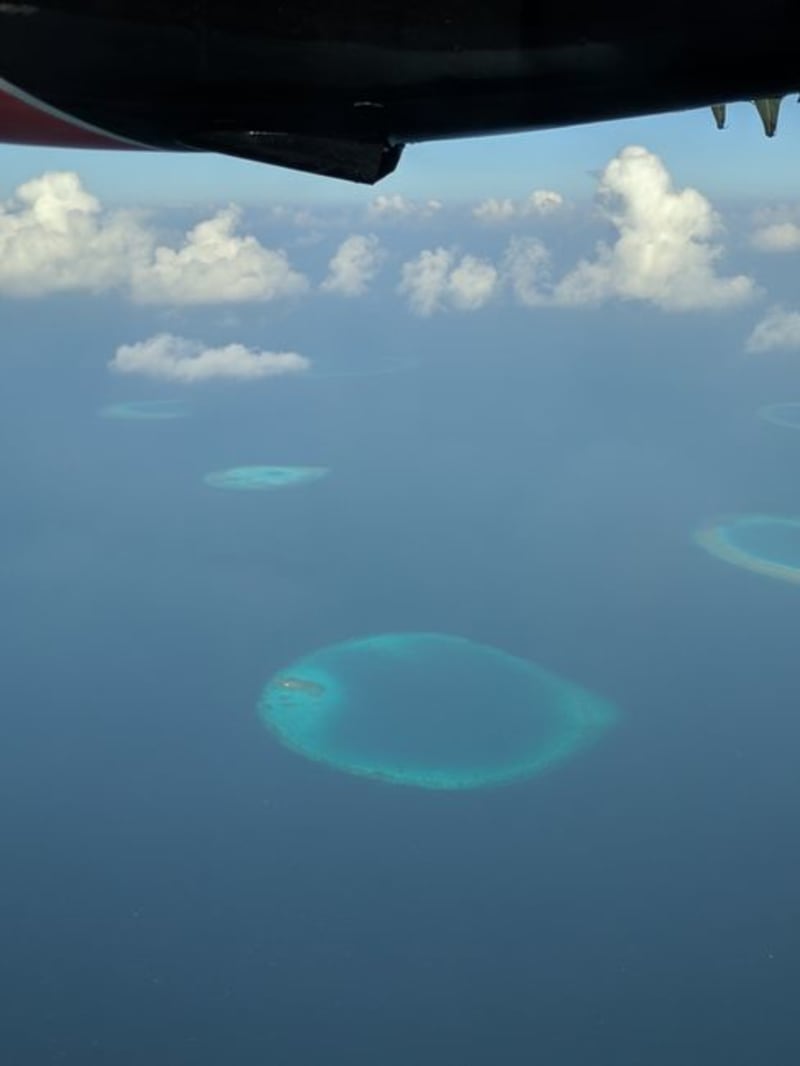 marshall-islands
 Wotho Atoll
A near-enclosed lagoon so still it barely registers a chop, guarded by a single deep-water pass that the whole atoll's fishing calendar revolves around.
Explore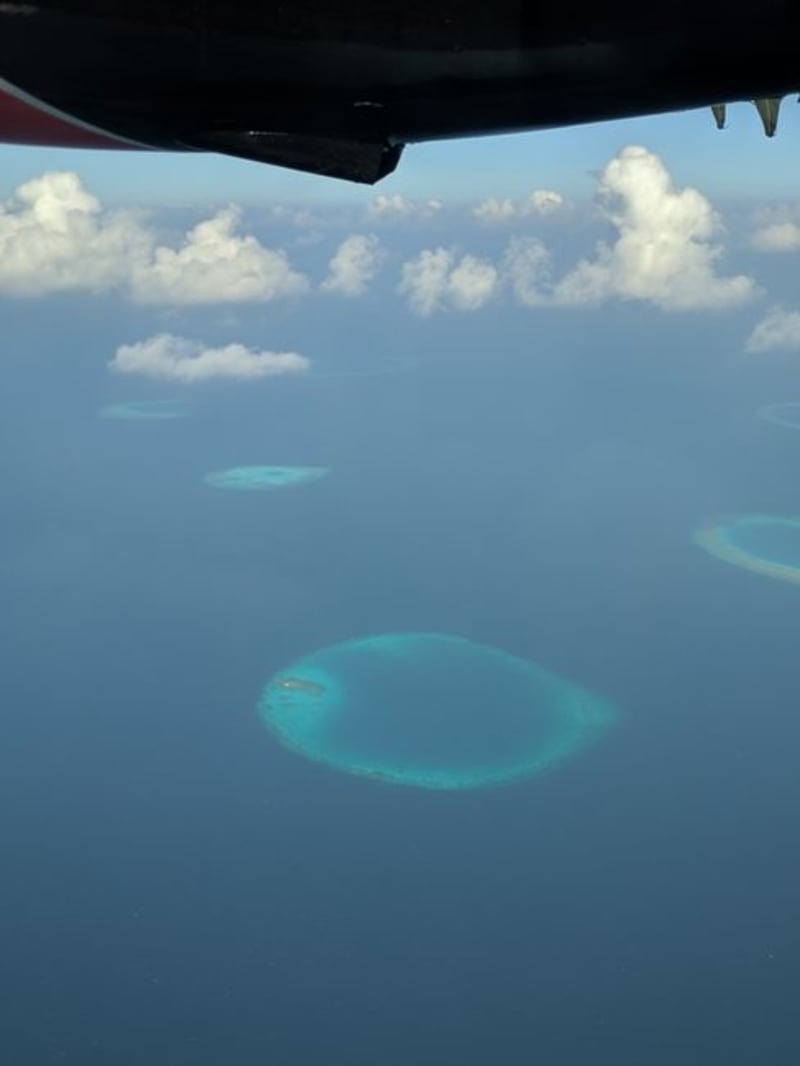 marshall-islands
 Wotje Atoll
Rusting Japanese gun emplacements sinking into coconut groves the locals half-jokingly call the 'Hawaii of the Marshalls.'
Explore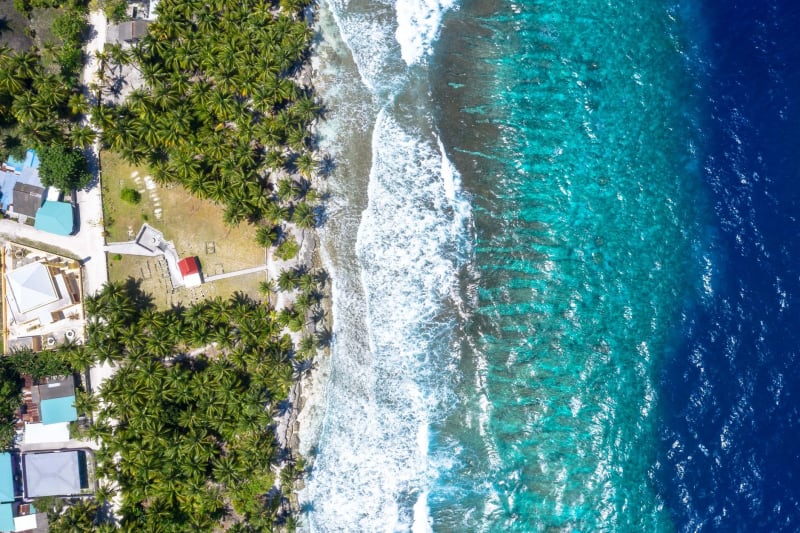 marshall-islands
 Ailinglaplap Atoll
The traditional heartland of Marshallese navigational culture, where stick charts and outrigger canoes are still the primary technologies of knowing the ocean.
Explore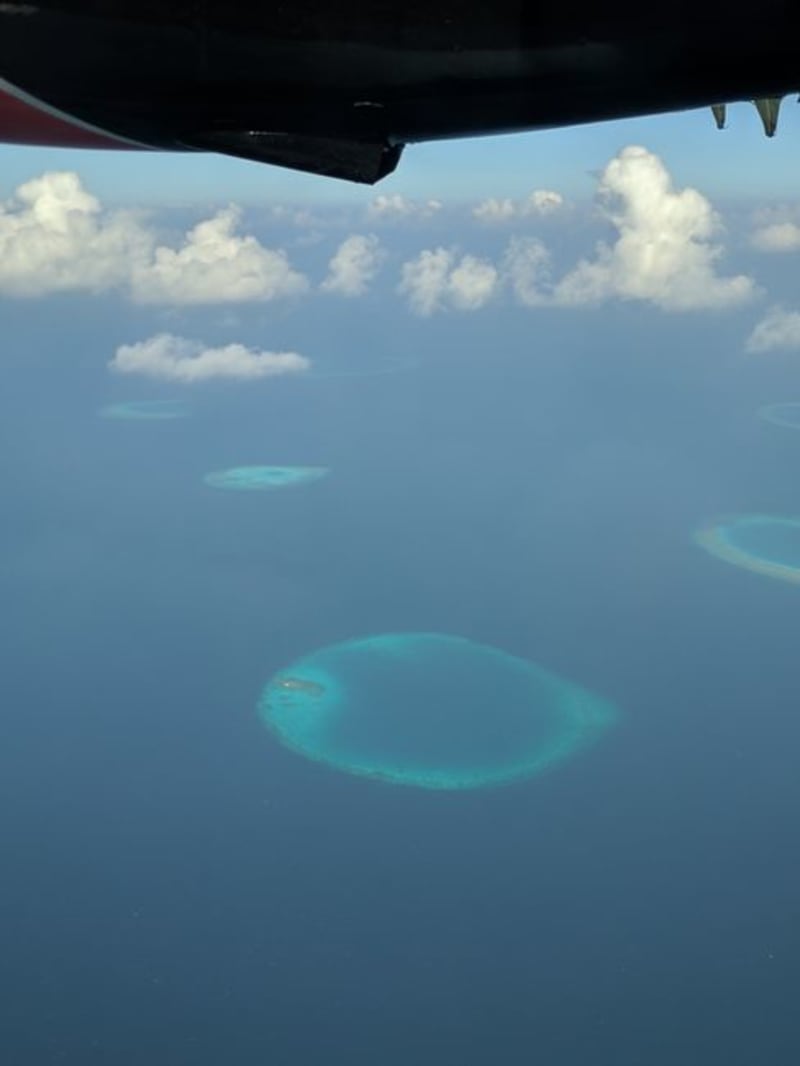 marshall-islands
 Ailuk Atoll
The finest handwoven mats in the Marshalls come from an atoll so remote the supply ship visits maybe six times a year.
Explore