
Mili Atoll
"The war ended. Nobody told the soldiers here for two weeks. I think about that a lot."
The southernmost Marshallese atoll — remote enough that a Japanese garrison surrendered here two weeks after WWII officially ended.

Mili Atoll is at the southeastern edge of the Marshalls and the outer edge of where inter-island flights reliably reach. I went on a Monday, which the airline’s schedule suggested as a regular service, and landed on a coral airstrip that appeared not to have been graded since the previous dry season. The plane, a twin-prop with twelve seats and a cargo net in the rear, bounced twice and settled. The airstrip was otherwise empty. A man with a bicycle waited at the edge of the palm trees. He turned out not to be waiting for me — he was waiting for a bag of rice that had been promised on the previous week’s flight and still hadn’t arrived.

Mili has about 800 inhabitants across a scattering of islets, most of them engaged in subsistence fishing and small-scale copra production. There is no hotel. I stayed with a family who had been contacted through the visitors authority, in a guest room that had a bed, a window with a view of the lagoon, and a gecko on the wall that I named Yves and whose insect-catching efficiency I came to appreciate. The family fed me rice with fresh reef fish every morning and evening and once, as a treat, a plate of pumpkin cooked with coconut cream that was the best thing I ate in the Marshalls by a considerable margin.
The atoll carries the same WWII weight as most of the Marshalls — the Japanese built an airbase here, which the Americans bombed throughout 1943 and 1944. But Mili holds a particular historical footnote: the Japanese garrison of about 2,600 men was bypassed rather than invaded, left to slowly run out of supplies while the American advance moved west toward the Marianas. The garrison surrendered on September 2, 1945 — the same day Japan formally surrendered in Tokyo Bay — but news didn’t reach Mili until two weeks later. For that fortnight, 2,600 men were still at war on this atoll while the war was over. Somehow this strikes me as a more precise image of how history actually moves than any of the famous photographs.

The Japanese airstrip foundations are still visible in the vegetation — long rectangles of compacted coral overgrown with coconut palms, the edges crumbling into the lagoon. Storage bunkers with collapsed roofs. Antiaircraft gun emplacements grown over with flowering vines. I walked through them one morning with a teenage boy named Jomar who served as an unofficial guide, pointing out which bunkers still had steel doors and which had been stripped for building materials. He was matter-of-fact about all of it. “The Japanese were here a long time,” he said, as if explaining something simple. “They left a lot of things.”
When to go: Mili is served by infrequent inter-island flights from Majuro — check schedules well in advance and build in flexibility for cancellations. December through March is the best weather window. Accommodation must be arranged through community contacts or the Marshall Islands Visitors Authority before arrival. Bring food supplies to supplement what the family can provide.
Keep exploring
More from Marshall Islands
 marshall-islands
 Namdrik Atoll
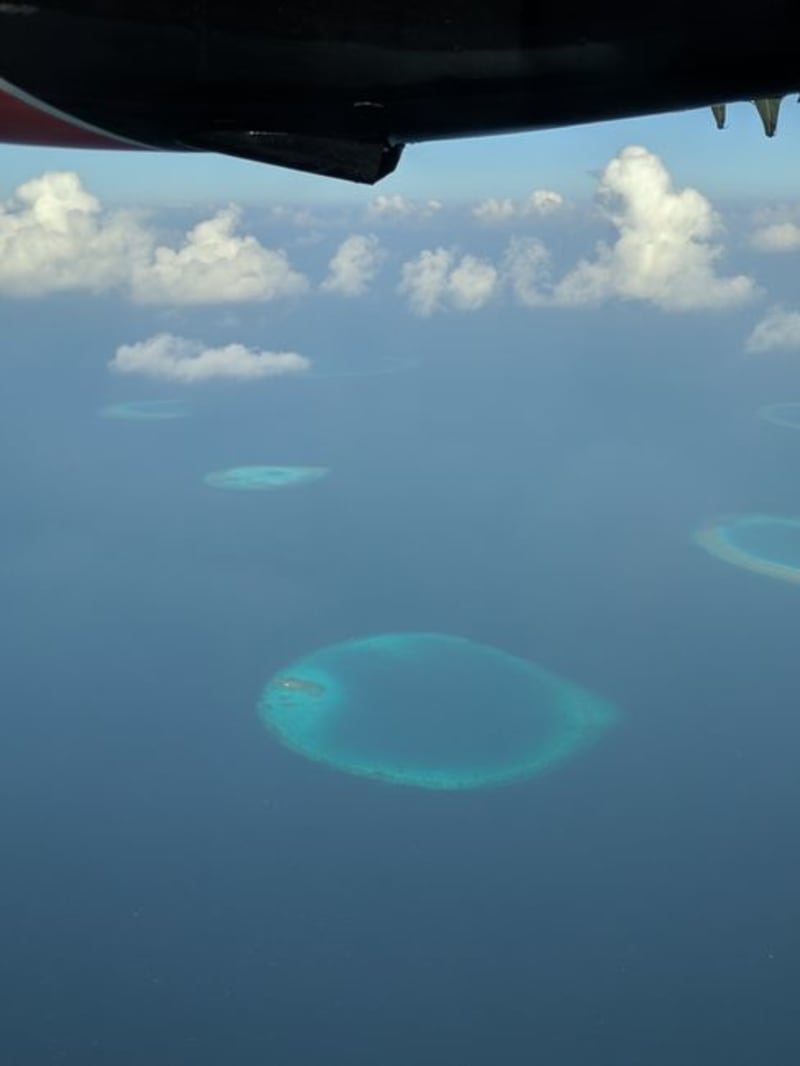
A lagoon closed off from the open ocean, and a community of weavers who treat that isolation as an asset rather than a limitation.
Explore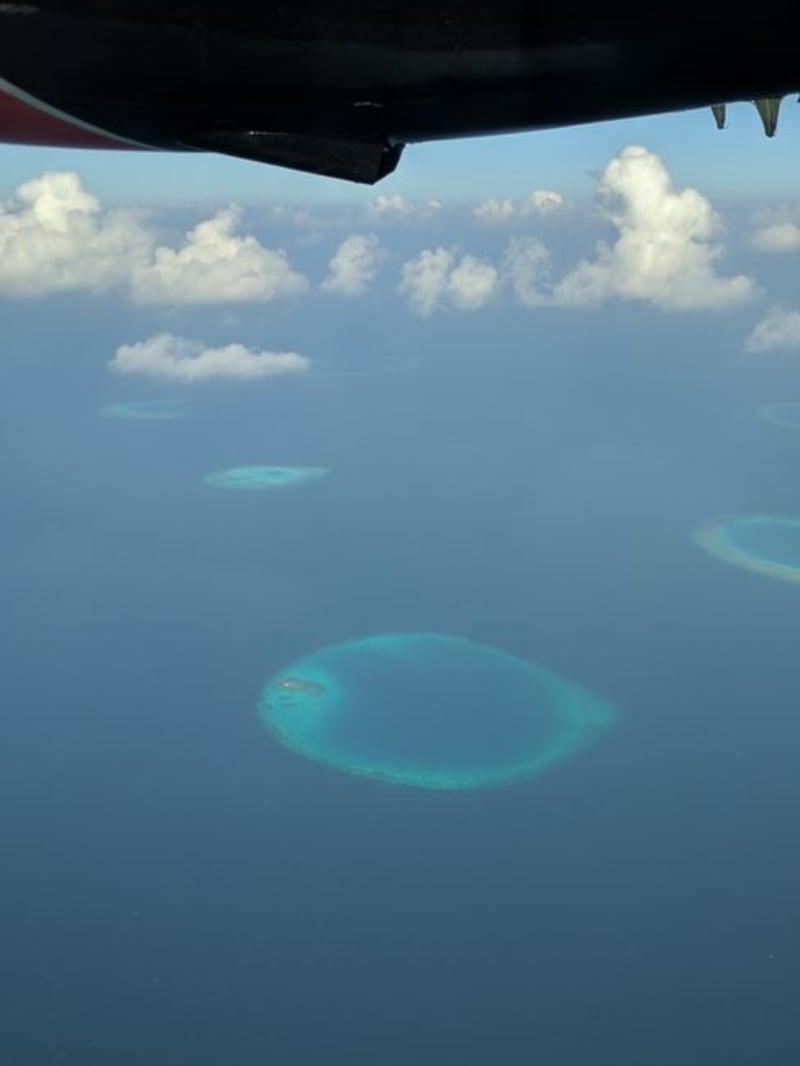 marshall-islands
 Namorik Atoll
A single-islet atoll in the far south where the soil, unusually deep for the Marshalls, grows a taro nobody else in the country can quite match.
Explore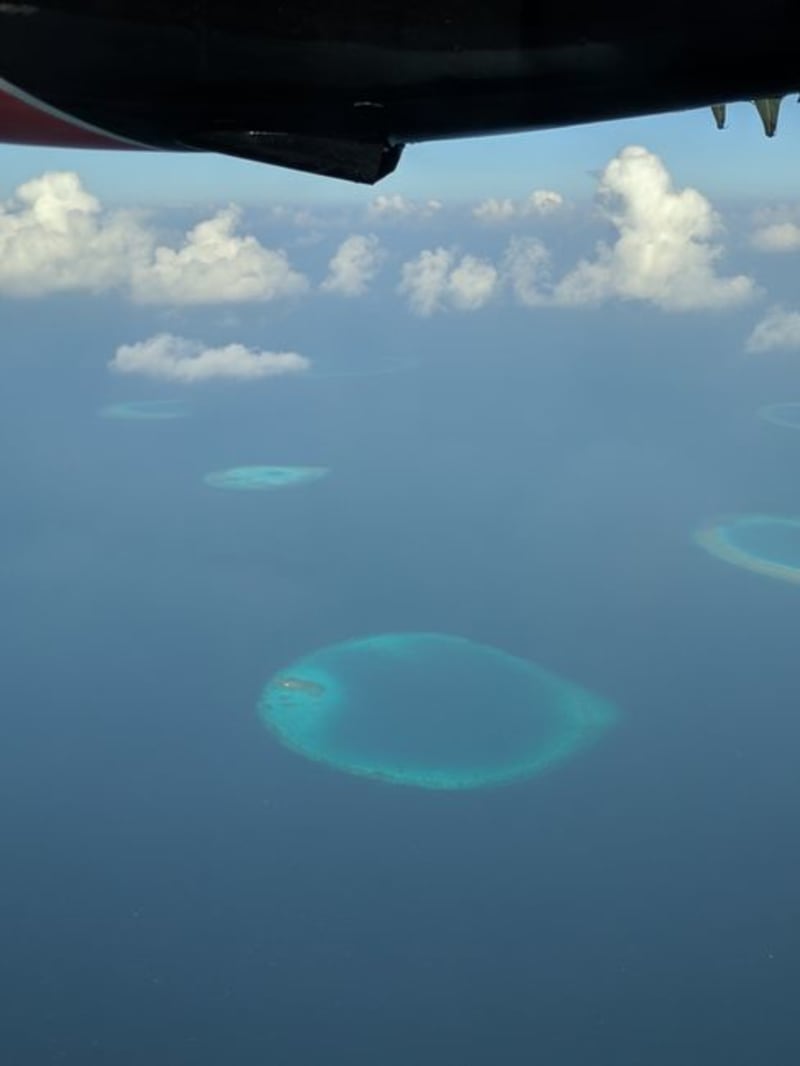 marshall-islands
 Namu Atoll
A copra atoll in the center of the Ralik chain where the working rhythm of the day is set by whichever tree is dropping nuts.
Explore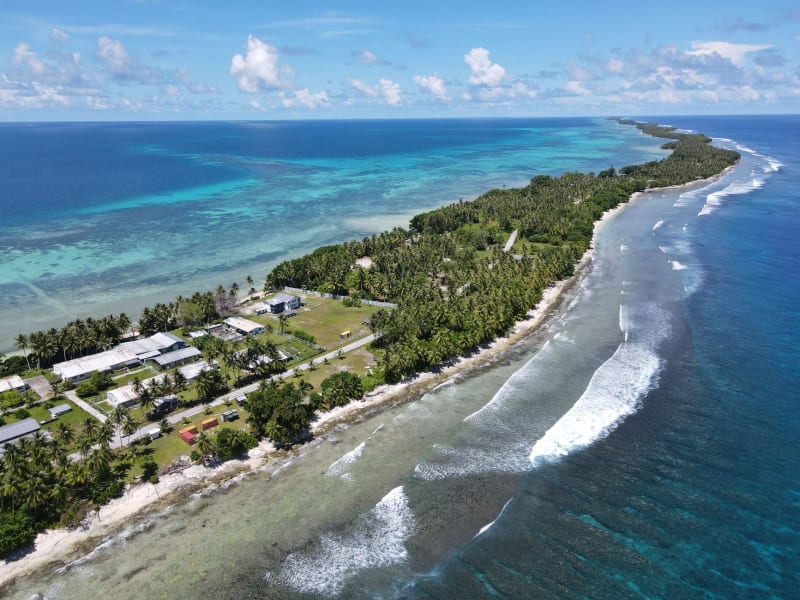 marshall-islands
 Rongelap Atoll
The atoll downwind of Bikini's Castle Bravo test — still partially uninhabited, still beautiful, still carrying a nuclear half-life in its soil.
Explore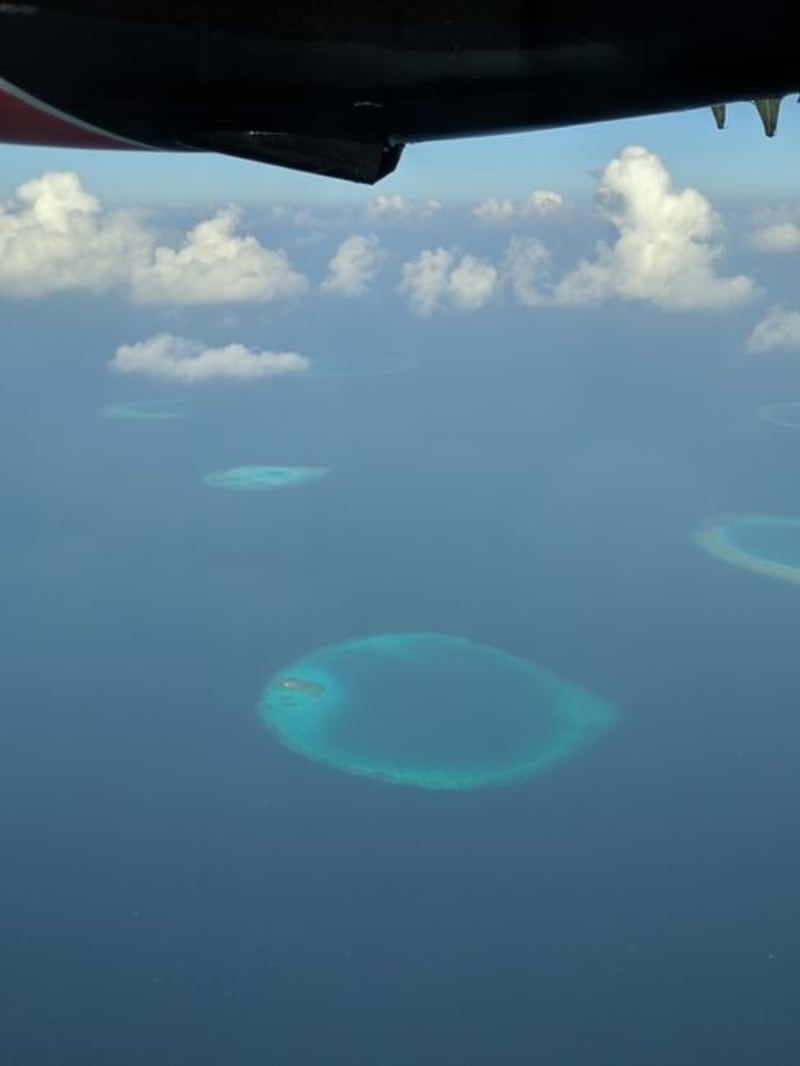 marshall-islands
 Ujae Atoll
One of the smallest inhabited atolls in the Ralik chain, where the entire population could fit in a single Majuro classroom.
Explore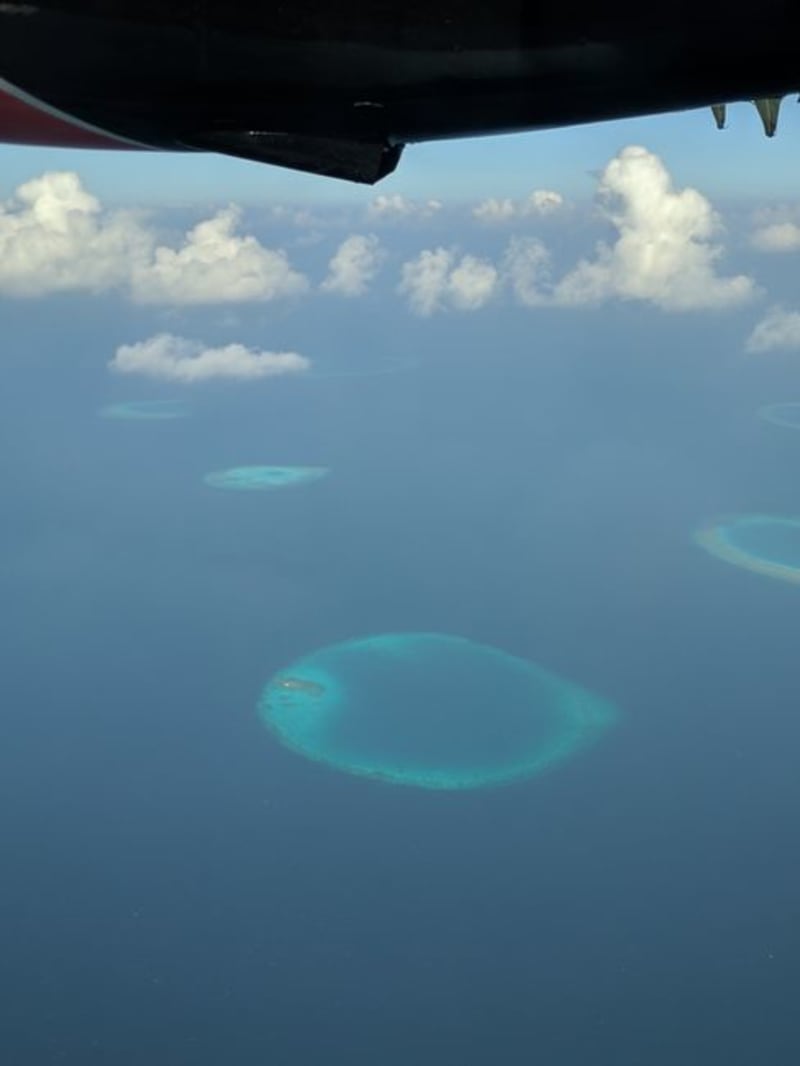 marshall-islands
 Utrik Atoll
The fallout from Castle Bravo drifted here in 1954, and the people who came home still live with what that meant, decades on.
Explore