
Marsaxlokk
"The fish arrives at the table so fresh it still smells like the harbor it came from."
A fishing village where luzzus bob in eye-of-osiris rows and the Sunday market sells swordfish steaks as thick as your forearm.

Nobody comes to Malta for a fishing village and then leaves thinking about anything else. Marsaxlokk ambushed me that way. I’d taken a bus from Valletta with low expectations — a quick morning trip, maybe a coffee, back before lunch — and I ended up staying five hours, eating more than I should have, and missing the last bus on purpose.
The Harbor at Dawn
I made the mistake of arriving mid-morning on a Sunday, which meant the fish market was already half-packed away and the luzzus were outnumbered by tourist tables. Go earlier — before nine if you can manage it. The boats come in between six and seven, the catch laid out on ice while the fishermen argue price in Maltese, which sounds like Arabic filtered through Italian and shouted through a megaphone. The colors on the luzzus are not subtle. Yellow, red, blue, white — and on every prow, the Eye of Osiris staring out at the water. This is an old Phoenician tradition and the boats look genuinely ancient even when they’re new. You can’t fake the shape of a luzzu; it’s a design that hasn’t changed in three thousand years because it didn’t need to.
Fish Market Logistics
Sunday is the main market day, when the waterfront fills with vendors selling not just fish but vegetables, honey, lace, and cheese that smells like it’s been aged in a cave (because it has). I bought a piece of ħobż biż-żejt — a thick sourdough roll rubbed with tomato paste, drizzled with olive oil, loaded with capers and sun-dried tomatoes — from a woman who didn’t speak English and didn’t need to. The transaction was entirely in pointing. The roll was dense and salty and tasted like something that had no equivalent in any city restaurant I’ve ever been to.
Eating Along the Waterfront
The restaurants lining the harbor all serve essentially the same menu, which is fine because the menu is excellent. I had grilled lampuki — a mahi-mahi caught only in Maltese waters in autumn — and a plate of fried rabbit that arrived with fries so hot I burned my fingers. Lia ordered the octopus, slow-cooked until it was soft enough to cut with a fork, served in its own ink with a wedge of lemon. We ate slowly. There was no reason not to.
Beyond the Harbor
Marsaxlokk sits at the edge of a broad bay that curves south toward the power station — not picturesque, but honest. Walk west along the waterfront past the restaurants and the path becomes quieter: salt flats, low scrub, a few cats asleep in the sun. The bay is shallow and clear here, not a swimming beach exactly, but the kind of water you want to look at for a while before going back to where the food is.
When to go: Year-round, but the Sunday fish market runs at full scale from late spring through October. The lampuki fishing season is September and October — if you’re there in autumn, order it everywhere you see it. July and August the village fills with tourists; arrive early to see the boats before the crowds arrive.
Keep exploring
More from Malta
 malta
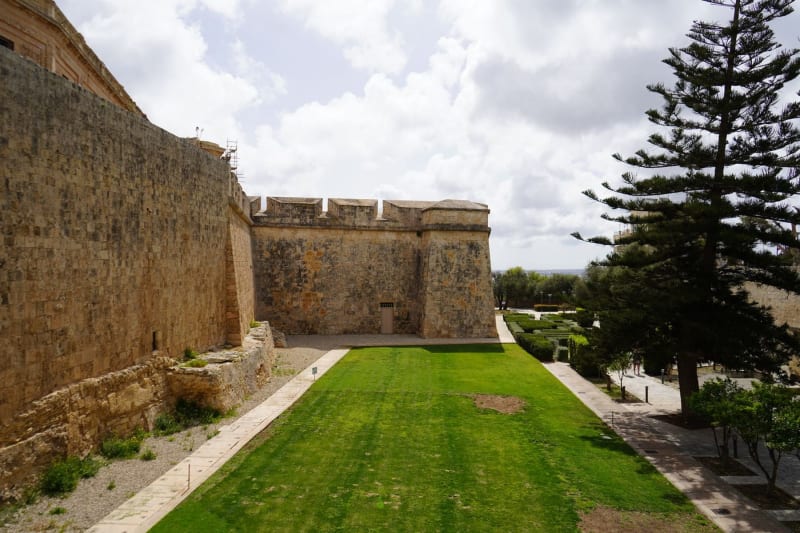
Mdina
The Silent City — a walled medieval hilltop fortress where cars are forbidden, and you walk through narrow limestone lanes into pure antiquity.
Explore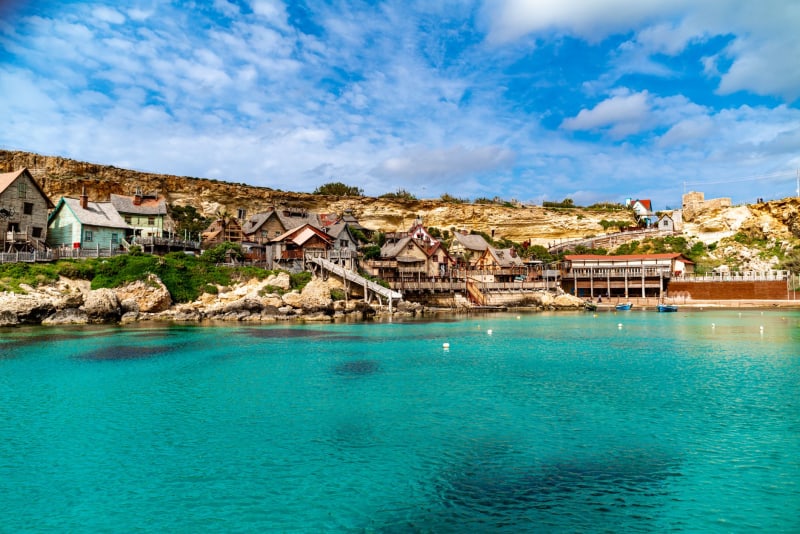 malta
Mellieha
The north end of Malta where the island tapers toward Gozo and the country's only proper sandy beach spreads wide enough to actually lose yourself on it.
Explore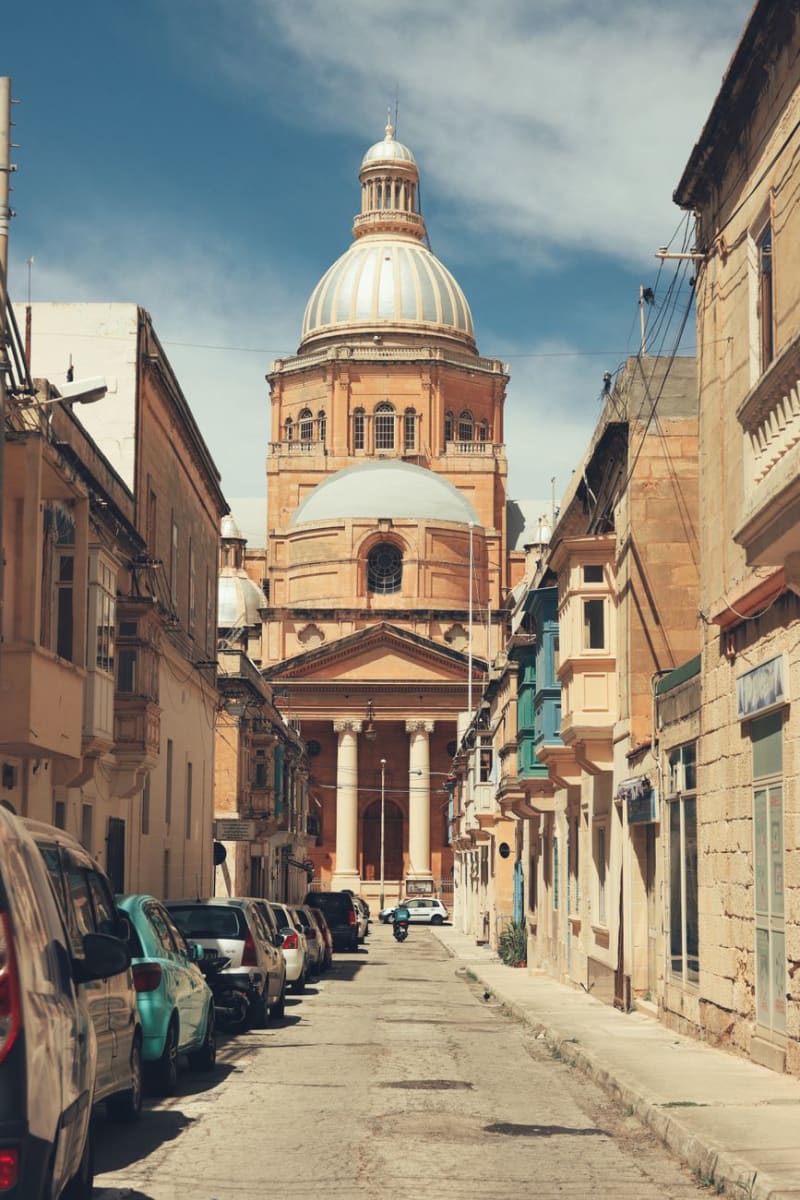 malta
Mosta
A workaday Maltese town crowned by one of the largest unsupported domes on earth — and the unexploded bomb that fell through it and changed nothing.
Explore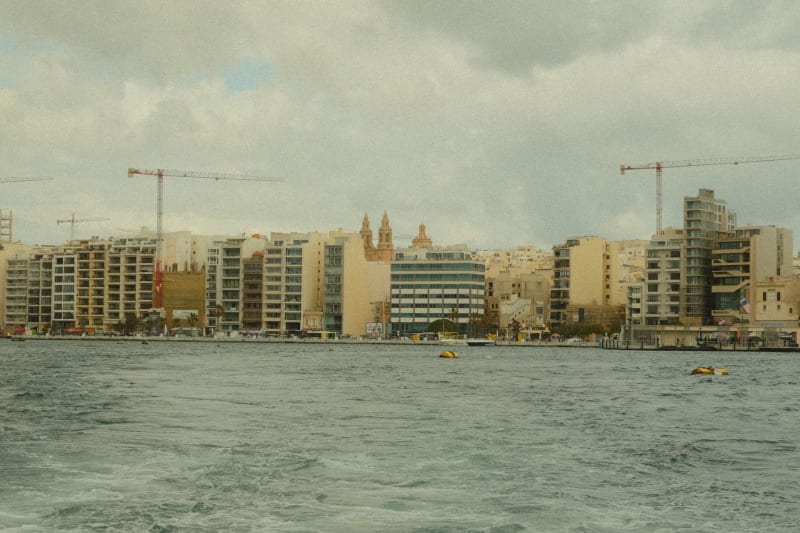 malta
Sliema
The seafront promenade across the bay from Valletta, where Maltese families walk at dusk and the ferry crosses every half hour between two different centuries.
Explore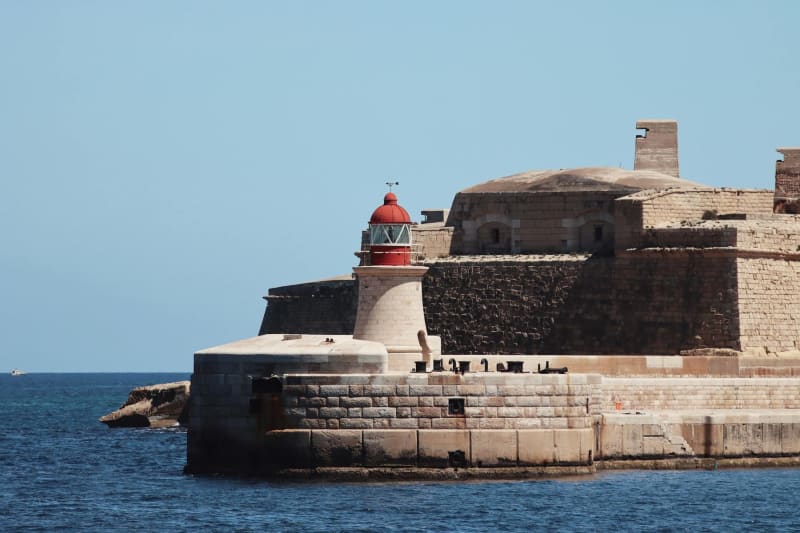 malta
Valletta
Europe's smallest capital packs an extraordinary density of baroque palaces, Caravaggio paintings, and honey-gold limestone onto a fortified peninsula.
Explore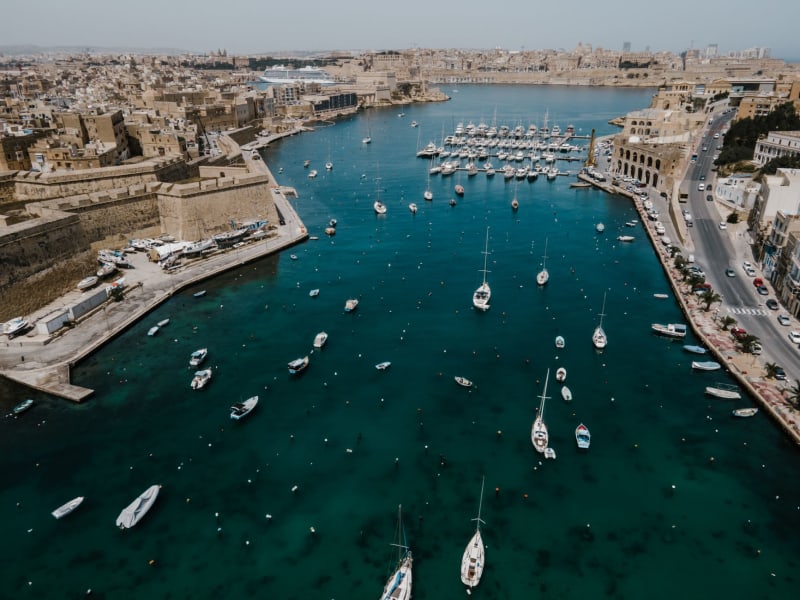 malta
Birgu
Older than Valletta and half as visited, Birgu sits across the Grand Harbour wearing its Knights-era fort walls like a coat that still fits perfectly.
Explore