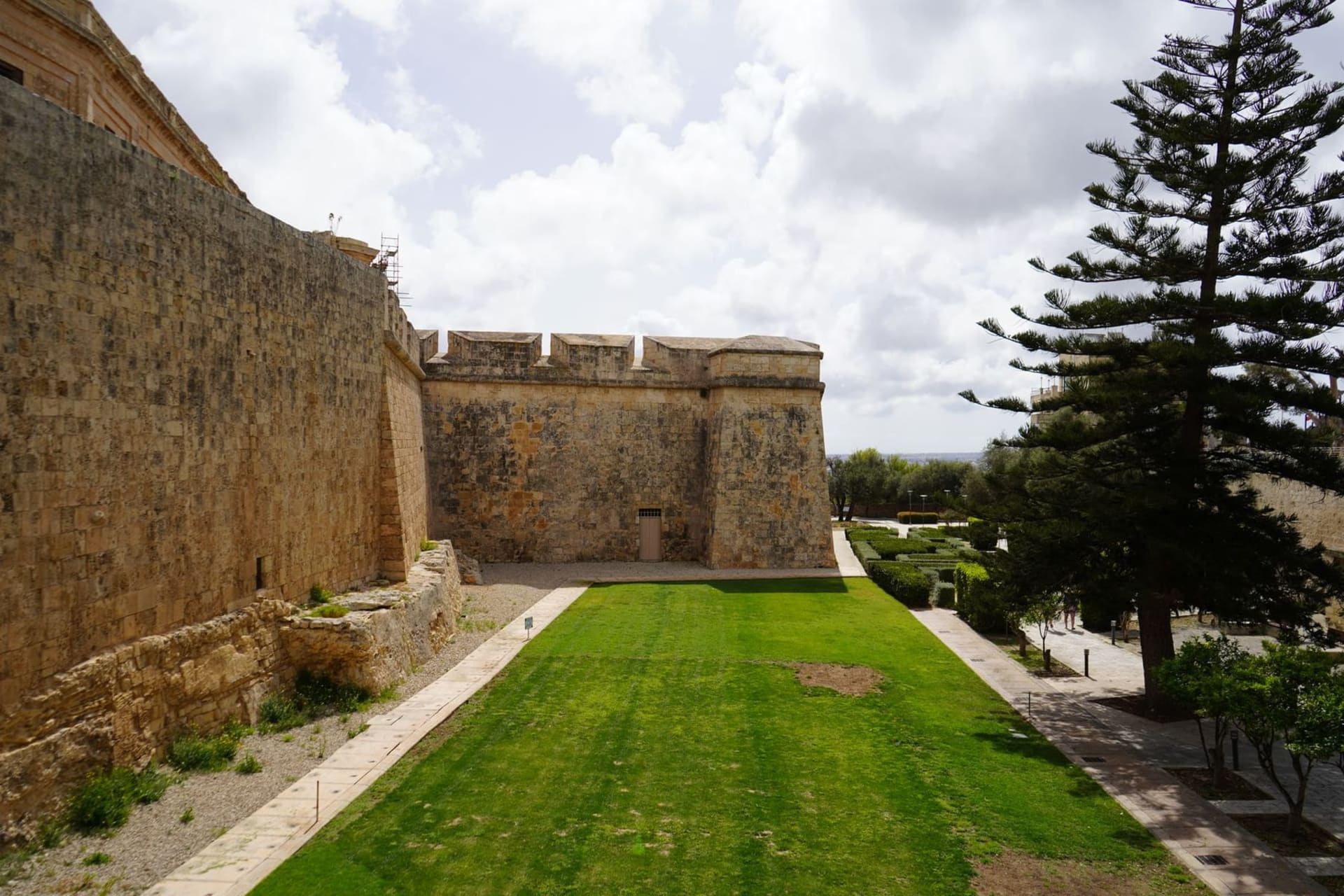
The Silent City — a walled medieval hilltop fortress where cars are forbidden, and you walk through narrow limestone lanes into pure antiquity.

There is a gate in Malta that marks the end of the present tense. You pass through Mdina’s main entrance — the baroque Mdina Gate, built by the Knights of St John in 1724 — and the engine noise from the Rabat road behind you simply stops. Not fades. Stops. The limestone absorbs it. The walls, two metres thick in places, are not architecture so much as geological fact.
The Grammar of Narrow Streets
Triq Villegaignon is the main artery through the city and it barely accommodates two people walking abreast. The buildings on either side lean close, turning afternoon sun into angled shafts that hit the pale globigerina limestone and make it glow amber from within. I kept pressing my palm flat against the walls as we walked — the stone warm, almost body temperature, as though the city were alive and I was checking its pulse.
Lia stopped at a wrought-iron window grille on Triq San Pawl and peered through at a courtyard garden no one would ever see from the street: lemon tree, a rusted chair, a cat asleep on a ledge. The Silent City contains hundreds of these private interiors, whole domestic worlds hidden behind anonymous facades. You sense inhabitants you never see.
Fontanella and the Unexpected View
I had not expected cake. But at Fontanella Tea Garden, built into the old bastion walls at the city’s edge, they bring you the most aggressively layered chocolate cake in the Mediterranean and seat you on a terrace with a view across the entire Maltese interior — patchwork limestone fields, the dome of Mosta in the middle distance, the sea a pale smudge beyond. It felt like an absurd reward for doing nothing except walking slowly through old streets. We ordered a second slice. Some discoveries ask for that.
After the Day-Trippers Leave
Mdina’s population today is under three hundred people. By four in the afternoon most tour groups have retreated to Valletta, and what remains is close to silence of a kind I have not found anywhere else. The Cathedral of St Paul — built over the site where the apostle allegedly converted the Roman governor Publius — was empty when I walked in at five. The marble floor, the oil paintings dark with age, the smell of cold stone and old incense. Not a performance of history. History itself, still underway.
When to go: Spring (April to early June) and autumn (September to October) offer the best combination of mild temperatures and thinner crowds. Avoid the peak of July and August if you want the narrow lanes to feel like contemplation rather than a crowd simulation.
Keep exploring
More from Malta
 malta
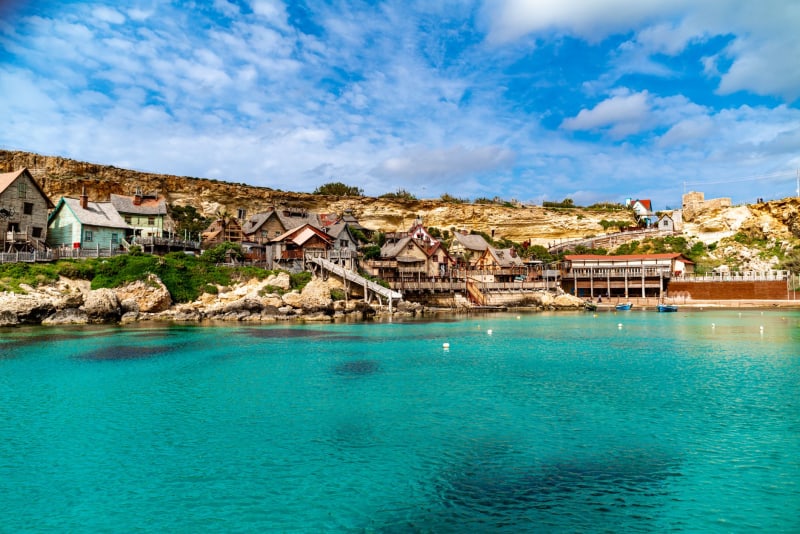
malta Mellieha
The north end of Malta where the island tapers toward Gozo and the country's only proper sandy beach spreads wide enough to actually lose yourself on it.
Explore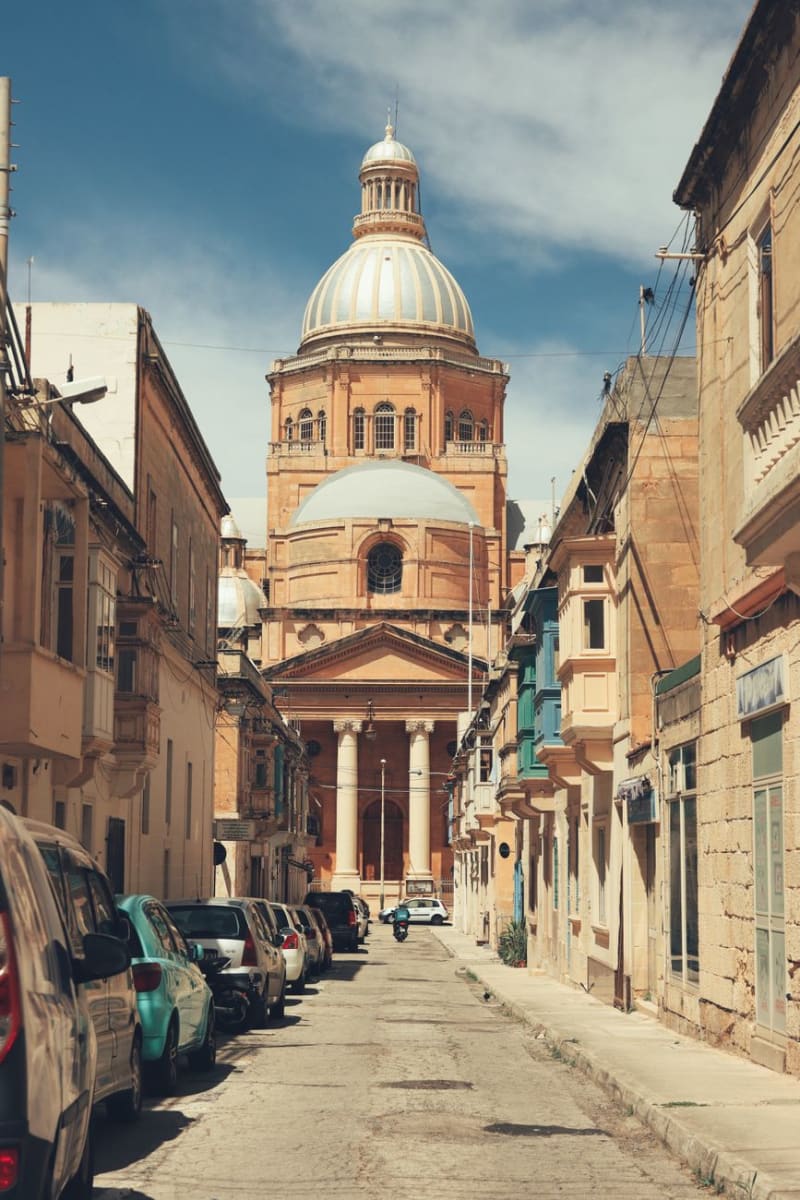 malta
malta Mosta
A workaday Maltese town crowned by one of the largest unsupported domes on earth — and the unexploded bomb that fell through it and changed nothing.
Explore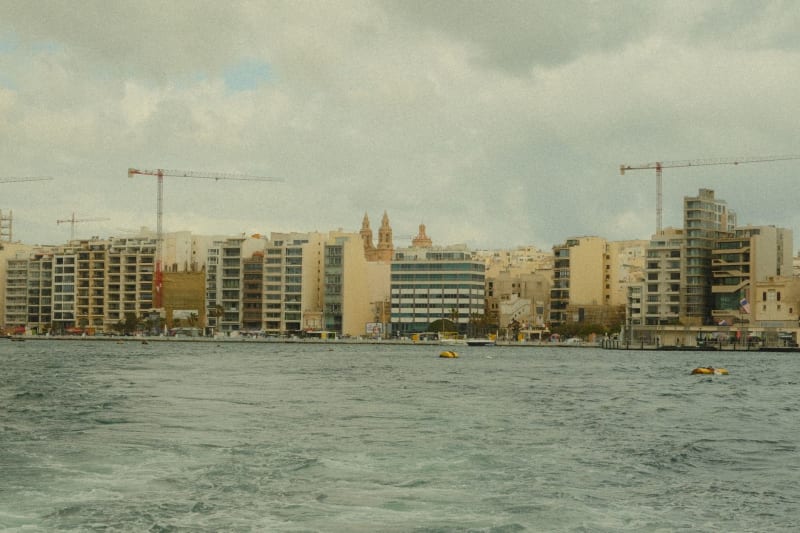 malta
malta Sliema
The seafront promenade across the bay from Valletta, where Maltese families walk at dusk and the ferry crosses every half hour between two different centuries.
Explore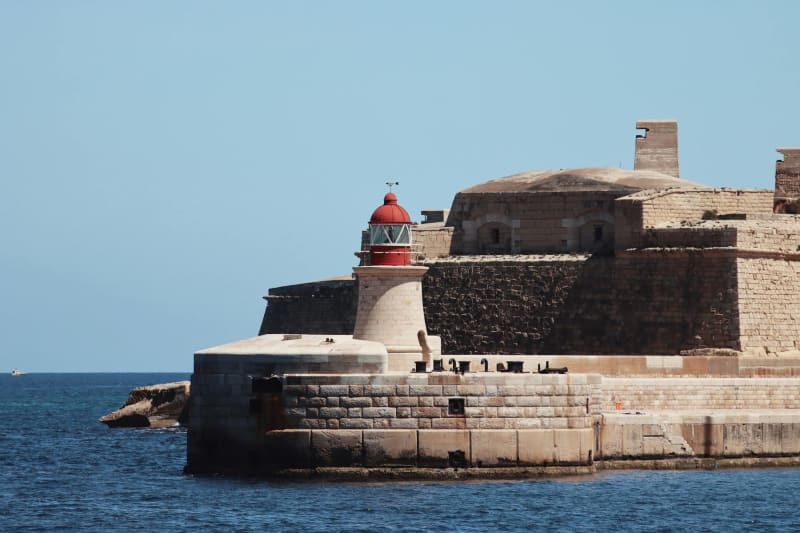 malta
malta Valletta
Europe's smallest capital packs an extraordinary density of baroque palaces, Caravaggio paintings, and honey-gold limestone onto a fortified peninsula.
Explore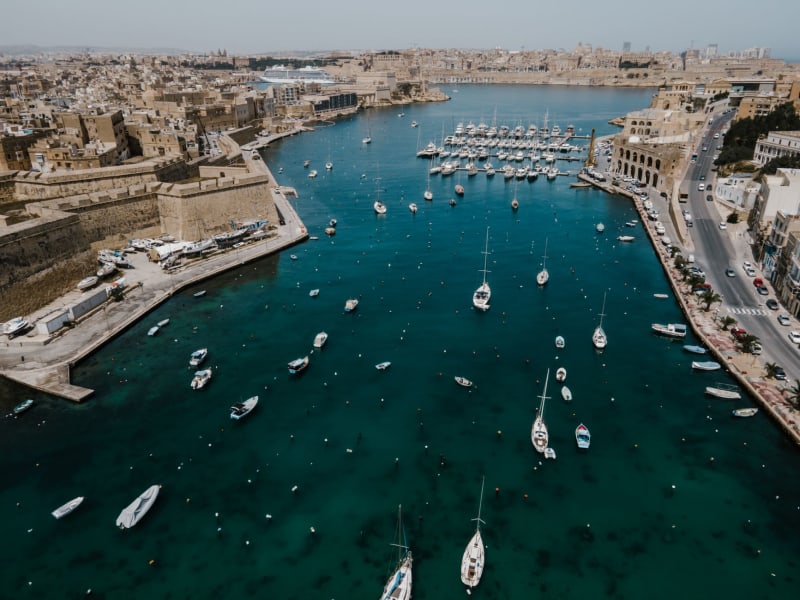 malta
malta Birgu
Older than Valletta and half as visited, Birgu sits across the Grand Harbour wearing its Knights-era fort walls like a coat that still fits perfectly.
Explore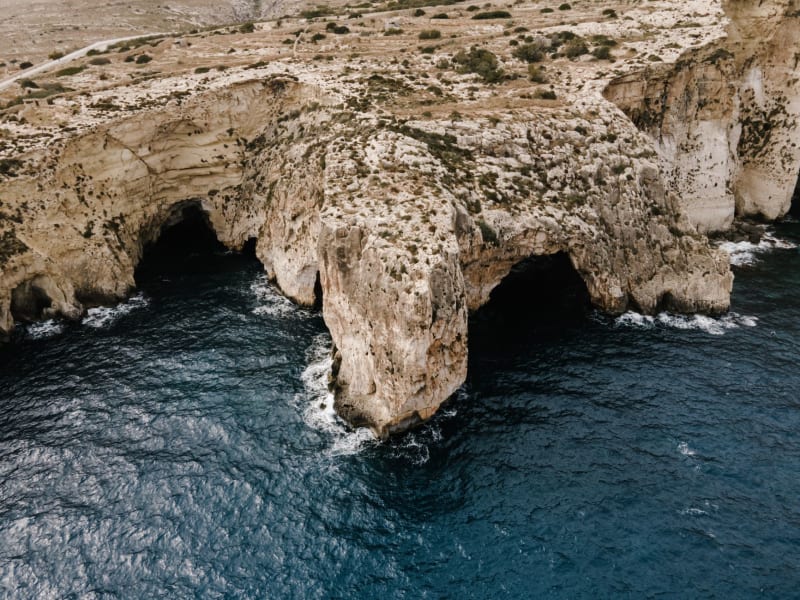 malta
malta Blue Grotto
A cluster of sea caves on Malta's southwest coast where the water turns a color that sits somewhere between turquoise and hallucination.
Explore