Marsaskala
"We came for one seafood lunch and stayed three days watching the boats come in."
A quiet fishing town on Malta's southeastern coast where painted luzzus still bob beside a 17th-century watchtower.
Lia found Marsaskala almost by accident, scrolling through a map of Malta’s coast looking for somewhere that wasn’t Valletta or Sliema. We’d already done the big domes and the fortress walls, and what I wanted, honestly, was a town where nobody was selling me anything. Marsaskala gave us that. It’s built around a natural inlet, and you can feel the whole place still organized around that water — the promenade curves with the bay instead of cutting across it, and the houses climb the slopes on either side like they’re all trying to keep an eye on the harbor.
What struck me first was the tower. St. Thomas Tower sits at the mouth of St. Thomas Bay, a squat, deliberate thing that Grand Master Alof de Wignacourt had built in 1614 to watch for exactly the kind of trouble that used to come by sea in this part of the Mediterranean. We walked out to it one evening after dinner, and Lia pointed out how it just stands there, unbothered, while the town around it went from fishing hamlet to actual place over the following three centuries. I liked that the tower hadn’t been dressed up into a museum piece with a gift shop — it’s just there, doing what towers do, watching the bay.
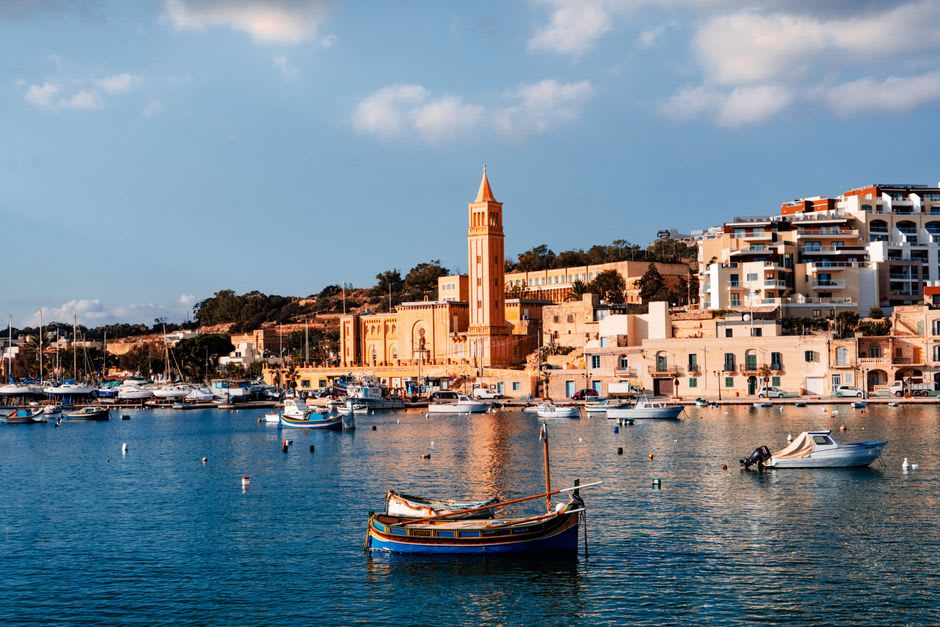
The harbor itself is the real reason to come, though. Marsaskala’s fishermen still work out of it in luzzus painted in blues, yellows, and reds, each one with a pair of eyes painted on the bow. An old man mending nets near the quay told me — in the patient way people explain things to obviously clueless tourists — that the eyes are meant to ward off bad luck at sea, a tradition he traced back to the Phoenicians. I don’t know if I believed him entirely, but I believed that he believed it, and that felt like enough. We ate mussels one night at a table so close to the water I could hear the boats knocking gently against the dock, which felt like the whole point of being there.
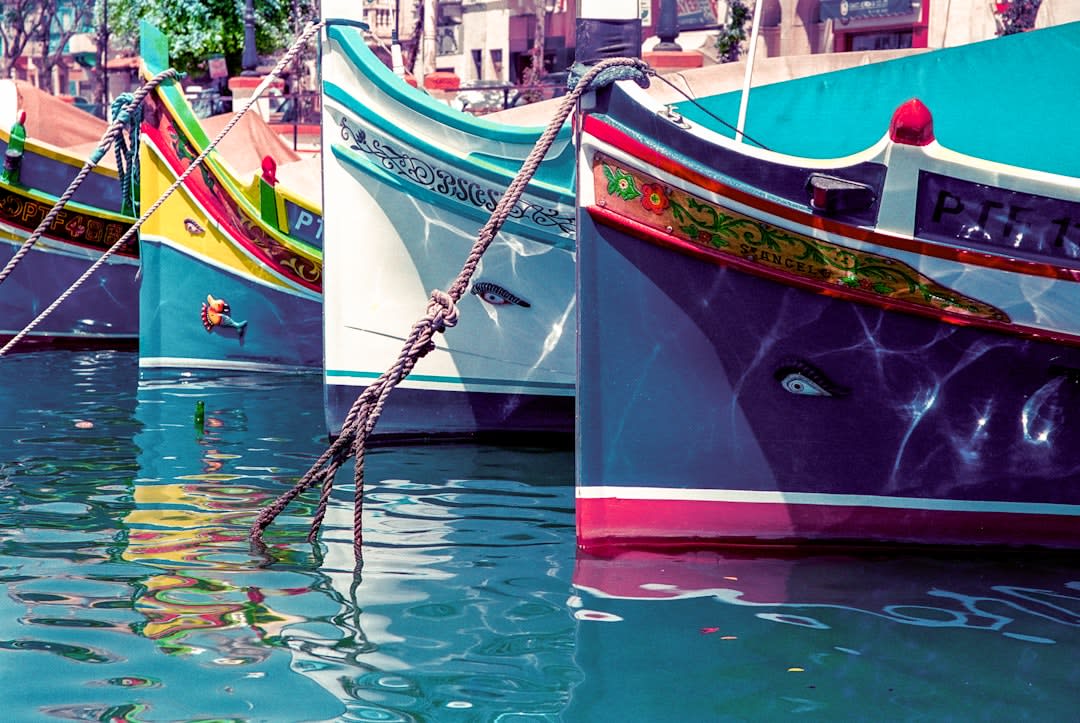
Marsaskala isn’t trying to be Malta’s postcard. It’s a working town that happens to have a beautiful bay, and I think that’s exactly why we lingered longer than planned — nothing about it felt performed for us.
When to go: Aim for late spring or early autumn, when the promenade is at its best for long, unhurried walks along the water without the peak-summer crowds or heat.
Keep exploring
More from Malta
 malta
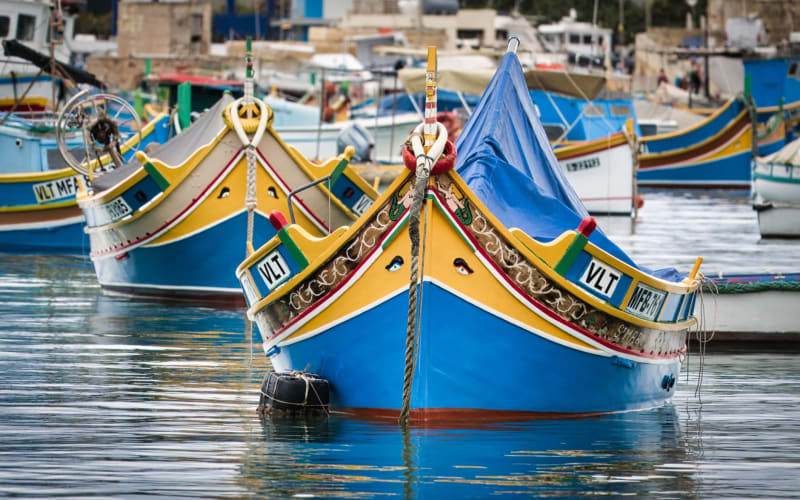
malta Marsaxlokk
A fishing village where luzzus bob in eye-of-osiris rows and the Sunday market sells swordfish steaks as thick as your forearm.
Explore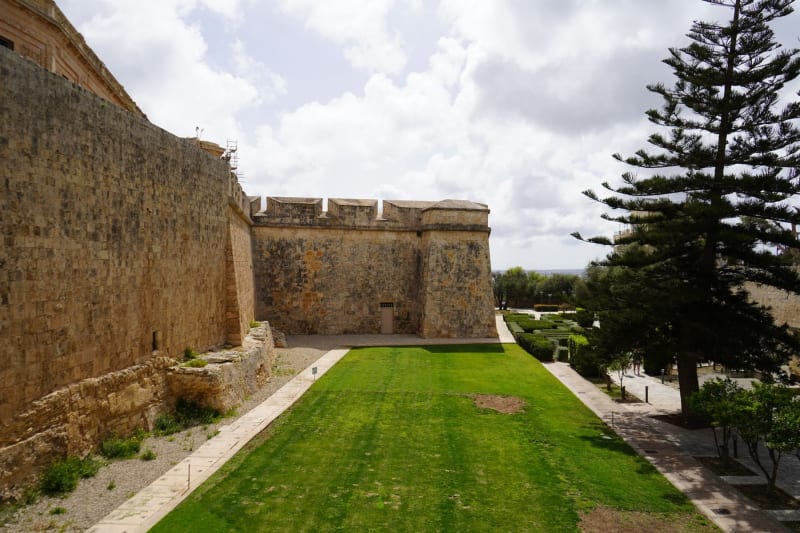 malta
malta Mdina
The Silent City — a walled medieval hilltop fortress where cars are forbidden, and you walk through narrow limestone lanes into pure antiquity.
Explore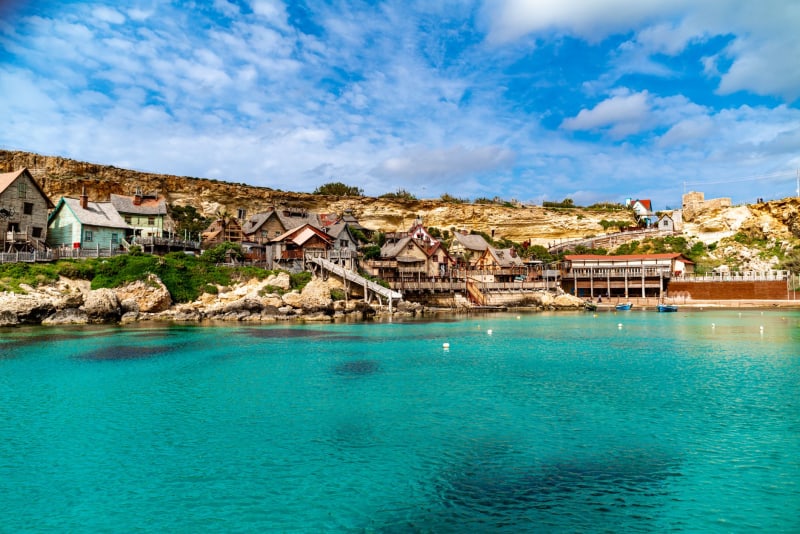 malta
malta Mellieha
The north end of Malta where the island tapers toward Gozo and the country's only proper sandy beach spreads wide enough to actually lose yourself on it.
Explore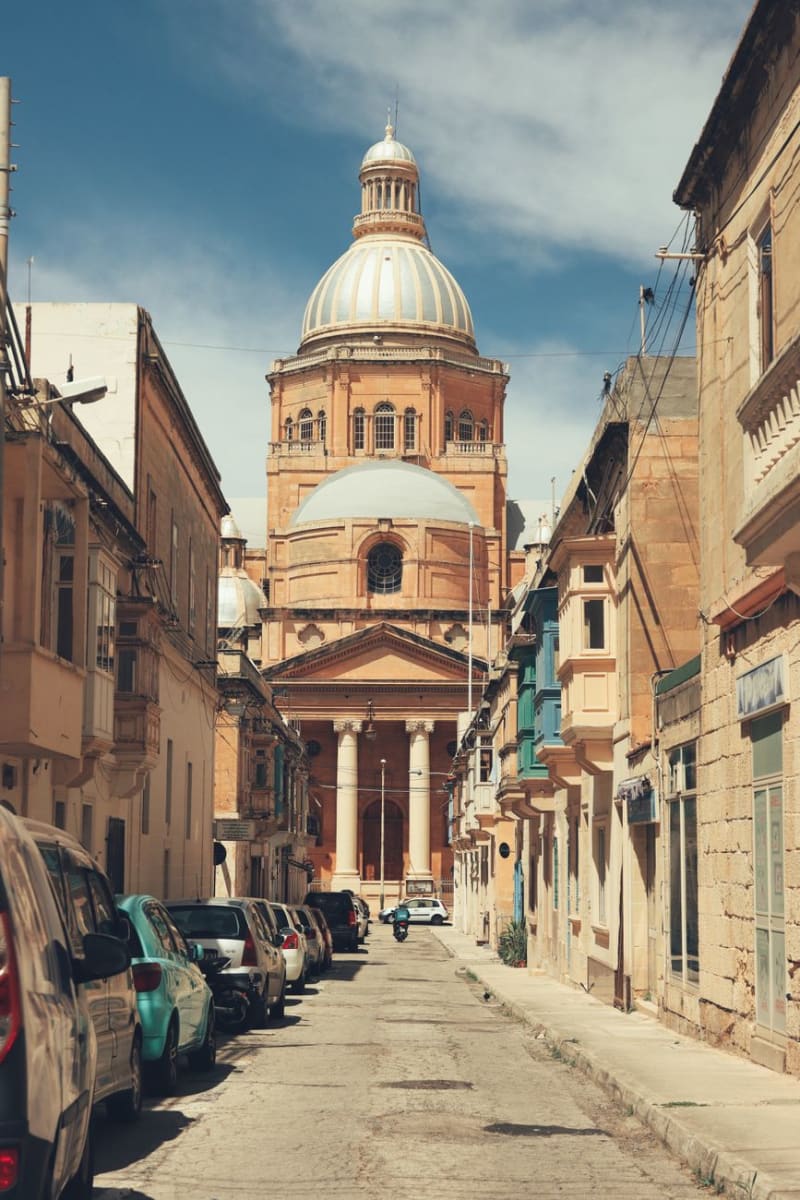 malta
malta Mosta
A workaday Maltese town crowned by one of the largest unsupported domes on earth — and the unexploded bomb that fell through it and changed nothing.
Explore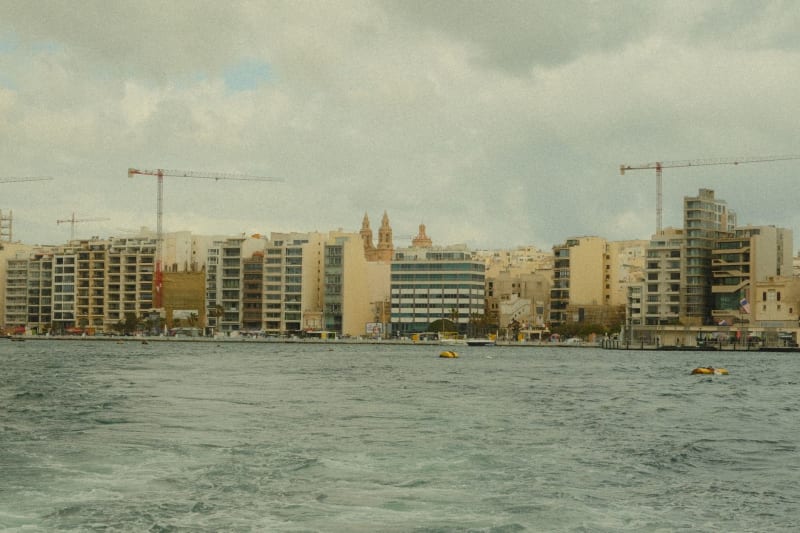 malta
malta Sliema
The seafront promenade across the bay from Valletta, where Maltese families walk at dusk and the ferry crosses every half hour between two different centuries.
Explore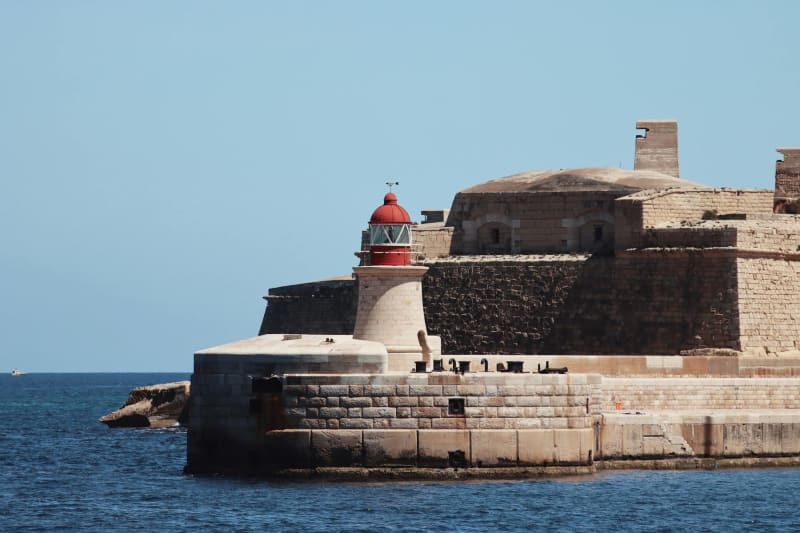 malta
malta Valletta
Europe's smallest capital packs an extraordinary density of baroque palaces, Caravaggio paintings, and honey-gold limestone onto a fortified peninsula.
Explore