Europe
Luxembourg
"I drove across the whole country before I'd finished my first coffee."
A country that fits inside a morning's drive but stacks four centuries of fortress walls, river gorges, and forest trails into one ridiculously compact package.
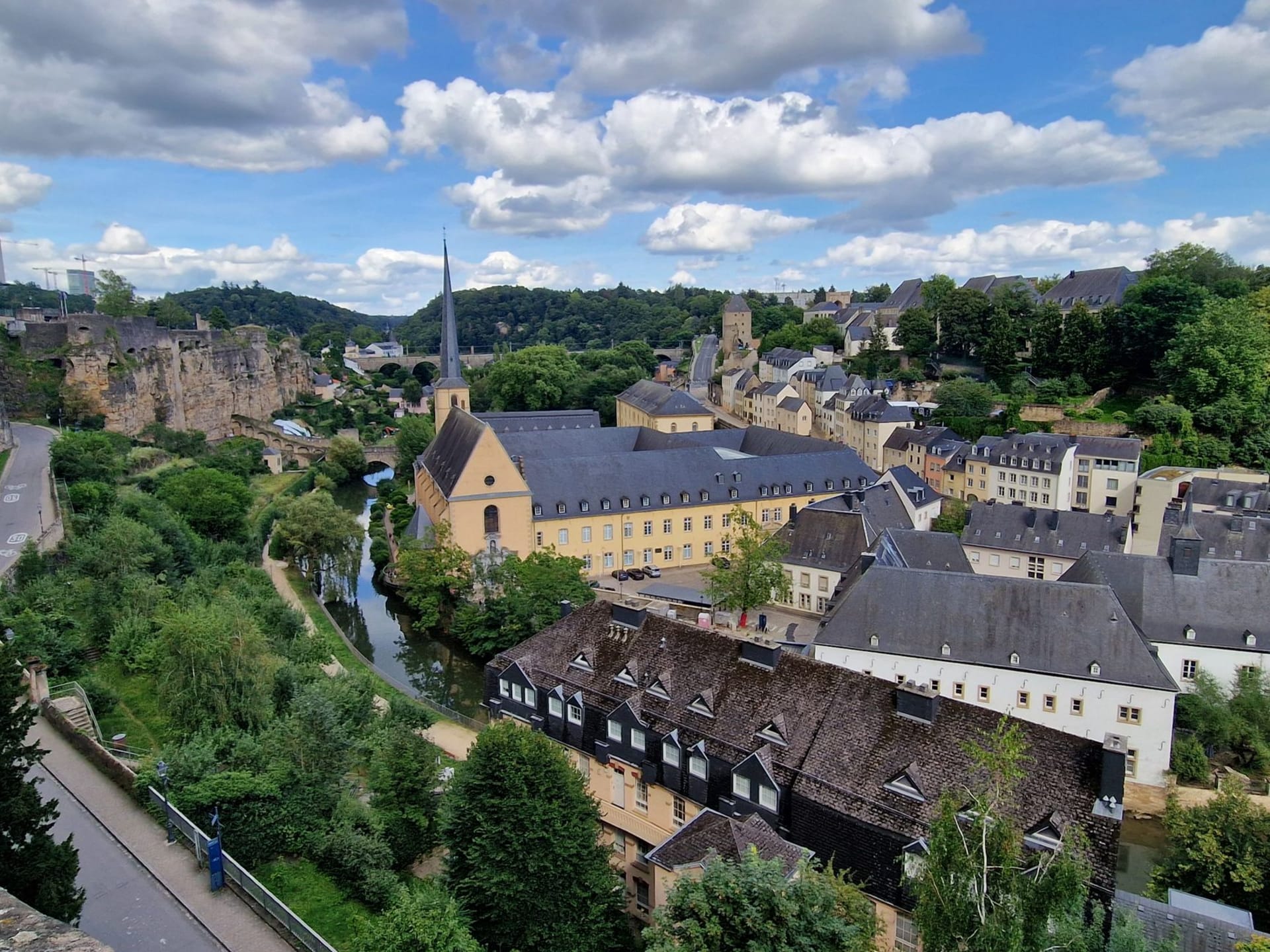
I came in by train from Brussels and was crossing into Germany before I’d properly adjusted to Luxembourg time — which is to say, before I’d had a second coffee. The country is genuinely tiny, somewhere between a region and a nation, and the capital wears that ambiguity well. The Ville Haute sits on a sandstone plateau, and below it the Alzette and Pétrusse rivers have carved deep gorges that feel improbable, almost theatrical — medieval ramparts dropping sheer into a tangle of garden allotments and abbey cloisters, with tram lines and EU office towers visible on the plateau above. It is a city built on verticality, and that tension between what’s up top and what’s down below defines everything.
The Grund quarter, at the bottom of the gorges, is where I spent most of my evenings. Narrow cobbled streets, converted mill buildings turned into bars, the kind of low lighting that makes every conversation feel important. The locals mix French, German, and Luxembourgish in the same sentence without thinking about it — a linguistic flexibility that feels like a metaphor for the whole place. The food follows the same logic: French technique, German portions, occasional Flemish influence. The Judd mat Gaardebounen — smoked collar of pork with broad beans — is exactly the kind of dish you want after walking the Chemin de la Corniche, which the tourist office calls “Europe’s most beautiful balcony” and which is, for once, not an exaggeration.
Outside the capital, the Ardennes roll north into Belgium with beech forests and river valleys that feel genuinely remote despite being an hour from the city. The Moselle valley along the German border produces wines — Riesling, Auxerrois, Crémant — that almost nobody outside Luxembourg has heard of, which means the cellars in Remich and Ehnen receive visitors the way good things receive visitors when the crowds haven’t arrived yet: unhurriedly, generously.
When to go: May through September for walking and wine. July brings the Schueberfouer, a vast funfair on the Glacis, loud and crowded and oddly wonderful. October is underrated — the Ardennes forests turn amber, the Moselle harvests are in, and the capital empties of summer tourists without losing its life. Avoid August if you want accommodation without booking six weeks ahead.
What most guides get wrong: They treat Luxembourg City as a layover, something to tick between Paris and Amsterdam, two days maximum. This misses the point entirely. The Bock Casemates alone — twenty-three kilometres of tunnels carved into sandstone, used as shelter by forty thousand people during the Second World War — deserve more than a hurried hour. The country rewards the traveler who slows down enough to notice that it operates at a different frequency than its neighbors: quieter, more deliberate, and oddly self-aware about the absurdity of being a sovereign nation you can bicycle across in an afternoon.
Explore
Places in Luxembourg
 luxembourg
 Beaufort
A small Mullerthal village with two castles, deep forest, and a blackcurrant liqueur tradition that locals treat with the seriousness most regions reserve for wine.
Explore luxembourg
 Bourscheid
A ruined medieval fortress perched on a rocky spur above a loop of the Sûre, the largest castle in the Grand Duchy and one of its quietest.
Explore luxembourg
 Clervaux
A Benedictine abbey watching over a valley town where one of the great photography exhibitions of the twentieth century has lived inside a castle since 1994.
Explore luxembourg
 Diekirch
A market town on the Sûre river with a first-rate WWII museum, a functioning brewery, and the self-contained character of a place that has never needed to perform for anyone.
Explore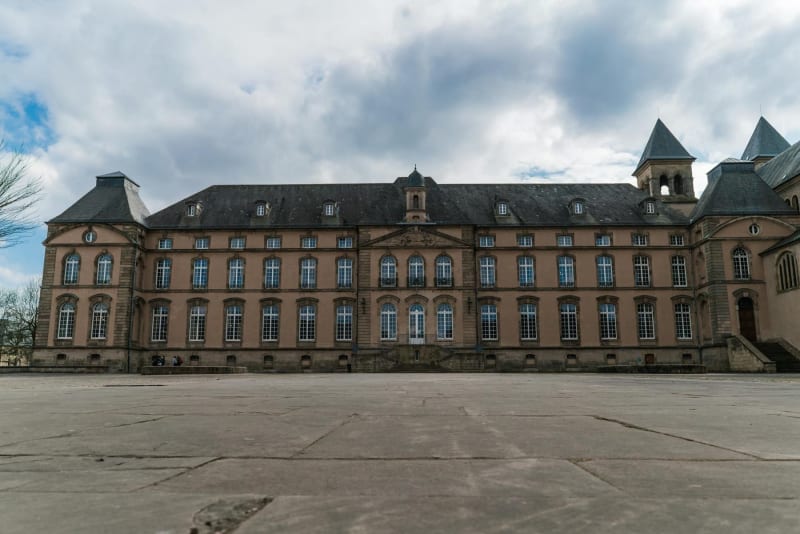 luxembourg
 Echternach
Luxembourg's oldest town sits beside the Sûre river in the Little Switzerland region, its Benedictine basilica anchoring eight centuries of pilgrimage.
Explore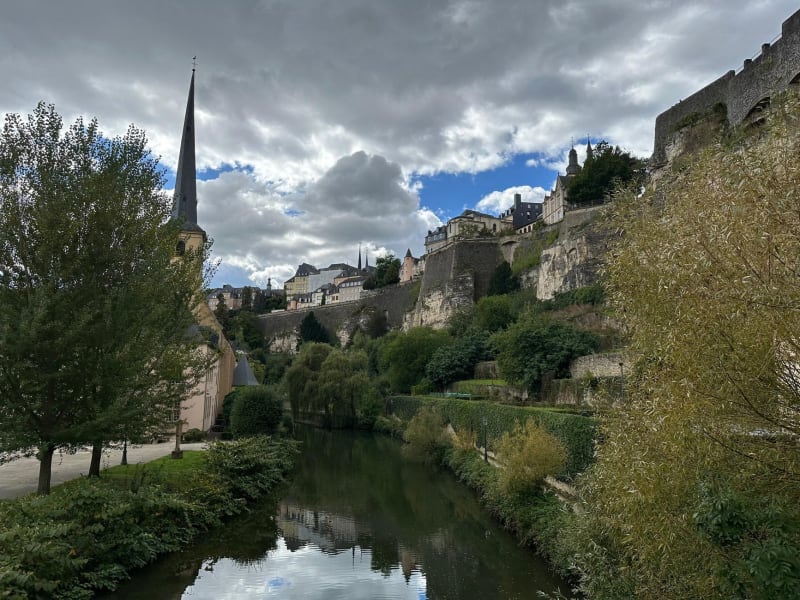 luxembourg
 Esch-sur-Alzette
Luxembourg's second city built its identity on steel, watched that industry collapse, and has spent the past two decades turning blast furnaces into galleries without pretending the transformation was painless.
Explore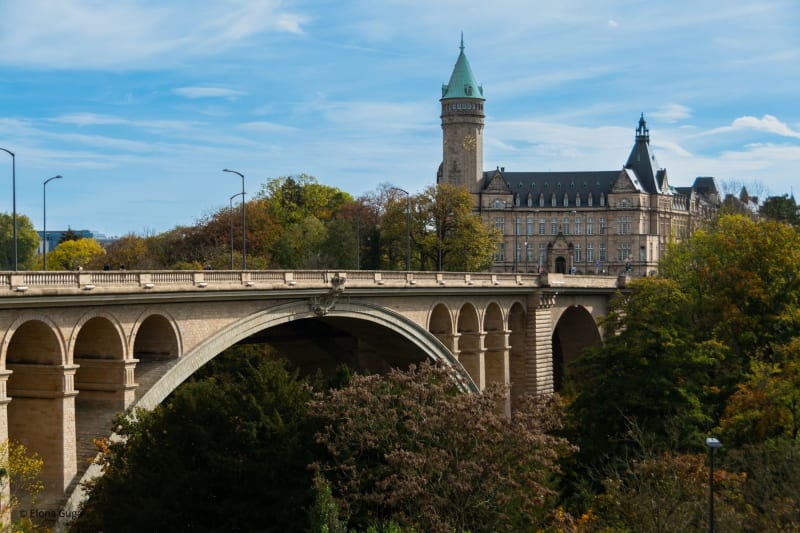 luxembourg
 Luxembourg City
Built over dramatic gorges cut by the Alzette river, this small capital hides extraordinary medieval fortifications beneath a polished European skyline.
Explore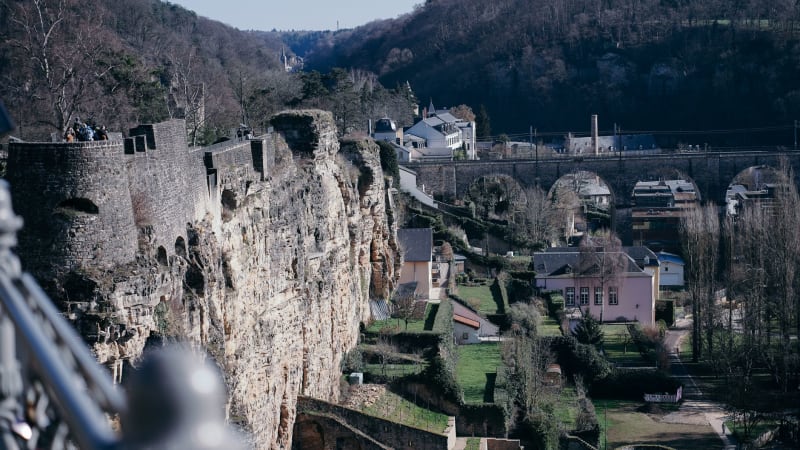 luxembourg
 Moselle Valley
Luxembourg's wine country runs along a river that doubles as a national border, producing Rieslings and Crémants that the rest of Europe has been reliably ignoring for decades.
Explore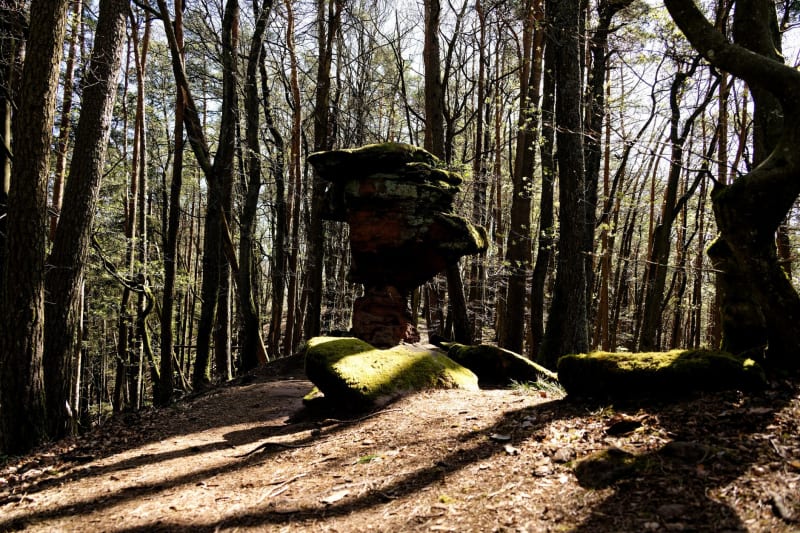 luxembourg
 Mullerthal
Luxembourg's 'Little Switzerland' is a labyrinth of sandstone gorges, moss-covered boulders, and creek-fed forests that earns its dramatic nickname despite the country's modest scale.
Explore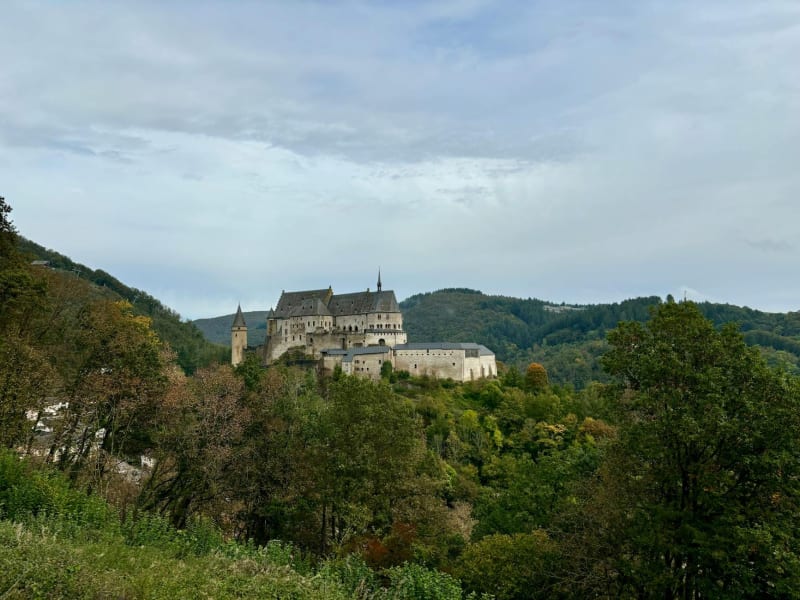 luxembourg
 Vianden
A medieval castle-topped village straight from a fairytale, tucked into the Our river valley on Luxembourg's border with Germany.
Explore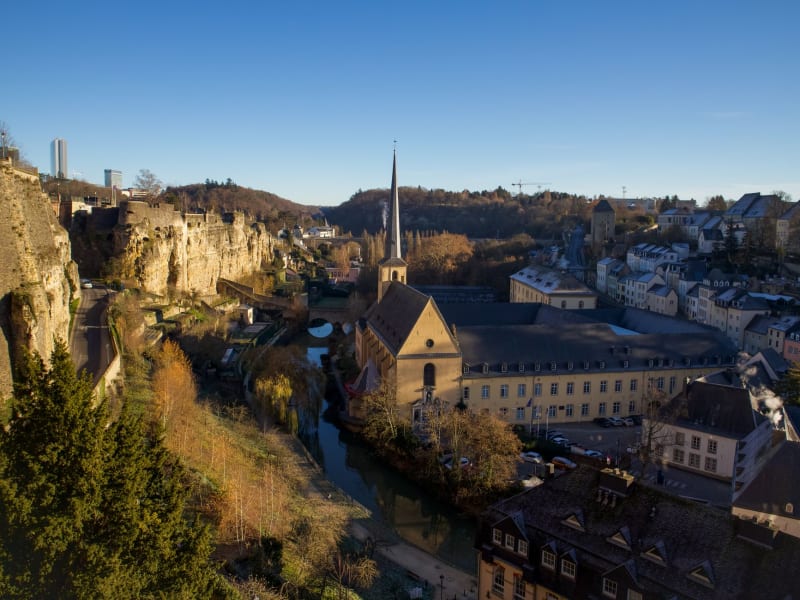 luxembourg
 Wiltz
A northern Ardennes town built on two levels of a hill, with a castle above and a river below, that earns its place by being the genuine article rather than a destination anyone has dressed up for visitors.
Explore