Baalbek
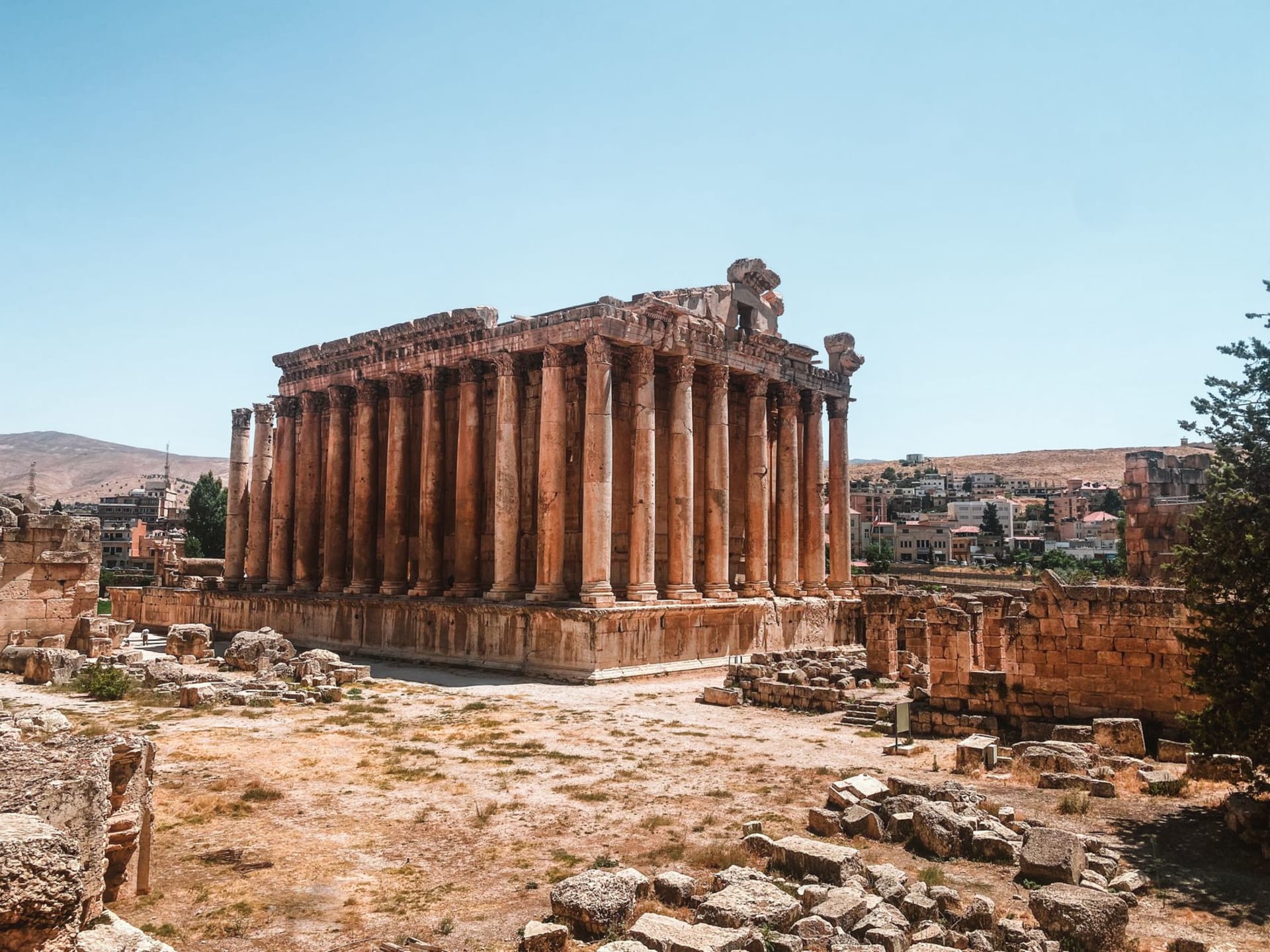
"Six columns. That's what's left of the Temple of Jupiter. Six columns and I still can't understand how any of it was built."
Roman temple ruins so colossal they make the rest of classical antiquity look like a rough draft.

Nothing prepares you for the actual scale of Baalbek. I had seen photographs. I had read the superlatives. But photographs of very large things are still just photographs, and no amount of reading about how the stone blocks in the foundation weigh a thousand tons each makes your body understand what a thousand tons looks like until you are standing next to one of them. I arrived from Zahle in the early afternoon and walked through the entrance gate of the Heliopolis complex — the city of the sun — and simply stopped. The six remaining columns of the Temple of Jupiter rose above me at a height that seemed to belong to a different order of architecture entirely, one where the human scale was not the relevant unit of measurement.
The Romans built Baalbek over several centuries beginning in the first century BCE, choosing a site where the Phoenicians had already been worshipping for a millennium and the Egyptians before them. The result is a complex that includes not only the Temple of Jupiter, the largest Roman temple ever constructed, but also the Temple of Bacchus — which is the best-preserved large Roman temple in the world — and the smaller circular Temple of Venus. Walking between them in the afternoon light, I kept losing track of time in the way that only happens when something genuinely overwhelms the normal processing capacity of your attention.
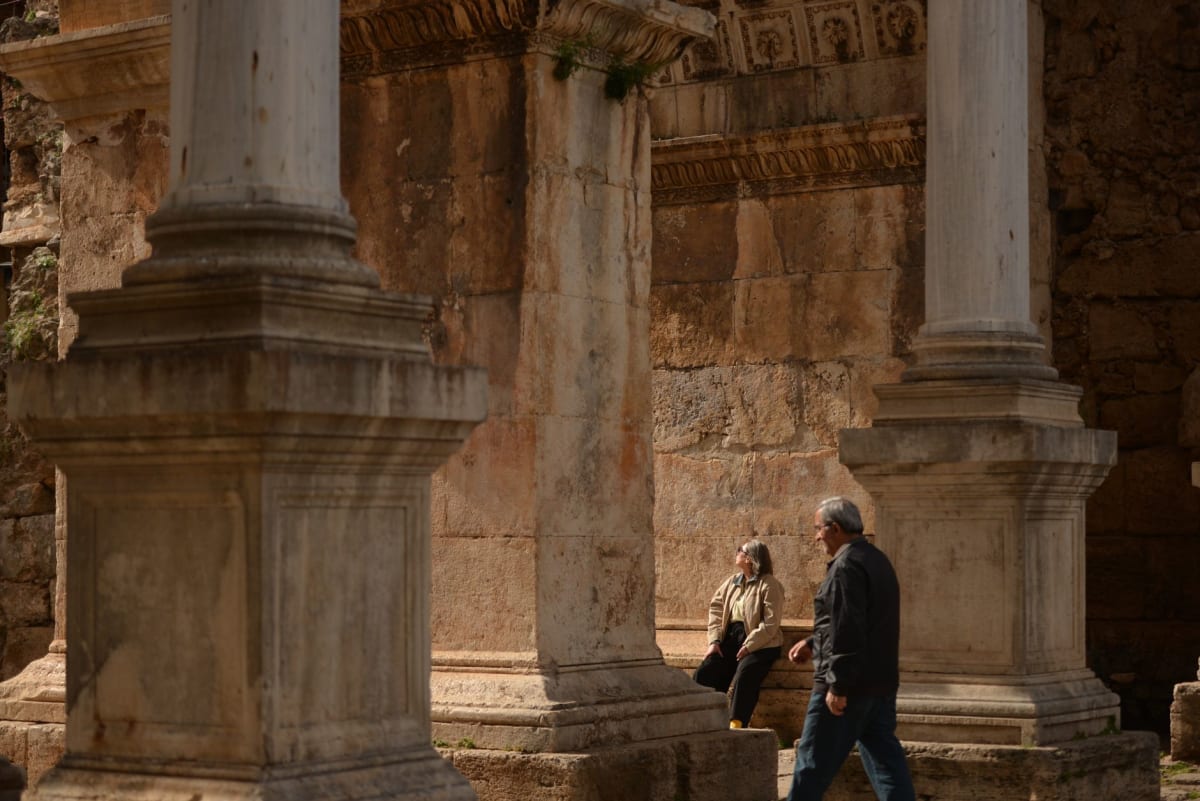
The Temple of Bacchus is the one that got me. The entrance portico, with its coffered ceiling still partially intact and carved with extraordinary precision, suggests a level of craft that becomes more astonishing the longer you look at it. The stones fit with no mortar. The carved vine scrolls and panthers along the frieze are still sharp after two thousand years. I spent a long time inside trying to reverse-engineer the logistics of the construction and eventually gave up, which I think is the correct response.
In the town around the ruins, Baalbek is a working Bekaa Valley city with its own busy rhythms. Men play backgammon in cafes. Shops sell the famous Baalbek kebab — a specific local style, hand-formed and grilled over charcoal, eaten wrapped in flatbread with pickled vegetables and a fierce tomato paste. I ate two of them at a small restaurant whose owner came out to make sure I understood what I was eating, pointing at each component with the seriousness of a man who has considered this particular food his whole life and arrived at strong convictions.

The Bekaa plain stretches flat and enormous in every direction beyond the ruins, the Anti-Lebanon mountains visible in the east as a long pale ridge. In summer the heat here is different from the coast — dry and direct, without the humidity of Beirut. It makes the pale stone of the temples glow with a particular intensity in the late afternoon. I stayed until the site closed and watched the shadows lengthen until the columns turned from white to gold to orange to the color of raw iron. Then I took a taxi back to Zahle and drank wine in the gorge and tried to figure out how people managed to make those stones move.
When to go: April through June and September through October are ideal — warm but not punishing, and the evening light on the ruins is extraordinary. The Baalbek International Festival brings classical concerts to the site in late June and July, which is genuinely memorable though the summer heat is fierce. Winters are cold and sometimes snowy.
Keep exploring
More from Lebanon
 lebanon
 Batroun
A Phoenician sea-wall, lemonade stands with a cult following, and a coastal old town where I kept losing entire afternoons without noticing.
Explore lebanon
 Bcharre
A mountain village at the edge of a sacred cedar forest, birthplace of Khalil Gibran, and the best reason to drive high into the Lebanese peaks.
Explore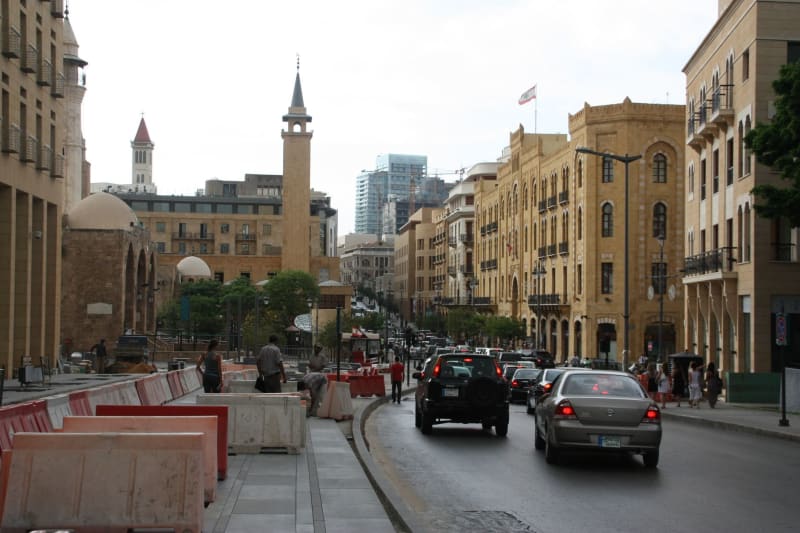 lebanon
 Beirut
A city that keeps rebuilding itself from its own rubble and somehow comes out louder every time.
Explore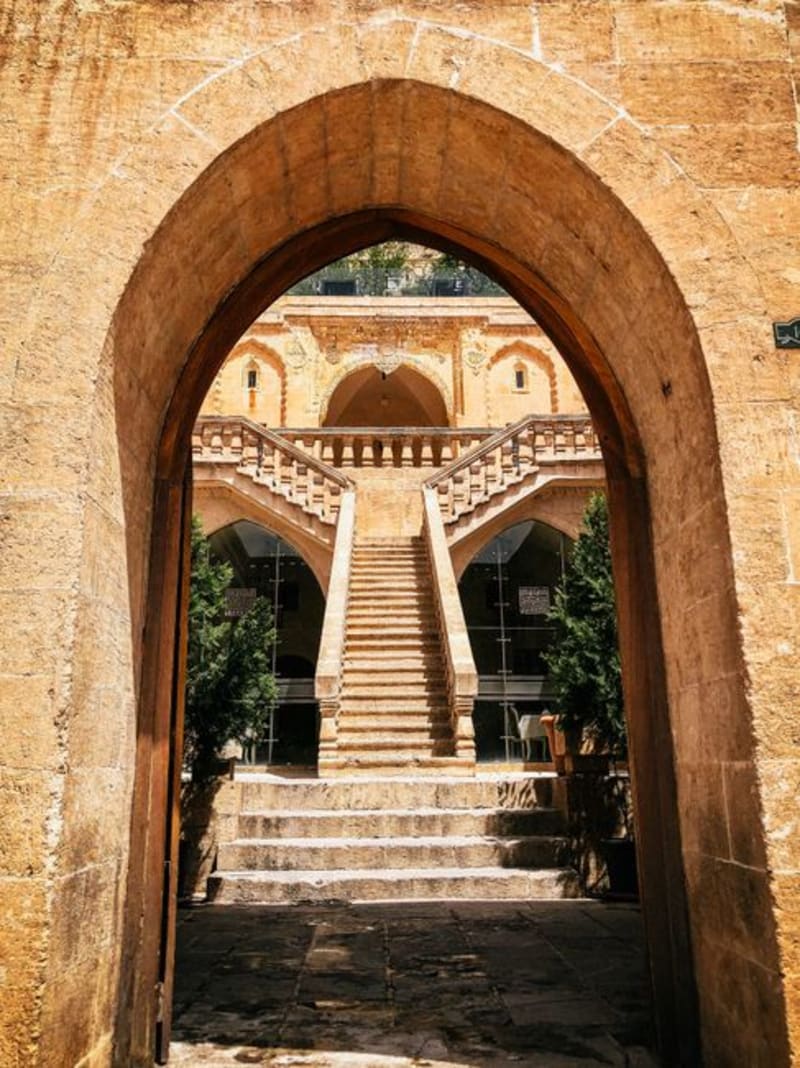 lebanon
 Beiteddine
A 19th-century emir's palace of carved stone and mosaic courtyards in the Chouf mountains, still hosting a summer arts festival under the same stars.
Explore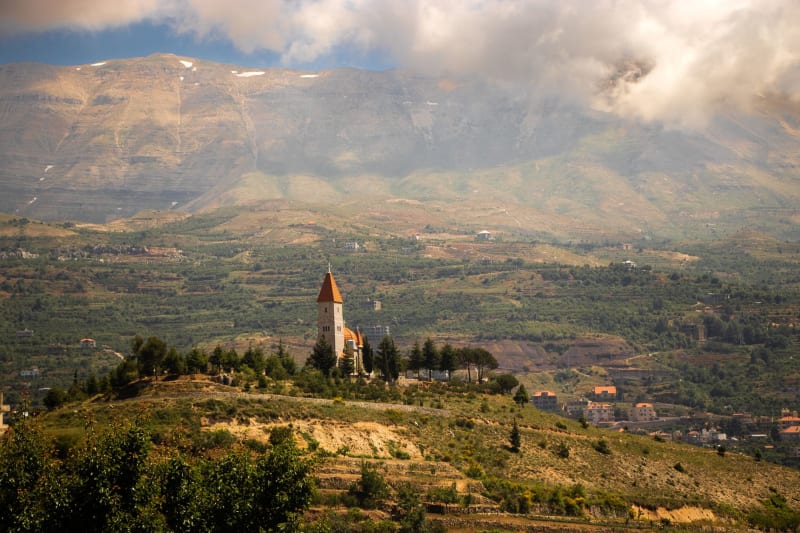 lebanon
 Bekaa Valley
A high flat valley between two mountain ranges where four thousand years of winemaking meets the most improbable agriculture in the Levant.
Explore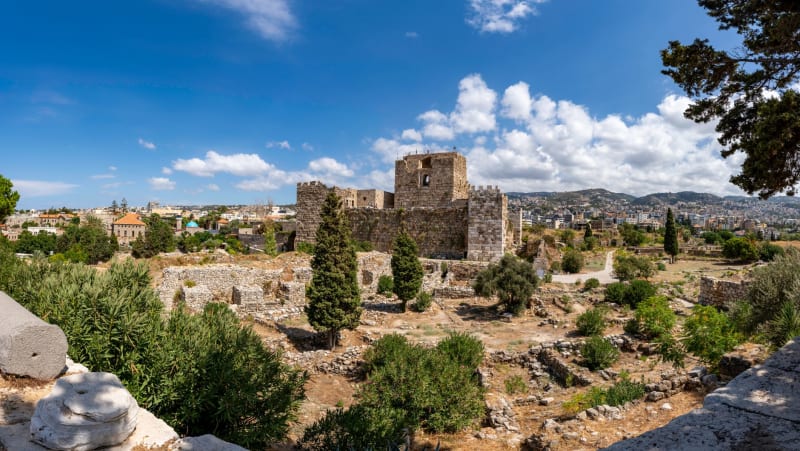 lebanon
 Byblos
Seven thousand years of continuous habitation compressed into one harbor town where Phoenicians once loaded ships with cedar and papyrus.
Explore