Byblos
"The alphabet was invented here. Standing in these ruins, I kept trying to feel the weight of that and kept failing — it's simply too much."
Seven thousand years of continuous habitation compressed into one harbor town where Phoenicians once loaded ships with cedar and papyrus.

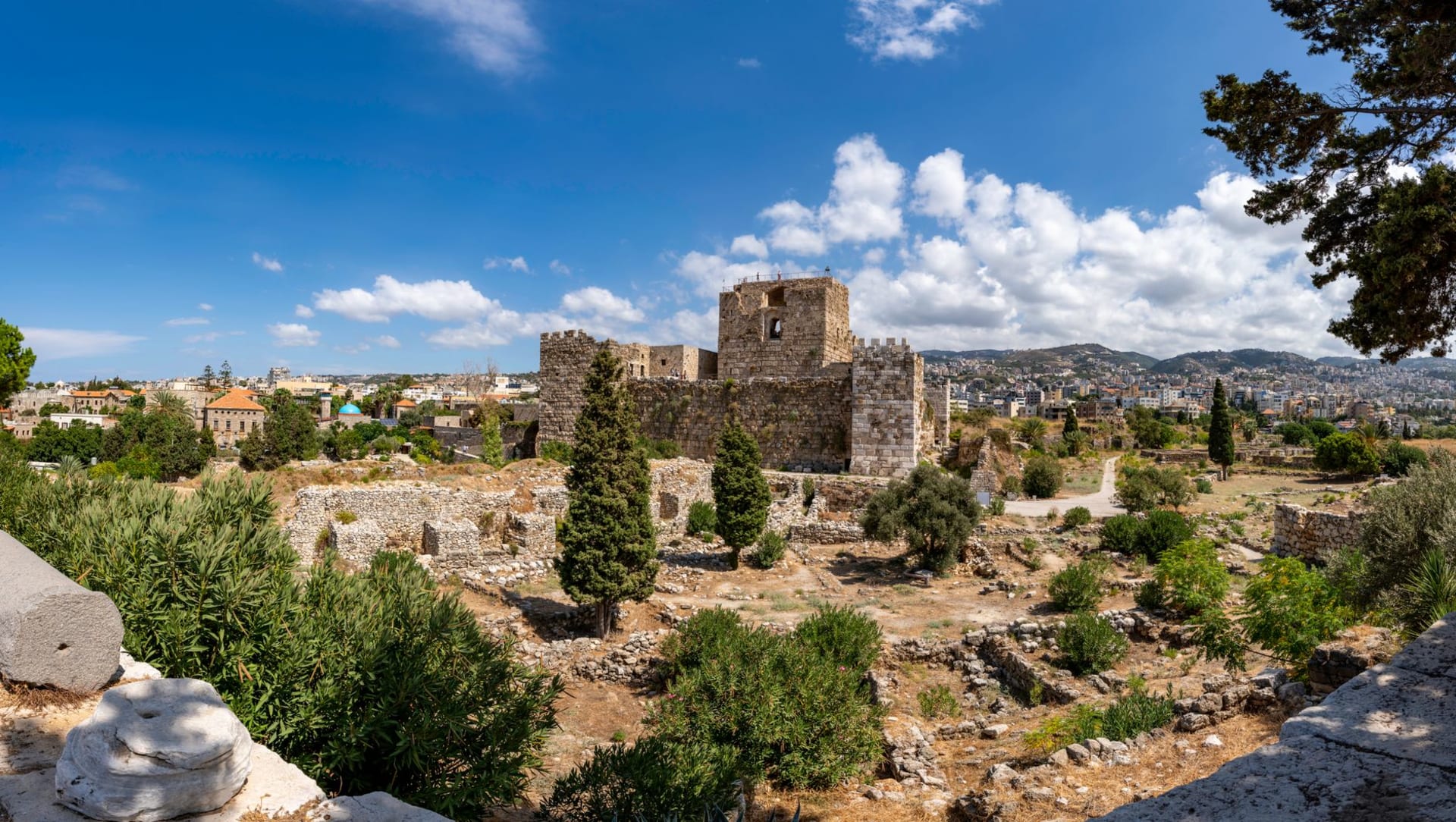
The taxi driver from Beirut told me that Byblos was “very old” with the pride of someone whose grandfather built the place. He wasn’t wrong. There is a specific feeling that comes over you when you step into the archaeological site at Jbeil — which is what Lebanese people actually call it, Jbeil, Byblos being the Greek name that the Romans used and that travelers have used ever since — and realize that you are looking at a horizontal timeline. The earliest temples at the bottom date from before recorded writing. The Phoenician layers sit on top of them. Then Roman columns. Then Crusader walls. History here is not linear but geological, each civilization a stratum compressed by the weight of what came after.
I arrived on a Tuesday morning in late October when the tourist buses had not yet appeared, and for a while I had the ruins mostly to myself except for a pair of cats who seemed to be conducting their own systematic survey of the site. The light was still low and cool, and the limestone columns cast long shadows across the remains of a Bronze Age temple whose walls, two meters thick, had been built by people who left no writing behind — only these enormous stones and the postholes of a roof long since rotted into nothing.

Below the ruins, the old harbor is the kind of place that earns its prettiness honestly. The fishing boats are painted in blues and greens that look too deliberate to be accidental, and the cafes along the waterfront serve fresh-caught fish that came off those same boats that morning. I ate a plate of samkeh harra — fish in a sauce of chili, coriander, and walnuts — at a place with plastic chairs and a view of the Crusader sea castle, and the combination of ancient architecture, winter light on the water, and genuine spice made the whole thing feel almost theatrical in its perfection.
The old souk behind the port is a string of lanes that could feel touristy but somehow doesn’t. Part of that is because local people actually shop here too — a woman choosing fabric at one end of the lane, a man getting his shoes resoled two doors down. The Crusader castle in the middle of everything was built on top of Roman ruins, which were built on top of Phoenician walls. A guard let me climb to the top of one of the towers and from there I could see everything simultaneously: the ruins, the harbor, the modern city climbing the hills above, and somewhere far out in the blue, the invisible line where the Phoenicians launched ships carrying cedar to Egypt and papyrus back.

What I keep returning to, though, is something simpler than the history. It’s the quality of the light in this specific place — the way afternoon sun hits white limestone above blue Mediterranean water and produces something so clear and hard-edged that it feels like the landscape is in sharper focus than the rest of the world.
When to go: October and November offer the ruins without summer crowds and the Mediterranean still warm enough to wade. Spring — March through May — brings the wildflowers that grow through the ancient stones and the fishing boats back to full activity after winter. Avoid July and August weekends when day-trippers from Beirut arrive en masse.
Keep exploring
More from Lebanon
 lebanon
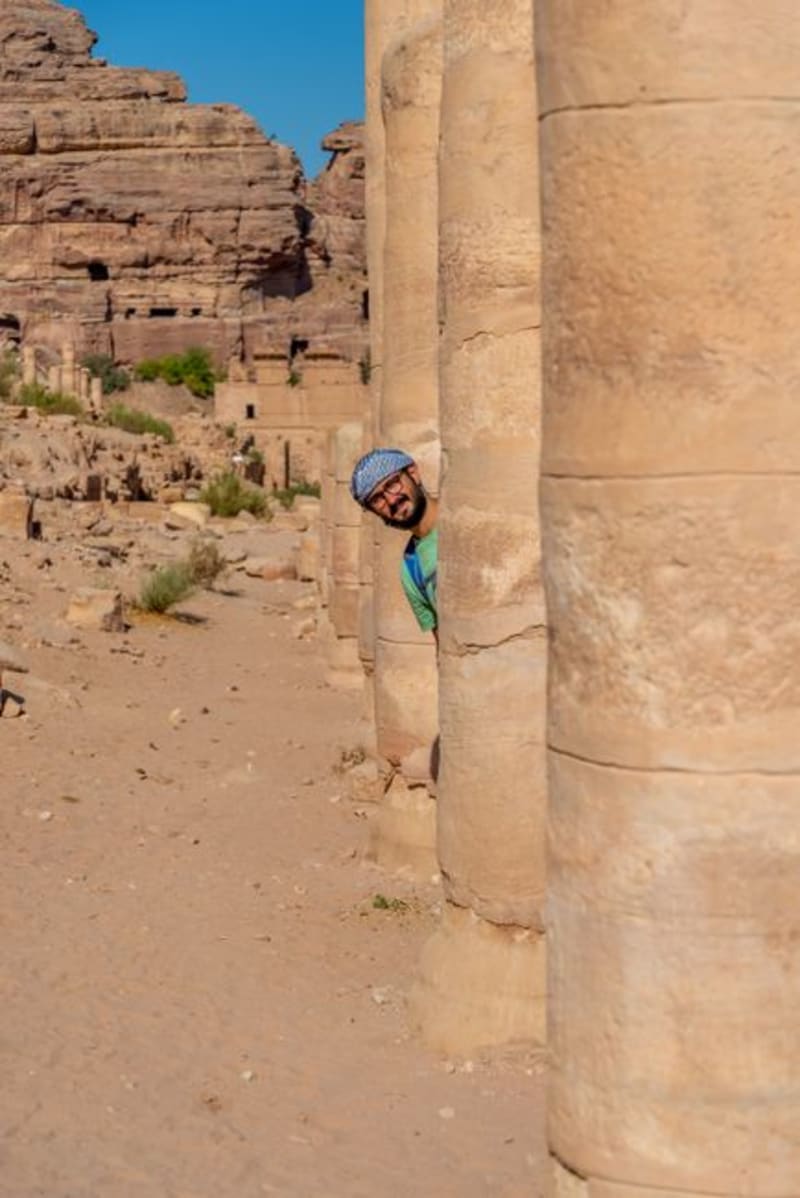
 Deir el Qamar
A perfectly preserved 17th-century capital of ochre stone houses and a silk-trade-era square, where the whole village feels frozen mid-conversation.
Explore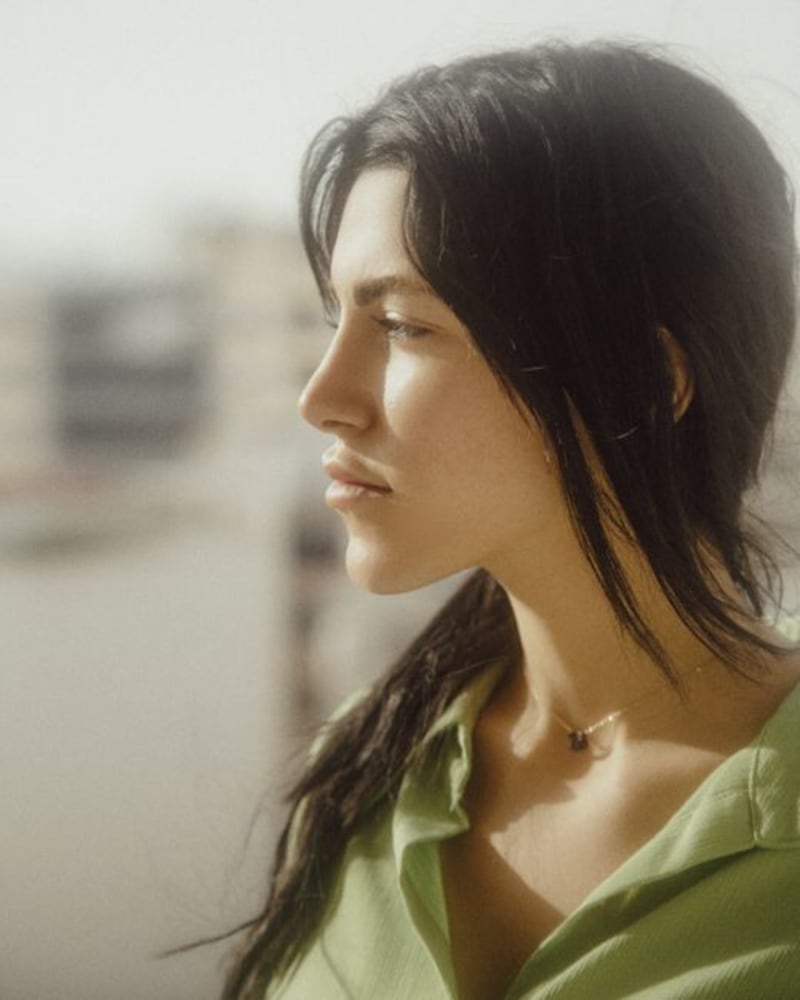 lebanon
 Enfeh
A rocky peninsula of salt pans, sunken ruins visible through clear water, and one of the quietest coastlines left in Lebanon.
Explore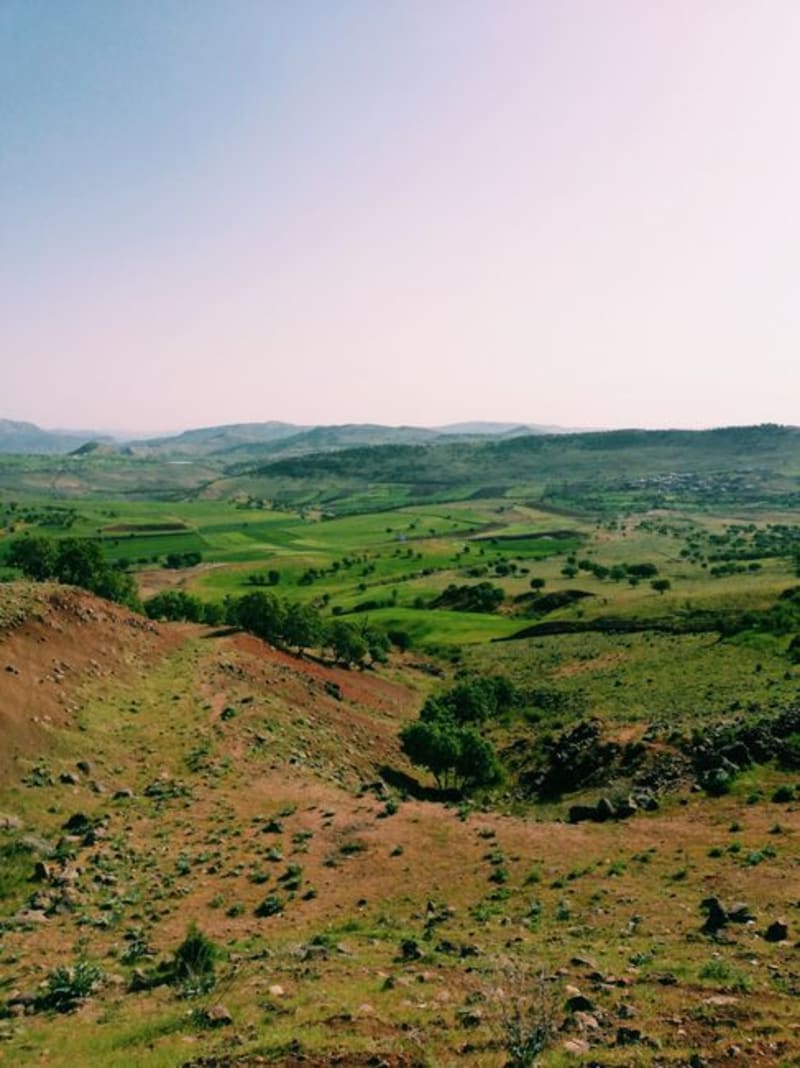 lebanon
 Faraya
A ski resort an hour from the Mediterranean where I traded flip-flops for snow boots in the same afternoon, which is the entire point of Lebanon.
Explore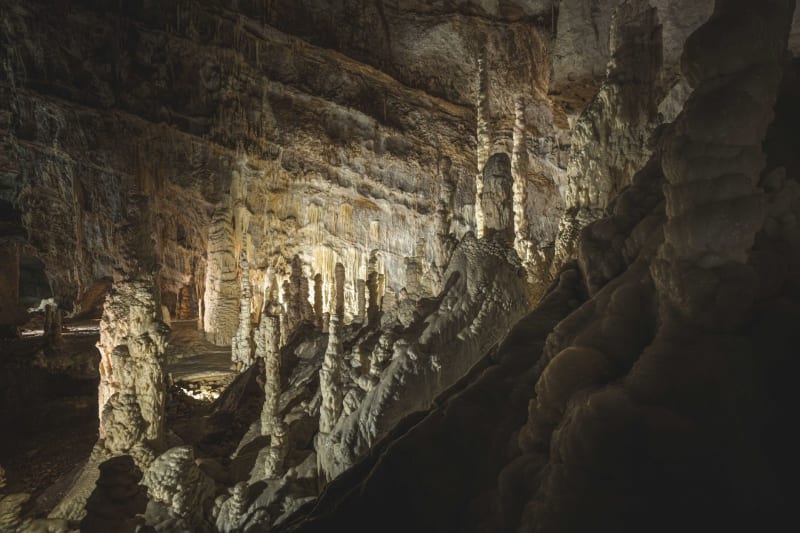 lebanon
 Jeita Grotto
A two-level cave system whose scale and formations are so extreme they push past beautiful into something more like vertiginous.
Explore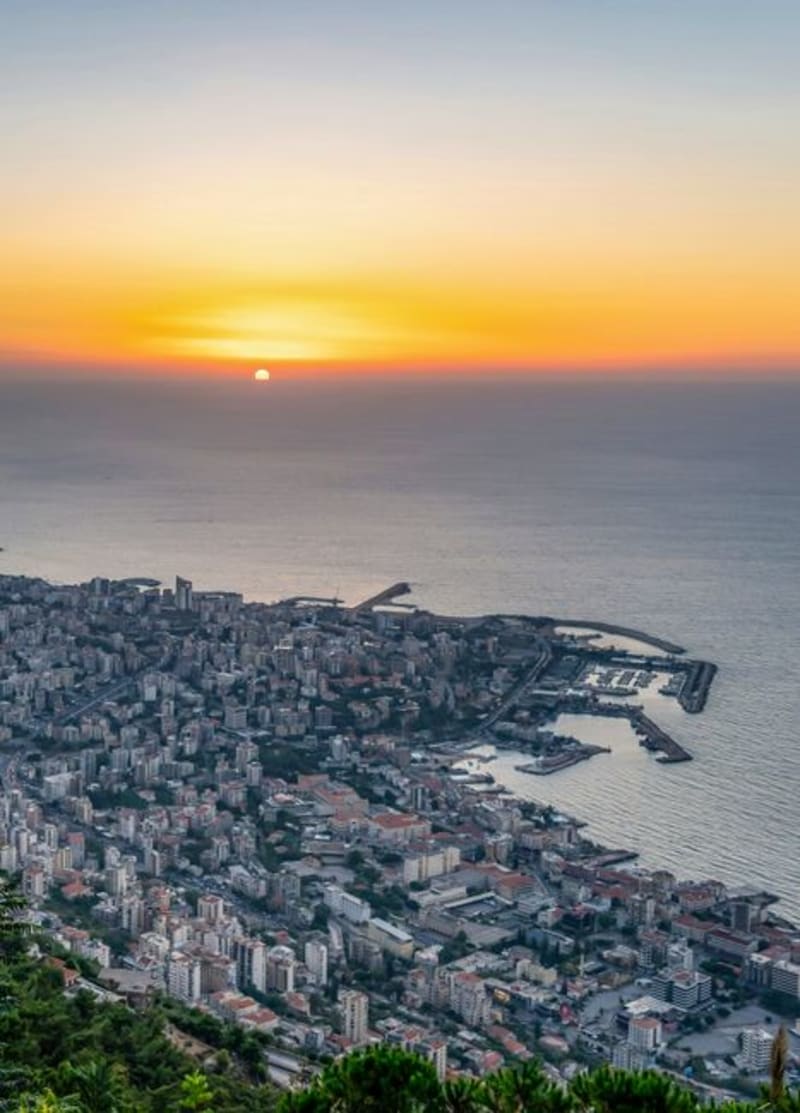 lebanon
 Jounieh
A neon-lit bay town where a cable car climbs past casinos and nightclubs to a white statue of the Virgin Mary presiding calmly over all of it.
Explore lebanon
 Qadisha Valley
A gorge so deep that hermit monks carved chapels straight into its cliff faces, and a trail that keeps every promise its name implies.
Explore