Commander Islands
"Some places don't want to be visited, and that's exactly why I had to go."
A wind-scoured archipelago in the Bering Sea where Vitus Bering died and the Steller's sea cow vanished forever.
I almost didn’t make it to the Commander Islands. The boat from Petropavlovsk-Kamchatsky got cancelled twice because of weather, and by the time we finally cleared the strait toward Bering Island, Lia had started joking that the sea itself was trying to keep us out. I didn’t laugh, not really, because I’d just been reading about Vitus Bering, the Danish explorer this whole archipelago is named after. His ship wrecked on that same island in November 1741, and he died there that December, weeks before his crew could get off. Standing at the rail as the cliffs came into view, grey and streaked with fog, I understood the joke a little too well.
Nikolskoye, the only settlement in the entire archipelago, is a scatter of low wooden houses that feels less like a village and more like a foothold. We stayed with a family who ran the closest thing to a guesthouse, and our host, a quiet man named Oleg, told me over tea that his grandfather had hunted foxes here when the Soviet fur trade still mattered. He said it without nostalgia, just fact, the way people talk about places that have always demanded something from you.
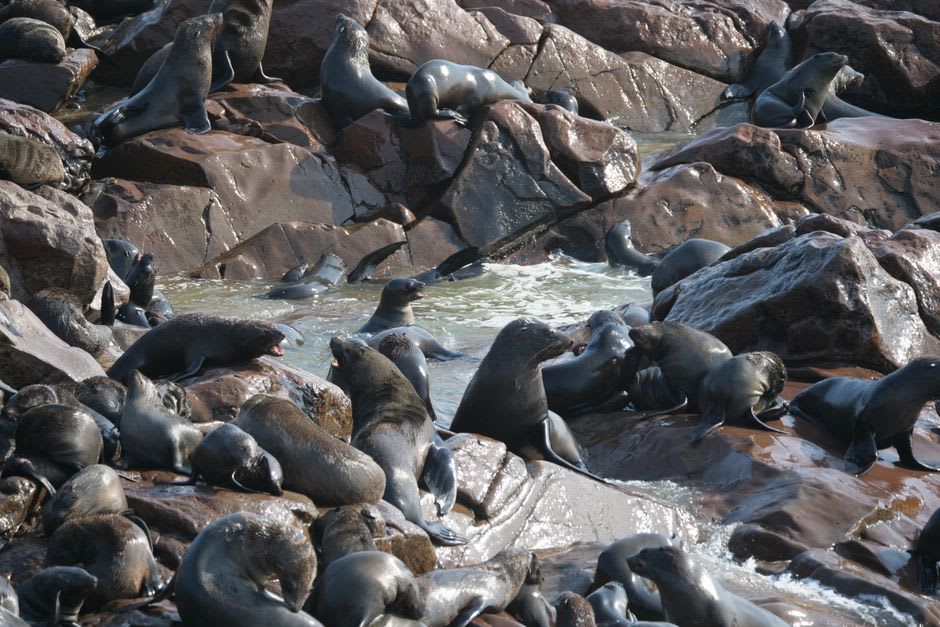
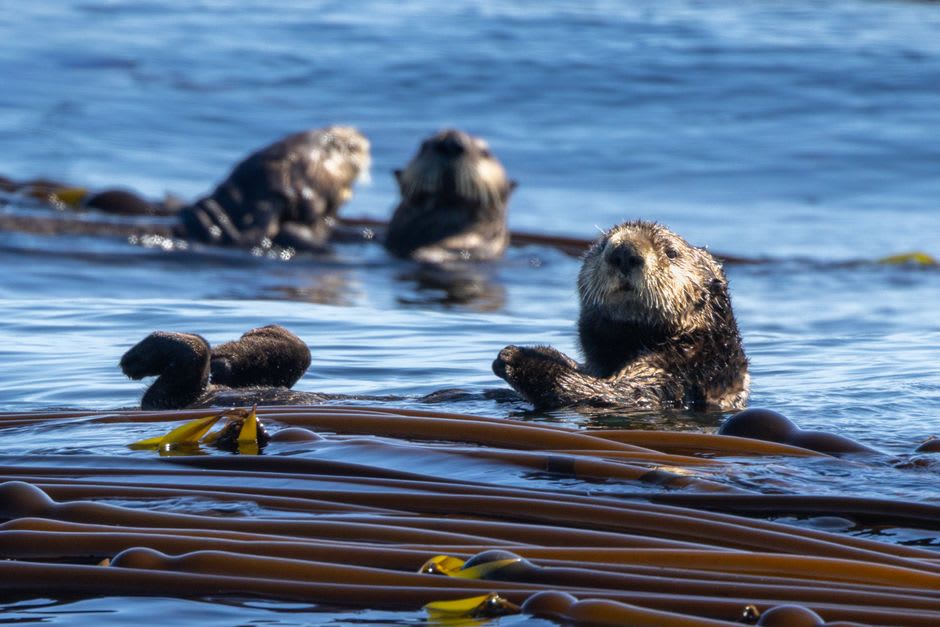
What stopped me cold was learning that this is where the Steller’s sea cow was first described to science, in 1741, right around the time Bering’s crew was stranded and starving. It was enormous, gentle, and slow, and within twenty-seven years hunters had wiped it out completely. Twenty-seven years. I stood on a beach one afternoon watching a colony of northern fur seals bark and shove at each other in the surf, and sea otters float on their backs just past the breakers, and I kept thinking about an animal I’d never get to see because it disappeared before anyone thought to protect it. The islands are a nature reserve now, which felt like the right response, if a couple centuries late.
We spent our last full day on a small boat circling under cliffs thick with seabirds, the noise so constant it became a kind of silence. Lia said it felt like the edge of the world, and for once I didn’t think she was exaggerating. Getting there is not easy, staying there is not comfortable, but I’ve rarely felt as small, or as lucky, as I did watching those seal colonies from the shore.
When to go: Aim for June through August. That’s the short ice-free window when boats can actually reach the islands and the wildlife colonies are at their busiest, though even then, be ready for the crossing to test your patience.
Keep exploring
More from Kamchatka
 kamchatka
 Esso
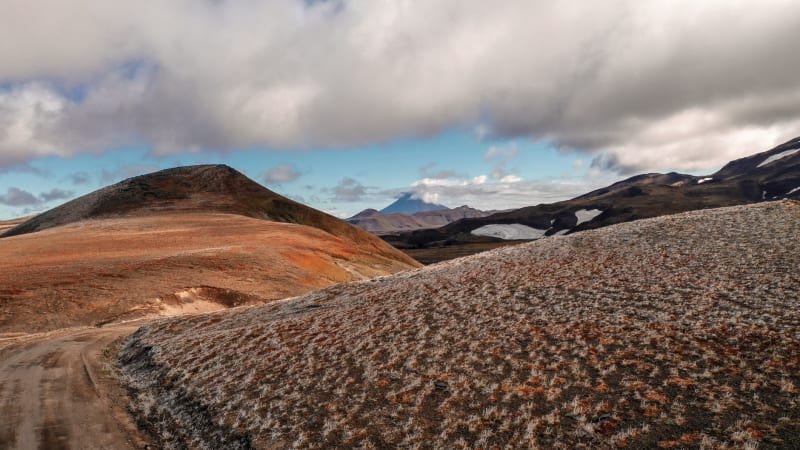
A remote interior village where Itelmen and Koryak traditions survive between taiga and steppe, accessible by small plane and time measured by silence.
Explore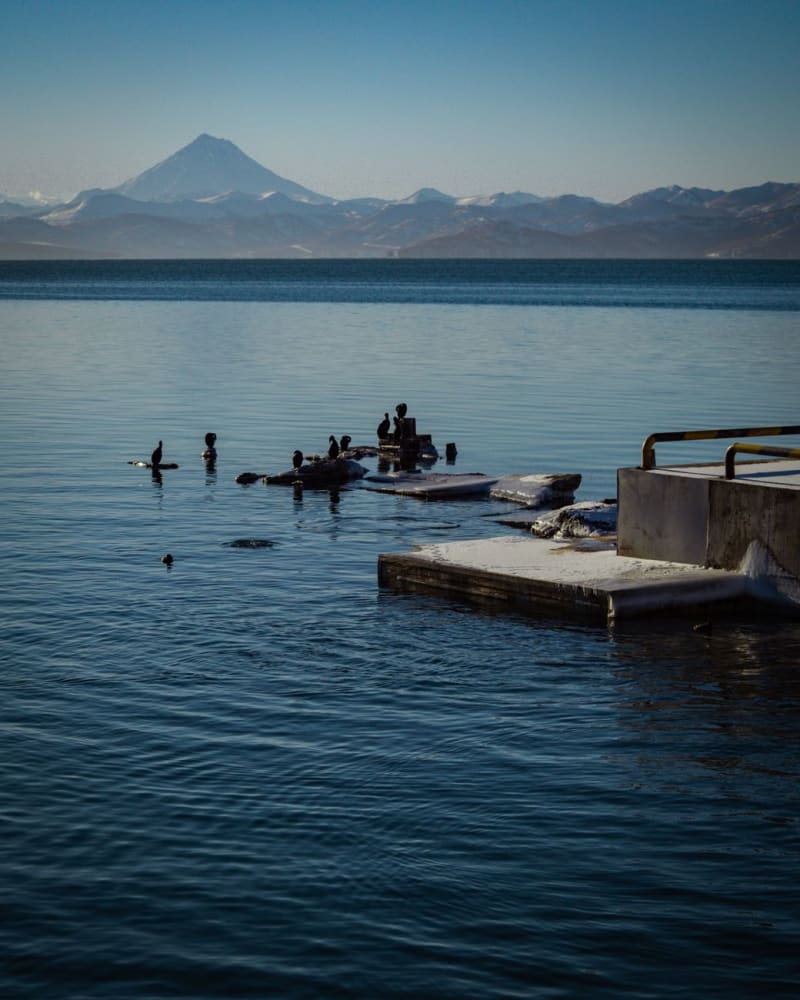 kamchatka
 Khalaktyrsky Beach
A vast wall of black volcanic sand on the open Pacific east of Petropavlovsk, where the surf is cold enough to steal your breath and the horizon holds nothing but grey ocean and the silhouettes of distant volcanoes.
Explore kamchatka
 Khodutka Hot Springs
A wild thermal pool deep in southern Kamchatka's wilderness, where hot springs emerge from a river valley with no map marker and no one keeping count.
Explore kamchatka
 Klyuchevskaya Sopka
Eurasia's highest active volcano rises 4,750 metres from the tundra and erupts with the casual regularity of something that has never needed a reason.
Explore kamchatka
 Kronotsky Nature Reserve
A UNESCO biosphere with the world's densest brown bear population, active volcanoes, and salmon rivers where the fish run so thick you can hear them from the bank.
Explore kamchatka
 Kurilskoye Lake
A volcanic caldera lake in the southern peninsula where tens of thousands of sockeye salmon spawn each August and the bears know exactly when to show up.
Explore