Bystrinsky Nature Park
"Some places don't ask to be understood, only to be walked through slowly."
A vast wilderness of taiga and tundra beneath Ichinsky Volcano, where reindeer herders still follow ancient rhythms.
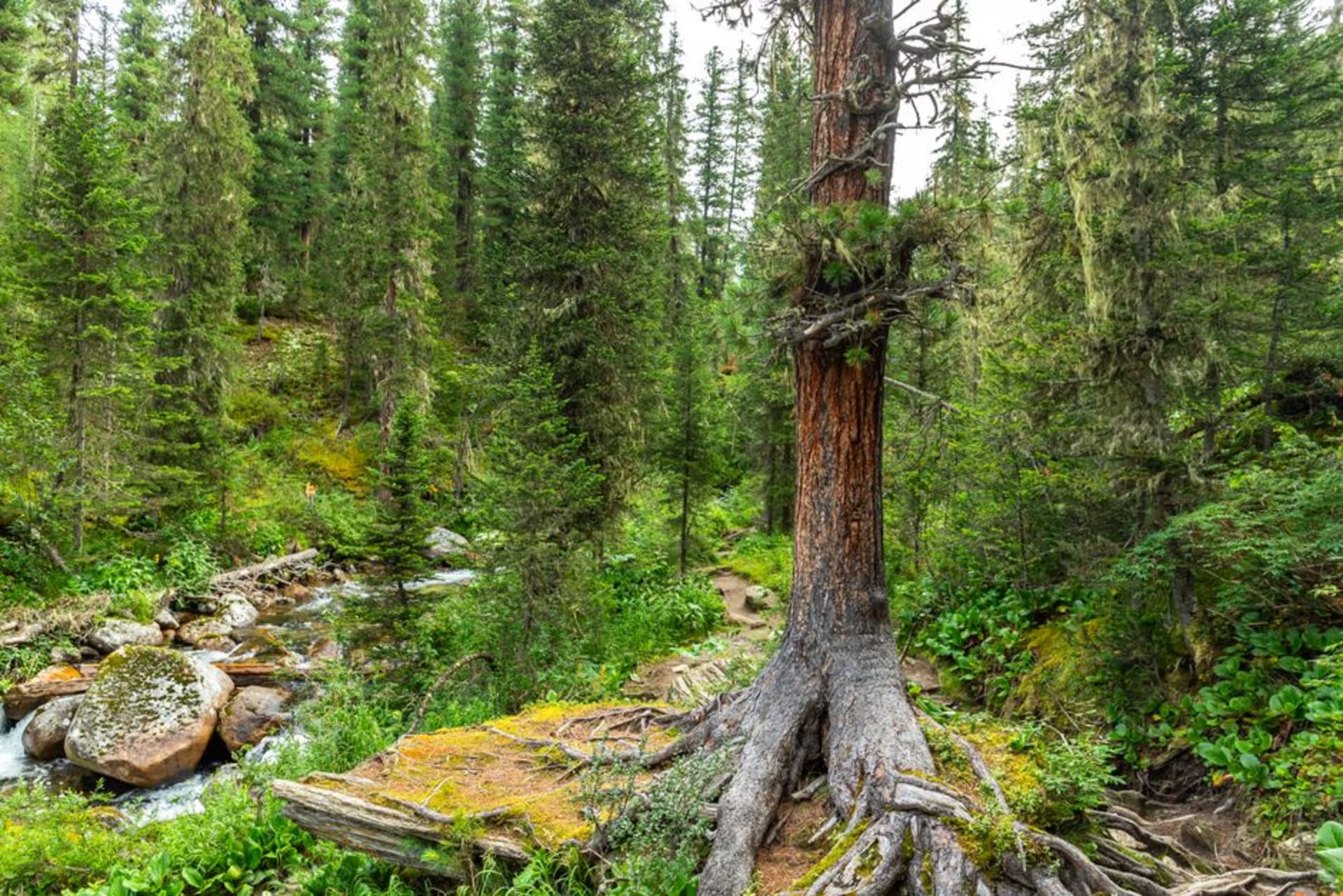
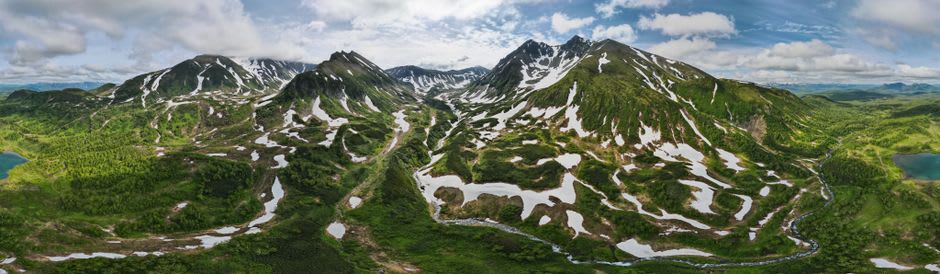
I’ll admit it took me two flights, a rattling Soviet-era van, and a full day of dirt road before Lia and I even reached the edge of Bystrinsky. Central Kamchatka doesn’t announce itself gently — it just widens around you, taiga stretching in every direction until the trees thin out and Ichinsky Volcano appears, enormous and improbably symmetrical, like something drawn rather than grown. I remember standing by the van with a lukewarm thermos of tea, unable to stop staring at it. It’s one of the tallest stratovolcanoes on the peninsula, and it has that particular Kamchatka trick of looking closer than it is.
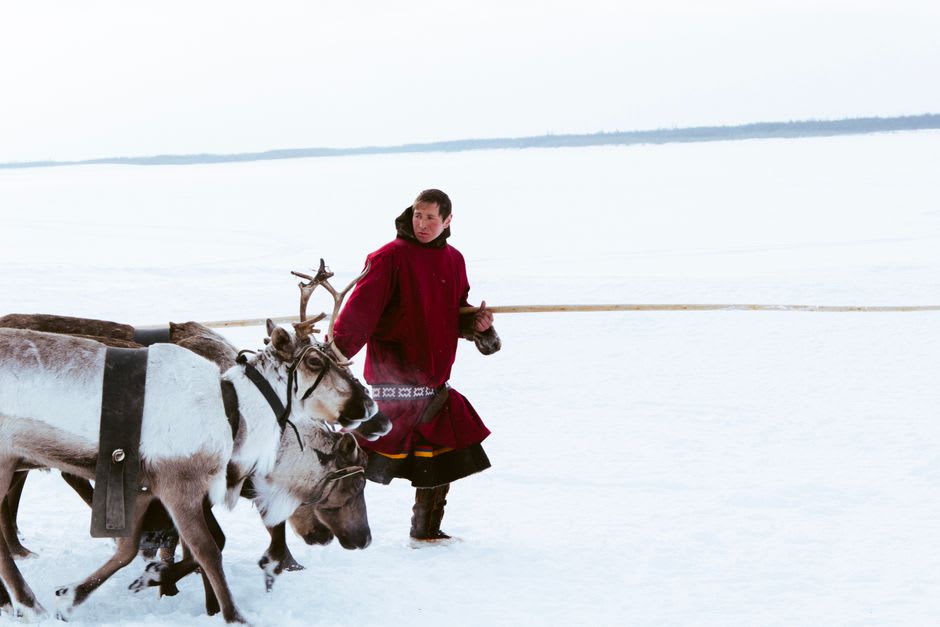
We were lucky enough to spend an afternoon with an Even family who still herd reindeer through this part of the park, a life that’s been lived here for generations, long before anyone drew a boundary around it and called it a UNESCO site. Lia, who grew up around horses back in France, was fascinated by how differently the herders moved with their animals — less command, more conversation. One of the young men, maybe twenty, let me hold the lead of a young reindeer while he adjusted its harness, and I felt absurdly proud of myself for not immediately losing my footing in the moss.
What struck me most, though, was the silence between moments of activity. This part of Kamchatka is remote even by Kamchatka standards — no real roads to speak of, no infrastructure pushing in from the edges — and the ecosystem feels almost undisturbed as a result. We hiked for hours through alpine tundra one morning without seeing another soul, just marmots whistling somewhere out of sight and the volcano watching over everything like a held breath. I ate the best smoked fish of my life that evening, cooked over a fire by our guide, and didn’t say much for a while afterward. Some places do that to you.
Getting here is not casual, and neither is staying — there’s a rawness to Bystrinsky that I think is precisely the point.
When to go: Aim for July through early September. Outside that narrow window, the roads and trails into the park become unreliable at best, and the whole place seems to close its doors until the ground firms up again.
Keep exploring
More from Kamchatka
 kamchatka
 Commander Islands
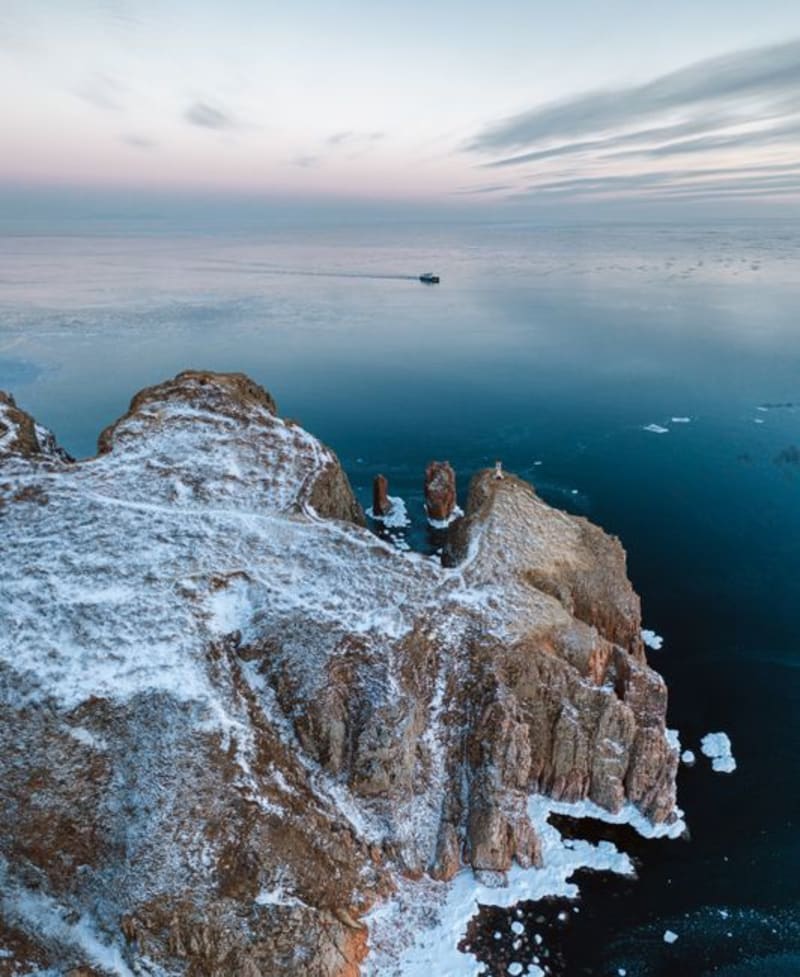
A wind-scoured archipelago in the Bering Sea where Vitus Bering died and the Steller's sea cow vanished forever.
Explore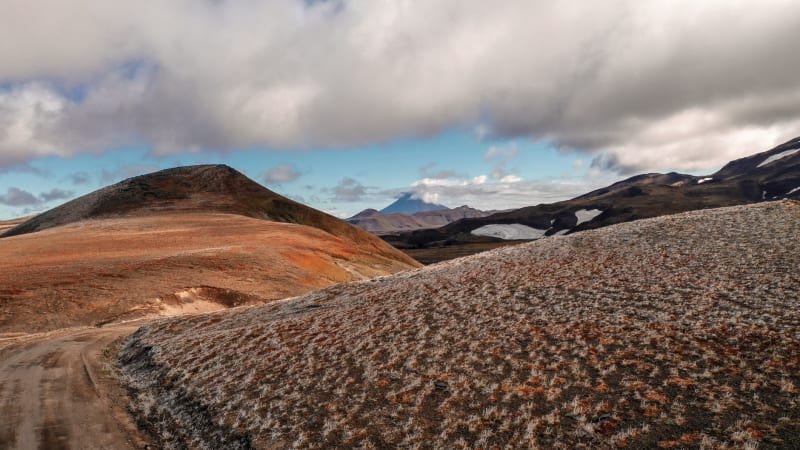 kamchatka
 Esso
A remote interior village where Itelmen and Koryak traditions survive between taiga and steppe, accessible by small plane and time measured by silence.
Explore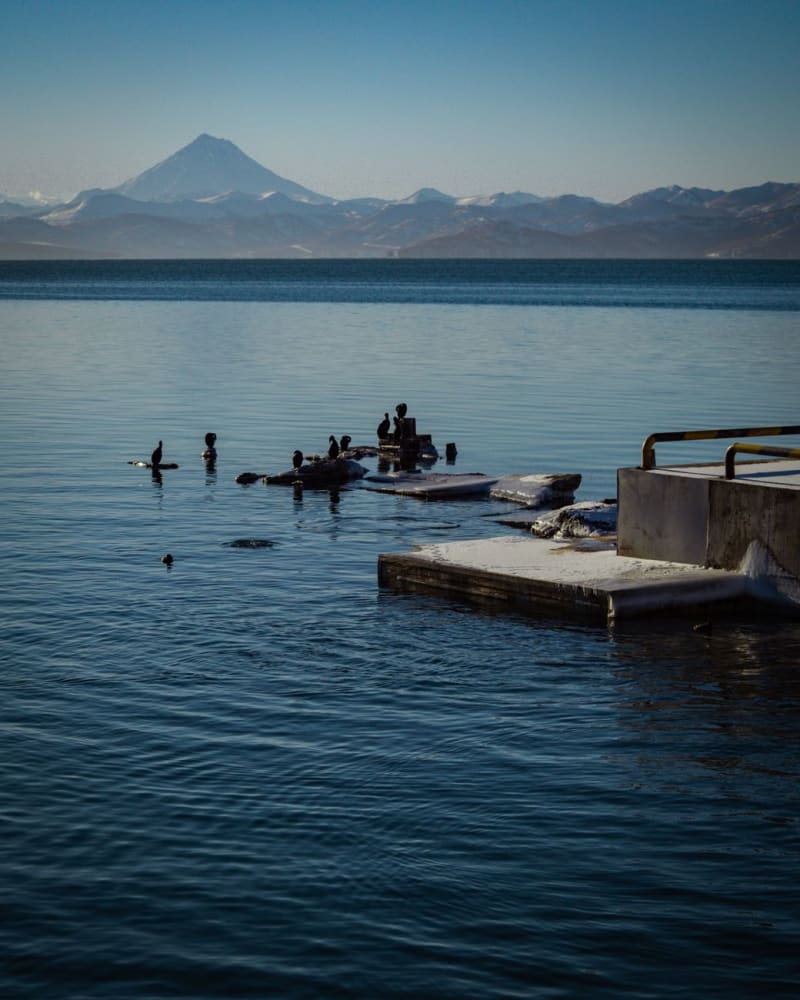 kamchatka
 Khalaktyrsky Beach
A vast wall of black volcanic sand on the open Pacific east of Petropavlovsk, where the surf is cold enough to steal your breath and the horizon holds nothing but grey ocean and the silhouettes of distant volcanoes.
Explore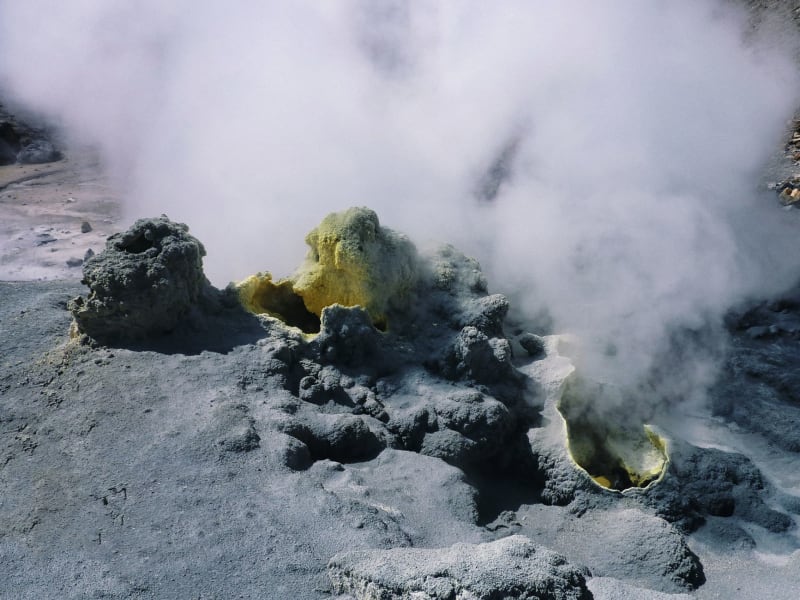 kamchatka
 Khodutka Hot Springs
A wild thermal pool deep in southern Kamchatka's wilderness, where hot springs emerge from a river valley with no map marker and no one keeping count.
Explore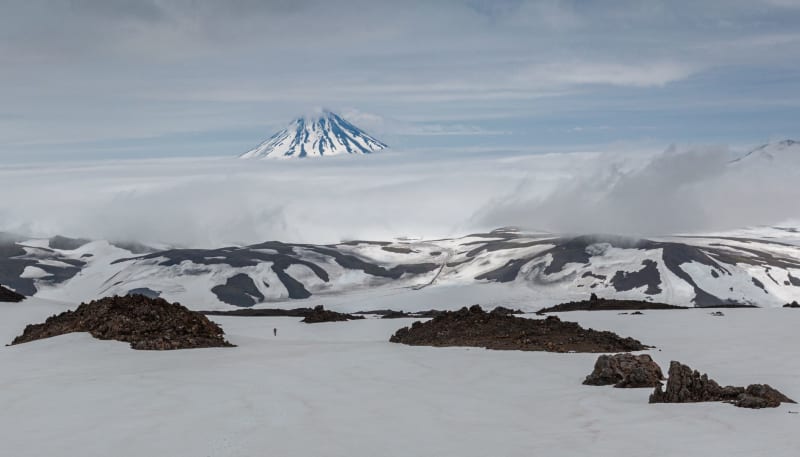 kamchatka
 Klyuchevskaya Sopka
Eurasia's highest active volcano rises 4,750 metres from the tundra and erupts with the casual regularity of something that has never needed a reason.
Explore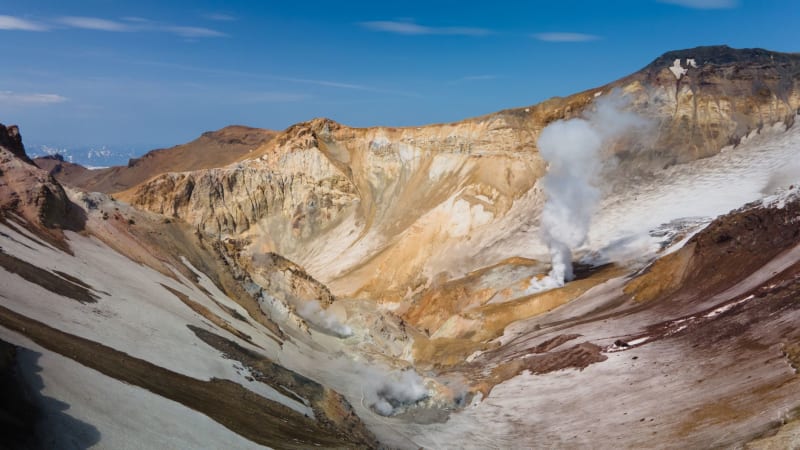 kamchatka
 Kronotsky Nature Reserve
A UNESCO biosphere with the world's densest brown bear population, active volcanoes, and salmon rivers where the fish run so thick you can hear them from the bank.
Explore