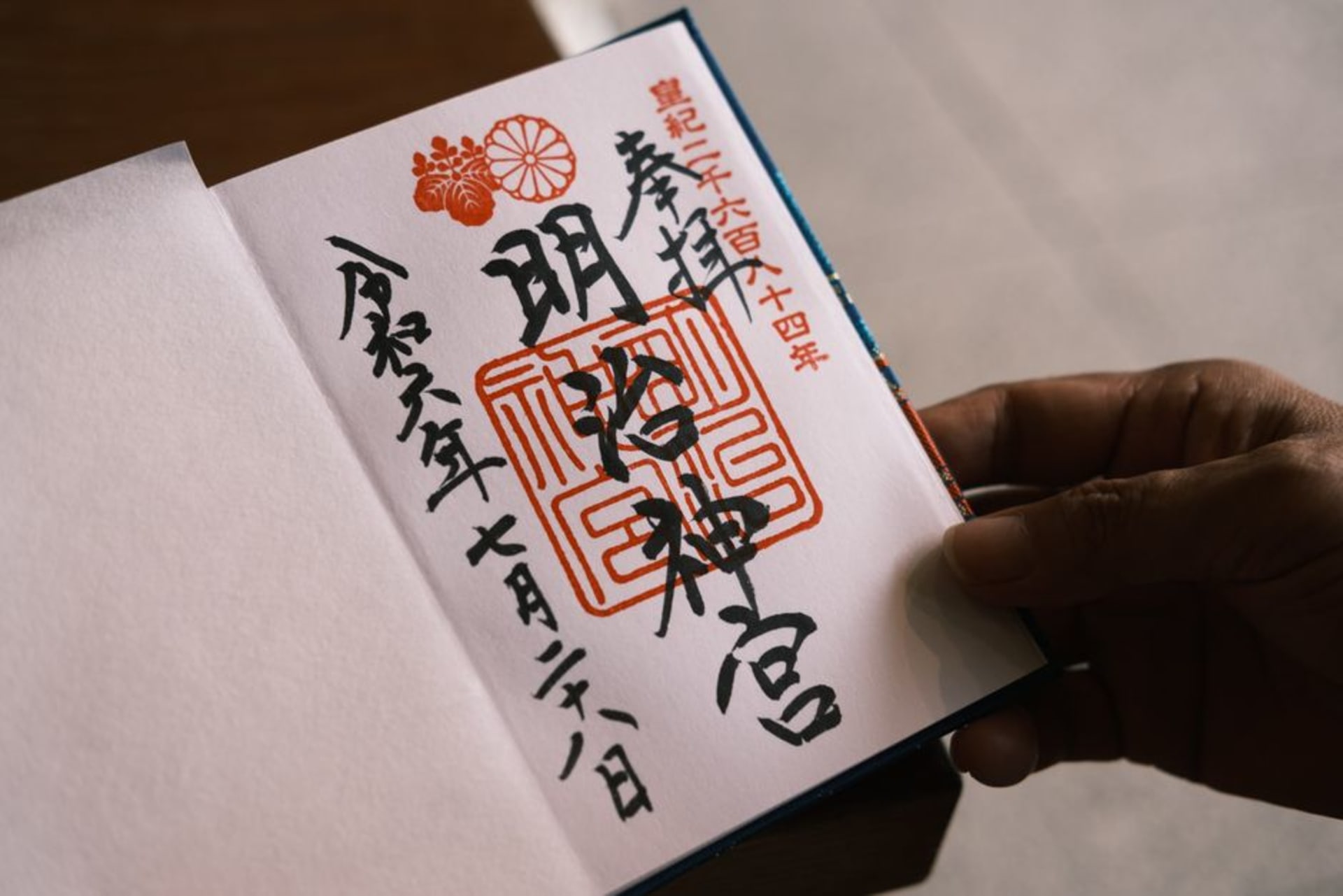
Ogatsu
"He kept carving the same stone his grandfather would have carved, in a town that had to be rebuilt to let him do it."
A small Oshika Peninsula town that once produced most of Japan's ceremonial inkstones, devastated by the 2011 tsunami, where artisans have painstakingly rebuilt the centuries-old Ogatsu suzuri craft from near-total loss.

We came to Ogatsu after reading a short article about its inkstone makers, the kind of piece that mentions a craft almost in passing and then quietly breaks your heart with what came after. This small town on the Oshika Peninsula, not far from Sendai via Ishinomaki, had for generations produced most of the suzuri inkstones used across Japan, ground from a particular local slate prized by calligraphers. Then the 2011 tsunami hit the coast here directly, killing residents and washing away nearly all of the town’s houses and workshops. Lia and I went in quietly, unsure what exactly we’d find of a craft town that had been so thoroughly emptied out, and left having met people rebuilding it stone by stone, almost literally.
Stone That Survived What the Town Didn’t
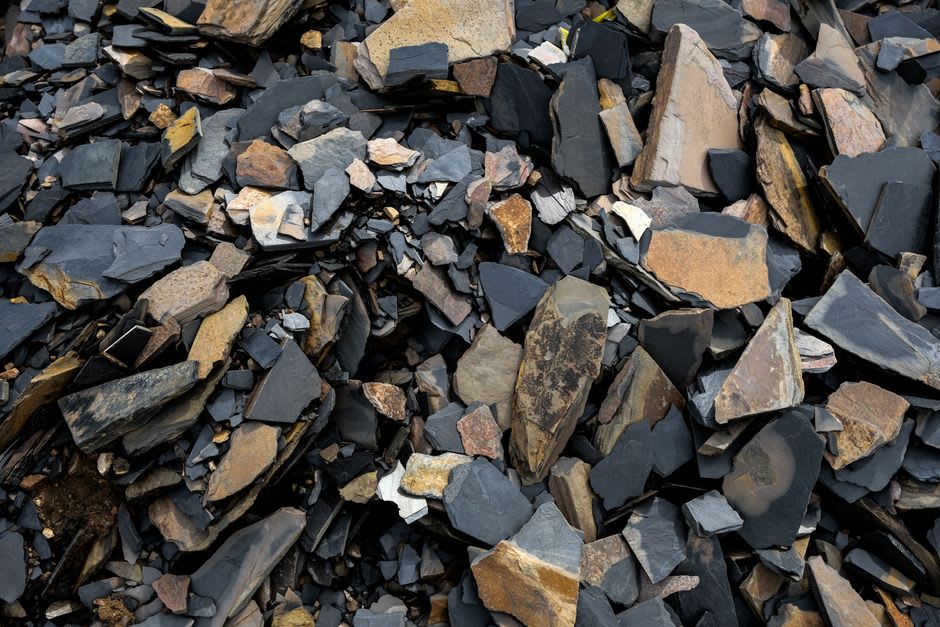
What makes Ogatsu’s story so specific is that while the buildings and workshops were destroyed, the actual resource the craft depends on — the slate quarries in the hills above town — survived largely intact. Walking near one of the old quarry sites with a local guide, seeing the dark, fine-grained rock still sitting there waiting to be worked, made concrete something that’s easy to say abstractly: the raw material of a centuries-old tradition had outlasted the disaster, even when almost nothing built on top of it had. Lia ran her hand over a rough, unworked piece of the stone, cool and slightly damp, and said it felt strange to think something this ordinary-looking had outlived so much.
Watching the Ink Stones Take Shape
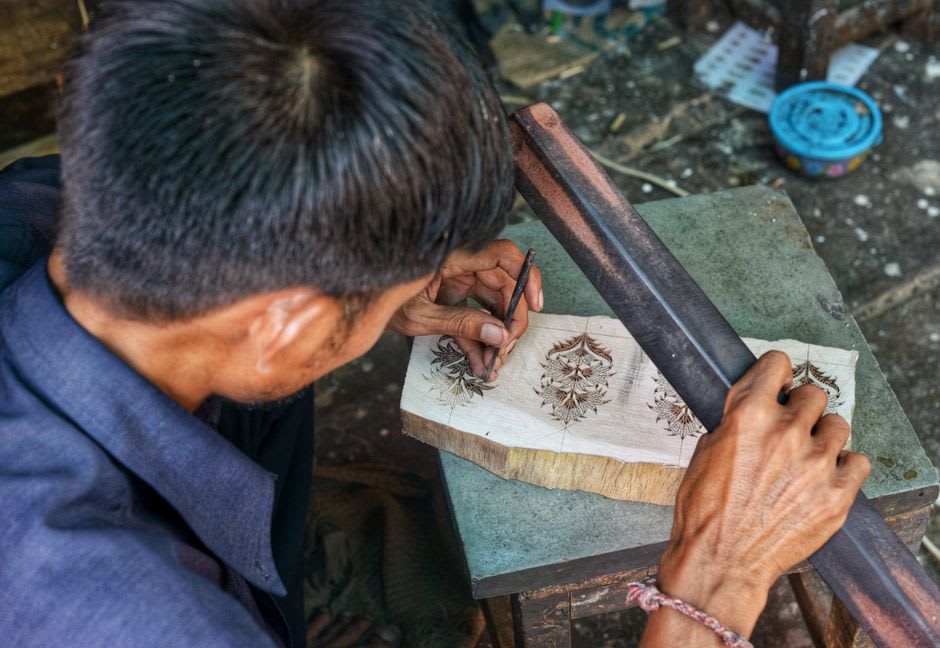
We visited one of the rebuilt workshops, where a craftsman who’d lost his original studio in the disaster now works out of a newer building near the water, carving inkstones with tools and techniques passed down through his family. Watching him work — slow, deliberate strokes carving shallow wells and decorative patterns into the dark slate — I understood why this craft takes years to learn properly; every motion looked unhurried but exact, nothing wasted. He let Lia hold a finished stone, smooth and cool and startlingly heavy for its size, explaining briefly how the stone’s fine grain lets ink grind almost silklike against it. He spoke about the tsunami plainly, without dwelling, more focused on describing the stone in his hands than on what it had taken to get back to holding it.
A Town Still Being Rebuilt
Driving and walking through Ogatsu itself, you can still see the scale of what happened — cleared lots where houses once stood, new elevated roads, a scattering of rebuilt buildings among still-empty ground. It isn’t a town performing recovery for visitors; it’s a town still, visibly, in the middle of it, more than a decade on. Lia and I didn’t say much walking through the quieter stretches near the water, past foundations with nothing rebuilt on them yet. But the inkstone workshops, back in operation and training a small new generation of craftspeople, felt like a genuinely hopeful thread running through all of it — proof that a very specific, very old skill can survive even when almost everything around it has to be rebuilt from nothing.
Getting There
Ogatsu sits on the Oshika Peninsula a bus or car ride from Ishinomaki, which connects by rail to Sendai in under an hour. Public transit to Ogatsu itself is limited, with infrequent local buses, so a rental car from Ishinomaki or Sendai makes the trip considerably easier, especially if you want to visit a specific inkstone workshop rather than just pass through. It’s worth calling ahead or arranging a visit through a local tourism office if you’d like to watch a craftsman at work, since these are small, working studios rather than formal tourist attractions.
Keep exploring
More of Tōhoku
Keep exploring
More from Tōhoku
 japan
japan Oirase Gorge
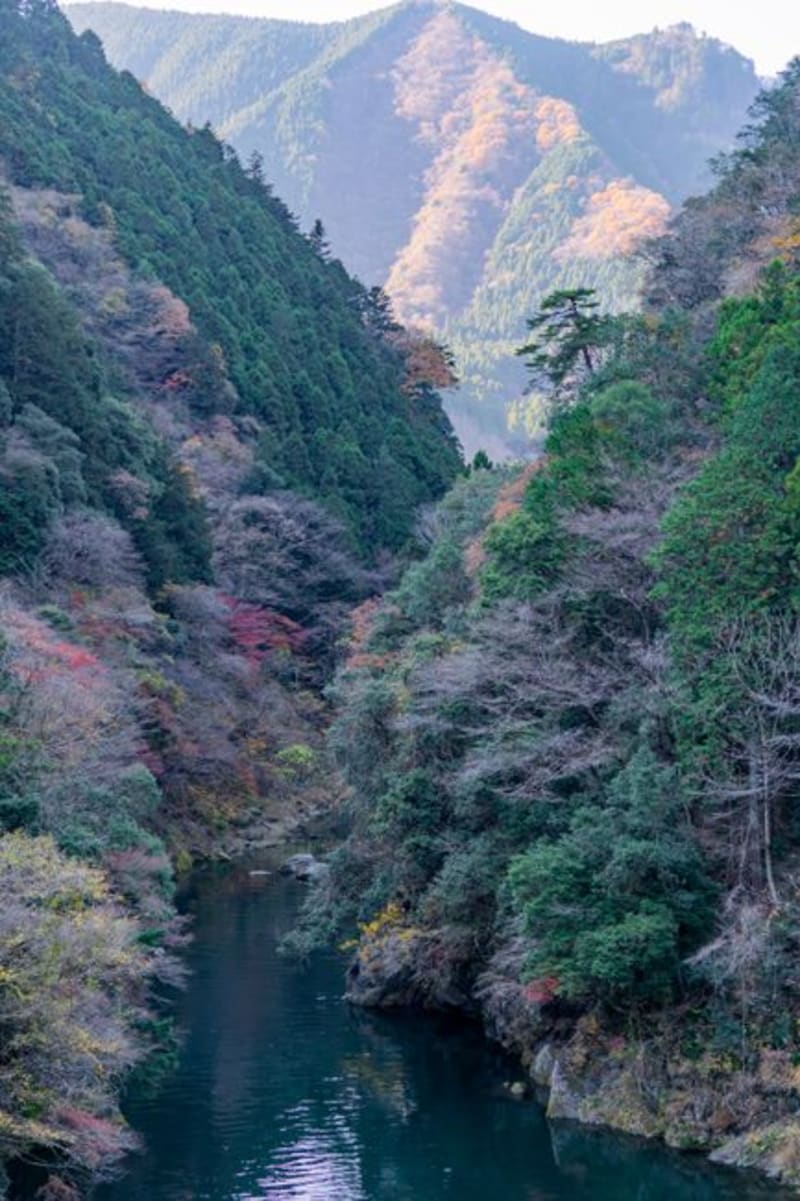
A luminous mountain stream in Aomori, flowing out of Lake Towada through a corridor of moss, rapids, and slender waterfalls. For fourteen kilometres the water and the trail run side by side beneath a green canopy so dense it turns the light the colour of leaves. We walked it slowly, and it rearranged something in us.
Explore japan
japan Osorezan
A sulfurous, blasted volcanic caldera at the top of Aomori that Japan has held sacred for over a thousand years — a rehearsal of the Buddhist afterlife you can walk through. Grey ash, a milky lake, stacked stones and spinning pinwheels for lost children. Few places have unsettled and moved me as much.
Explore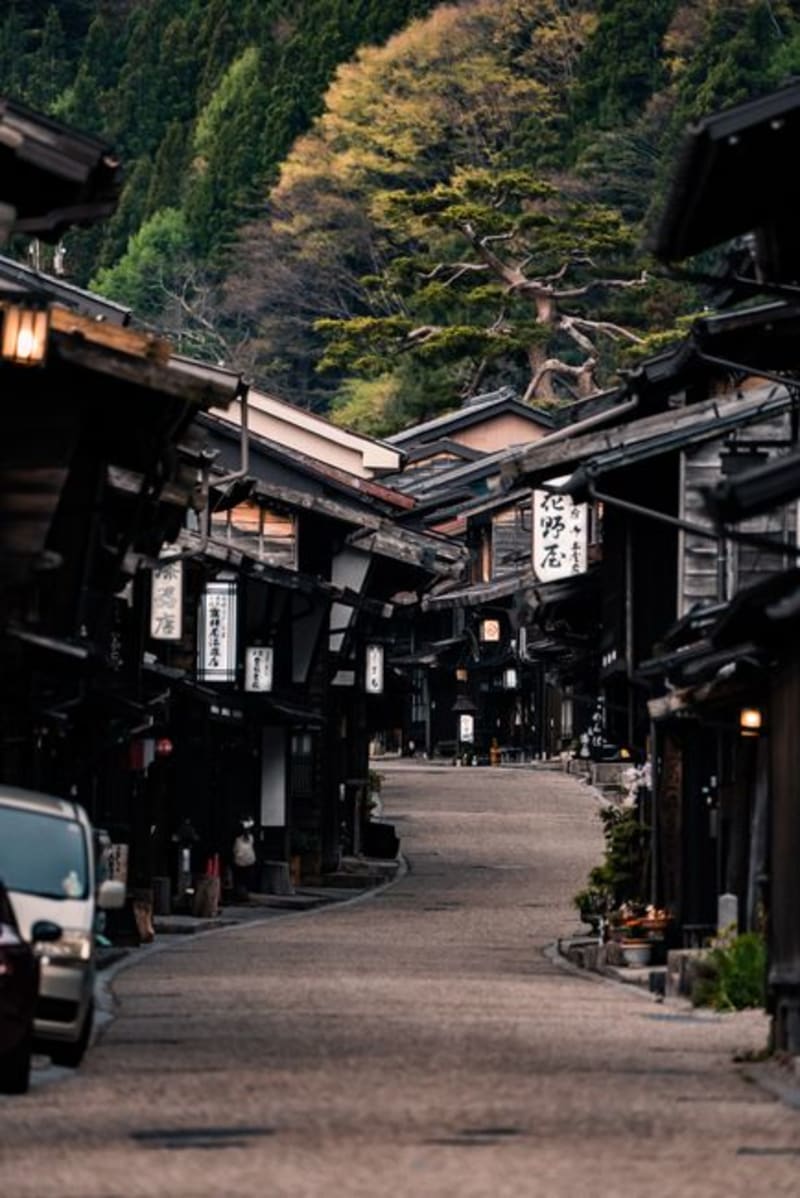 japan
japan Ouchi-juku
A preserved Edo-period post town in the Fukushima mountains: a single broad street of thick-thatched farmhouses, famous for soba eaten with a whole green onion for a spoon, and a hilltop that looks down over the snowy roofs. Timeless, rural, and quietly astonishing.
Explore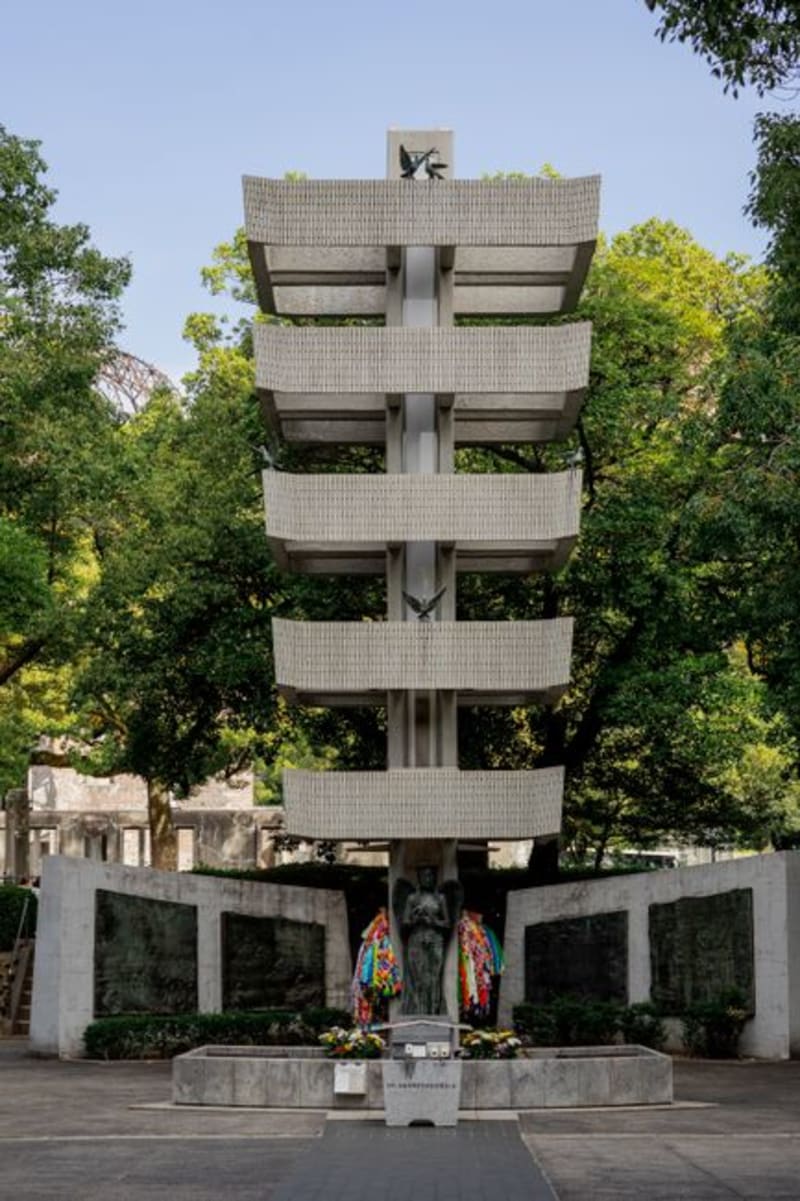 japan
japan Rikuzentakata / Miracle Pine Memorial
A tsunami-rebuilt town on Hirota Bay where a single preserved pine, the only survivor of a centuries-old forest of tens of thousands, stands as the centerpiece of Iwate's tsunami memorial park amid the ruins of a destroyed youth hostel.
Explore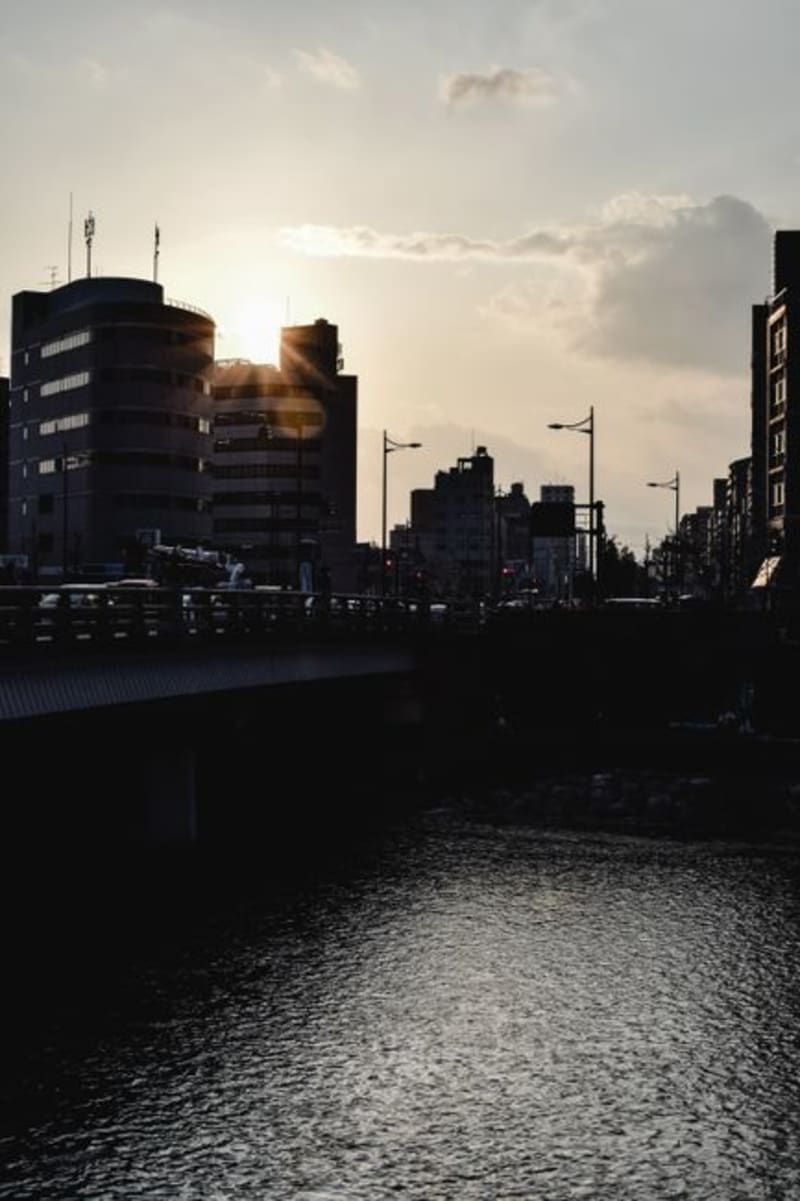 japan
japan Sakata
A Sea-of-Japan port that grew fat on Edo-era shipping and never quite forgot it. The rice warehouses stand in a row beneath old zelkova trees, and the town keeps a merchant's quiet swagger. Come for the light off the water and the sense of a place that was once the center of everything.
Explore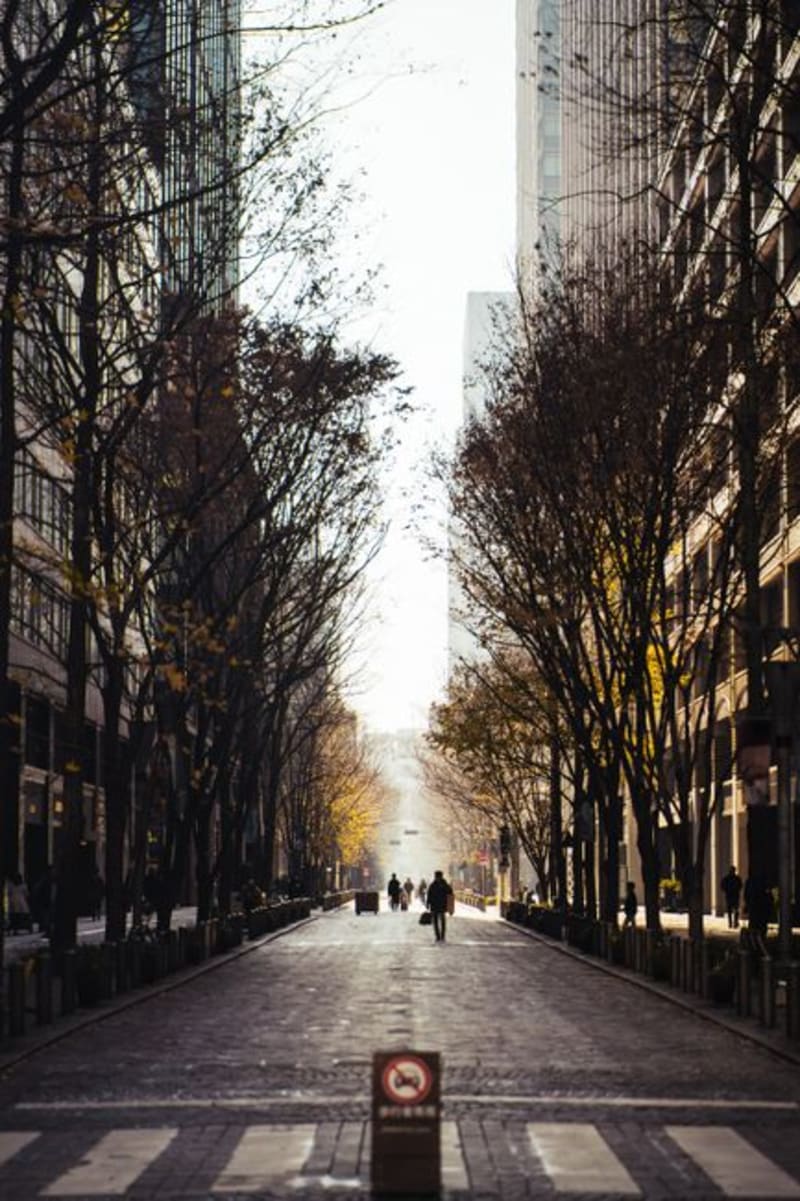 japan
japan Sendai
The relaxed City of Trees in the heart of Tōhoku, where broad zelkova-lined avenues shade the sidewalks and the hilltop ruins of a warlord's castle look out over the plain. Grilled beef tongue, green boulevards, and the quiet coast a short ride away.
Explore