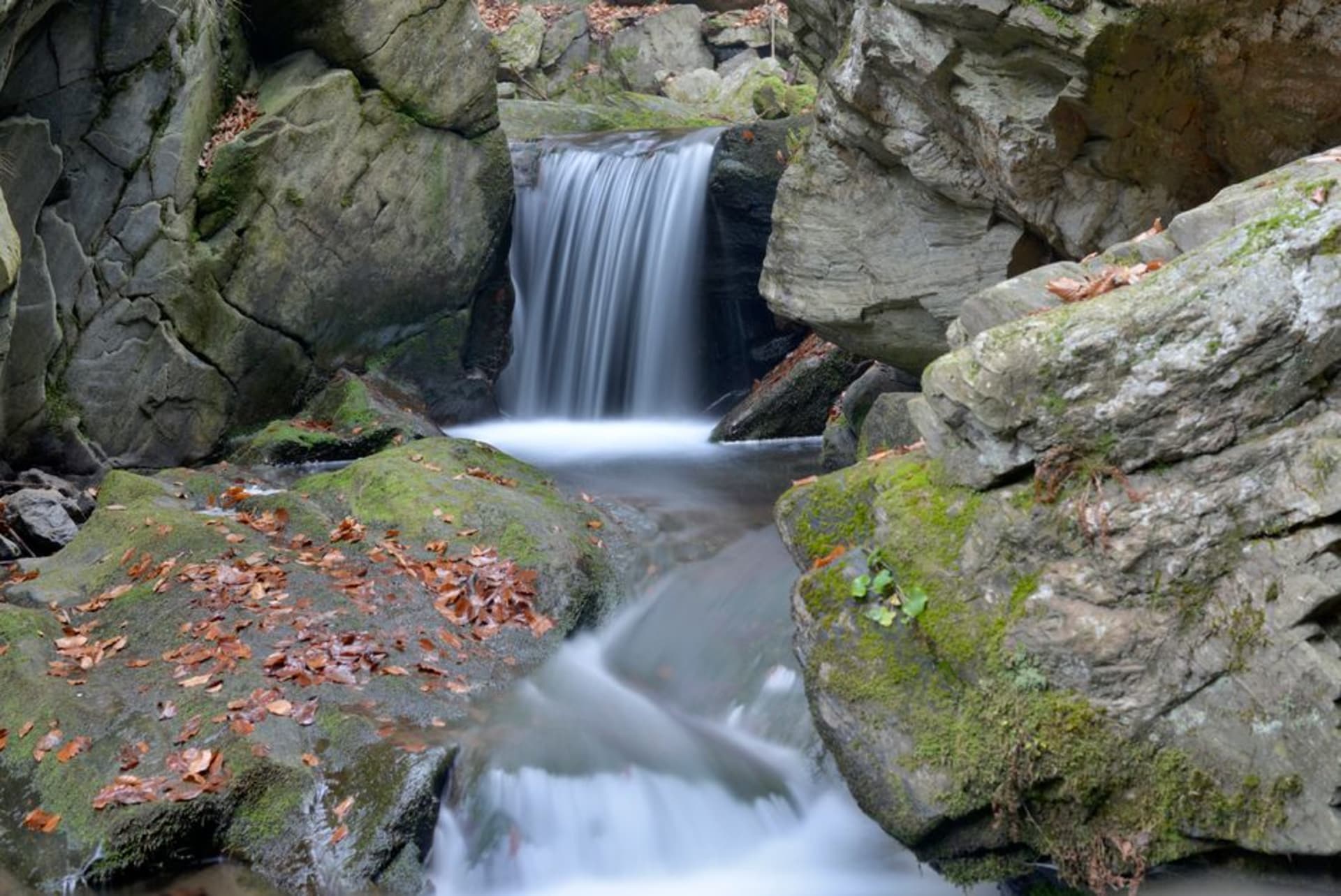
Oirase Gorge
"We stopped counting waterfalls somewhere around the twentieth and just listened."
A luminous mountain stream in Aomori, flowing out of Lake Towada through a corridor of moss, rapids, and slender waterfalls. For fourteen kilometres the water and the trail run side by side beneath a green canopy so dense it turns the light the colour of leaves. We walked it slowly, and it rearranged something in us.

Lia has a rule on trails: no headphones, no talking for the first hour, just walking. I usually last about fifteen minutes. But at Oirase Gorge I kept the silence the whole way, because the stream does the talking and it never once repeats itself. We started near the outlet of Lake Towada, up in the mountains of Aomori at Tohoku’s northern end, where the water leaves the caldera and immediately begins to hurry — over boulders furred green with moss, around fallen trees, through narrow chutes where it goes white and loud. The trail runs right alongside it, close enough to feel the cool air the rapids throw off. Within twenty minutes I understood why Japanese travellers speak about this gorge the way they speak about a famous temple.
Walking Beside the Water
The path from Nenokuchi, at the lake, down to Yakeyama runs about fourteen kilometres, gently downhill, and the genius of it is how little separates you from the stream. There’s no railing keeping you back, no viewing platform to herd you — just a soft dirt trail winding through the trees with the water a few steps to your side the entire way. We passed walkers of every age, including an old man with a tripod who had clearly walked this route a hundred times and still stopped to photograph the same bend. The moss is everywhere: on the rocks in the water, on the fallen logs, climbing the bases of the beeches, so that the whole gorge glows a saturated green in summer. Lia crouched to touch a boulder and her hand came away damp and cold. “It’s a rainforest,” she whispered, which in feeling if not in botany was exactly right.

The Waterfalls
The gorge is stitched with waterfalls, some tumbling straight into the main stream, others sliding down the far cliffs from side valleys you never see. Each has a name and a small wooden sign, and half the pleasure is rounding a bend to find the next one. The most famous, Kumoi-no-Taki, drops in delicate white threads down a mossy rock face; the broadest, Choshi-Otaki, is the only true waterfall on the main river itself, a wide curtain of water thundering across the whole width of the stream where we stood spellbound in its cold spray. We stopped counting somewhere in the twenties. What stayed with me wasn’t any single fall but the accumulation of them — the sense of a place absolutely lavish with water, spending it everywhere, all at once, with no thought of running out.

Lake Towada at the Top
We saved Lake Towada for the end, riding a bus back up to Nenokuchi where the gorge is born. After the tight green intimacy of the stream, the lake opens like a held breath released — a vast, deep caldera of startlingly clear water, ringed by forested crater walls, so still in the late afternoon that the far shore hung upside down in it. We took a boat partway across, and Lia went quiet again, this time from the scale of the thing. At the shore near Nenokuchi stands the Maiden of the Lake, a bronze of two women reaching toward each other, weathered green to match the woods. We sat near it and ate the rice balls we’d carried all day, watching the light go long over the water, both of us reluctant to end the walk we’d already ended.

Getting There
Oirase Gorge lies in the mountains of southern Aomori, and the usual gateways are Aomori city and Hachinohe, both served by the Tohoku Shinkansen. From either, JR and local buses run in the green season to Yakeyama and Nenokuchi, the two ends of the trail, taking somewhere between one and two and a half hours depending on your start. A car gives you flexibility, but parking along the narrow gorge road is limited and the point is really to walk — many visitors ride the bus to one end and stroll to the other, letting the current carry them downhill. The trail is at its most famous in autumn, when the maples blaze, but the summer moss season is quieter and, to my eye, just as lovely. Wear shoes you don’t mind getting damp, and give yourself the whole day.
Keep exploring
More of Tōhoku
Keep exploring
More from Tōhoku
 japan
japan Osorezan
A sulfurous, blasted volcanic caldera at the top of Aomori that Japan has held sacred for over a thousand years — a rehearsal of the Buddhist afterlife you can walk through. Grey ash, a milky lake, stacked stones and spinning pinwheels for lost children. Few places have unsettled and moved me as much.
Explore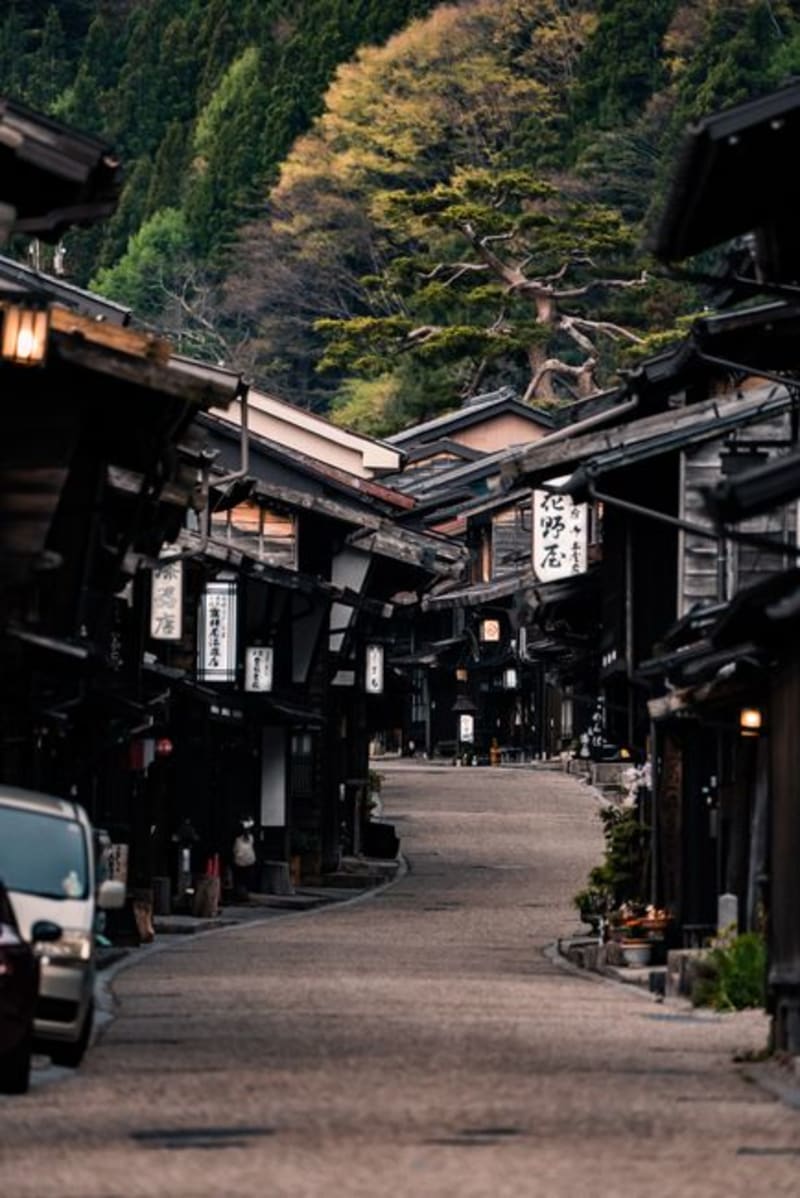 japan
japan Ouchi-juku
A preserved Edo-period post town in the Fukushima mountains: a single broad street of thick-thatched farmhouses, famous for soba eaten with a whole green onion for a spoon, and a hilltop that looks down over the snowy roofs. Timeless, rural, and quietly astonishing.
Explore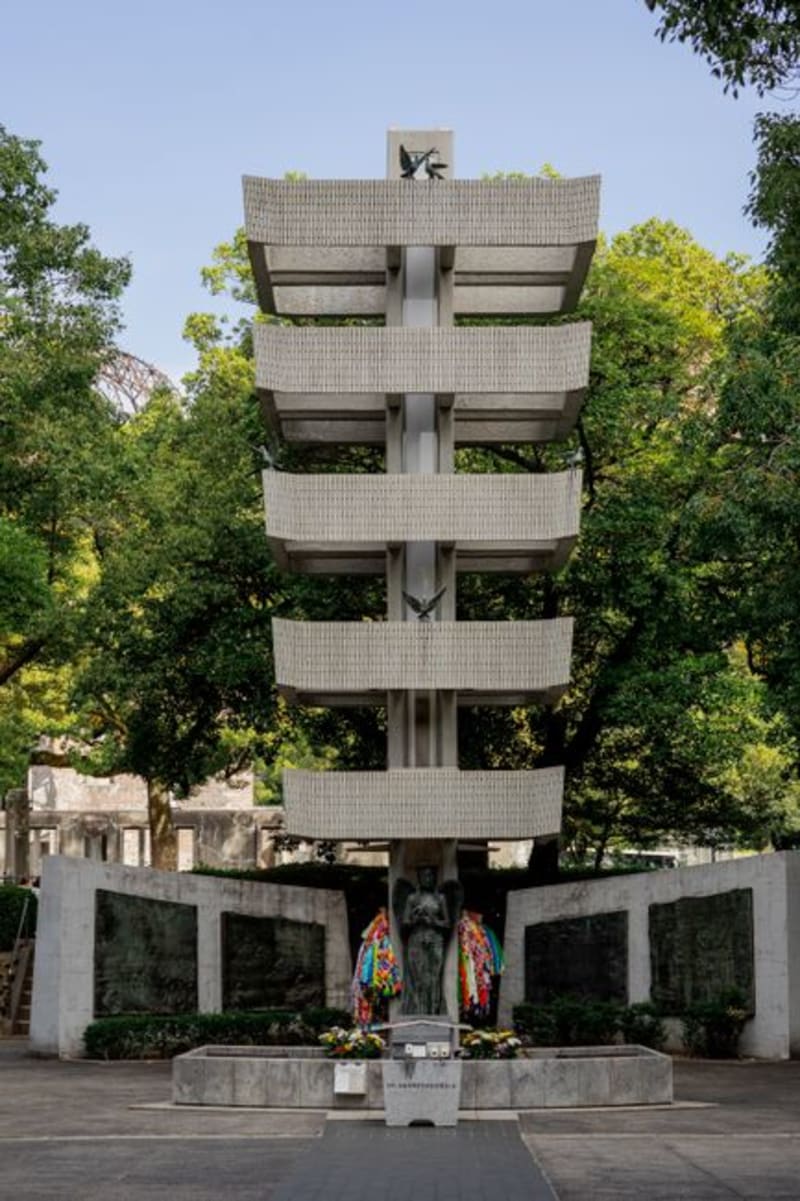 japan
japan Rikuzentakata / Miracle Pine Memorial
A tsunami-rebuilt town on Hirota Bay where a single preserved pine, the only survivor of a centuries-old forest of tens of thousands, stands as the centerpiece of Iwate's tsunami memorial park amid the ruins of a destroyed youth hostel.
Explore japan
japan Sakata
A Sea-of-Japan port that grew fat on Edo-era shipping and never quite forgot it. The rice warehouses stand in a row beneath old zelkova trees, and the town keeps a merchant's quiet swagger. Come for the light off the water and the sense of a place that was once the center of everything.
Explore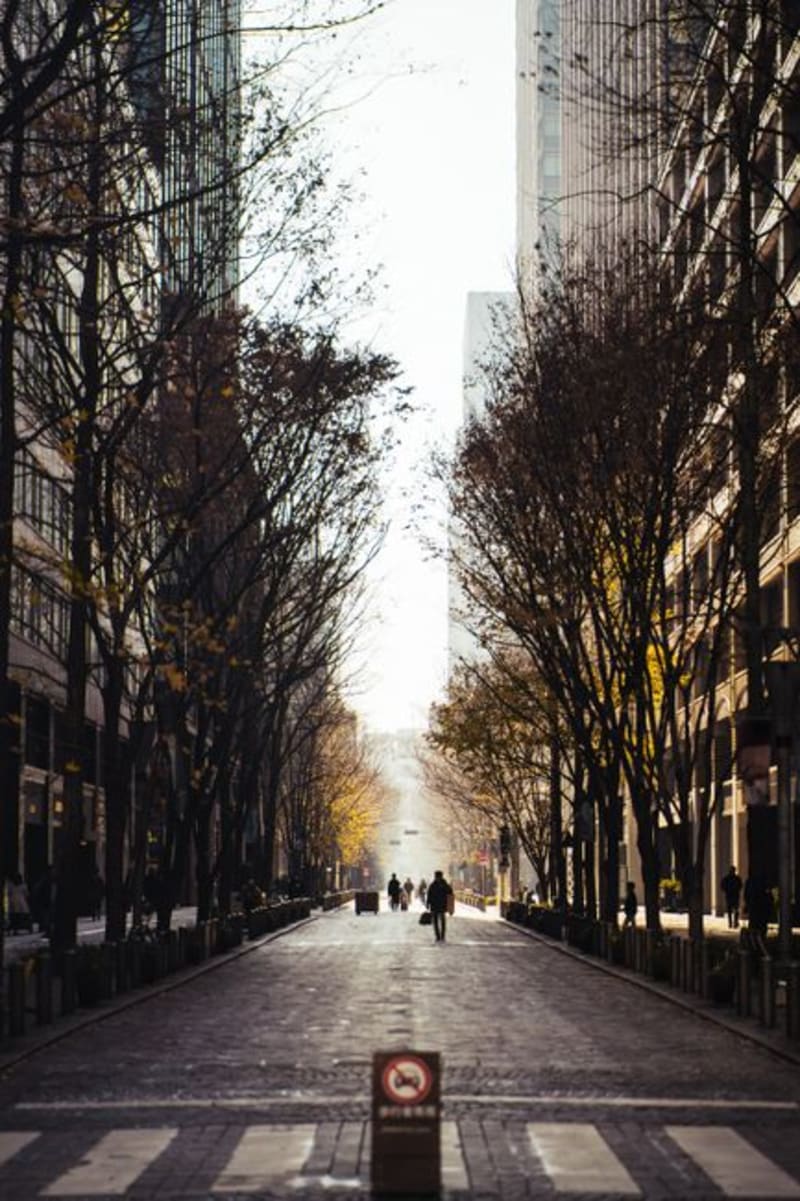 japan
japan Sendai
The relaxed City of Trees in the heart of Tōhoku, where broad zelkova-lined avenues shade the sidewalks and the hilltop ruins of a warlord's castle look out over the plain. Grilled beef tongue, green boulevards, and the quiet coast a short ride away.
Explore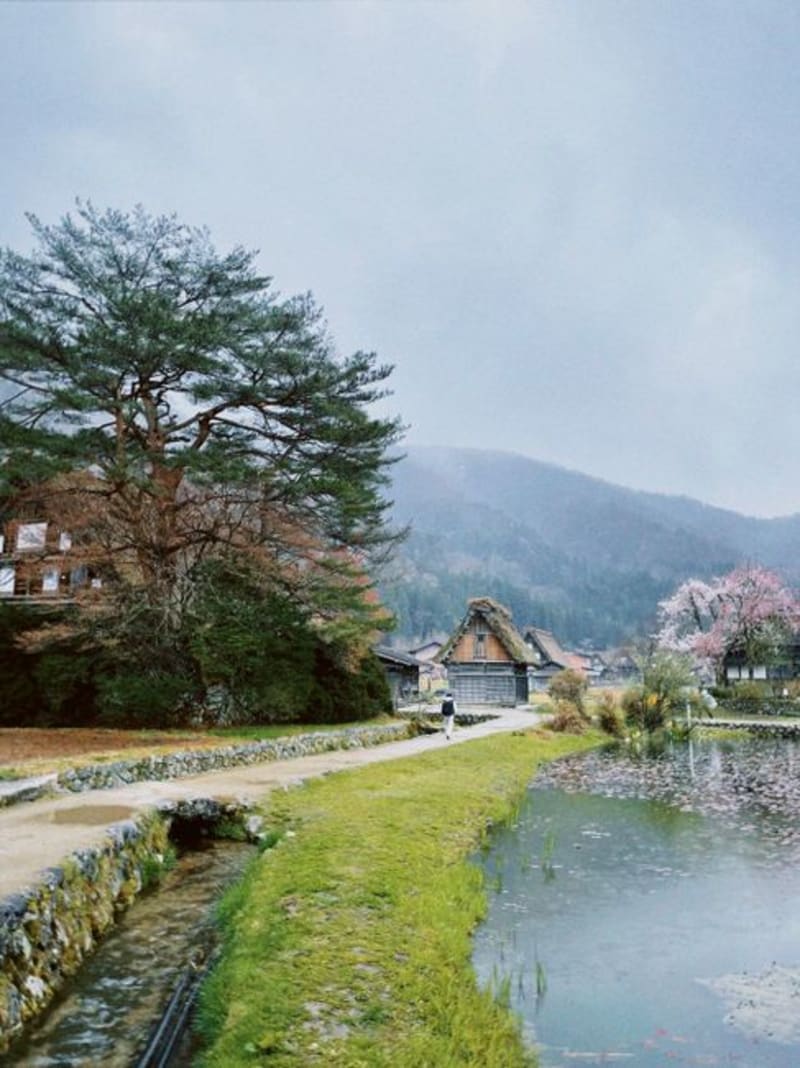 japan
japan Shirakawa Barrier
An ancient earthen-rampart checkpoint marking the historic frontier between Yamato Japan and the Emishi peoples of Tohoku, rediscovered centuries after being lost and now a quiet reconstructed site among old farmhouses.
Explore