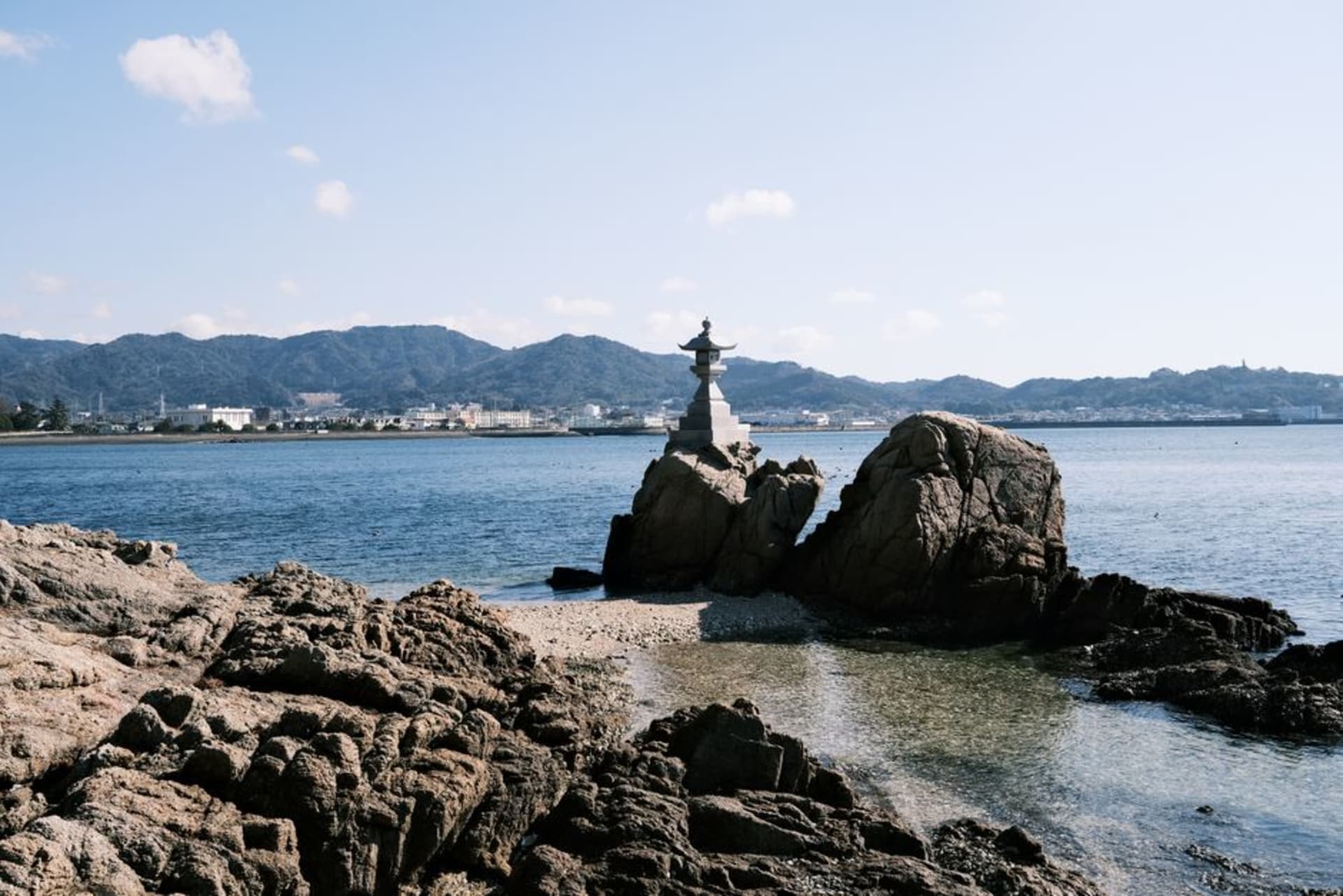
Nihonmatsu
"The whole figure was made of flowers, right down to the sleeves, and it still somehow looked like it was about to move."
A castle town near Fukushima City where the mist-shrouded ruins of Kasumigajo Castle host one of Japan's largest chrysanthemum doll festivals each autumn, historical figures recreated entirely from living flower petals.

We’d never heard of chrysanthemum dolls before a guesthouse owner near Fukushima City mentioned them almost in passing, describing life-sized historical figures dressed entirely in living flowers. It sounded too strange not to see for ourselves, so we timed a stop in Nihonmatsu for autumn, when the town’s castle grounds fill with these things for a few weeks every year. Walking up through the misty morning air toward Kasumigajo Castle’s ruined stone walls, I wasn’t sure what to expect, but nothing about the quiet approach prepared me for turning a corner and finding a life-sized samurai staring back at me, his entire armored costume built out of thousands of tiny chrysanthemum blooms.
Faces and Armor Made of Petals
The kiku ningyo, chrysanthemum dolls, use real porcelain-like faces and hands but build every stitch of costume from living flowers trained onto a frame, petals layered so densely and precisely that from a short distance the fabric illusion is complete. Walking among the scenes set up through the castle grounds — famous historical episodes recreated in tableaux — I kept having to remind myself that the elaborate robes and armor weren’t cloth at all. Lia crouched close to examine one figure’s sleeve, tracing how the individual petals had been trained into folds and pleats, and just kept shaking her head at the patience it must take. It’s a strange, quietly virtuosic craft, easy to walk past quickly and easy to get completely absorbed in once you actually look.
One Stem, Hundreds of Blooms
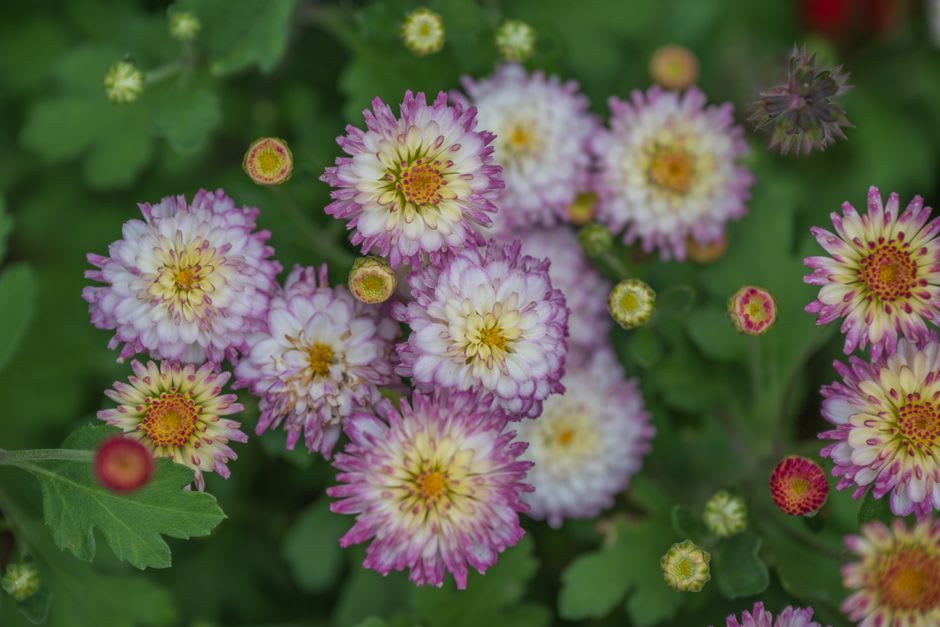
The festival’s other showpiece sits apart from the costumed figures: single chrysanthemum plants trained, over the better part of a year, into a dense dome shape carrying hundreds of individual blooms from one root system. Standing in front of one of these domes, it took real effort to accept that every flower on it traced back to a single stem, painstakingly wired and pruned and coaxed into that shape by growers who’d clearly spent an entire growing season thinking about almost nothing else. Lia asked one of the festival volunteers about the process and got a patient, detailed answer involving wire frames and constant adjustment that made the whole thing sound less like gardening and more like sculpture that happened to be alive.

Mist Over the Castle Ruins
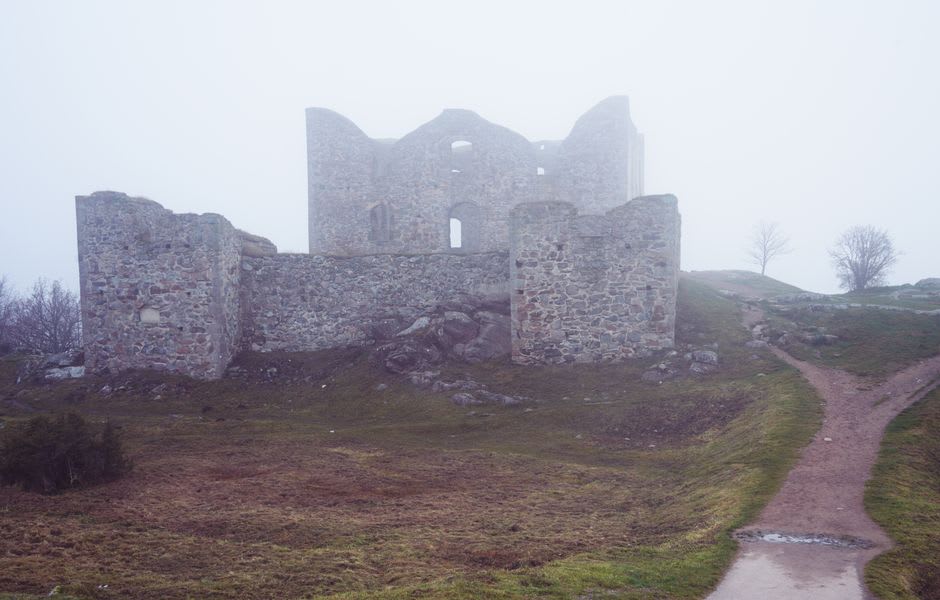
Kasumigajo means “misty castle,” and on the morning we visited the name earned itself completely — thin fog drifted through the stone walls and pine trees, softening the ruined keep’s outline and making the whole hillside feel suspended somewhere between real and remembered. We climbed up past the flower displays to the old castle grounds proper, mostly bare foundations and reconstructed walls now, and looked back down over the town through the haze. It’s a quietly beautiful set piece even without the festival, and having the chrysanthemum figures scattered through the mist below only added to the sense that we’d wandered into something a little outside ordinary time.
Getting There
Nihonmatsu is a short train ride from Fukushima City on the Tohoku Main Line, making it an easy day trip or stopover for anyone passing through on the Tohoku Shinkansen route. The chrysanthemum doll festival runs only in autumn for a limited window, so check dates ahead of time if that’s the draw, though Kasumigajo Castle’s grounds and the town’s old streets are worth a visit outside festival season too. From Nihonmatsu Station it’s a walkable but uphill route to the castle grounds, or a short taxi ride if you’d rather save your legs for wandering the festival displays themselves.
Keep exploring
More of Tōhoku
Keep exploring
More from Tōhoku
 japan
japan Nyūtō Onsen
A cluster of secluded, centuries-old hot-spring inns hidden deep in the Akita mountains. Milky-white open-air baths steaming in the forest, thatched-roof ryokan warmed by irori hearths, and the feeling of having slipped clean out of the modern world.
Explore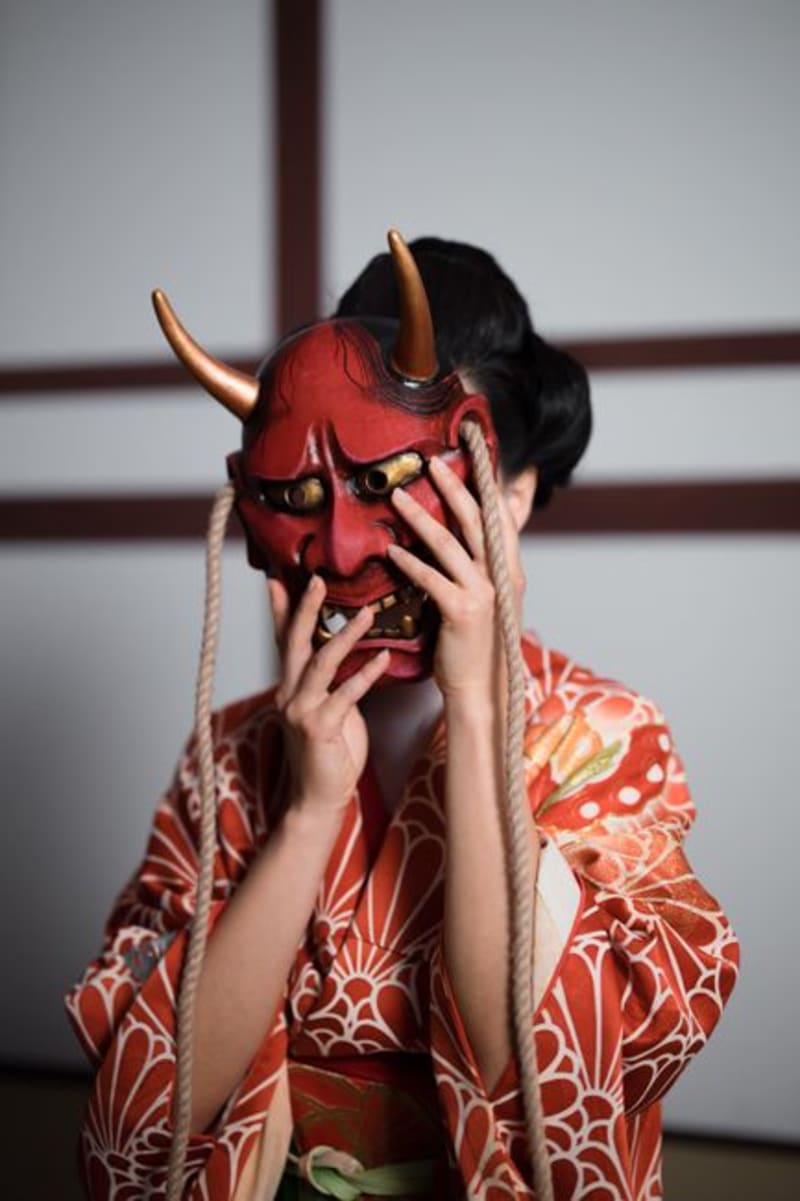 japan
japan Oga
A hook of land thrown out into the Sea of Japan, the Oga Peninsula is all dramatic cliffs, spinning sunsets and the memory of demons. This is the home of the Namahage, the straw-cloaked ogres who once a year come down from the mountains to terrify the region's children into being good. We came to meet them, more or less.
Explore japan
japan Ogatsu
A small Oshika Peninsula town that once produced most of Japan's ceremonial inkstones, devastated by the 2011 tsunami, where artisans have painstakingly rebuilt the centuries-old Ogatsu suzuri craft from near-total loss.
Explore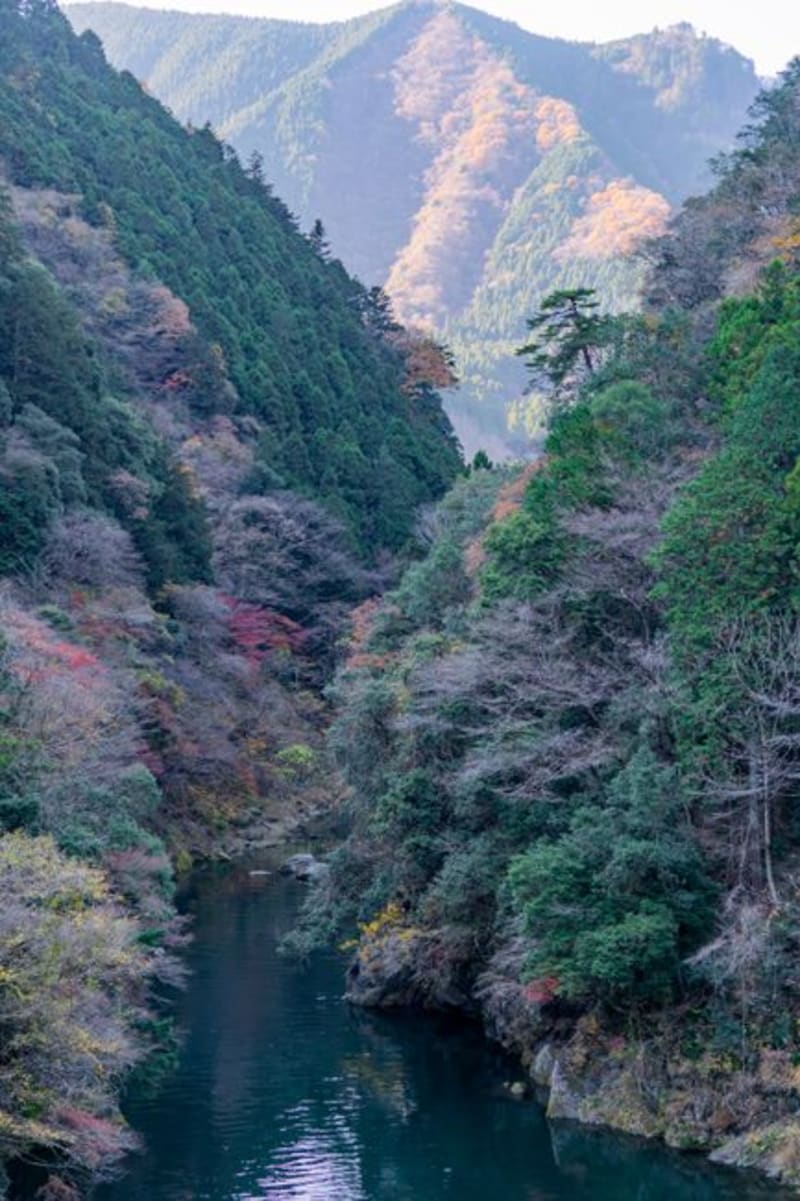 japan
japan Oirase Gorge
A luminous mountain stream in Aomori, flowing out of Lake Towada through a corridor of moss, rapids, and slender waterfalls. For fourteen kilometres the water and the trail run side by side beneath a green canopy so dense it turns the light the colour of leaves. We walked it slowly, and it rearranged something in us.
Explore japan
japan Osorezan
A sulfurous, blasted volcanic caldera at the top of Aomori that Japan has held sacred for over a thousand years — a rehearsal of the Buddhist afterlife you can walk through. Grey ash, a milky lake, stacked stones and spinning pinwheels for lost children. Few places have unsettled and moved me as much.
Explore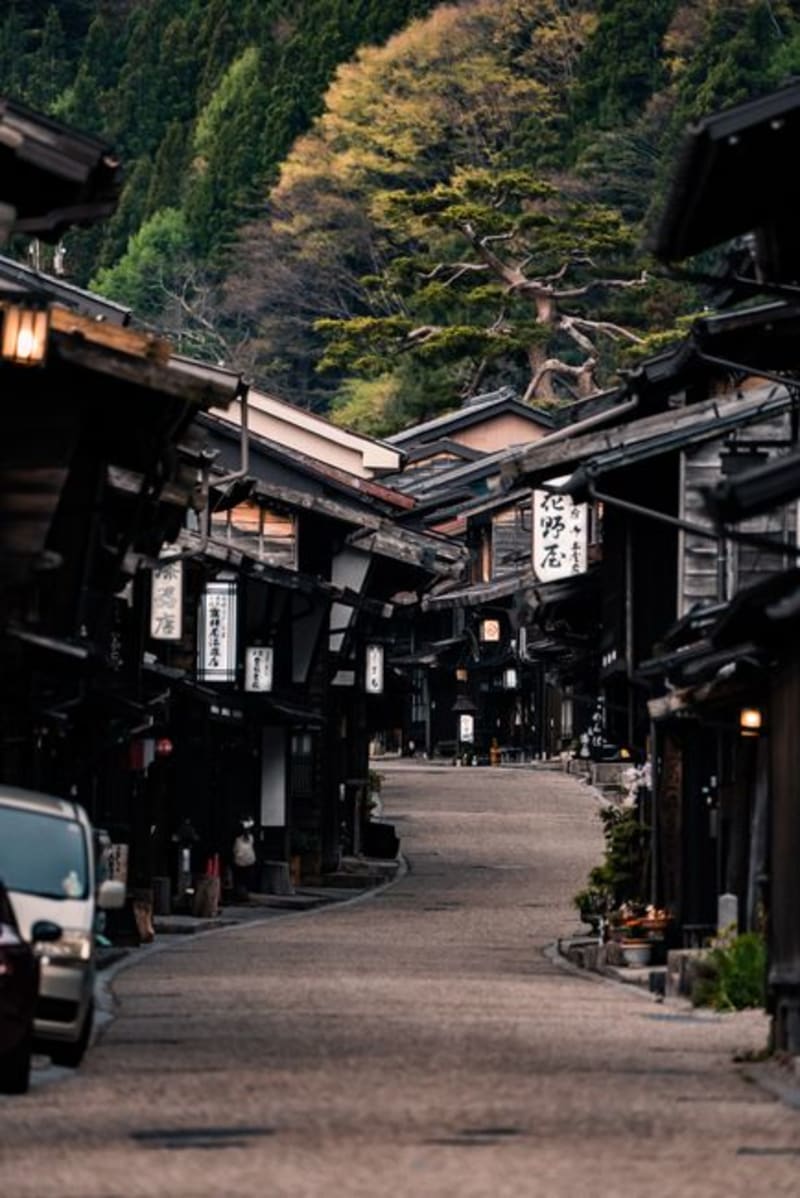 japan
japan Ouchi-juku
A preserved Edo-period post town in the Fukushima mountains: a single broad street of thick-thatched farmhouses, famous for soba eaten with a whole green onion for a spoon, and a hilltop that looks down over the snowy roofs. Timeless, rural, and quietly astonishing.
Explore