Iizaka Onsen
"Beppu in the west, Iizaka in the east, they told us, and by the end of the soak I believed them."
One of Japan's oldest hot spring towns near Fukushima City, visited by poet Matsuo Basho and later Helen Keller, where locals still rank it among the country's finest onsen and October brings the crashing Kenka Matsuri float festival.

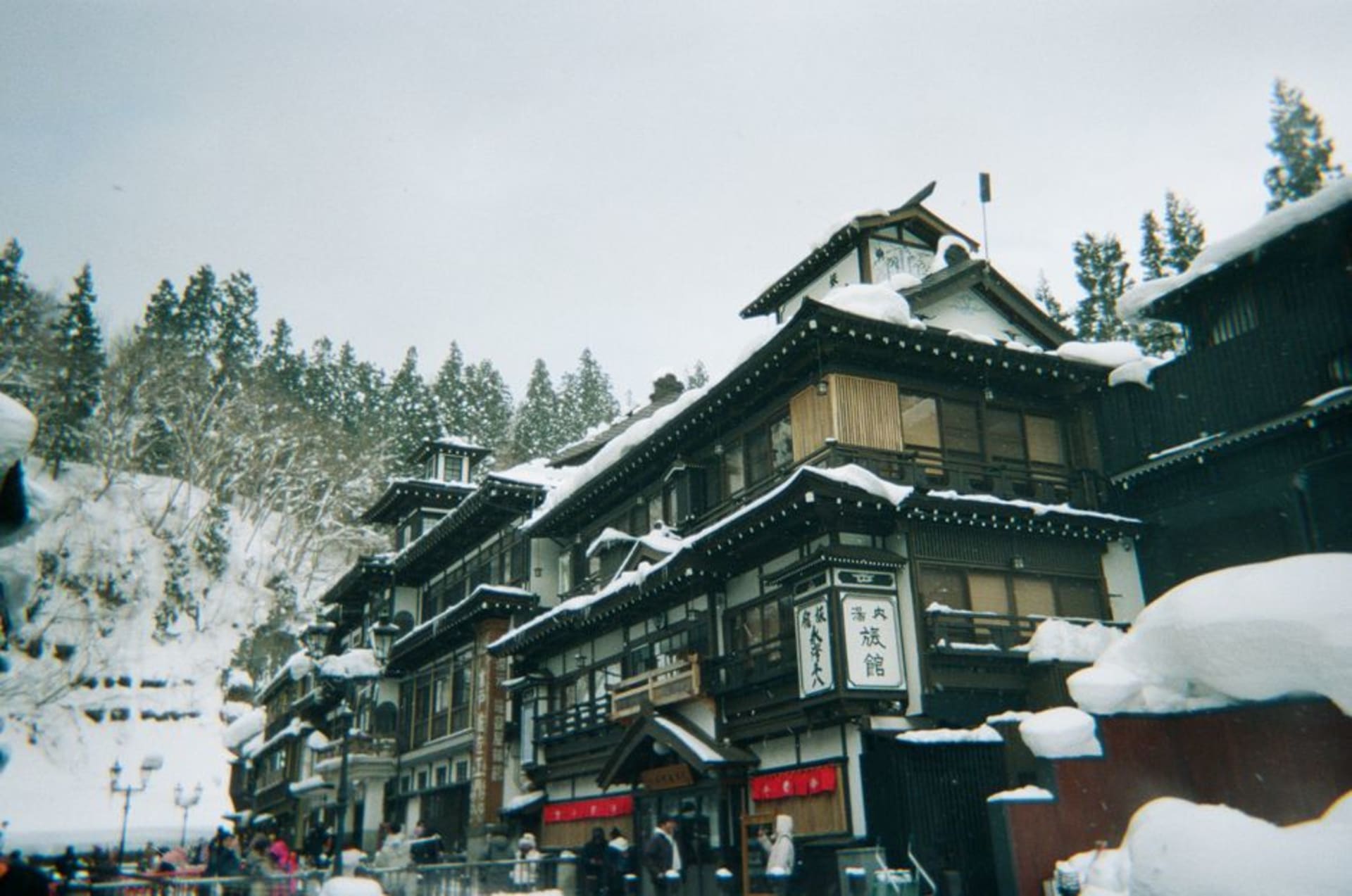
We ended up in Iizaka Onsen almost as an afterthought on our way through Fukushima City, the kind of stop Lia adds to an itinerary because a name kept appearing in old travel writing she was reading. This one kept appearing a lot — Matsuo Basho passed through in 1689 and wrote about it, Helen Keller visited generations later, and locals still repeat an old saying ranking it alongside Beppu as one of the two great hot spring destinations of Japan, west and east. I went in expecting a pleasant but fairly ordinary onsen town. What we found instead was a place that wears its long history unusually lightly, warm and lived-in rather than staged for visitors.
Water That Basho Soaked In
There’s something genuinely moving about soaking in water that a specific, famous traveler once wrote about centuries before you got there, and Iizaka leans into that history without being precious about it. We stayed at a small ryokan with its own indoor bath fed by the town’s mineral-rich spring water, and easing into the hot water after a long day of walking, I found myself thinking about Basho making this same trip on foot, presumably far more tired than we were. Lia pointed out that whatever changed about Japan in three centuries, this specific pleasure — hot mineral water after a long day — had apparently stayed exactly the same. It’s a strange, quiet kind of continuity to feel in your own shoulders.
Old Streets Built Around Hot Water
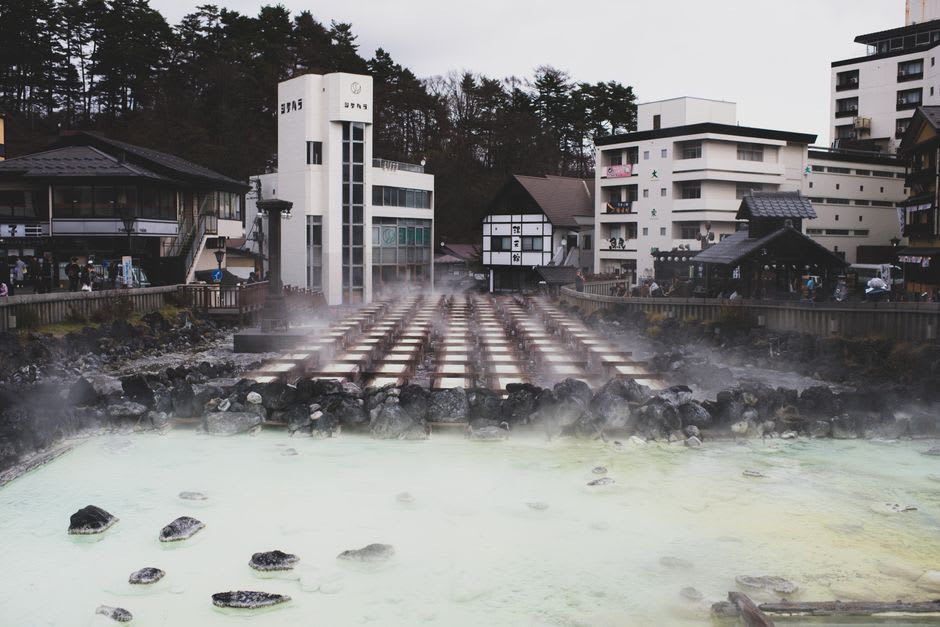
Walking Iizaka’s streets in the evening, you can feel how completely the town organizes itself around its springs — public foot baths tucked into corners, older wooden inns with steam curling faintly from vents, a general unhurried warmth to the whole place that felt distinct from bigger, glossier onsen resorts we’d visited elsewhere. We stopped at a free public footbath near the town center, rolled up our trousers, and sat with our feet in hot water next to a group of elderly locals who seemed to treat the whole thing as a completely ordinary evening errand. Lia struck up a slow conversation with one of them about the town’s history, and got, unprompted, the same “Beppu in the west, Iizaka in the east” line we’d read before we arrived.
The Fighting Festival
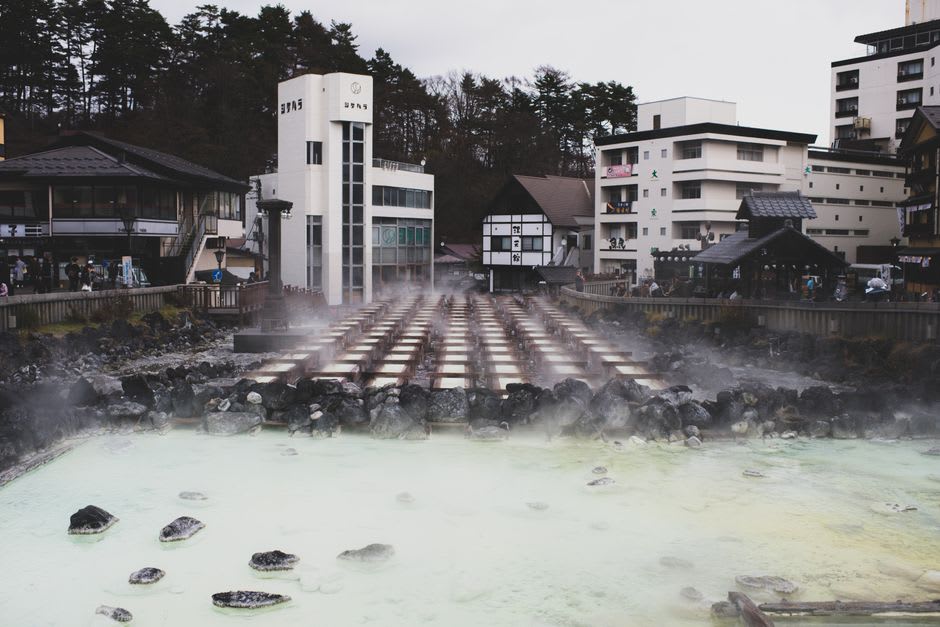
We didn’t catch the Kenka Matsuri ourselves, but a ryokan owner described it to us in enough detail that I’ve thought about it ever since: every October, teams haul massive wooden shrine floats through the streets and deliberately ram them into each other in front of Iizaka Hachiman Shrine, the “fighting festival” name entirely literal. He showed us photos on his phone, floats splintering slightly at the corners, crowds roaring, and it was hard to square that image of controlled chaos with the calm, steamy town we were actually standing in. Lia immediately started talking about timing a return trip for October, and honestly, having seen how gently Iizaka carries the rest of its history, I’d genuinely like to see it turn violent, at least for one night a year.
Getting There
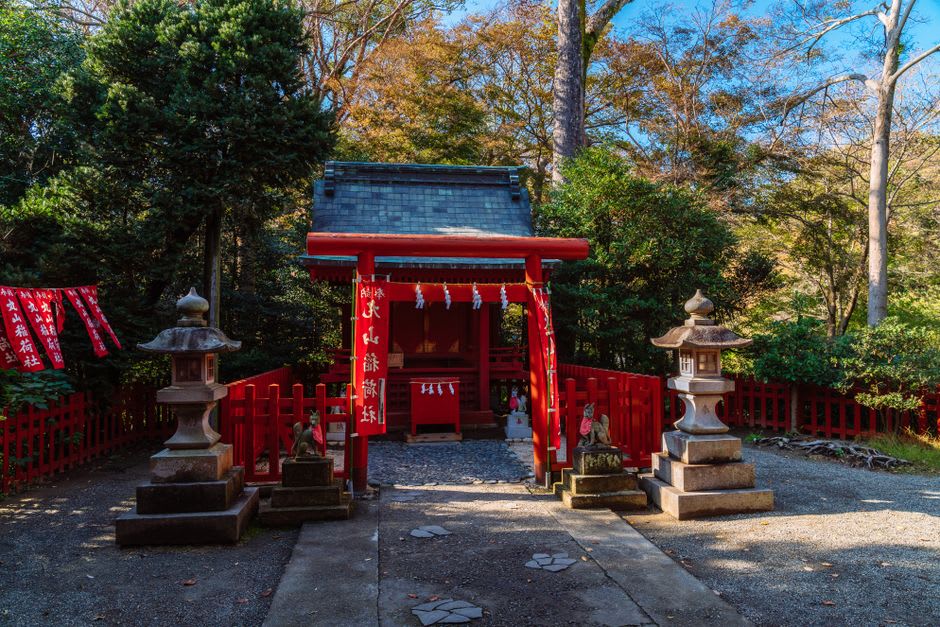
Iizaka Onsen is a short train ride from Fukushima City on the Fukushima Kotsu Iizaka Line, making it an easy addition for anyone passing through on the Tohoku Shinkansen route. The town itself is compact and easily walkable once you arrive, with ryokans, public footbaths, and Iizaka Hachiman Shrine all within a short distance of the station. If you’re hoping to catch the Kenka Matsuri, plan well ahead for October and expect accommodation in town to book up, since it draws a strong local crowd alongside visiting travelers.
Keep exploring
More of Tōhoku
Keep exploring
More from Tōhoku
 japan
japan Lake Inawashiro
Fukushima's great mirror lake, wide and pale under the perfect cone of Mount Bandai. In winter hundreds of swans come down to its edge and the shallows freeze into strange lacework. We came for the reflection and found ourselves standing on a beach full of swans in the snow.
Explore japan
japan Innai Ginzan (Innai Silver Mine Ruins)
The overgrown ruins of an Edo-period silver mine outside Yuzawa, once a boomtown of thousands funding the Akita domain, now reduced to stone foundations and forest paths that feel more like a lost civilization than a heritage site.
Explore japan
japan Iwaki
A sprawling, sun-warmed city on Fukushima's Pacific coast, where surf beaches meet a palm-fringed spa resort born from the ashes of a coal town. Iwaki wears its history and its reinvention with an easy, unpretentious grin.
Explore japan
japan Jodogahama
A cove of jagged white rhyolite spikes against blue-green Pacific water near Miyako, named centuries ago by a priest who thought it resembled the Buddhist Pure Land, and now one of Japan's top spots to swim among the rocks.
Explore japan
japan Juniko
A scatter of forest lakes hidden in the beech world of the Shirakami-Sanchi, where a single pond called Aoike burns a blue so unreasonable it looks lit from below. This is quiet, unhurried Tohoku — birdsong, wet moss, and water that keeps its own secrets.
Explore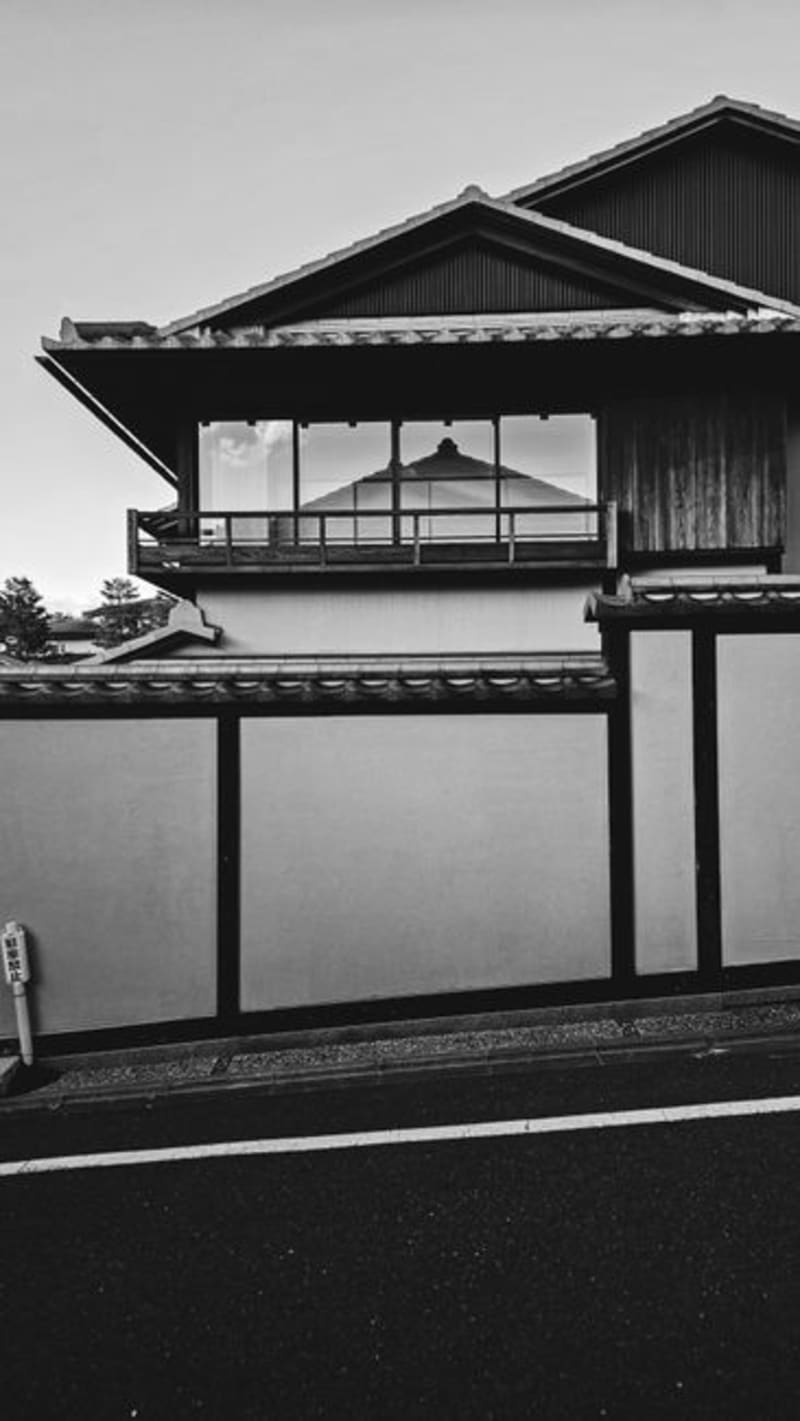 japan
japan Kakunodate
A preserved samurai quarter in the Akita mountains, where dark-timbered mansions stand behind long earthen walls beneath tunnels of weeping cherry trees. The little Kyoto of Tōhoku, at its most breathtaking for two weeks in spring.
Explore