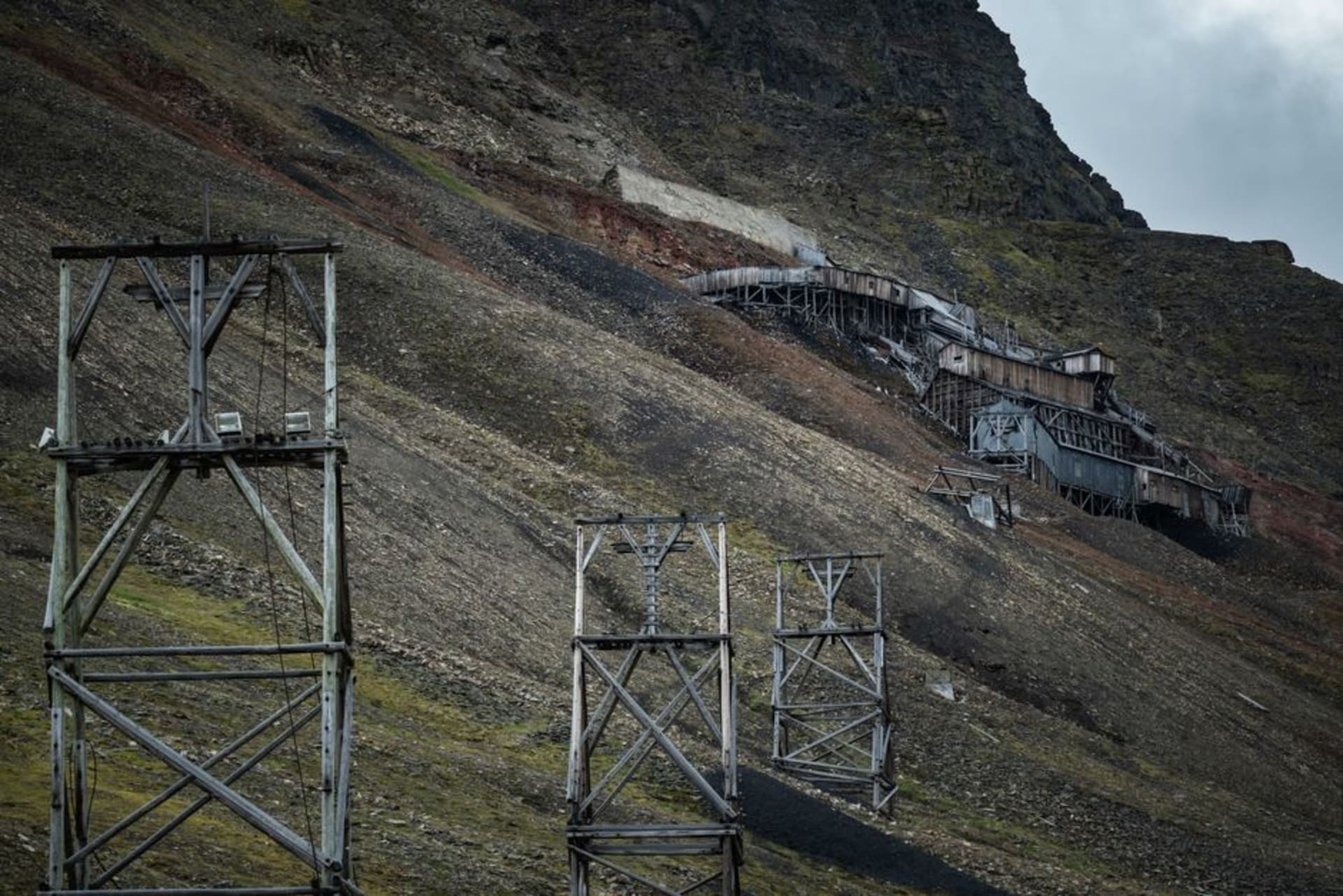
Innai Ginzan (Innai Silver Mine Ruins)
"There was a whole town here once, and now there's just us and the trees."
The overgrown ruins of an Edo-period silver mine outside Yuzawa, once a boomtown of thousands funding the Akita domain, now reduced to stone foundations and forest paths that feel more like a lost civilization than a heritage site.

We found Innai Ginzan almost by accident, following a small brown sign off the road out of Yuzawa that Lia insisted we investigate “just for ten minutes.” We ended up staying most of the afternoon. I’d read that this valley once held one of the richest silver mines in Japan, a settlement of thousands of miners, merchants, and their families squeezed into a narrow mountain gorge, but nothing prepared us for how completely it has been swallowed back by the forest. There’s no ticket booth, no gift shop, barely a sign explaining what you’re looking at — just a gravel path leading into the trees and, scattered along it, the quiet stone bones of a town that used to matter enormously.
Walking Into the Boomtown That Vanished
The path follows the valley floor along a stream, and within a few minutes the modern world drops away entirely. Stone terraces appear in the underbrush, the shapes of building foundations just barely visible beneath moss and fallen leaves, and every so often a carved marker names what once stood there — a magistrate’s office, a row of miners’ houses, a shrine. At its peak this settlement funded a meaningful share of the Akita domain’s finances, and thousands of people lived and worked crammed into this one narrow valley. Walking it with Lia, we kept stopping to point at some new outline in the ground, trying and failing to picture the noise and smoke and crowding that must have filled this quiet gorge three centuries ago.

The Guardhouse and the Shaft Mouths
Further up the valley we came to the ruins of what had been a guardhouse controlling access to the mine, its stone base still distinct enough to trace the old room layout, roofless now and open to the sky. Nearby, a few collapsed shaft entrances sit half-hidden in the hillside, fenced off but visible, dark openings that once led miners hundreds of meters into the rock in brutal, dangerous conditions. Lia stood at one of them for a long moment, and I could tell she was thinking the same thing I was — that real people had gone into that darkness every day, for years, and that almost nothing marks their labor now except a hole in a hillside and some scattered stones.

A Cemetery in the Trees
Near the far end of the trail we came across a small, weathered cemetery, rows of old stone markers tilted at odd angles under the cedars, some worn nearly smooth by rain and time. It’s easy to forget, wandering ruins like these, that they represent lives rather than just history — but standing among those graves, half-swallowed by moss, made that unavoidable. We didn’t linger too long; it felt like a place to be quiet in rather than photograph extensively. Walking back out of the valley in the late afternoon light, with birdsong replacing whatever industrial clatter must once have filled this gorge, Innai Ginzan left me thinking about how completely a place can disappear and yet somehow still be found.

Getting There
Innai Ginzan lies in the mountains outside Yuzawa in Akita Prefecture, reached by local bus or car from Yuzawa Station, which sits on the Ou Main Line with connections toward Akita and south into Yamagata. There’s limited signage in English and no real facilities on site, so it’s worth bringing water, sturdy shoes, and a printed map or offline directions rather than relying on a signal in the valley. A car makes the trip far easier than public transit, since bus service to the trailhead is infrequent, but taxis from Yuzawa Station are a reasonable alternative if you’re not driving.
Keep exploring
More of Tōhoku
Keep exploring
More from Tōhoku
 japan
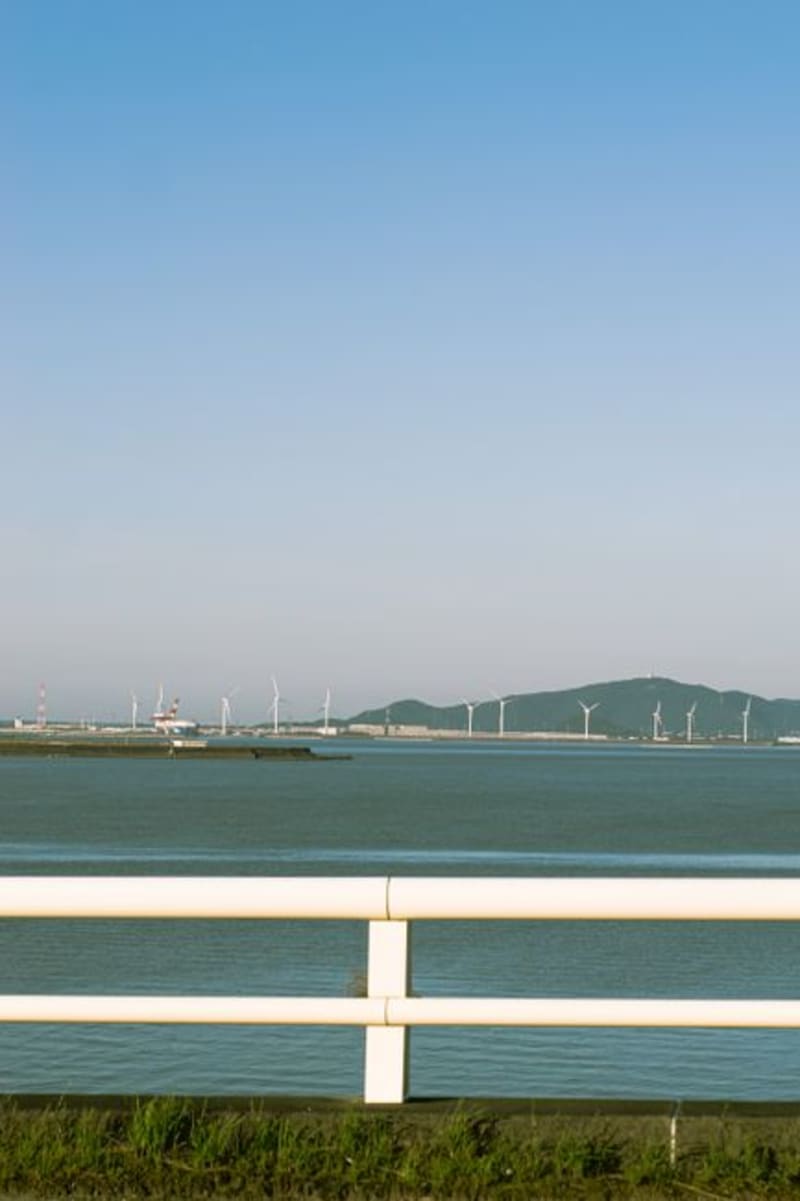
japan Iwaki
A sprawling, sun-warmed city on Fukushima's Pacific coast, where surf beaches meet a palm-fringed spa resort born from the ashes of a coal town. Iwaki wears its history and its reinvention with an easy, unpretentious grin.
Explore japan
japan Jodogahama
A cove of jagged white rhyolite spikes against blue-green Pacific water near Miyako, named centuries ago by a priest who thought it resembled the Buddhist Pure Land, and now one of Japan's top spots to swim among the rocks.
Explore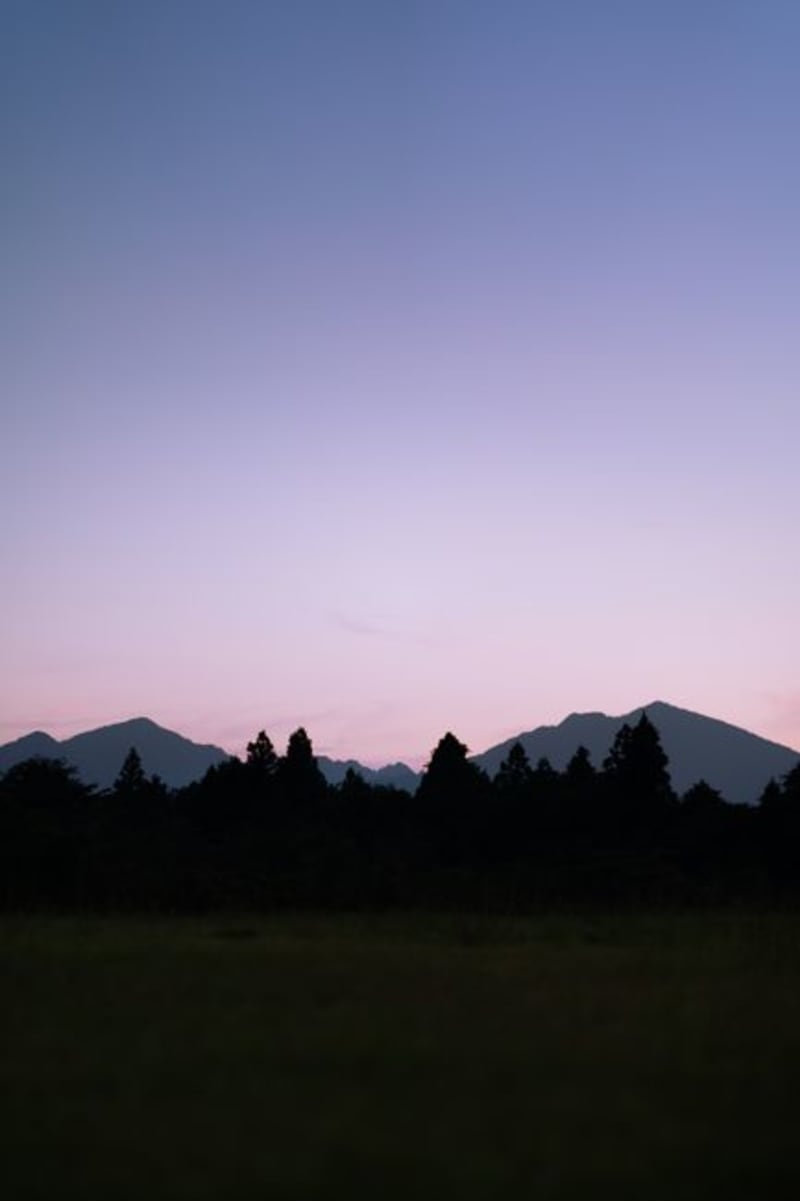 japan
japan Juniko
A scatter of forest lakes hidden in the beech world of the Shirakami-Sanchi, where a single pond called Aoike burns a blue so unreasonable it looks lit from below. This is quiet, unhurried Tohoku — birdsong, wet moss, and water that keeps its own secrets.
Explore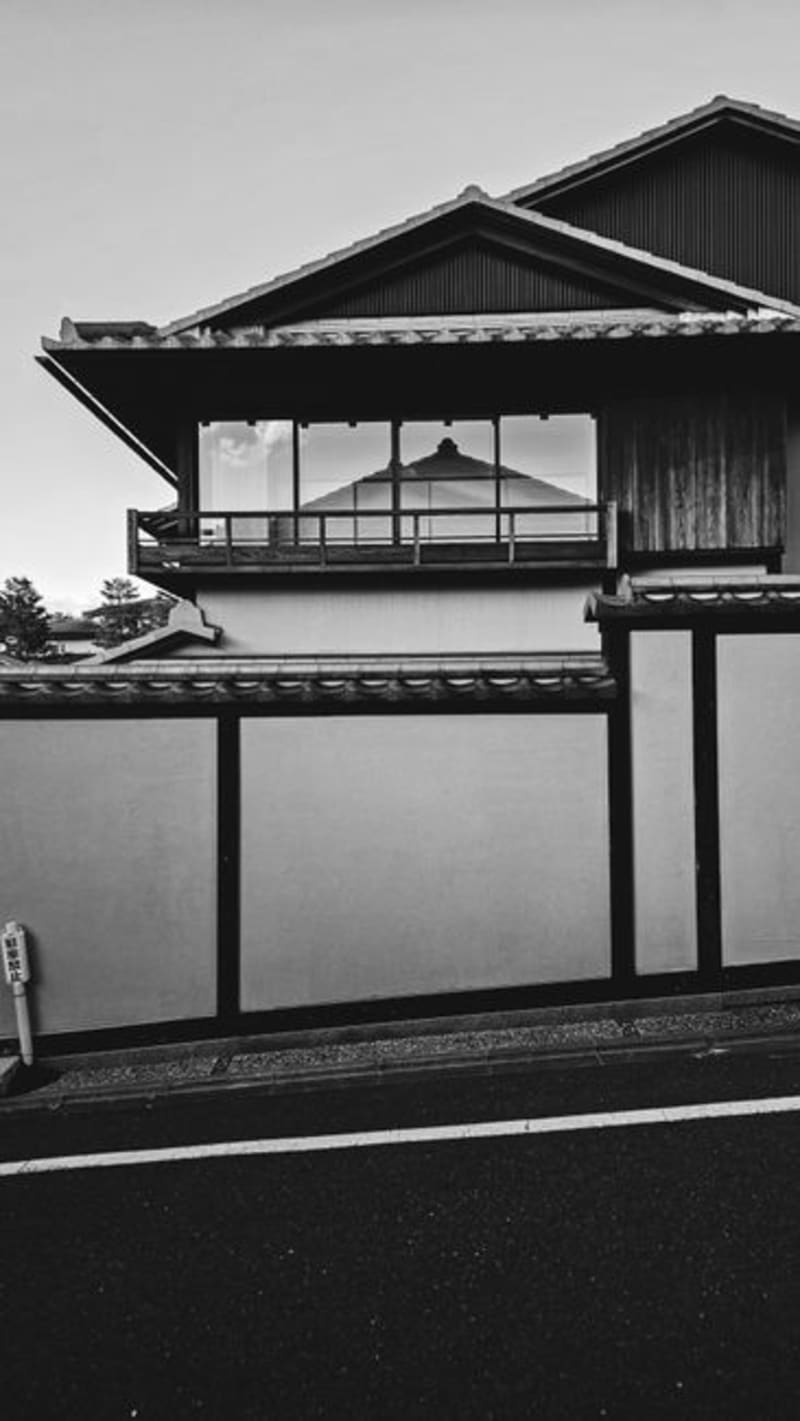 japan
japan Kakunodate
A preserved samurai quarter in the Akita mountains, where dark-timbered mansions stand behind long earthen walls beneath tunnels of weeping cherry trees. The little Kyoto of Tōhoku, at its most breathtaking for two weeks in spring.
Explore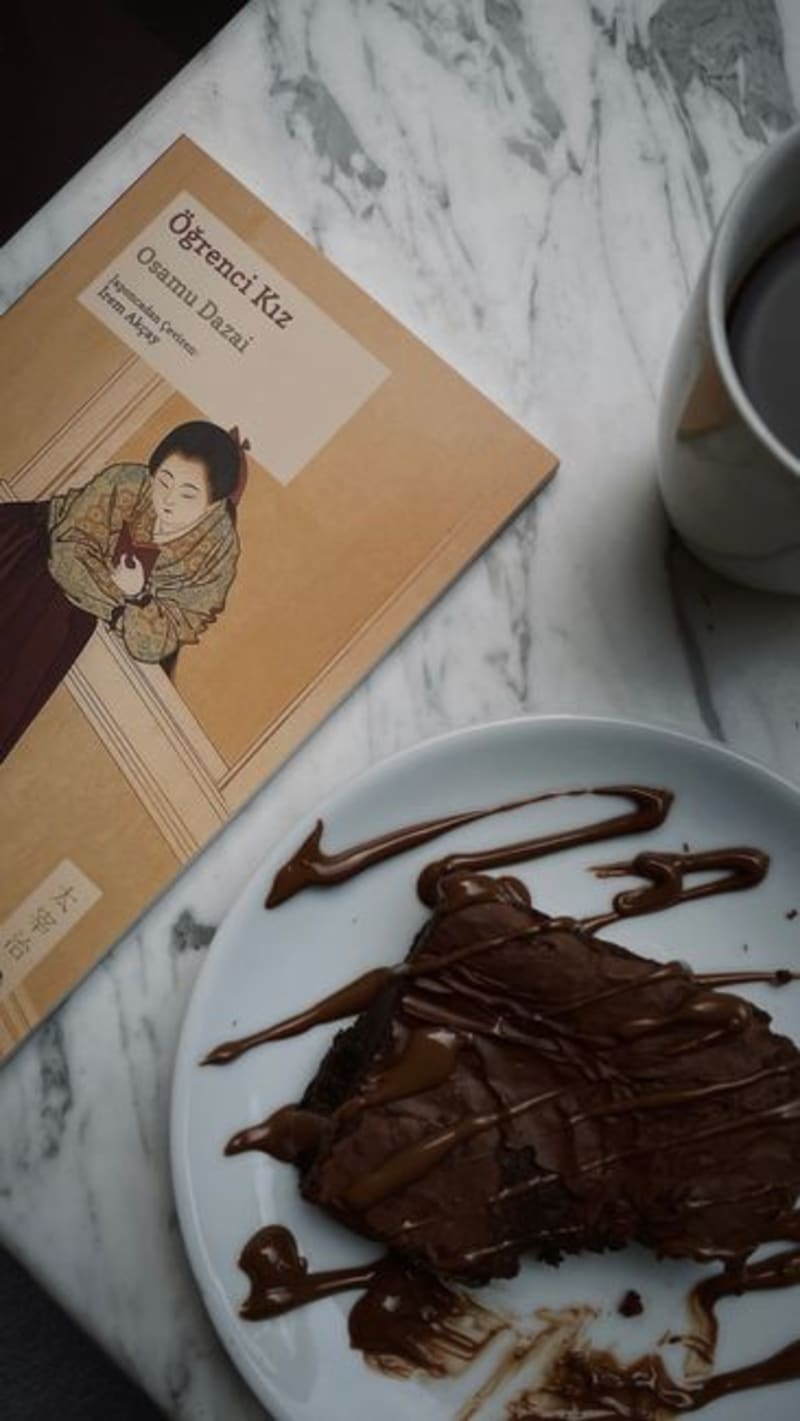 japan
japan Kanagi (Dazai Osamu's Hometown)
A small Tsugaru town where novelist Osamu Dazai was born inside his father's sprawling mansion, now preserved as the Shayokan memorial hall, its striking blend of Japanese and Western hiba-timber rooms open for anyone to wander through.
Explore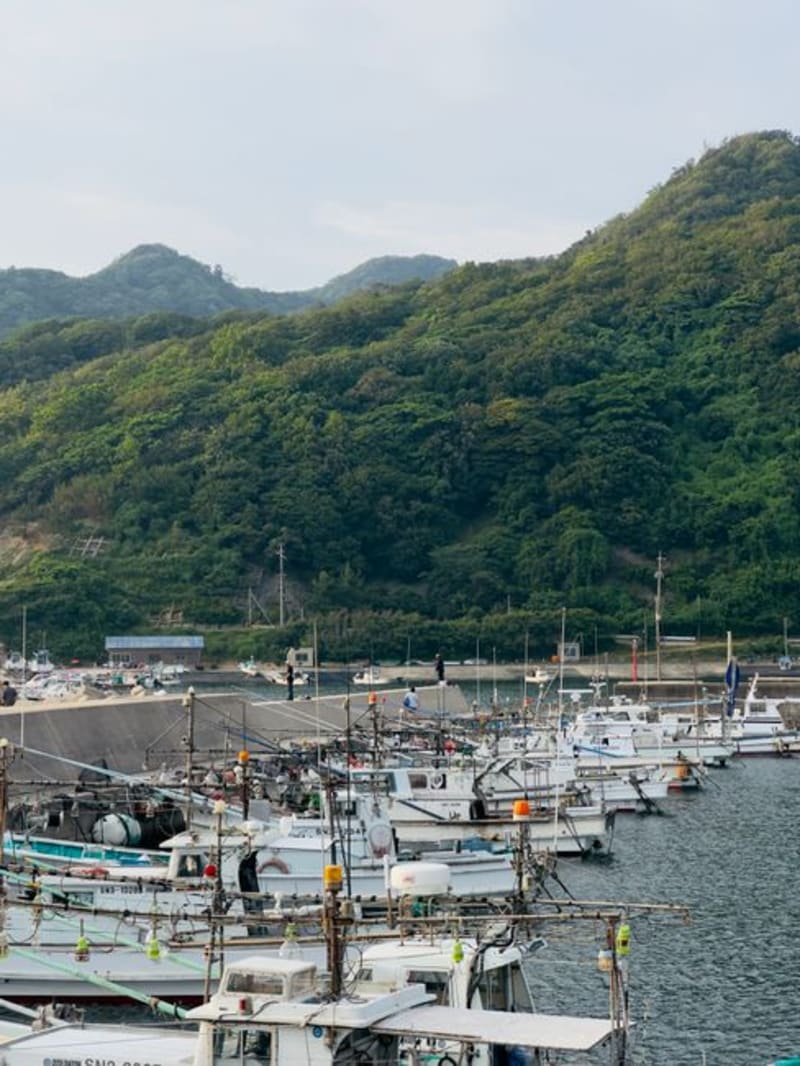 japan
japan Kesennuma
A Miyagi fishing port on a deeply indented ria coast, famous for bonito and shark fin. Hit hard by the 2011 tsunami and resiliently rebuilt, it is a working harbour of fresh seafood and quiet recovery.
Explore