Shimabara
"Carp the size of my forearm, drifting through a gutter, in the middle of a residential street."
A Nagasaki castle town where springwater runs so freely that carp swim in the roadside channels and townsfolk keep bright orange fish as neighbours. Above it all broods Mount Unzen, the volcano that once buried the coast and now feeds the town its clear, cold water.

The first thing Lia did in Shimabara was crouch over a drain. Not a drain, it turned out, but one of the spring-fed channels that run alongside the streets in the old samurai quarter — and in it, unhurried and enormous, drifted carp the size of my forearm. Orange, white, mottled gold, swimming through what for all the world looked like a roadside gutter in the middle of a residential street. A woman came out of her house, saw us gawping, and told us with obvious pride that the water was so clean the fish had lived there for years, fed by the neighbourhood. This, we learned, is Shimabara’s whole character: a town so lousy with pure springwater — melt from Mount Unzen above — that it lets carp live in the streets and calls it normal.
The carp-swimming streets
The street they call Shimeigawa, in the shadow of the old town, is the one to find. A clear channel runs down its length, thick with koi, crossed by little stone slabs, flanked by traditional houses. We spent a ridiculous amount of time just following the fish, watching them nose against the current beneath overhanging ferns. At one point an old man was washing vegetables in a stone basin fed by the same spring, entirely unbothered by the carp nosing at the runoff. Lia bought a small bag of fish food from an honesty box and fed them, and for a moment the water boiled with orange backs. It costs nothing and it is one of the gentlest half-hours we spent anywhere in Japan.
The white castle
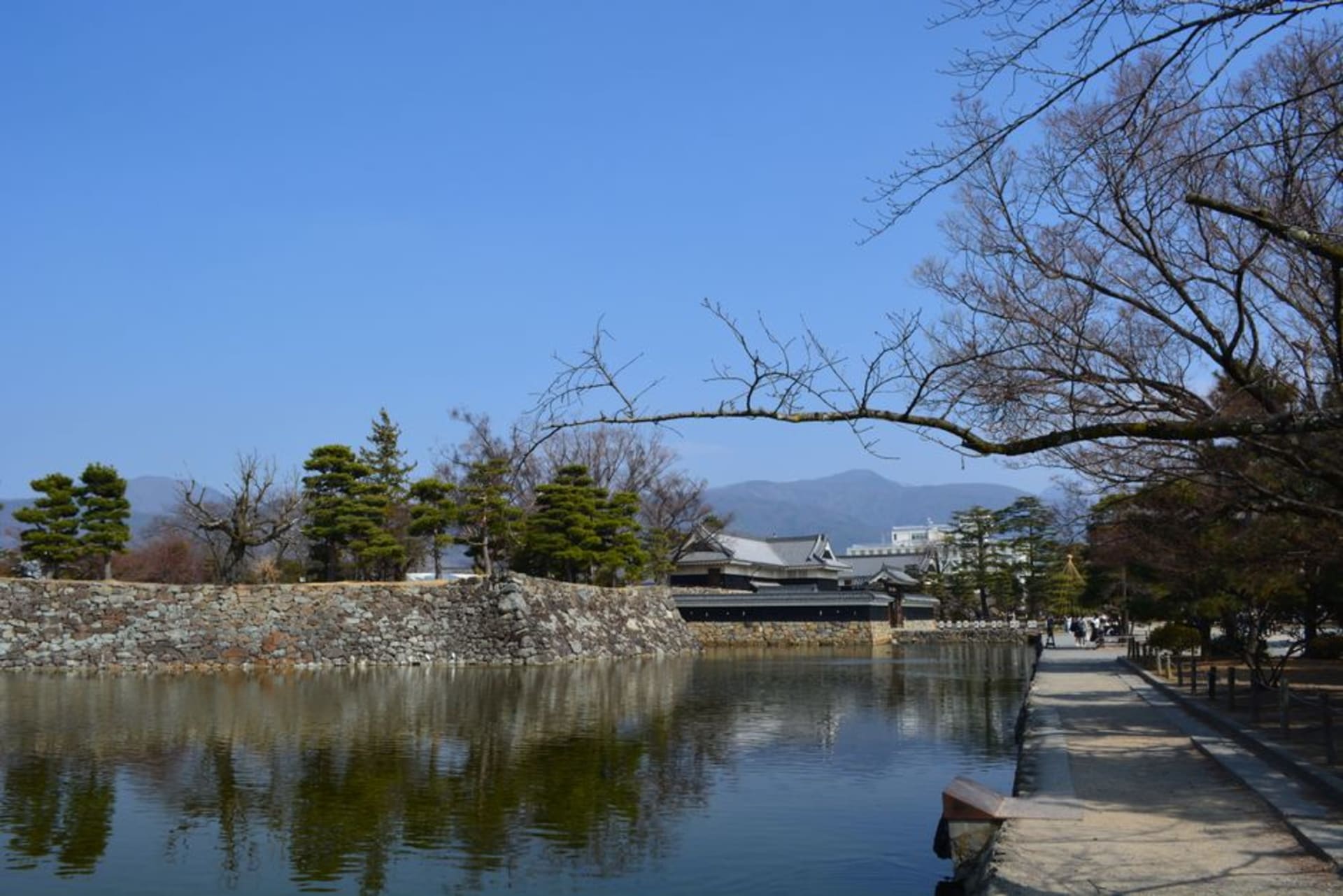
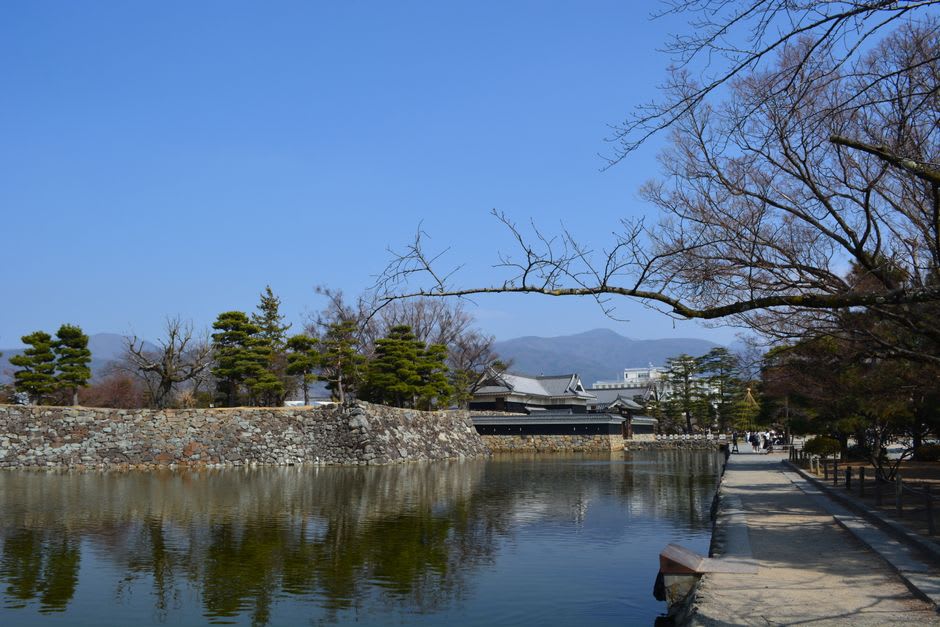
Shimabara Castle rises white and steep-walled at the town’s centre, a five-storey keep reconstructed on the site of the original, which loomed over one of Japan’s great rebellions — the Christian-led Shimabara uprising of the seventeenth century. The exhibits inside lean heavily into that grim history of persecution and siege, with hidden crosses and fumi-e images that suspected Christians were made to trample. But the pleasure of the place, honestly, is the view from the top: the town spread out in tiled rows, the flat blue of the Ariake Sea on one side, and the green shoulders of Unzen rising on the other. Lia noted that a fortress built for a bloody purpose now mostly serves to give tourists a nice panorama, and there was something both cynical and hopeful in that.

Unzen, the mountain that buried the coast
You cannot spend a day in Shimabara without the volcano asserting itself. In the early 1990s Mount Unzen erupted, and pyroclastic flows and mudslides buried houses along the lower slopes. At the preserved site near Mizunashi, we walked among homes half-swallowed by hardened debris — a second storey poking out of grey rock, a roof at ground level. It is a sobering, quiet place, and the townsfolk have chosen to keep it visible rather than clear it away, a monument to what the beautiful mountain can do. Later we soaked in an onsen fed by that same volcanic system, the water hot and faintly sulphurous, and I thought about how the thing that had buried the coast also gave the town its carp-clear springs. Japan is full of that kind of arithmetic.

Getting There
Shimabara sits on the eastern side of the Shimabara Peninsula in Nagasaki Prefecture, on the island of Kyūshū. From Nagasaki city you can take a train to Isahaya and change to the private Shimabara Railway, a charming single line that trundles along the coast to Shimabara in a little over an hour. Alternatively, a ferry crosses the Ariake Sea from Kumamoto, which makes Shimabara a natural stop if you’re island-hopping between the two. The town itself is small and walkable — castle, carp streets and hot springs are all close — but a car helps for reaching the Unzen eruption memorial and the mountain onsen resorts higher up.
Keep exploring
More of Kyūshū & Okinawa
Keep exploring
More from Kyūshū & Okinawa
 japan
japan Unzen
A highland hot-spring resort on Nagasaki's Shimabara Peninsula, set among steaming, sulfurous volcanic 'hells' and cool mountain forest beneath the still-watched peak of Mount Unzen. Cracked white earth, hissing vents, deep baths, and a quiet, elemental air of a place living on a volcano.
Explore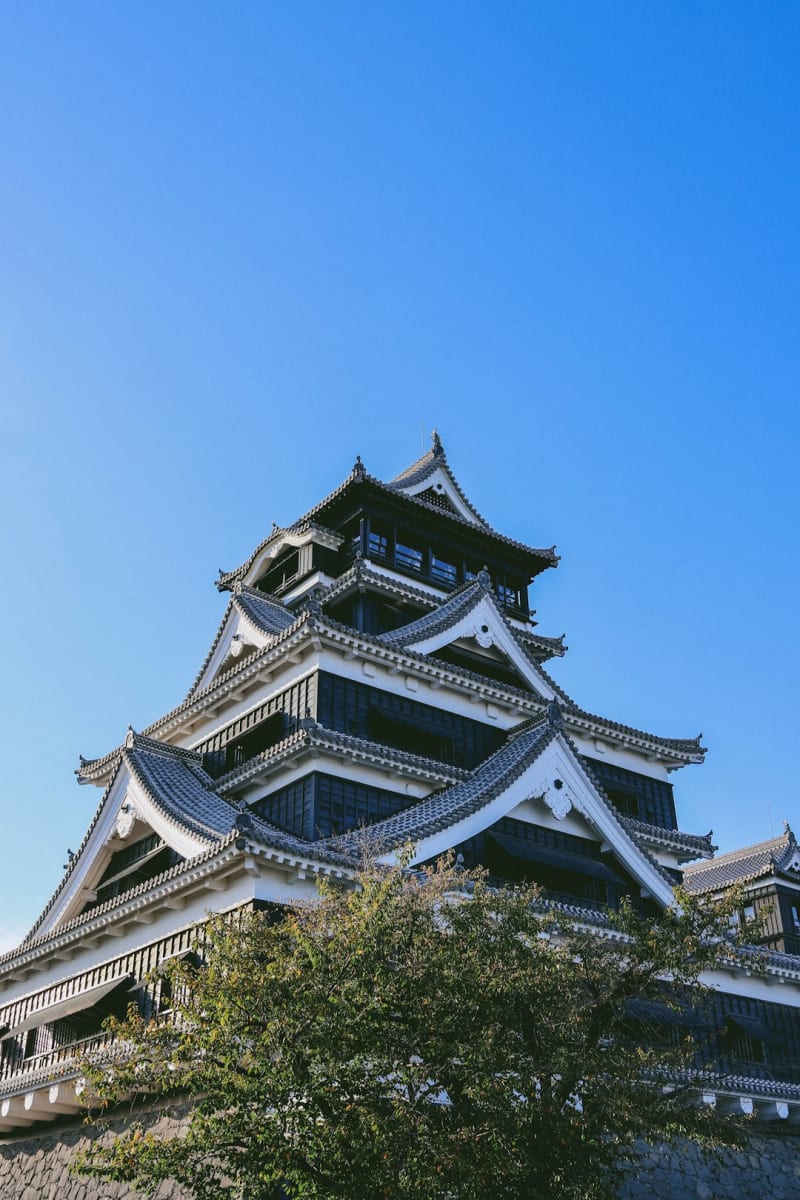 japan
japan Kumamoto
A proud green castle city in central Kyūshū, anchored by one of Japan's mightiest fortresses, still healing from the 2016 earthquake — and the gateway to the vast caldera of Mount Aso.
Explore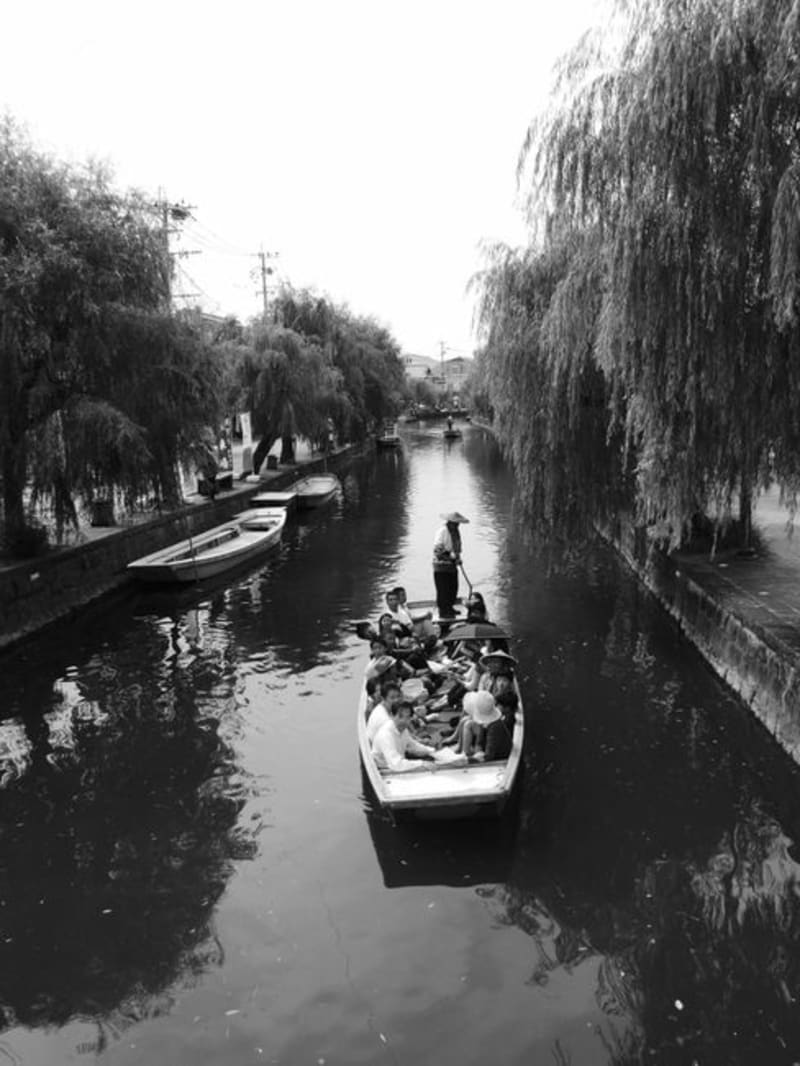 japan
japan Yanagawa
A quiet town in southern Fukuoka laced with old castle moats, where flat-bottomed boats are still poled between willow-lined banks. Yanagawa moves at the speed of water and the drift of a punting song.
Explore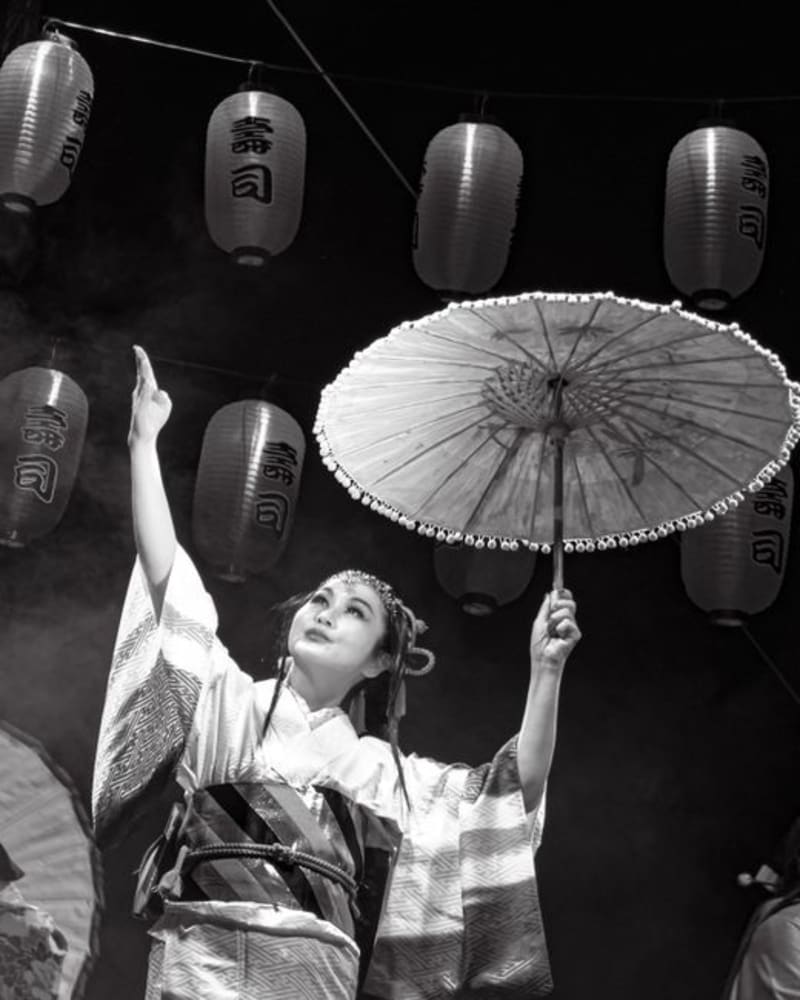 japan
japan Yamaga
A Kumamoto hot-spring town best known for a summer night when a thousand dancers move slowly through the dark with paper lanterns balanced on their heads, each one a small gold flame. By day it keeps a beautifully preserved Meiji-era playhouse and baths of silky, odourless water.
Explore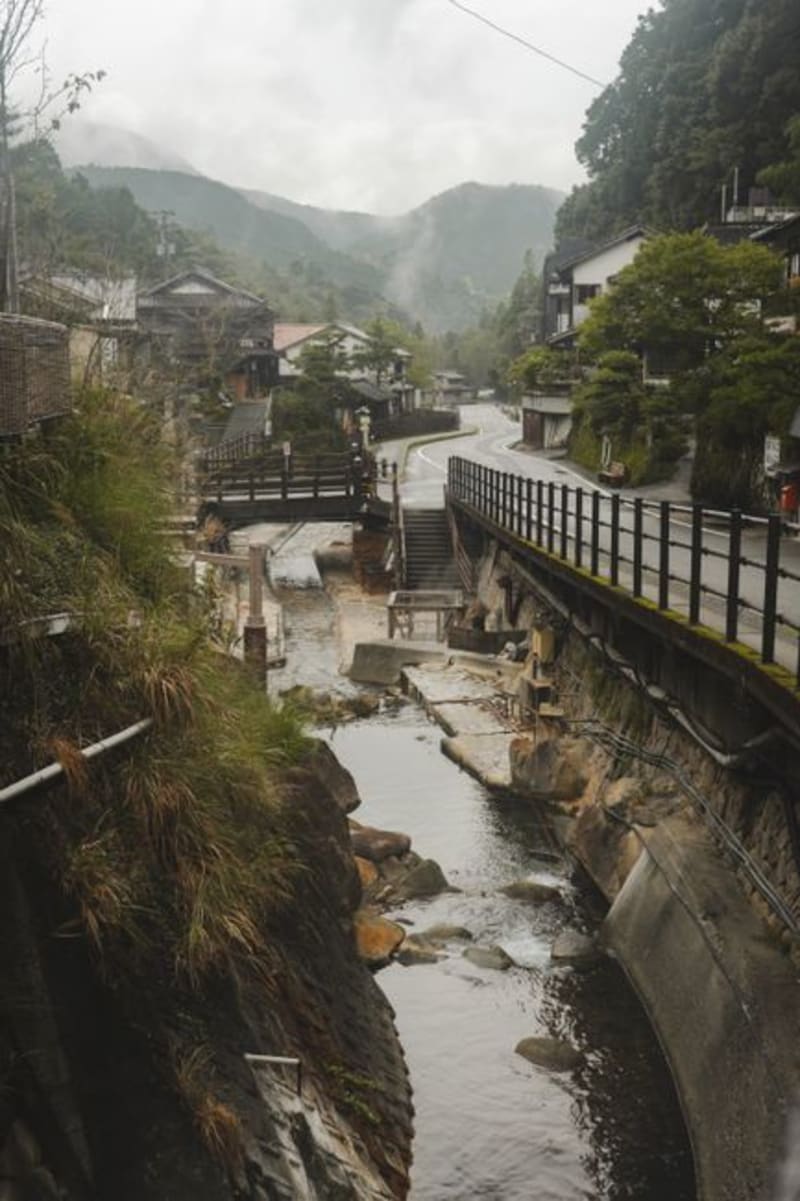 japan
japan Ureshino Onsen
A Saga valley where the hot-spring water is famously silky and the surrounding hills are combed with green-tea terraces. You can bathe in the morning and drink the same landscape in a cup by afternoon.
Explore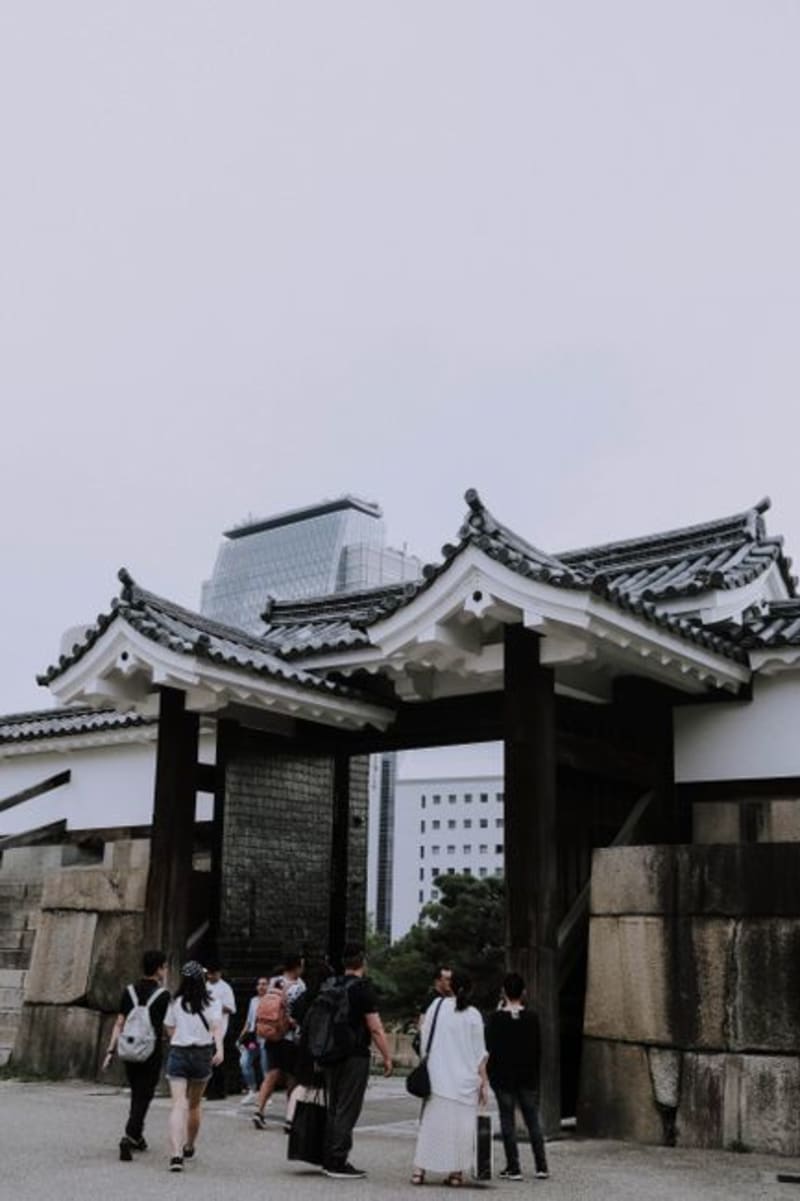 japan
japan Saga
The quiet capital of a quiet prefecture, ringed by rice plains on northern Kyūshū. Saga is castle grounds and moats, a sky full of balloons come autumn, and the ghosts of an ancient moated village older than most of history. We found a city that asks nothing of you and gives more than you expect.
Explore