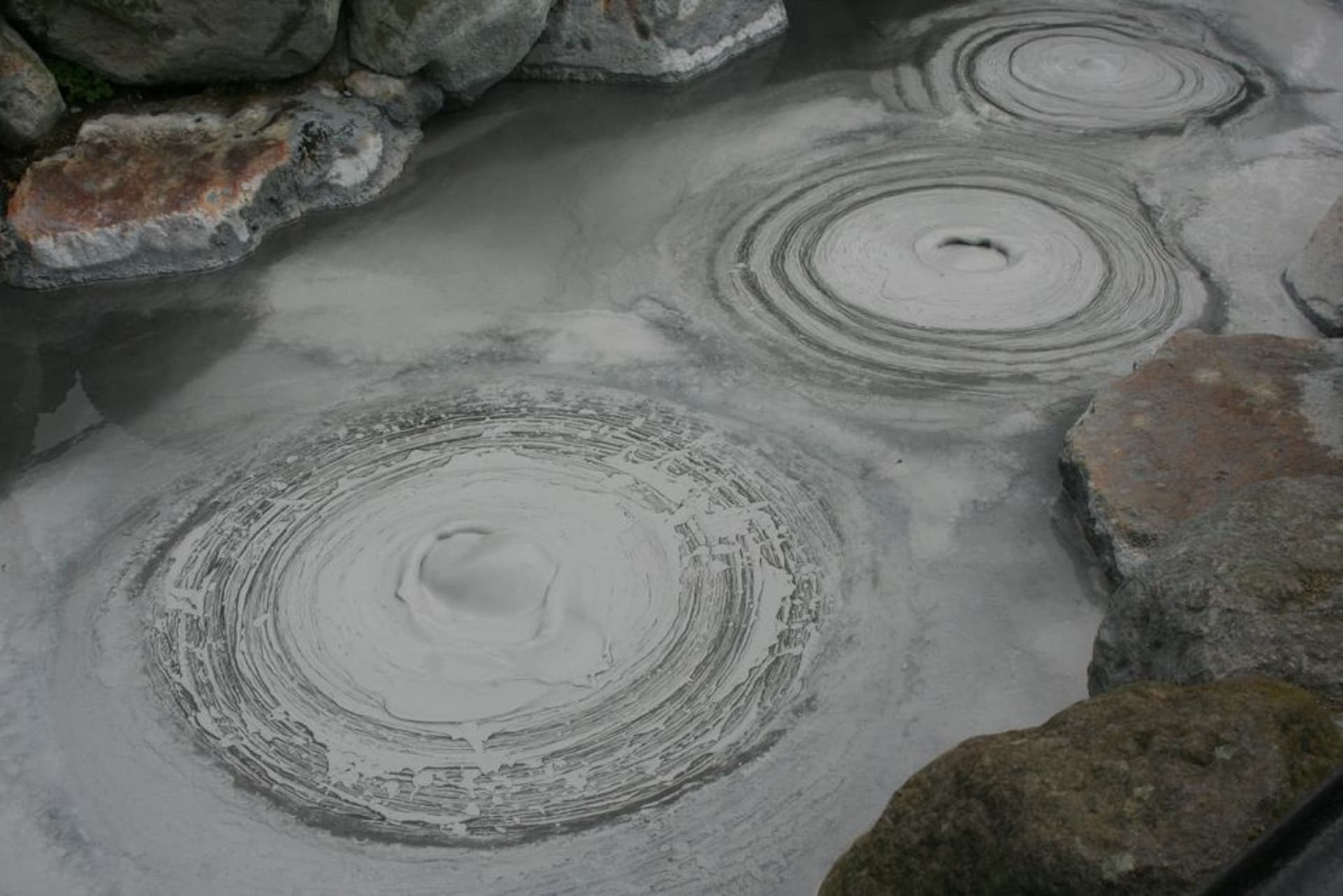
Ureshino Onsen
"The water is so soft you keep checking whether someone slipped soap into it."
A Saga valley where the hot-spring water is famously silky and the surrounding hills are combed with green-tea terraces. You can bathe in the morning and drink the same landscape in a cup by afternoon.

There’s a word the Japanese use for onsen water like Ureshino’s — they call it “bihada no yu,” the hot spring for beautiful skin — and I confess I rolled my eyes at it a little, the way I roll my eyes at any spa promising transformation. Then I got into the bath at our inn on the first evening and understood the fuss within about thirty seconds. The water is genuinely, strangely silky, faintly slippery against the skin like very dilute egg white, thanks to the sodium bicarbonate in it. Lia, on the women’s side of the wall, called over that hers felt “like liquid velvet, don’t laugh,” and I didn’t, because mine felt the same. We soaked until our fingertips pruned and the valley outside went dark.
The water that softens you
Ureshino is a proper old onsen town, low and unhurried, strung along a small river with steam curling up from vents here and there. In the morning we tried the public bathhouse, Shiibaru-yu, a modern wooden building with big windows, and again there was that uncanny softness — the kind of water that makes you understand why people have been coming here for centuries specifically to get in it. There’s even a footbath in the middle of town where you can sit with strangers and dip your feet. We did that too, on our way to breakfast, side by side with a couple of elderly women who giggled at Lia’s attempt at Japanese and then taught her two more words. That’s the register of the whole town: gentle, slightly amused, in no hurry.

Tea in the hills
Ureshino is as famous for tea as for water. The hills around town are quilted with tea terraces — rows of clipped bushes following the contours so precisely they look combed — and the local specialty is a rare tamaryokucha, a curled rather than needle-shaped green tea. We took a taxi up to a tea farm one morning where a young grower walked us along the rows, crushing a leaf under our noses so we’d smell the grassy sweetness of it. Then he brewed us three infusions from the same leaves at his kitchen table, each one different, insisting we notice how the second was rounder than the first. Lia bought more tea than we could plausibly carry home. I have never seen her happier at a checkout.

Yudofu and a quiet night
The town’s signature dish closes the loop between the two obsessions: Ureshino onsen-yudofu, tofu simmered in the mineral hot-spring water itself, which breaks the tofu down into something almost creamy, dissolving at the edges into a cloudy, delicate broth. We ate it our last night in a small restaurant with maybe six tables, the pot bubbling between us, dipping the soft tofu into ponzu and scallions while the owner explained — half in Japanese, half in gesture — that the water is what makes it melt. Afterward we walked the dark river back to the inn for one last soak, skin already smoothed from three days of it. I have rarely felt so thoroughly, uncomplicatedly well.

Getting There
Ureshino Onsen has its own Nishi-Kyushu Shinkansen station (Ureshino-Onsen), which is the easy way in — roughly 15 minutes from Takeo-Onsen and around 35 from Nagasaki, with connections up to Hakata (Fukuoka) via Takeo. From the shinkansen station it’s a short bus or taxi ride down into the onsen town itself, which is compact and best explored on foot. Pair it with Takeo Onsen next door and you have a very civilised two-town, two-bath loop through Saga. Stay at a ryokan so the silky water is a few steps from your futon rather than a train away.
Keep exploring
More of Kyūshū & Okinawa
Keep exploring
More from Kyūshū & Okinawa
 japan
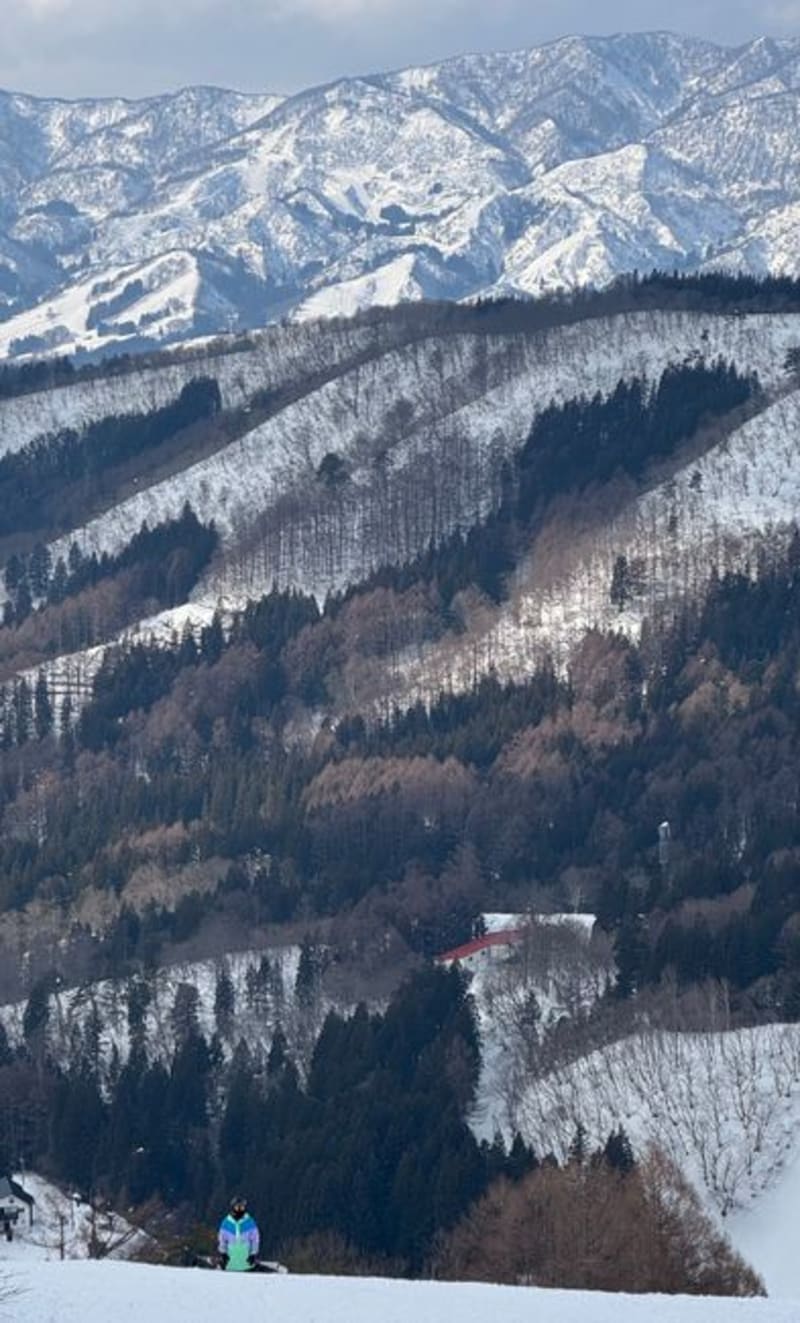
japan Takeo Onsen
A small Saga hot-spring town built around a 3,000-year-old camphor tree and a library that people travel across Japan just to sit in. We came for the bath and stayed for the trees, which is not the order I expected.
Explore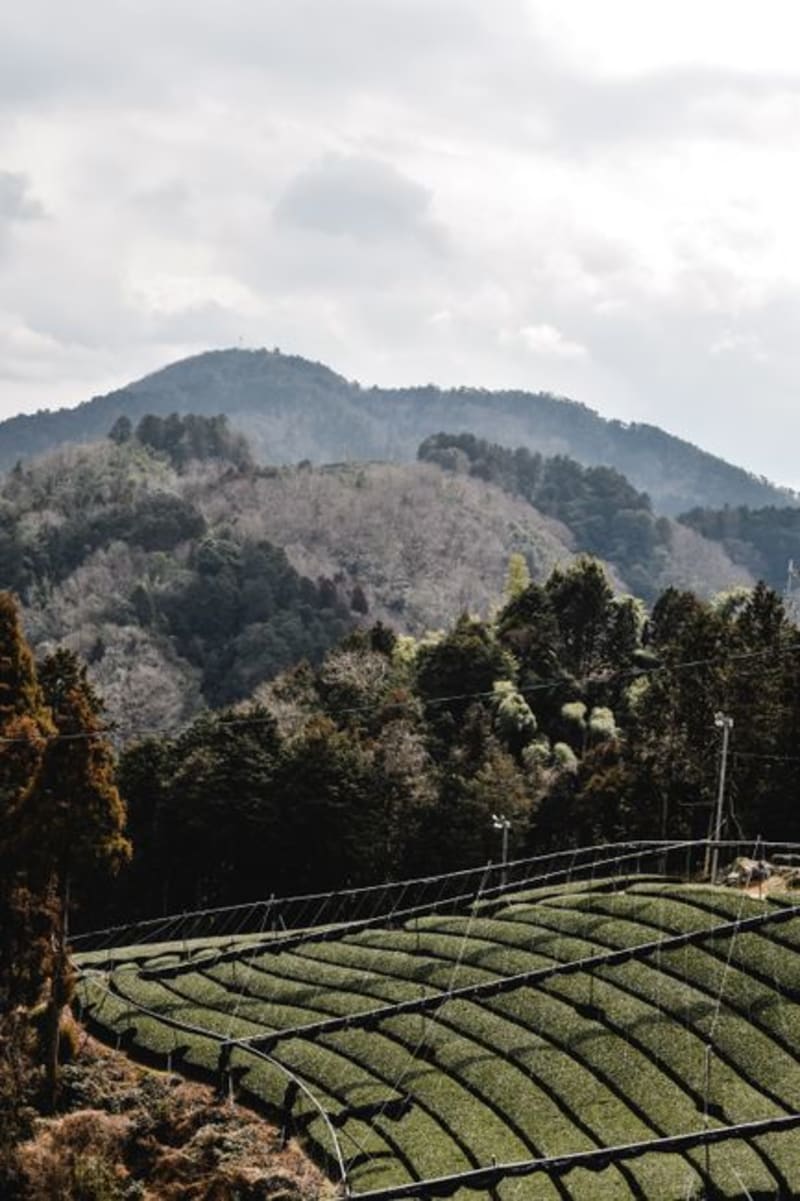 japan
japan Arita
The Saga town where Japanese porcelain was born four centuries ago, still lined with kilns, old shops, and a hillside shrine with torii and lanterns made of glazed ceramic. We went for pottery and left thinking about a single teacup for weeks.
Explore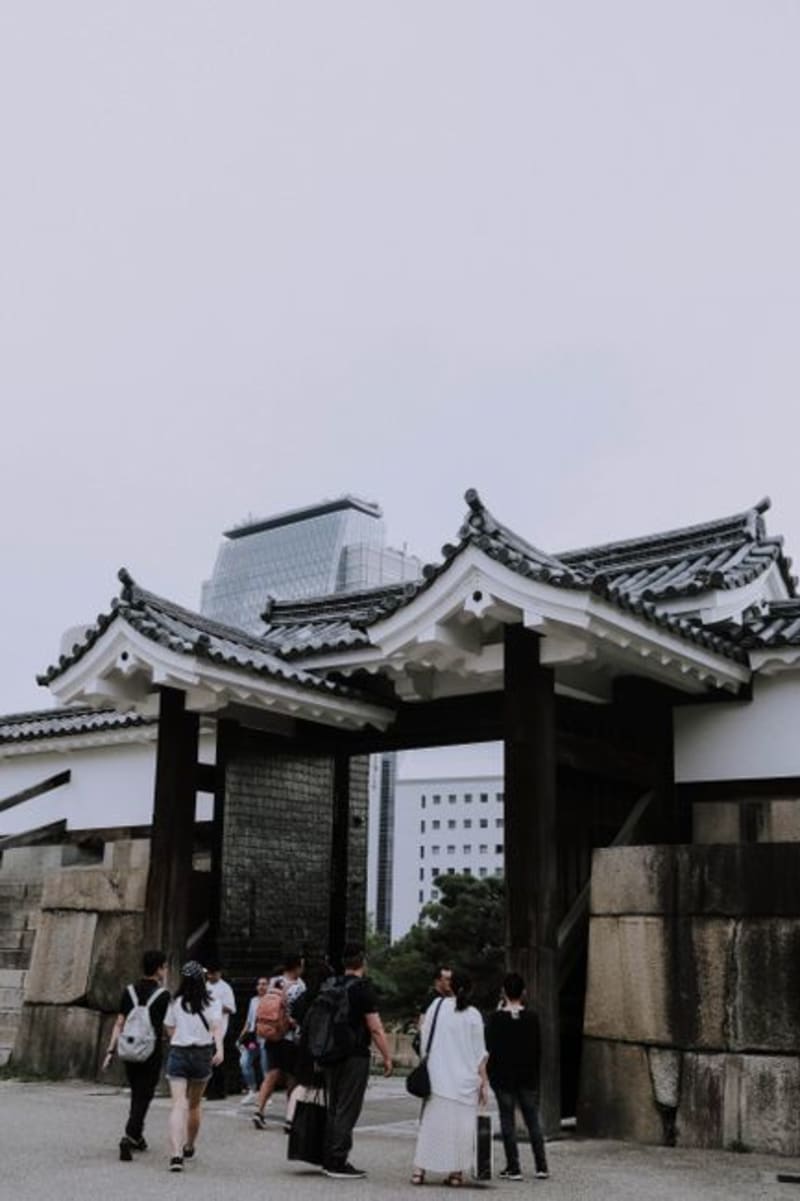 japan
japan Saga
The quiet capital of a quiet prefecture, ringed by rice plains on northern Kyūshū. Saga is castle grounds and moats, a sky full of balloons come autumn, and the ghosts of an ancient moated village older than most of history. We found a city that asks nothing of you and gives more than you expect.
Explore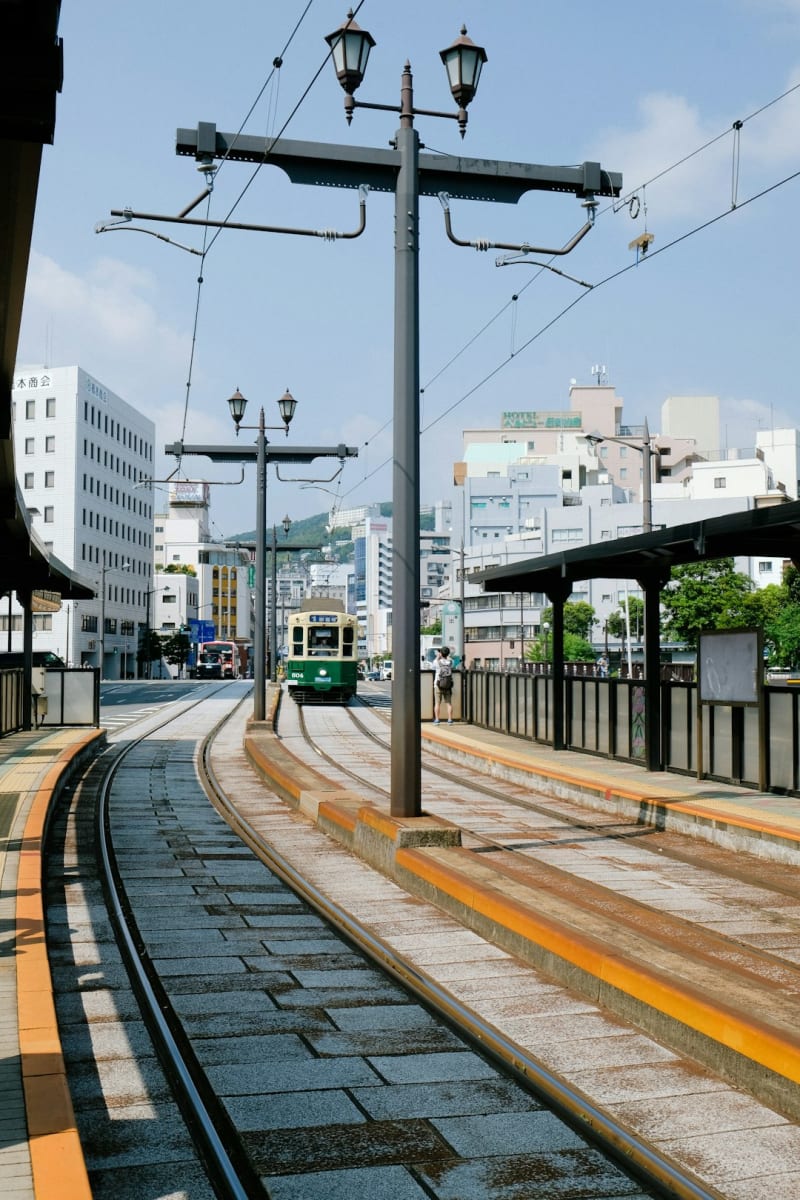 japan
japan Nagasaki
A hillside harbor city on Kyūshū with a history unlike any other in Japan — Dutch and Chinese traders, hidden Christians, streetcars, and a night view that spills down the slopes into the sea.
Explore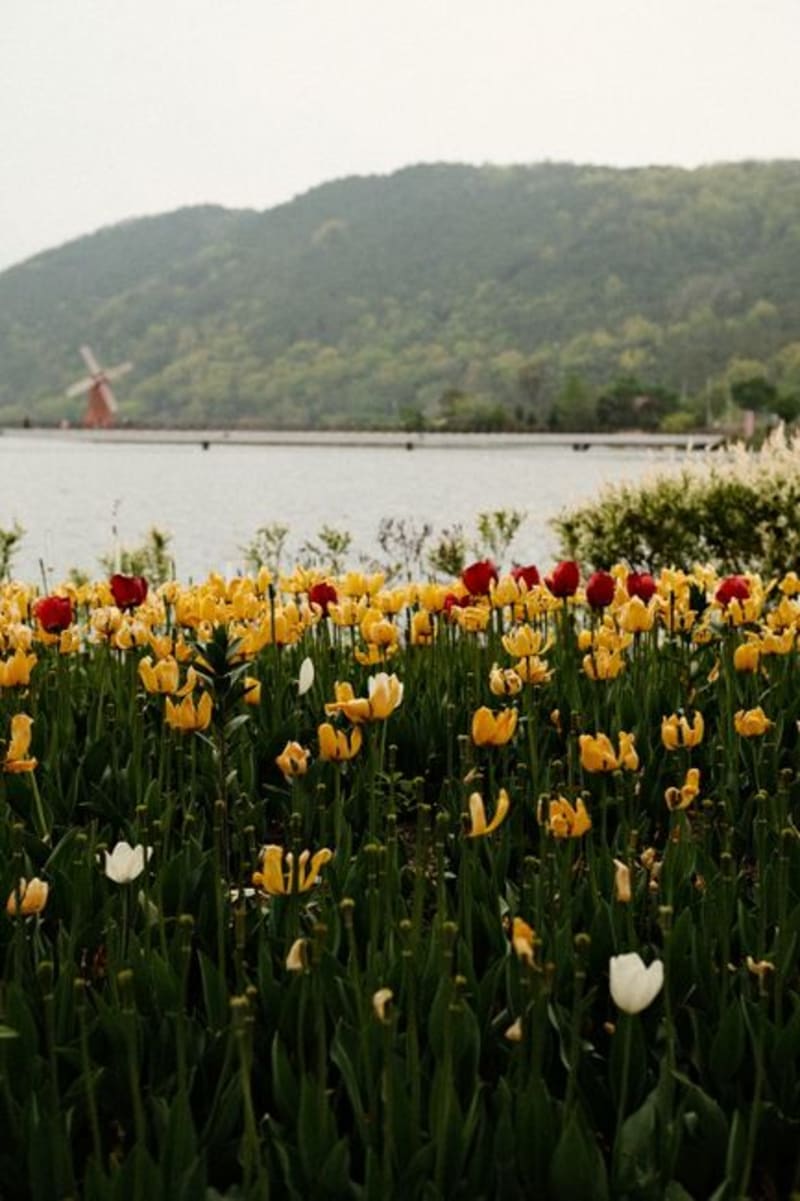 japan
japan Sasebo
A Nagasaki port city facing a maze of pine-clad islets called the Kujūkushima, the Ninety-Nine Islands. Home to a Dutch theme park, a US-navy-born burger culture, and boat cruises that thread between green scraps of land scattered across a silver sea.
Explore japan
japan Unzen
A highland hot-spring resort on Nagasaki's Shimabara Peninsula, set among steaming, sulfurous volcanic 'hells' and cool mountain forest beneath the still-watched peak of Mount Unzen. Cracked white earth, hissing vents, deep baths, and a quiet, elemental air of a place living on a volcano.
Explore