Obi
"Someone told us to call it 'Little Kyoto,' but walking it felt like nowhere else we'd been."
Nicknamed 'Kyushu's Little Kyoto,' this castle town in Nichinan flourished for centuries under a local clan and became one of the region's first preservation districts, its moss-covered walls and koi canals still intact.

We got to Obi on the slow local train down the Nichinan coast, the kind of ride where the carriage empties out a little at every stop until it’s mostly just you and the rice fields. Someone in Miyazaki had called it “Kyushu’s Little Kyoto,” a nickname I usually distrust, since half of Japan seems to claim some version of it. But Obi earned it fast: a compact castle town of stone walls, clipped hedges, and canals thick with koi, preserved with a quiet, unbothered care that made it feel less like a museum piece and more like somewhere people had simply kept living well. Lia had her camera out before we’d even found our guesthouse.
The Ito Clan’s Long Hold
Obi’s history reads like a grudge finally settled: the Ito clan lost the castle to rivals during a feud that dragged on for the better part of a century before they fought their way back and held it for generations after. Walking up to the reconstructed castle gate, its wood dark and its stonework original, I found myself more interested in the sheer stubbornness of that backstory than in the architecture itself, though the architecture holds up fine on its own. The grounds spread out with quiet gardens and lookout points over the town’s grid of tiled roofs, and a small museum inside lays out the clan’s return to power without much embellishment, letting the century-long feud speak for itself.

Walking the Preservation District
Obi was among the first towns in Kyushu designated an Important Preservation District for Traditional Buildings, and walking its main street it’s obvious why: stone walls topped with hedges run block after block, largely unbroken by anything modern, with narrow canals along the roadside where fat koi drift lazily past. We wandered without much of a plan, ducking into an old merchant house turned small museum, then out again to watch a shopkeeper sweep leaves off her section of the wall with the kind of unhurried care that suggested she’d done it every morning for decades. Lia kept stopping to photograph the koi, insisting each one looked different from the last.

An Afternoon of Kushiyaki and Quiet
We ended up at a small kushiyaki spot recommended by our guesthouse owner, tucked behind one of the preservation district’s old walls, where the owner grilled skewers over charcoal while telling us, between orders, about growing up in a town where tourists were still a relatively new thing. Obi doesn’t feel overrun, and that unhurried, lived-in quality followed us through the whole afternoon — locals biking past the same walls we were photographing, kids playing by the canal, none of it staged for us in the slightest. It was one of those meals that tastes better for the conversation around it.

Getting There
Obi is reached by the JR Nichinan Line, with direct trains running down the coast from Miyazaki City to Obi Station in around an hour and a half, making it an easy day trip or overnight stop. The preservation district and castle grounds are an easy walk from the station, so a car isn’t essential once you arrive, though renting one gives you the flexibility to continue further down the scenic Nichinan coastline afterward. Trains along this line can be infrequent, so it’s worth checking the timetable before you set out rather than assuming a quick connection back.
Keep exploring
More of Kyūshū & Okinawa
Keep exploring
More from Kyūshū & Okinawa
 japan
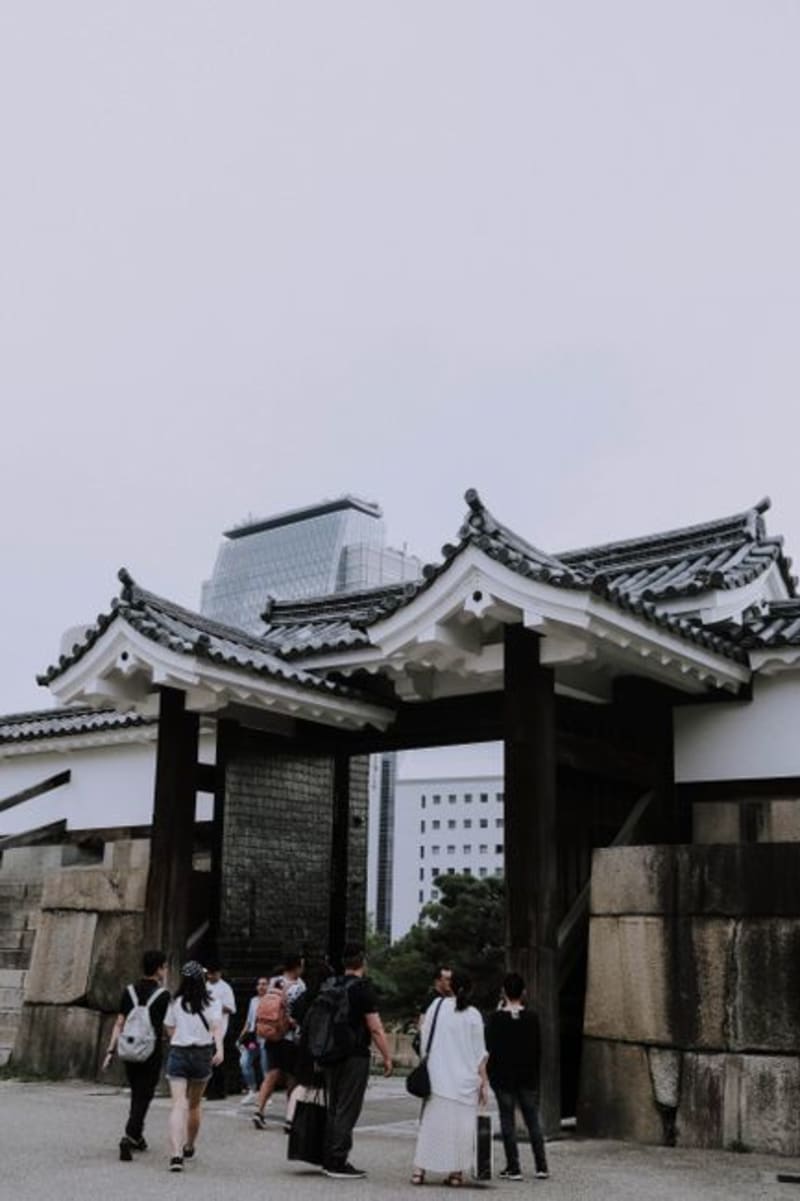
japan Saga
The quiet capital of a quiet prefecture, ringed by rice plains on northern Kyūshū. Saga is castle grounds and moats, a sky full of balloons come autumn, and the ghosts of an ancient moated village older than most of history. We found a city that asks nothing of you and gives more than you expect.
Explore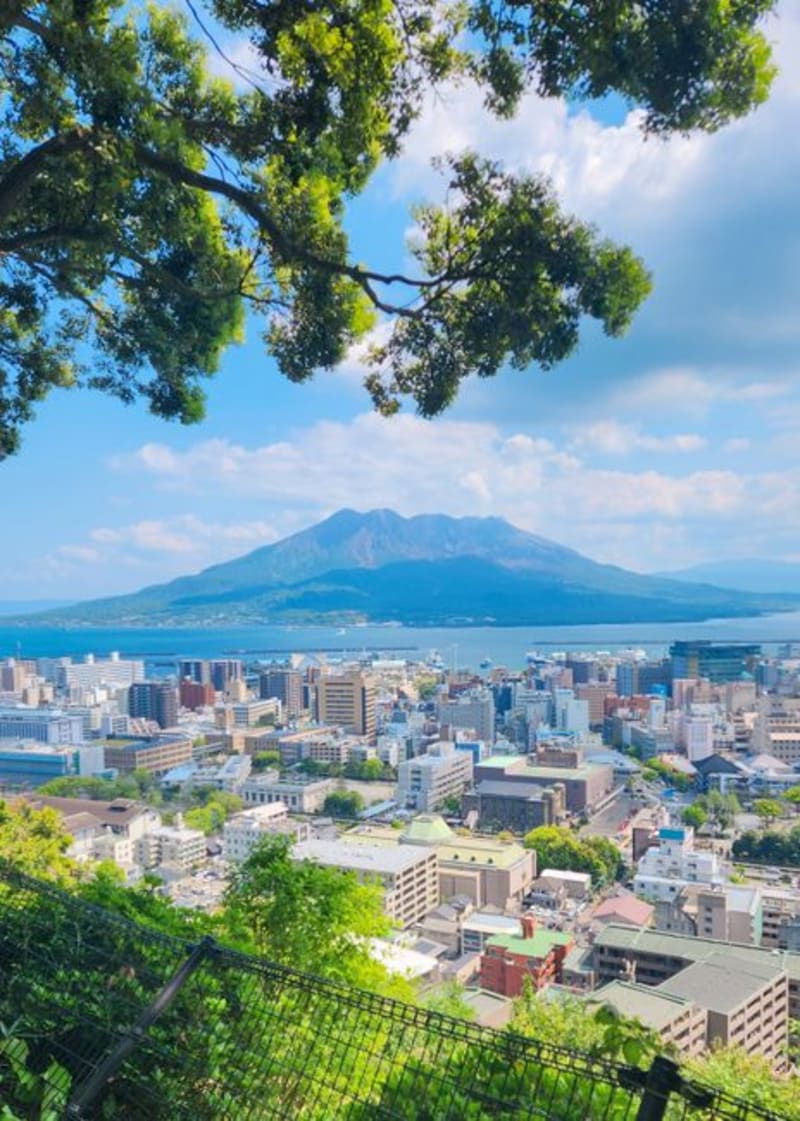 japan
japan Sakurajima
A restless volcano rising straight out of Kagoshima Bay, close enough to watch it breathe ash into the sky from the ferry deck.
Explore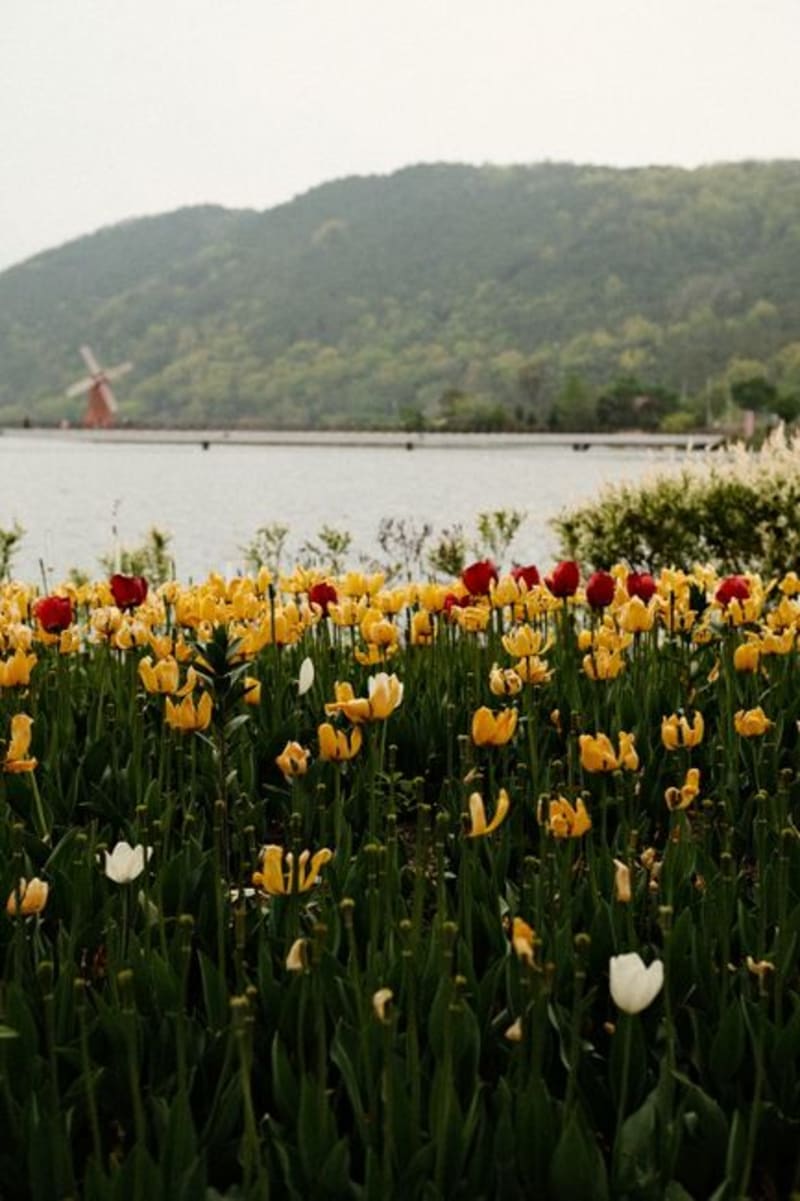 japan
japan Sasebo
A Nagasaki port city facing a maze of pine-clad islets called the Kujūkushima, the Ninety-Nine Islands. Home to a Dutch theme park, a US-navy-born burger culture, and boat cruises that thread between green scraps of land scattered across a silver sea.
Explore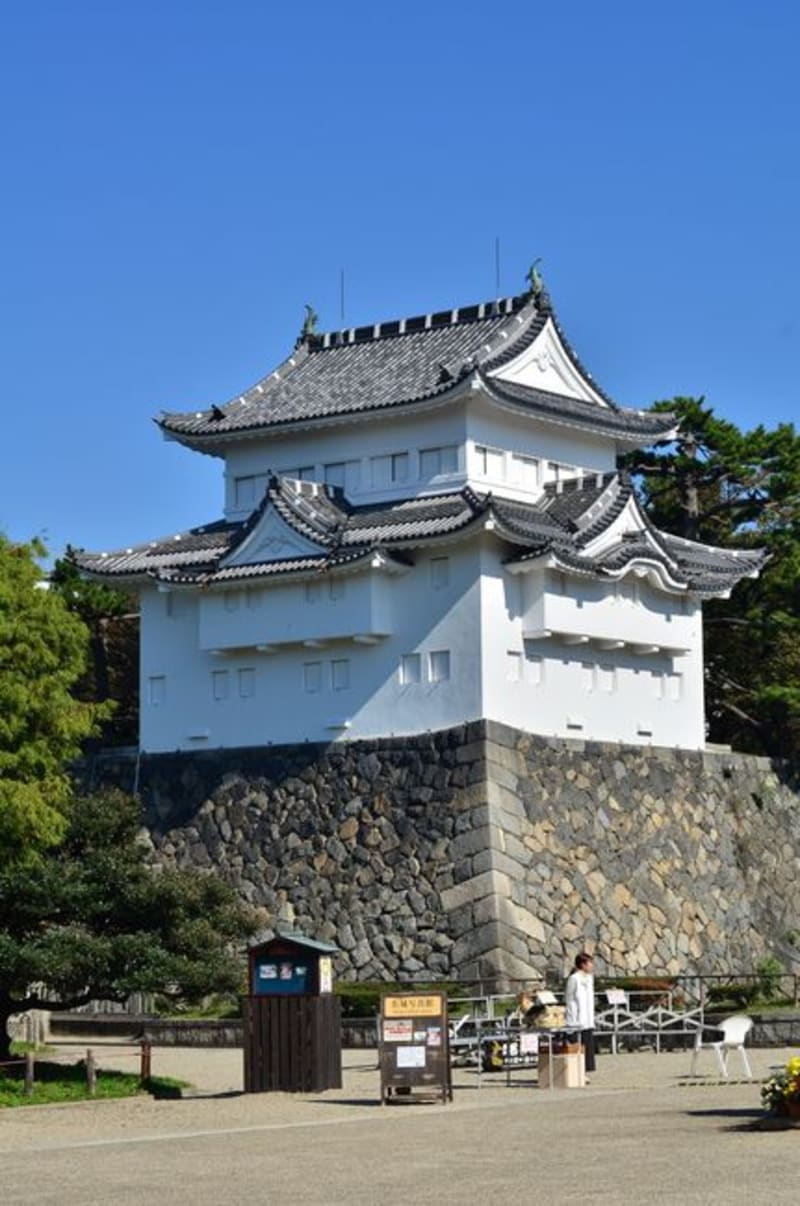 japan
japan Shimabara
A Nagasaki castle town where springwater runs so freely that carp swim in the roadside channels and townsfolk keep bright orange fish as neighbours. Above it all broods Mount Unzen, the volcano that once buried the coast and now feeds the town its clear, cold water.
Explore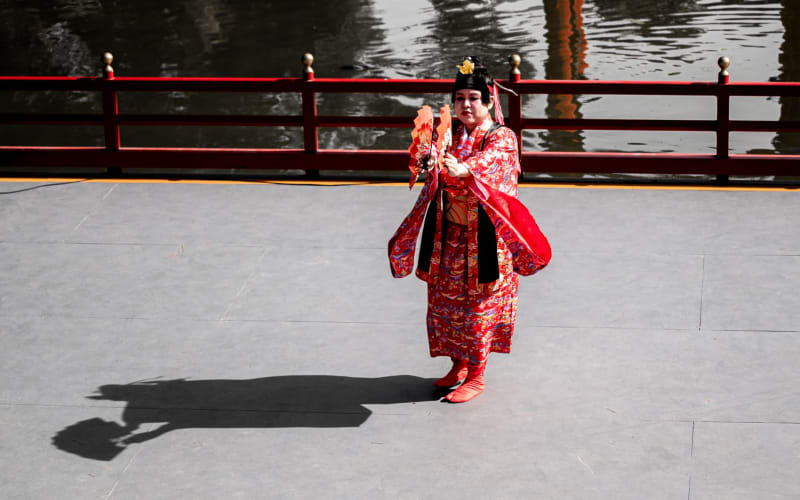 japan
japan Shuri Castle
The burnt-and-rebuilt heart of the Ryukyuan kingdom — a castle that belongs to a civilization Japan absorbed but never erased.
Explore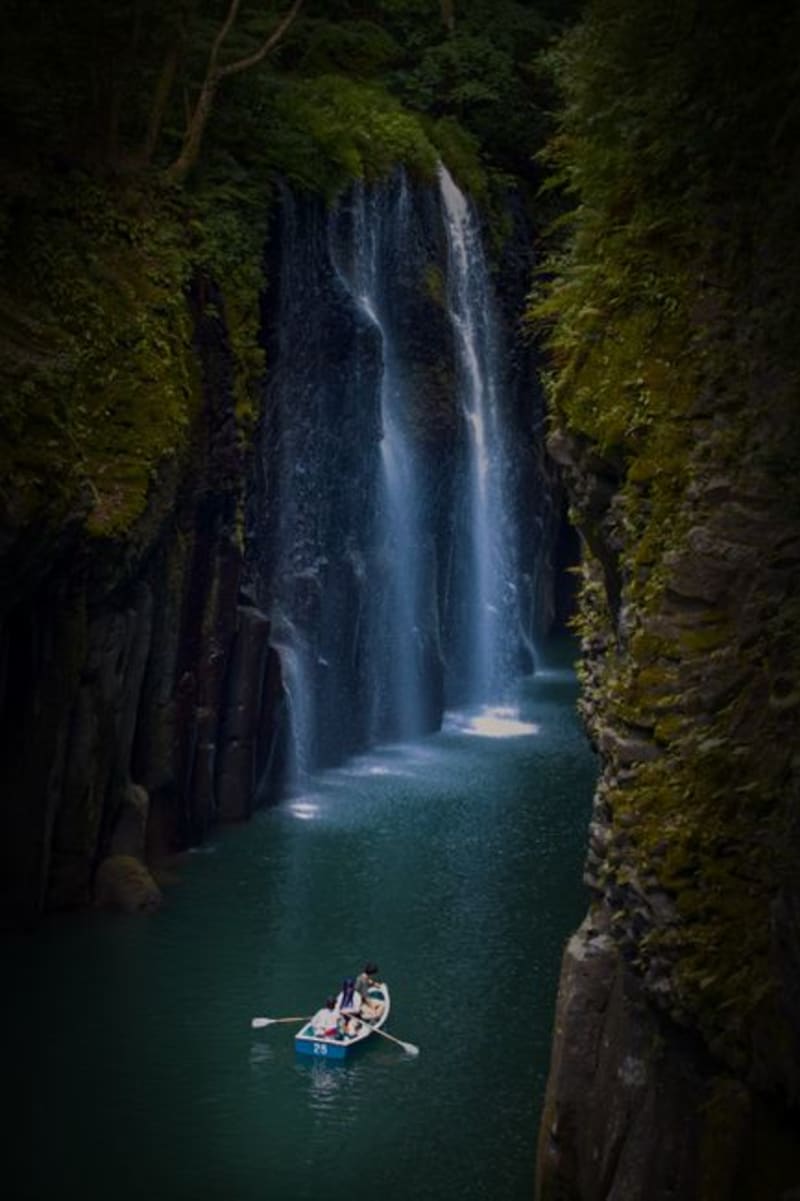 japan
japan Takachiho
A mist-wrapped gorge town in the mountains of Miyazaki, where a river runs green between sheer basalt cliffs and the old creation myths of Japan feel less like stories than local news. Rowboats beneath a waterfall by day, sacred dance by night.
Explore