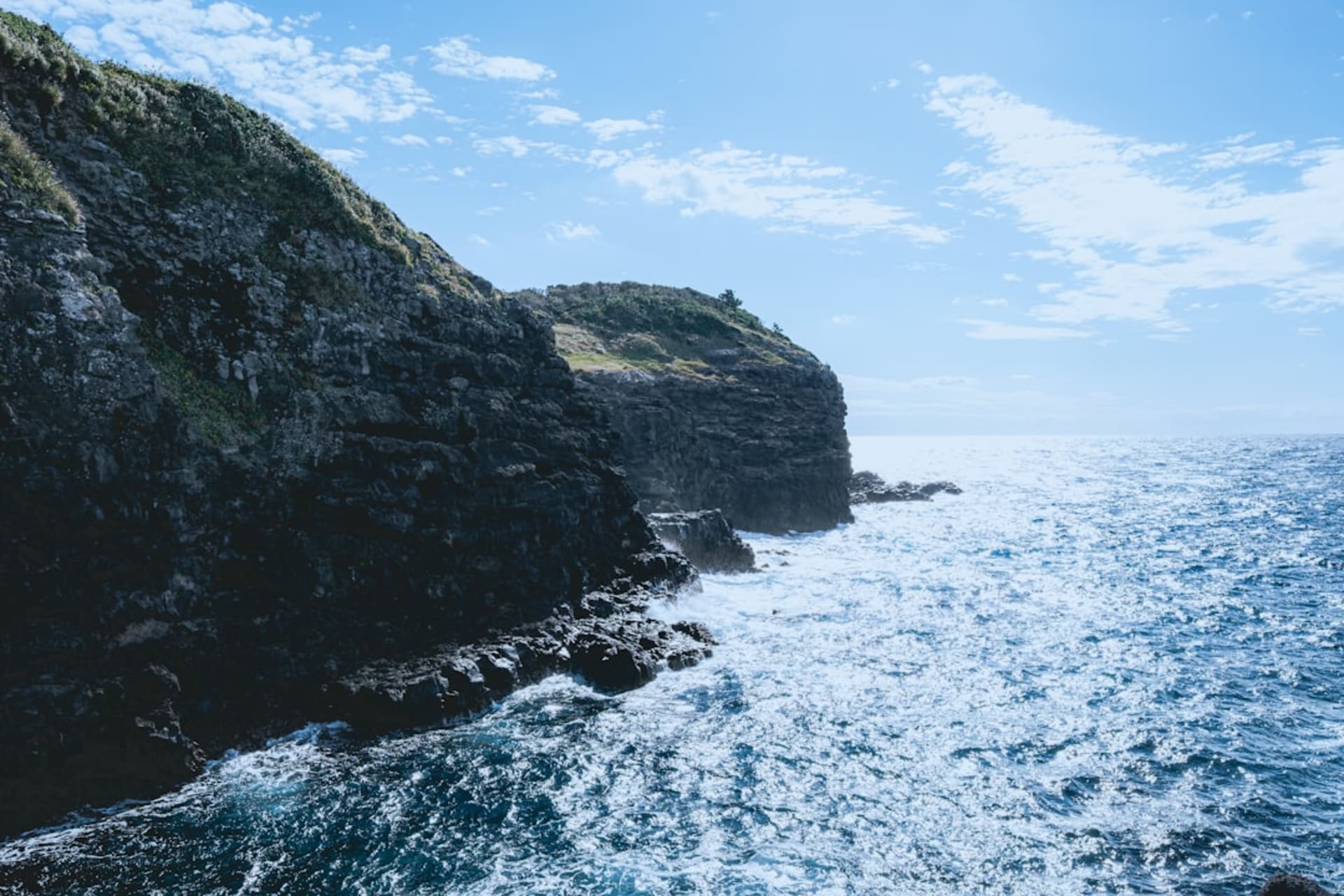
Iki Island
"An island this small, and somehow it never ran out of shrines to show us."
Barley shochu was reportedly invented on this small island during the Edo period, a tradition now protected by a WTO Geographical Indication, alongside Jomon-era history and over a thousand Shinto shrines packed onto one compact coastline.

We went to Iki expecting a quiet fishing island and a chance to try barley shochu at its reported source, and left having lost count of how many shrines we’d wandered past without meaning to. The island sits an hour or so off Fukuoka by ferry, small enough to circle by car in a day, yet it holds over a thousand Shinto shrines, a density that seems almost comic until you’re actually driving its back roads and realizing every third bend hides another torii gate. Lia had wanted to see Sarugaishi, the shrine built around a rock locals call “Monkey Rock,” and that oddly specific goal ended up leading us into most of what made the island worth the trip.
Monkey Rock and a Thousand Shrines
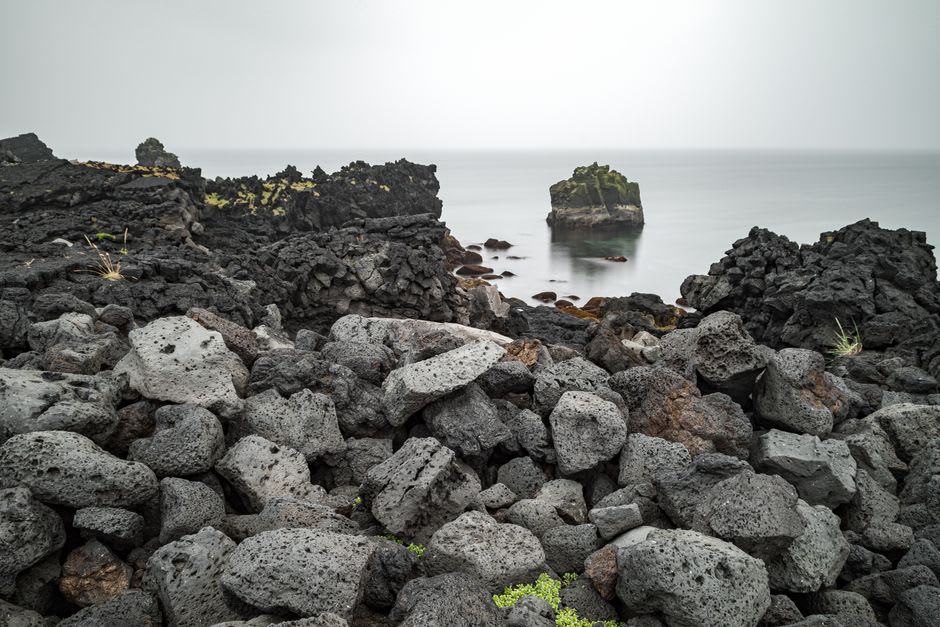
Sarugaishi turned out to be a large basalt sea stack just offshore that, from the right angle, genuinely resembles a monkey’s face gazing out at the water, and the small shrine built to honor it sits right at the water’s edge. We arrived near low tide, when the rock and its little torii gate stand fully exposed, and spent a while just looking at it from different angles trying to decide how much imagination the resemblance required. From there we fell into a loose habit of stopping at whatever shrine appeared next, small roadside ones with a single weathered stone lantern, and larger ones with actual grounds to wander, never quite running out over the course of the day.
The Birthplace of Barley Shochu
Iki’s other claim to fame came out at dinner, where our izakaya host explained, with evident pride, that barley shochu was reportedly invented here during the Edo period, when heavy rice taxation forced islanders to distill their staple grain, barley, instead. The tradition now carries a WTO Geographical Indication, a formal protection of the kind usually reserved for wines and spirits with deep ties to a specific place. We worked through a small flight of it, each pour drier and more aromatic than the last, while our host kept refilling our glasses slightly faster than we could keep track of, insisting each new bottle was “just one more, for comparison.”

Traces of Deep Time
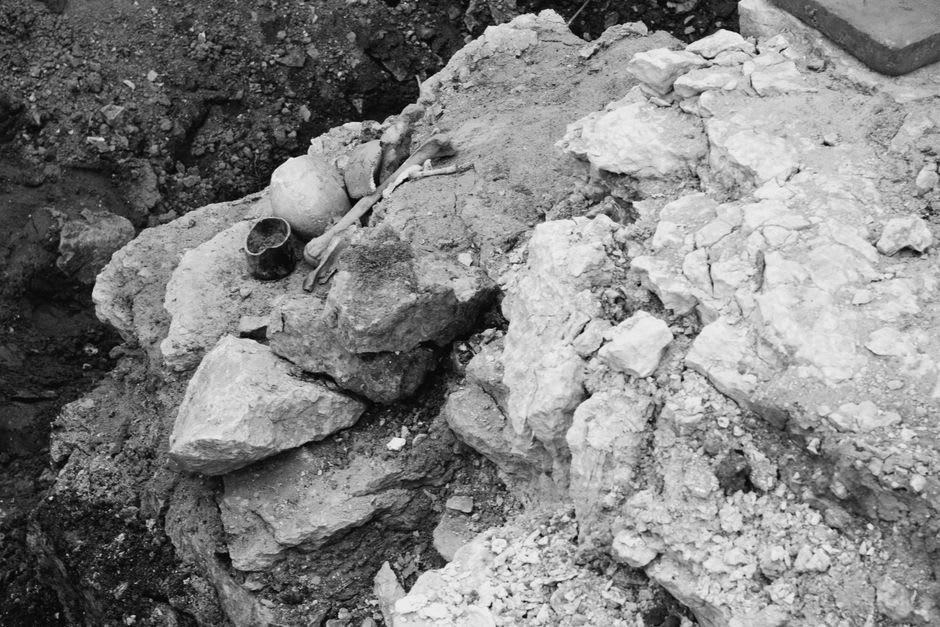
The next morning we stopped at a small archaeological site where Jomon-era artifacts have been found, evidence of human settlement on Iki stretching back many thousands of years, long before any shrine or shochu still existed. Standing in a quiet field where excavated pottery shards had once been unearthed, it was strange to think how much layered history this small island had absorbed — deep prehistory, Edo-era distilling innovation, and a thousand shrines, all packed onto a coastline you can drive around before lunch. Lia said it made Iki feel bigger on the inside than it looks on a map, which is about the best way I’ve heard anyone describe it.
Getting There
Iki is reached from Fukuoka, about an hour away by ferry from Hakata Port or by a short domestic flight if you’re short on time. Once on the island, a rental car is by far the easiest way to get around, since the shrines, shochu distilleries, and archaeological sites are scattered across the coastline with limited public transport connecting them. A single full day covers the highlights comfortably, though it’s easy to see how you could stretch it into two if the shrine-hopping gets its hooks into you the way it did us.
Keep exploring
More of Kyūshū & Okinawa
Keep exploring
More from Kyūshū & Okinawa
 japan
japan Iriomote Island
Ninety percent jungle, one paved road, and more wild cats than foreign visitors — Japan's last genuinely untamed island.
Explore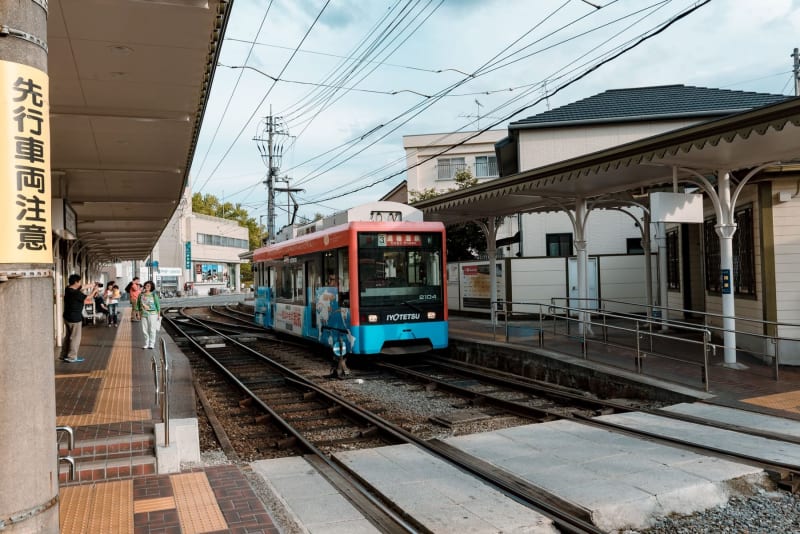 japan
japan Ishigaki
The gateway to Japan's most tropical waters, with manta ray cleaning stations and Yaeyama star sand beaches.
Explore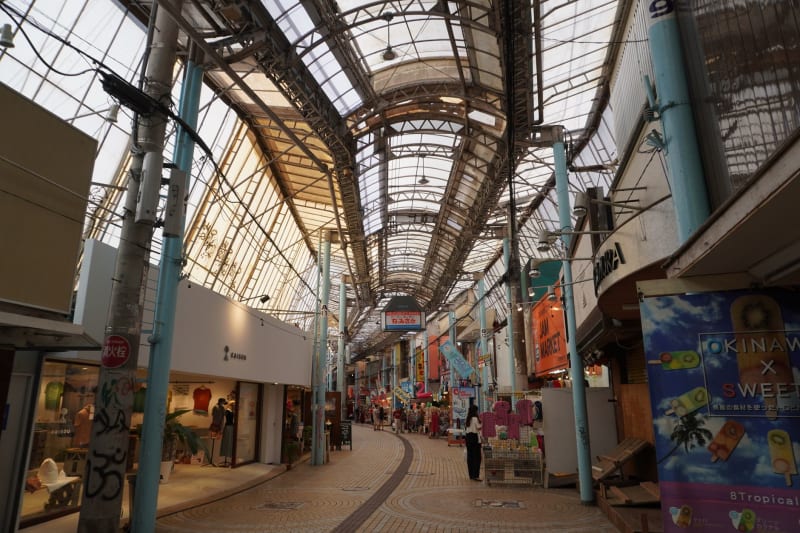 japan
japan Itoman
The southern tip of Okinawa — a fishing town with the island's most important war memorial and the weight that comes with it.
Explore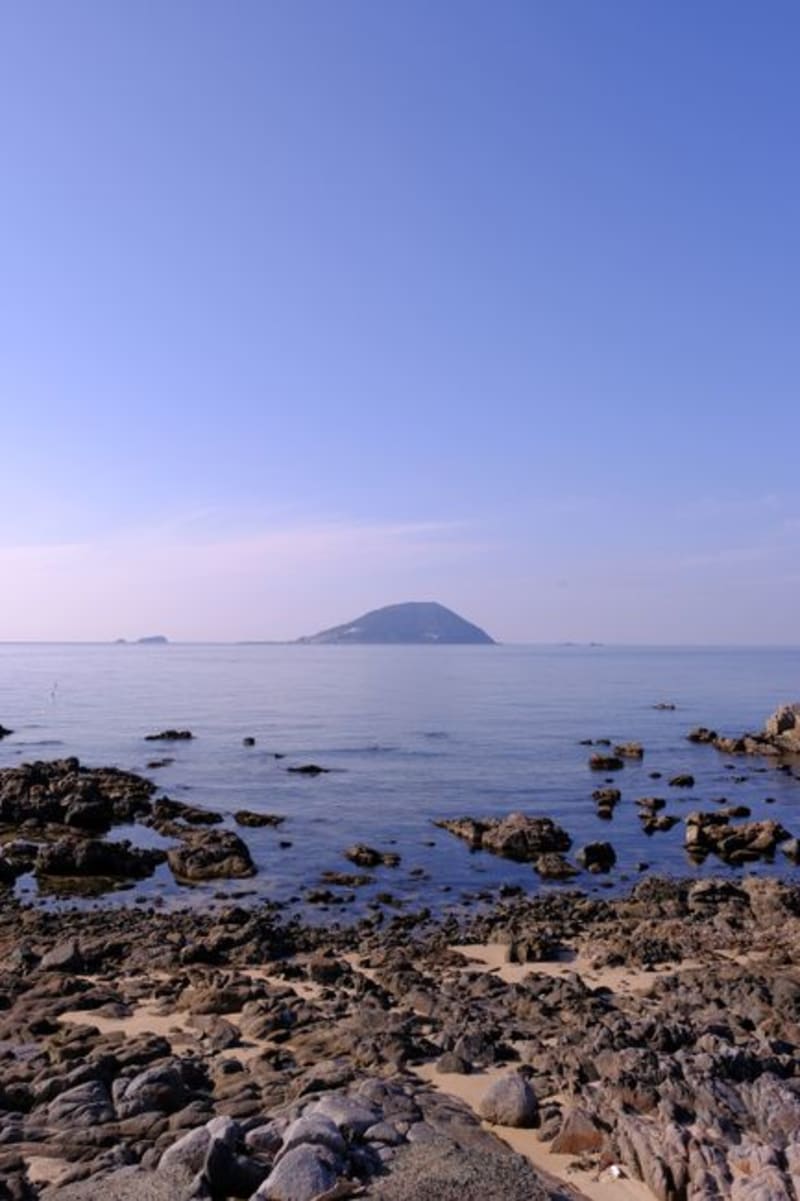 japan
japan Itoshima
A coast of surf-shack cafés and low mountains an hour west of Fukuoka, where a lone white torii stands in the shallows facing the sunset. It felt less like Japan's postcard image and more like a slow Sunday that never quite ended.
Explore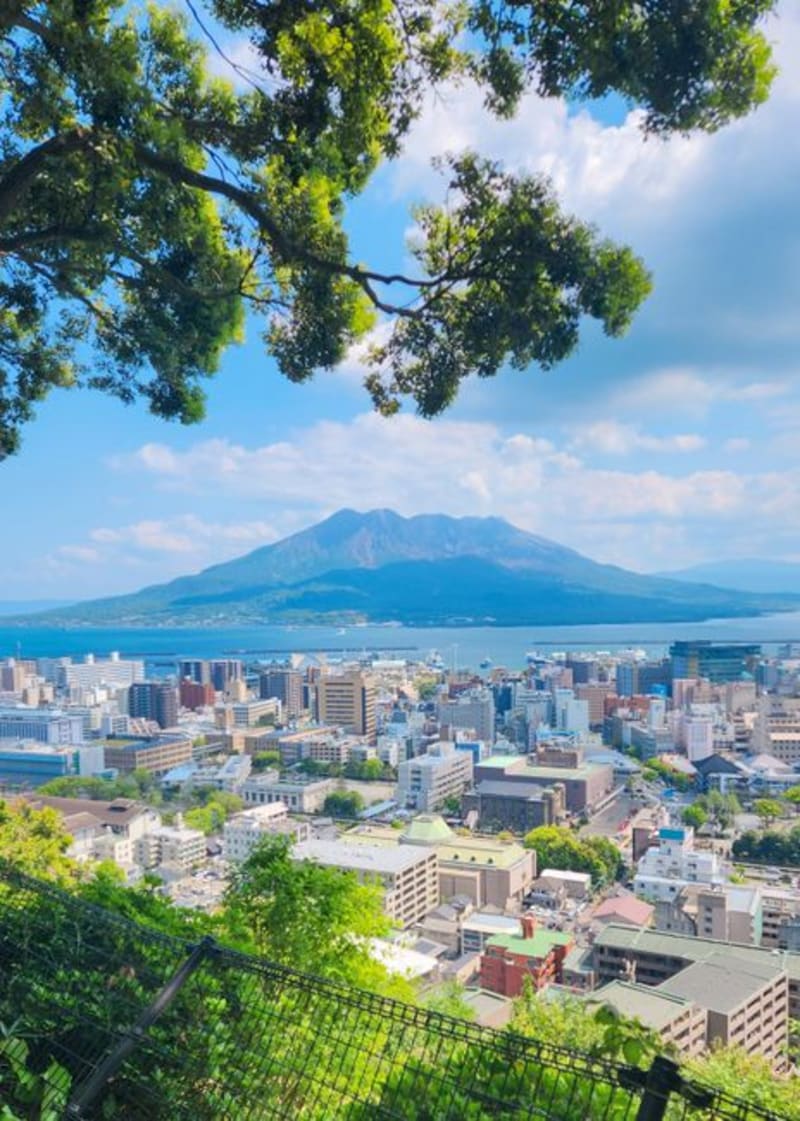 japan
japan Kagoshima
The 'Naples of Japan,' a warm southern city living in the shadow of the constantly smoking Sakurajima volcano across its bay. Ash-dusted streets, fiery shōchū, samurai history, and hot-sand baths down the coast.
Explore japan
japan Karatsu
A Saga castle town on the north coast of Kyūshū, where a white keep looks out to sea and a two-mile grove of wind-bent pines curves along the bay. Home to austere, deeply prized pottery and to an autumn festival of thundering painted floats. Salt air, clay, and rooted tradition.
Explore