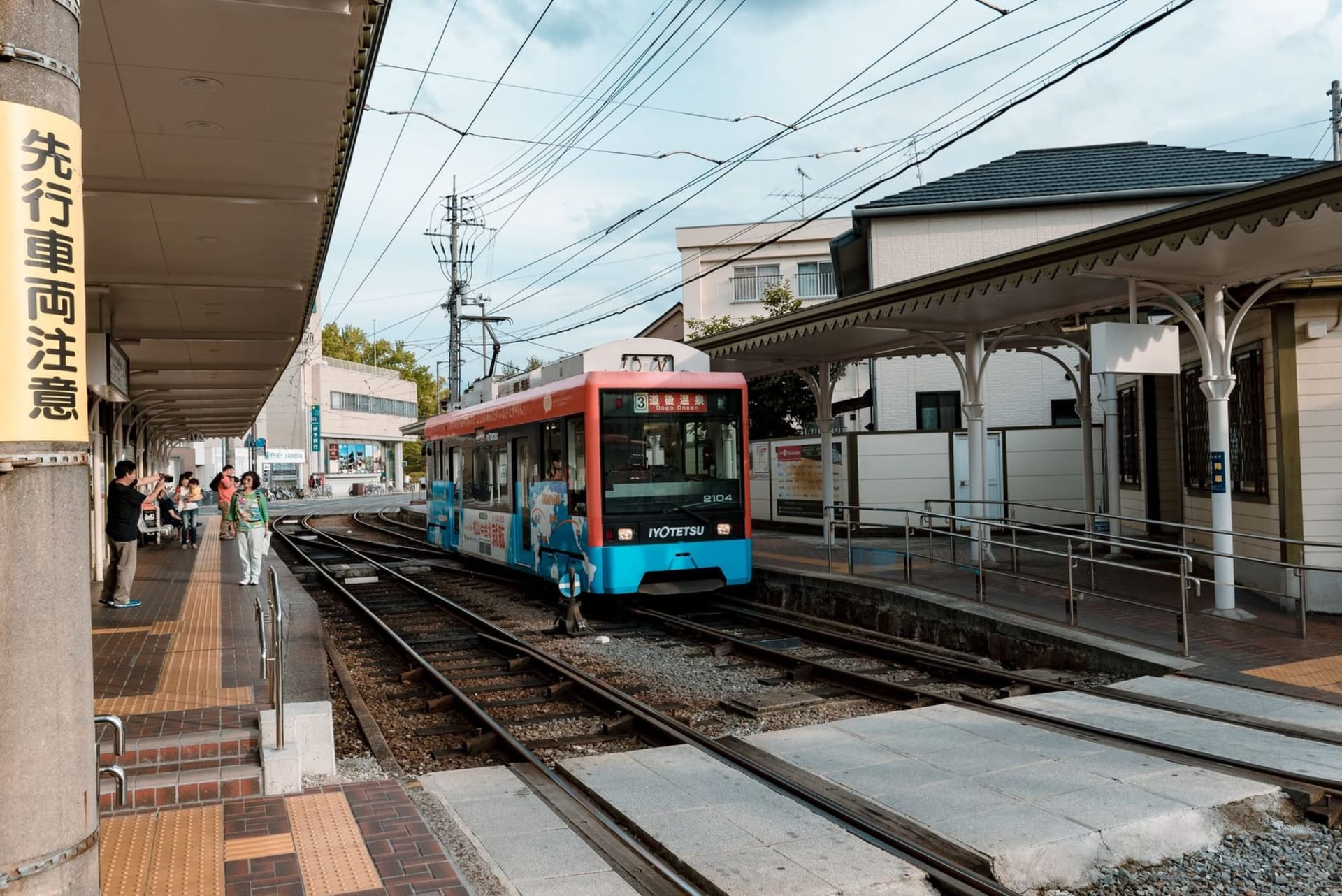
Ishigaki
"Ishigaki is the Japan that forgot to be cold, and its reefs haven't forgotten what colour looks like."
The gateway to Japan's most tropical waters, with manta ray cleaning stations and Yaeyama star sand beaches.

There is a moment, maybe thirty seconds after you drop below the surface at Manta Scramble, when the ocean stops being a thing you are visiting and becomes a thing you are inside. Three mantas were already there, circling the cleaning station in slow arcs the way satellites orbit — patient, geometric, indifferent to the bubbles streaming from my regulator. I had read about this spot off Cape Kabira a dozen times. Reading about it is nothing.
The Light Down Here
Ishigaki sits at the southern edge of the Ryukyu arc, which means it catches a latitude of light that the rest of Japan never quite gets. Above water, that translates to a sky that turns white at noon and then goes electric around five in the evening — the kind of orange that makes Lia reach for her camera without saying anything. Below water, it means visibility stretching twenty metres on a decent day, coral formations in colours that feel almost computationally generated: branching staghorn in cream and rose, brain corals the size of washing machines, schools of moorish idols that catch the surface shimmer and throw it back as something entirely their own.
We dived twice a day out of Sakieda Port, boarding a small boat before seven, coffee in a thermos, the harbour still quiet except for the squabble of birds over the fish market on Minsa Street.
Kabira Bay and the Star Sand
I had expected the beaches to be secondary — a consolation for non-divers. Then I saw Kabira Bay. The bay is closed to swimming, which sounds like a punishment until you understand it: the water sits so still and so clear that the canoes you rent seem suspended in air, and the coral gardens below are untouched. We paddled out in the late afternoon, the light already going amber, and I let my paddle drag just to feel how cold and clean the water was against my knuckles.
The unexpected discovery came at Hoshizuna-no-Hama, the star sand beach on the island’s northern tip. I knew about the star-shaped foraminifera — every guidebook mentions them — but I had not expected to spend forty minutes crouched at the waterline with Lia, both of us genuinely absorbed, picking through handfuls of pale sand looking for the best specimens like children at a rock pool. The Japan I thought I knew does not include that particular afternoon.
In the evenings we ate in the lanes around Misakicho, working through plates of Yaeyama soba — thinner than the mainland version, in a light pork broth with Okinawan beni-shoga ginger — and local Awamori served cold in small glasses. The island smells of salt and something floral I never identified.
When to go: April through June offers the best underwater visibility and manageable heat before typhoon season arrives in July. March is quieter and the water already warm enough for comfortable diving.
Keep exploring
More of Kyūshū & Okinawa
Keep exploring
More from Kyūshū & Okinawa
 japan
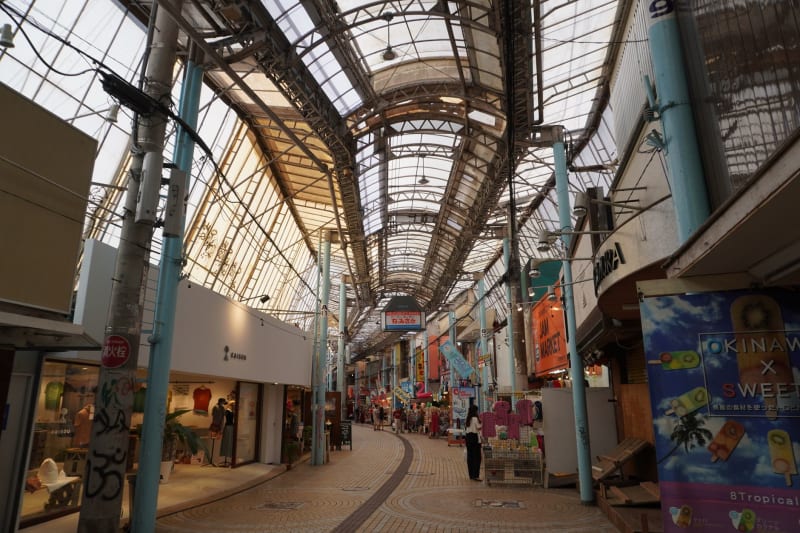
japan Itoman
The southern tip of Okinawa — a fishing town with the island's most important war memorial and the weight that comes with it.
Explore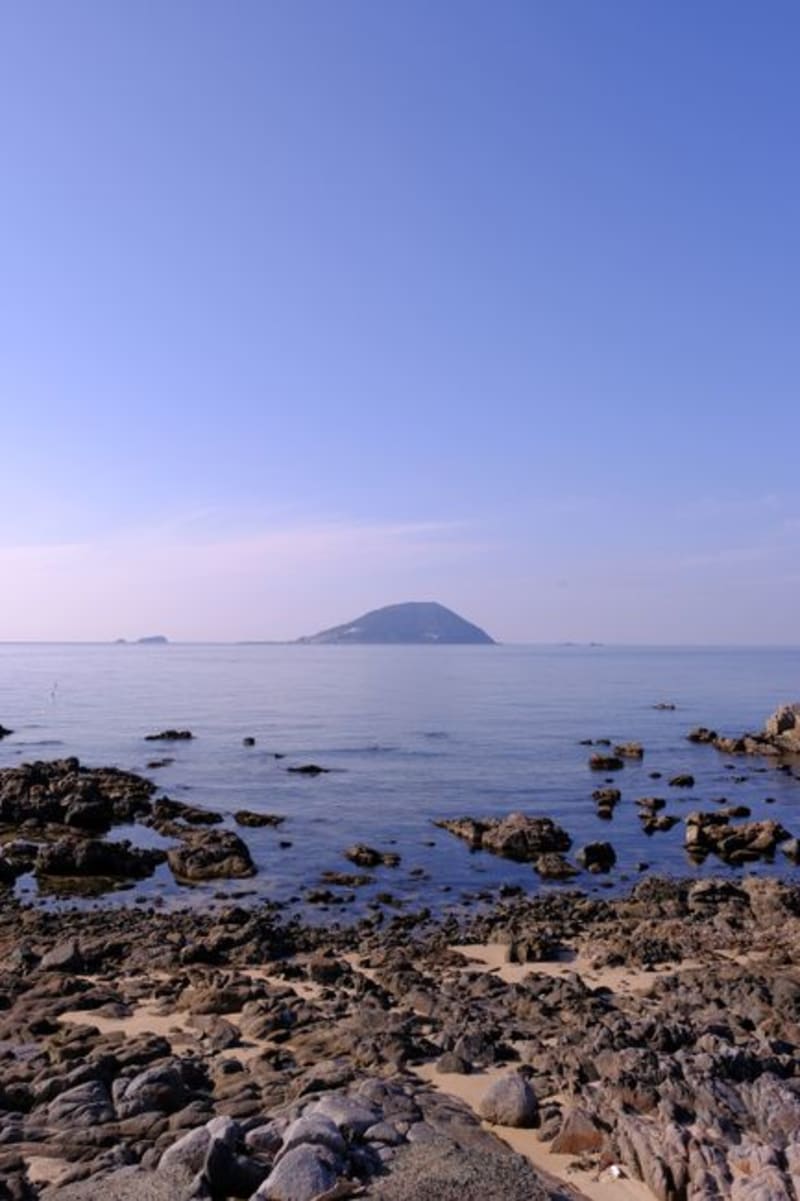 japan
japan Itoshima
A coast of surf-shack cafés and low mountains an hour west of Fukuoka, where a lone white torii stands in the shallows facing the sunset. It felt less like Japan's postcard image and more like a slow Sunday that never quite ended.
Explore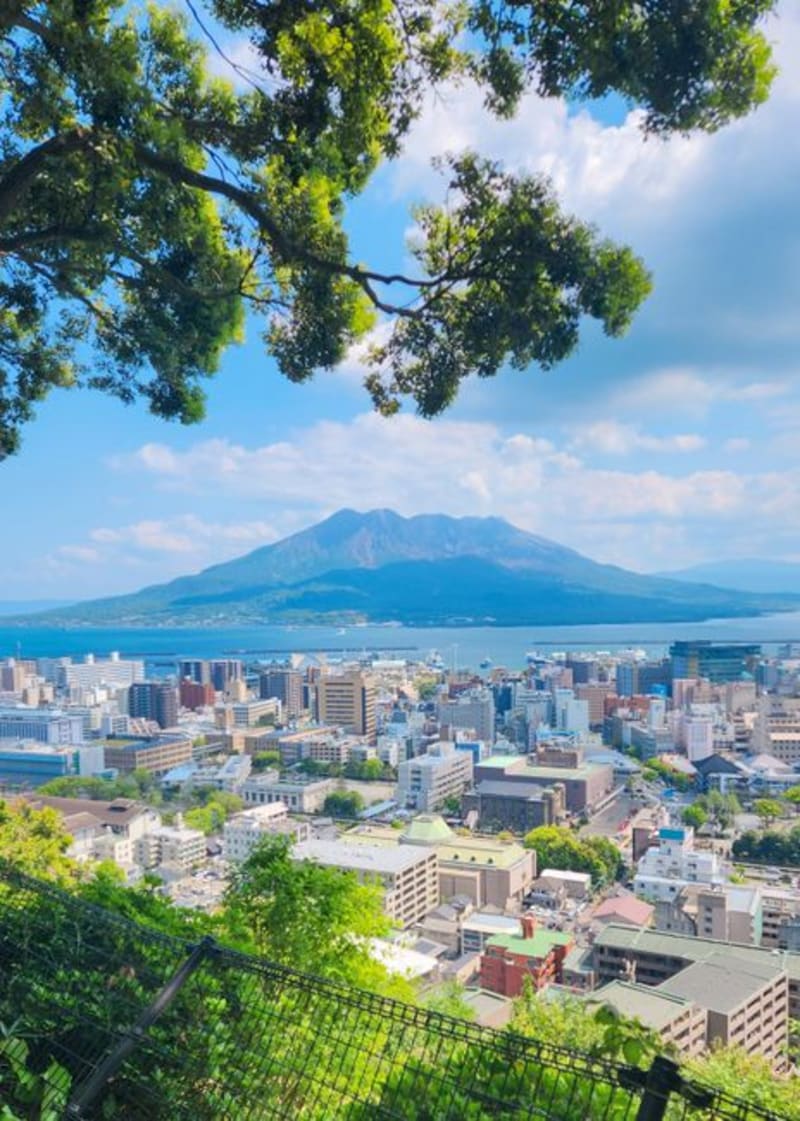 japan
japan Kagoshima
The 'Naples of Japan,' a warm southern city living in the shadow of the constantly smoking Sakurajima volcano across its bay. Ash-dusted streets, fiery shōchū, samurai history, and hot-sand baths down the coast.
Explore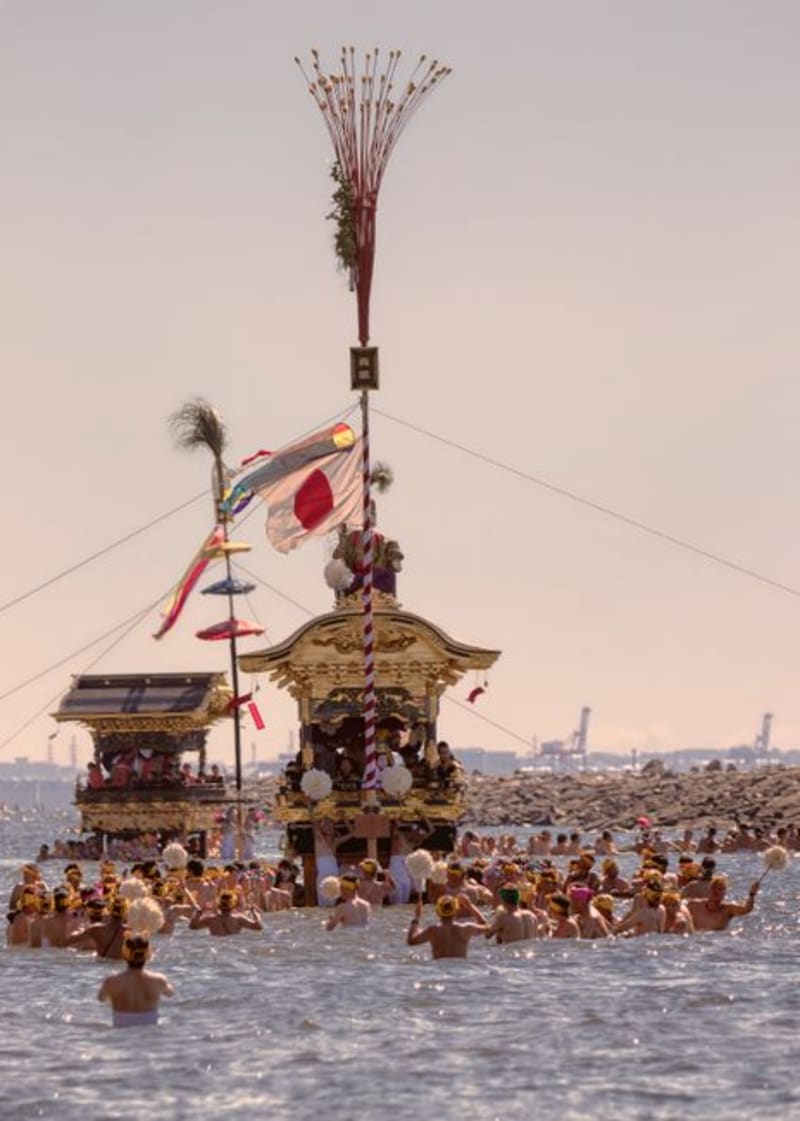 japan
japan Karatsu
A Saga castle town on the north coast of Kyūshū, where a white keep looks out to sea and a two-mile grove of wind-bent pines curves along the bay. Home to austere, deeply prized pottery and to an autumn festival of thundering painted floats. Salt air, clay, and rooted tradition.
Explore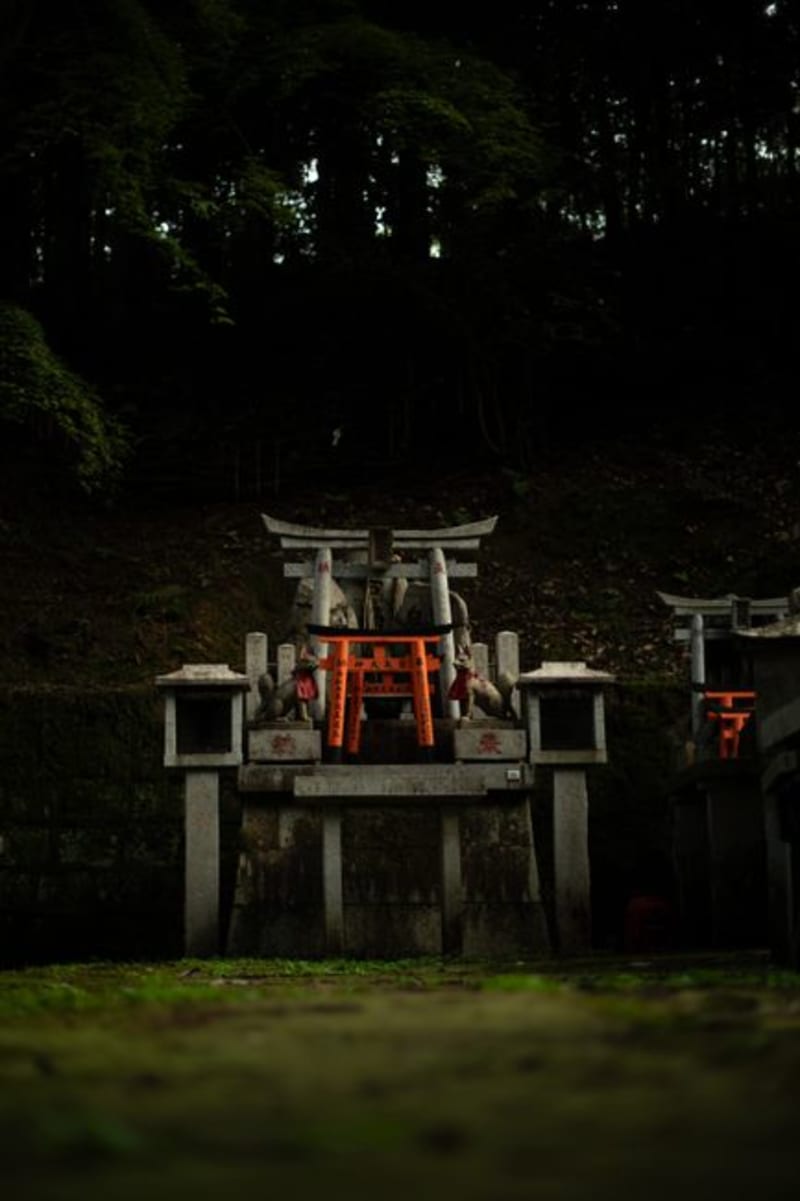 japan
japan Kirishima
A range of volcanic peaks and crater lakes in Kagoshima wrapped in creation myth — the legendary place where the gods first came down to earth. Steaming hot springs, ancient shrines, and high, misty hiking.
Explore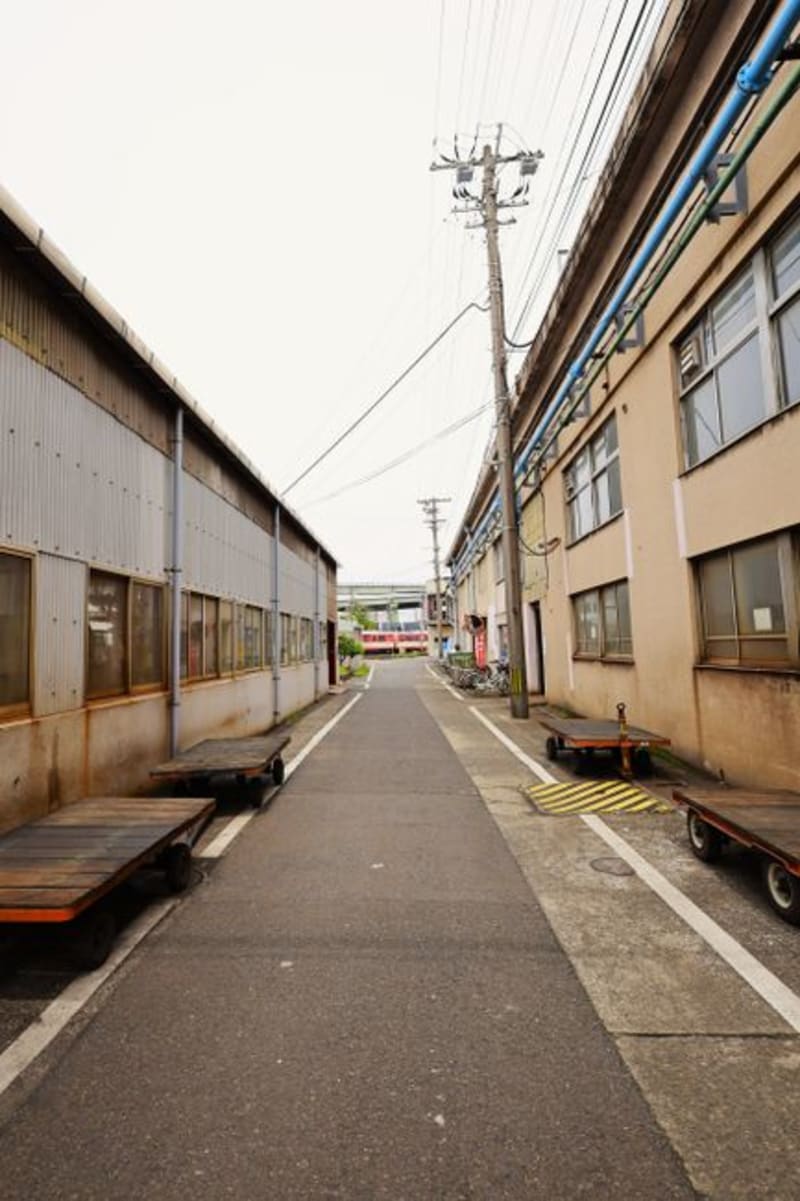 japan
japan Kitakyushu
A big industrial city at the northern tip of Kyushu that surprises you — its Mojiko Retro harbour district is a pocket of gaslit brick and early-twentieth-century romance, while the Kanmon Strait churns past just below, close enough to touch the mainland.
Explore