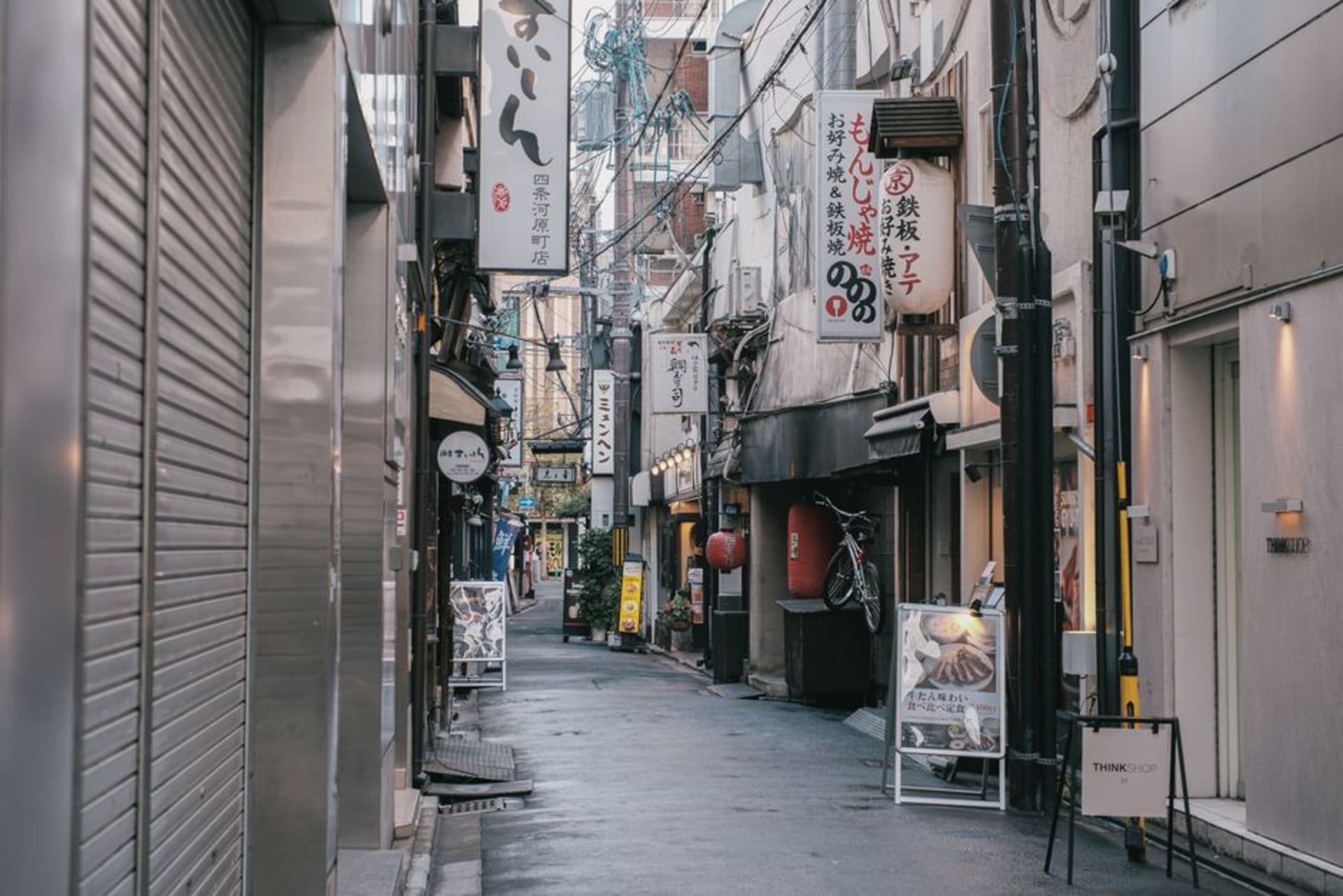
Hitoyoshi
"The river had been running that fast for centuries before we ever showed up in a raft."
A castle town in a mountain valley along the Kuma River, one of Japan's three great rapid streams, ruled by the same clan for roughly seven centuries and home to Kuma shochu, a rice spirit with its own protected terroir.

We came to Hitoyoshi mostly for the river, though we left thinking more about what the same family had managed to hold onto for seven hundred years. It’s a small town folded into a mountain valley, easy to miss on a map of Kyushu, but the Sagara clan governed it from roughly the Kamakura period all the way through to the Meiji Restoration, an almost absurd span of continuity for one castle town to carry. Lia had booked us a whitewater rafting trip before we’d even checked into our ryokan, and by the time we arrived the valley was already doing its best to make us forget any schedule at all.
Rafting the Kuma Rapids
The Kuma is counted among Japan’s three great rapid rivers, and from the moment our guide pushed the raft off the bank it was obvious why. The water moved fast and cold between steep green walls, throwing up spray that soaked us within the first bend, and our little crew of paddlers spent more time laughing than actually steering. Lia, who claims to hate being cold, was the first one back in when our guide asked if anyone wanted to jump out and float a calm stretch. We drifted past old stone weirs and overhanging cedar before the current picked up again and dragged us into the next set of rapids, hearts going before our brains caught up.

The Sagara Clan’s Castle Town
Back on dry land, we wandered the ruins of Hitoyoshi Castle, its stone foundations still tracing the shape of a stronghold the Sagara held onto through centuries of shifting power elsewhere in Japan. Little of the original wooden structure survives, but the layout of moats and walls gives you a real sense of scale, and the small museum nearby lays out the family’s long, improbable run with a quiet local pride. We climbed up as the light went low and gold over the valley, the Kuma glinting somewhere below the trees, and I found myself doing the math on seven hundred years and coming up short every time.

A Shochu Tasting in the Valley
That evening a small distillery let us in for a tasting of Kuma shochu, the rice spirit distilled only in this valley using local water and rice, protected the same way Scotch or Cognac is protected by geography. The master distiller walked us through a lineup from clean and bright to deep and almost smoky, and explained, patiently, how the valley’s water and climate shape the spirit in ways that can’t be replicated elsewhere. Lia, not usually a shochu drinker, ended up buying a bottle to bring home, which she still brings out on cold nights, insisting it tastes like the sound of the rapids we’d rafted that morning.

Getting There
Hitoyoshi sits inland from Kumamoto City, reachable by the JR Hisatsu Line, which winds slowly through the mountains and is a scenic ride in its own right, though services can be limited so it’s worth checking current schedules before you go. Driving from Kumamoto City is a straightforward alternative and gives you the freedom to detour into the surrounding hills. Rafting outfitters run trips seasonally depending on water levels, so book ahead if a specific date matters, and pack a change of clothes — you will get wet, thoroughly and happily.
Keep exploring
More of Kyūshū & Okinawa
Keep exploring
More from Kyūshū & Okinawa
 japan
japan Ibusuki
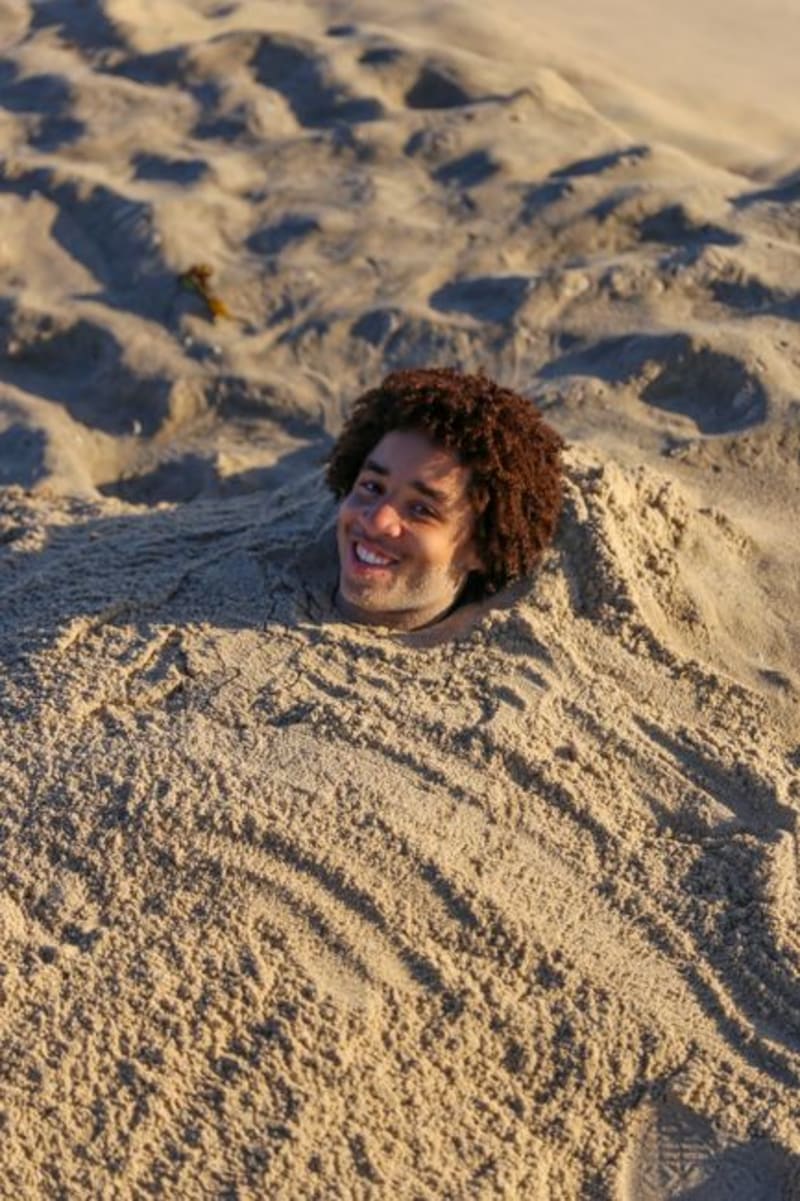
A hot-spring town at the southern tip of Kagoshima's Satsuma Peninsula, where the beach itself steams and you are buried to the neck in hot volcanic sand. Beyond it rises the near-perfect cone of Mount Kaimon, the Satsuma Fuji.
Explore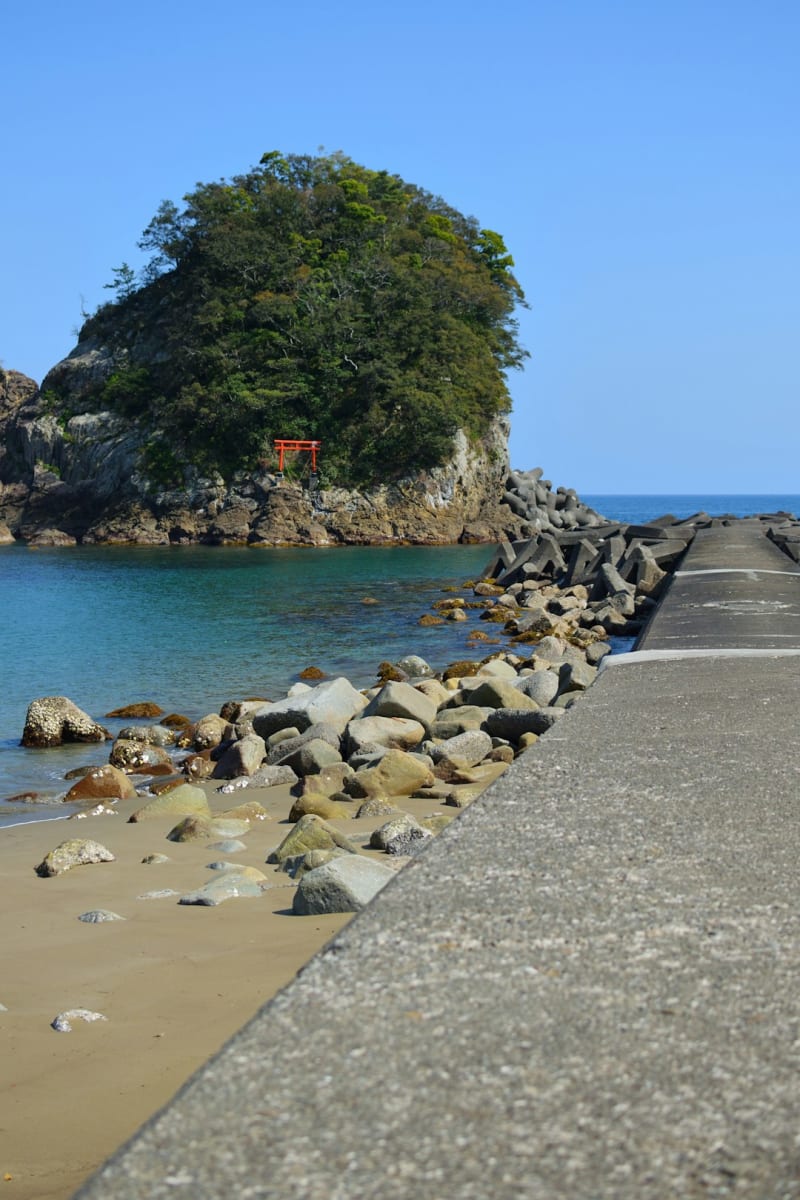 japan
japan Ie Island
Each spring roughly a million Easter lilies blanket this small Okinawan island for Japan's earliest lily festival, set against white sand and cobalt sea beneath the lone limestone peak locals call 'Tacchu.'
Explore japan
japan Iki Island
Barley shochu was reportedly invented on this small island during the Edo period, a tradition now protected by a WTO Geographical Indication, alongside Jomon-era history and over a thousand Shinto shrines packed onto one compact coastline.
Explore japan
japan Iriomote Island
Ninety percent jungle, one paved road, and more wild cats than foreign visitors — Japan's last genuinely untamed island.
Explore japan
japan Ishigaki
The gateway to Japan's most tropical waters, with manta ray cleaning stations and Yaeyama star sand beaches.
Explore japan
japan Itoman
The southern tip of Okinawa — a fishing town with the island's most important war memorial and the weight that comes with it.
Explore