Chiran
"We walked from clipped hedges to handwritten last letters in the space of a few minutes, and neither of us spoke for a while after."
A single samurai street lined with Edo-period gardens sits a few kilometers from a former air base, where the Peace Museum for Kamikaze Pilots preserves the letters of the young men who flew out from here in 1945.

Lia found Chiran in a guidebook footnote, described in a single line as “Kyushu’s samurai town,” and it took us most of a day trip from Kagoshima to understand how incomplete that description was. The town does have a beautifully preserved samurai quarter, all stone walls and borrowed-scenery gardens, exactly as advertised. But a few kilometers away sits what used to be an Imperial Japanese Army air base, and the museum built near its old runway turned our pleasant afternoon into something heavier and harder to shake. We went in expecting a garden walk. We left mostly thinking about the letters.
The Samurai Garden Street
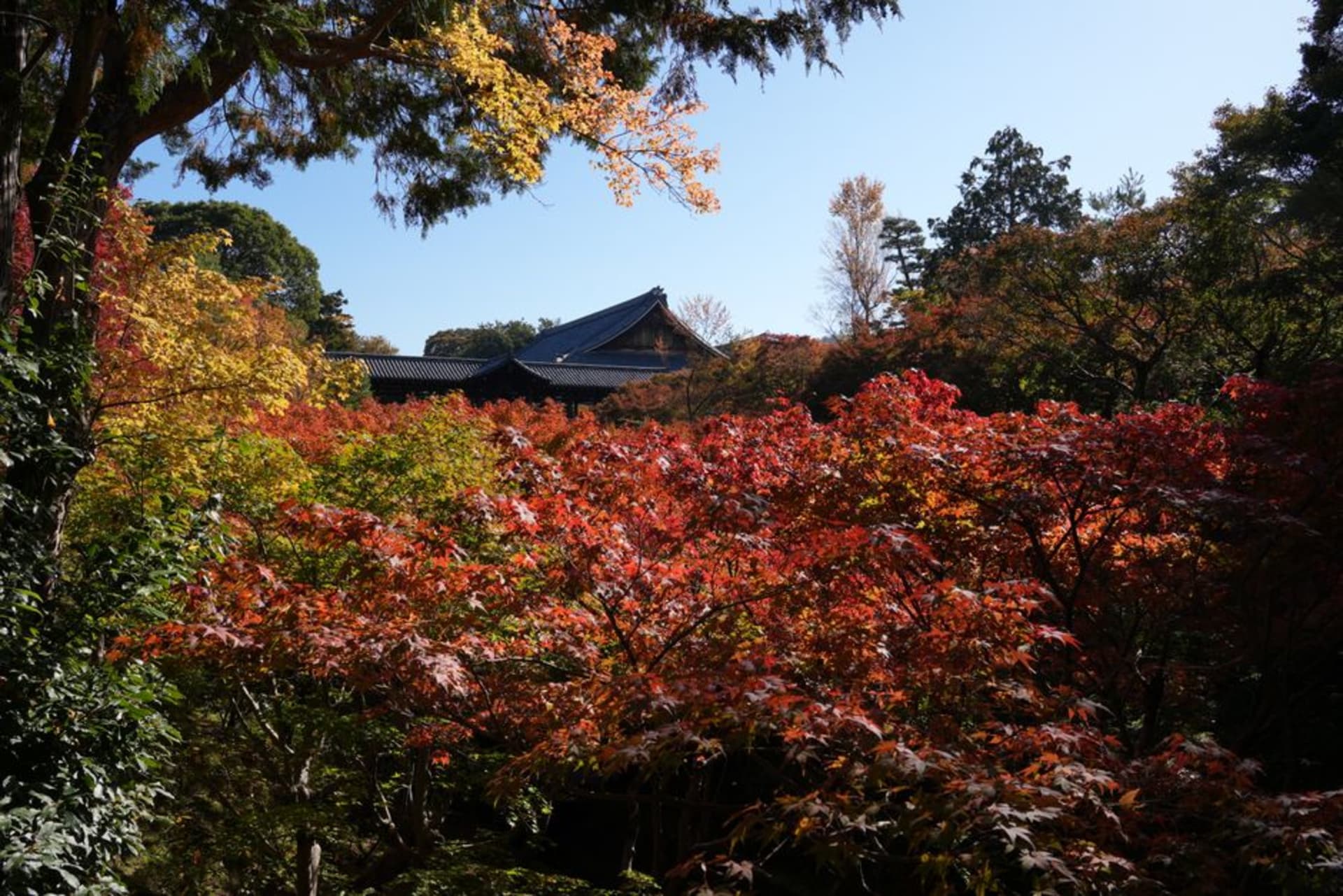
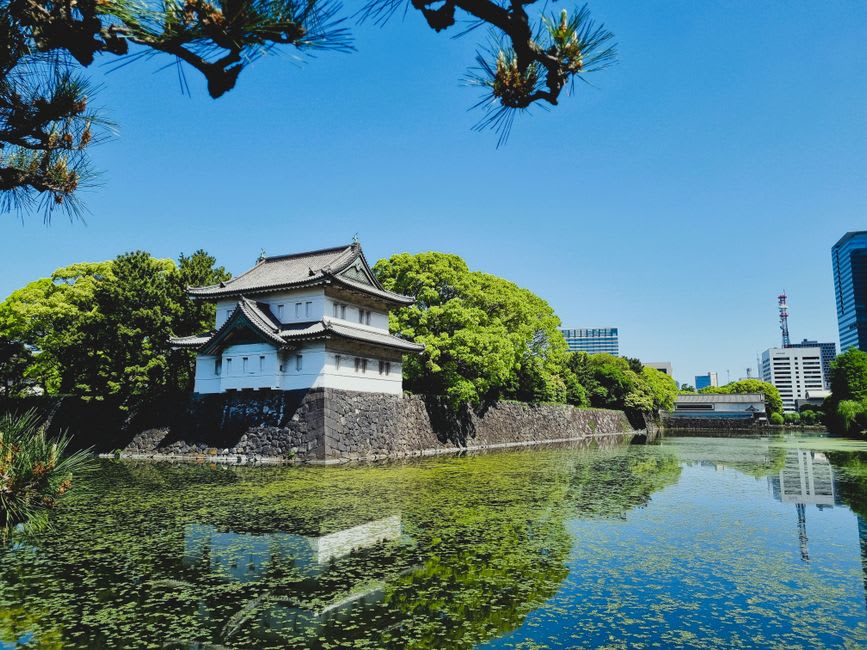
Chiran’s samurai residential street runs a few hundred meters, lined with stone walls topped by clipped hedges hiding a row of Edo-period gardens, several still lived in by descendants of the original families and open to visitors for a small fee. We ducked into a handful of them, each a compact composition of raked gravel, borrowed mountain views, and carefully placed stones that somehow felt both formal and completely unpretentious. Lia lingered longest in one with a small pond reflecting the hedge line perfectly, sketching it badly in her notebook while I tried and failed to identify the tree species our host patiently named for us twice.
The Peace Museum for Kamikaze Pilots
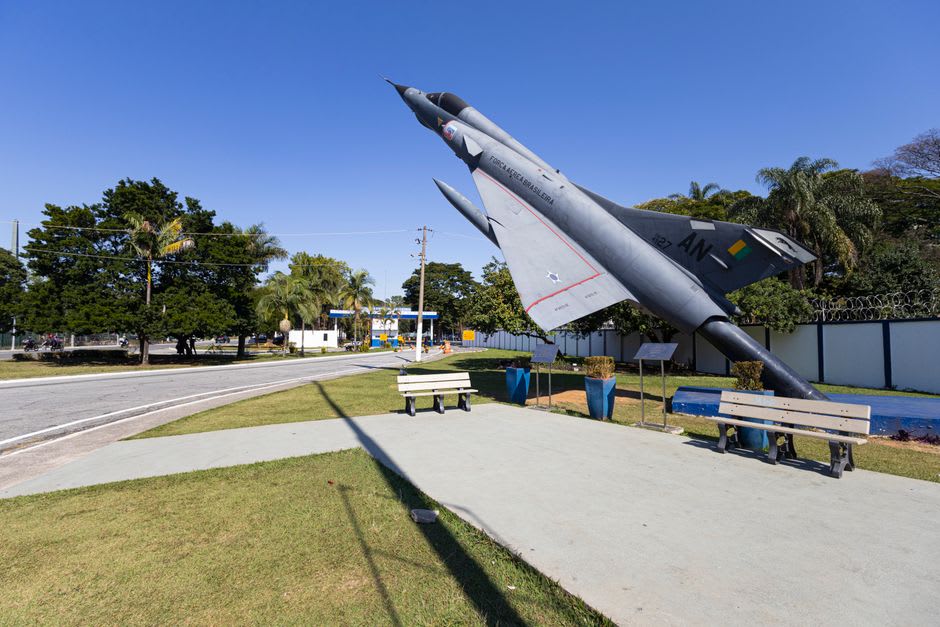
The museum sits near the former Chiran air base, from which many of the young kamikaze pilots of 1945 flew their final missions, and it holds their letters, photographs, and belongings with a plainness that hits harder than any dramatization could. Reading a nineteen-year-old’s last letter to his mother, written the night before he flew, is not something you shake off quickly. Lia had to step outside partway through. I stayed a little longer, reading names and ages I won’t forget, feeling the specific, quiet grief of a place built to remember the individual cost of a war usually described only in numbers.
Sitting With Both Halves of the Day
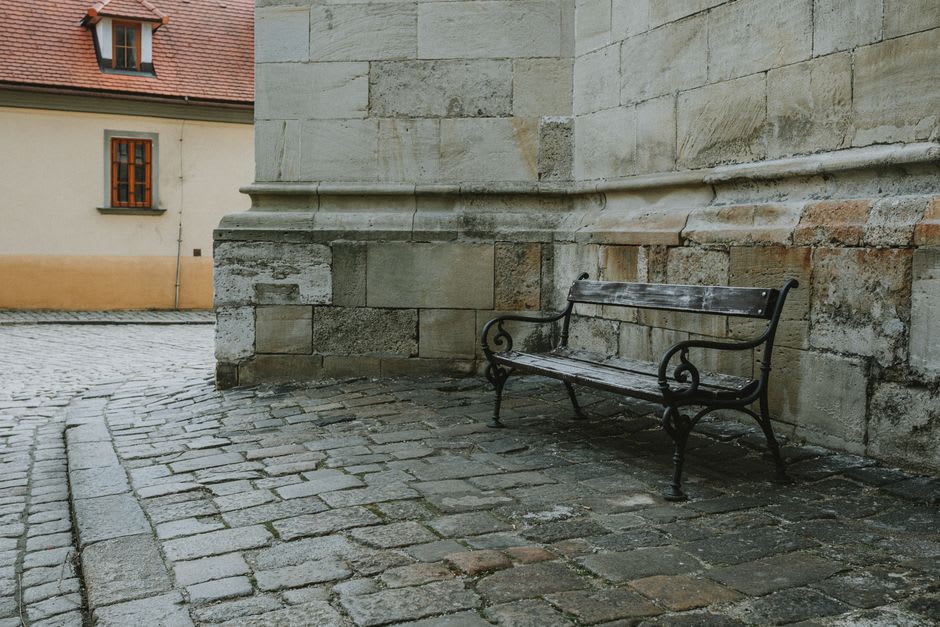
We ended up on a bench between the two sites, not really talking, trying to hold the manicured calm of the samurai gardens alongside the grief of the museum in the same afternoon. A local shopkeeper who’d noticed us wandering back and forth brought out two cups of tea unprompted and told us, gently, that most visitors leave quiet. It’s a strange, layered kind of day trip, and I don’t think Chiran is trying to resolve that tension for you. It just asks you to carry both halves of its history at once, which feels honest.
Getting There
Chiran is a straightforward day trip from Kagoshima City, reachable by direct bus in a little over an hour, or by car in less time along the coast road down the Satsuma Peninsula. There’s no train line into town, so bus or car is the way to go, and a rental car makes it easy to combine Chiran with other spots on the peninsula in a single day. Give yourself a few unhurried hours — the samurai gardens and the museum sit close enough to walk between, but both deserve time and quiet rather than a rush.
Keep exploring
More of Kyūshū & Okinawa
Keep exploring
More from Kyūshū & Okinawa
 japan
japan Dazaifu
Once the ancient capital of all Kyūshū, now a temple town where students come to pray for their exams beneath the plum trees. Dazaifu wears its long history lightly, in incense smoke and falling blossom.
Explore japan
japan Fukuoka
Kyūshū's biggest city, and its most relaxed. Riverside food stalls, bowls of rich Hakata ramen, a beach within reach of downtown, and an appetite that seems to run the whole place.
Explore japan
japan Goto Islands
A remote chain off Kyushu where Japan's 'Hidden Christians' kept their faith alive in secret for roughly 250 years, and where dozens of churches, several now UNESCO-listed, were built once the ban finally lifted.
Explore japan
japan Hirado
A Nagasaki island where Japan first met the West — Portuguese and Dutch traders, a hilltop castle, and churches that stand a stone's throw from Buddhist temples, holding four centuries of hidden Christian history. It is one of the strangest, most layered places we found in Kyushu.
Explore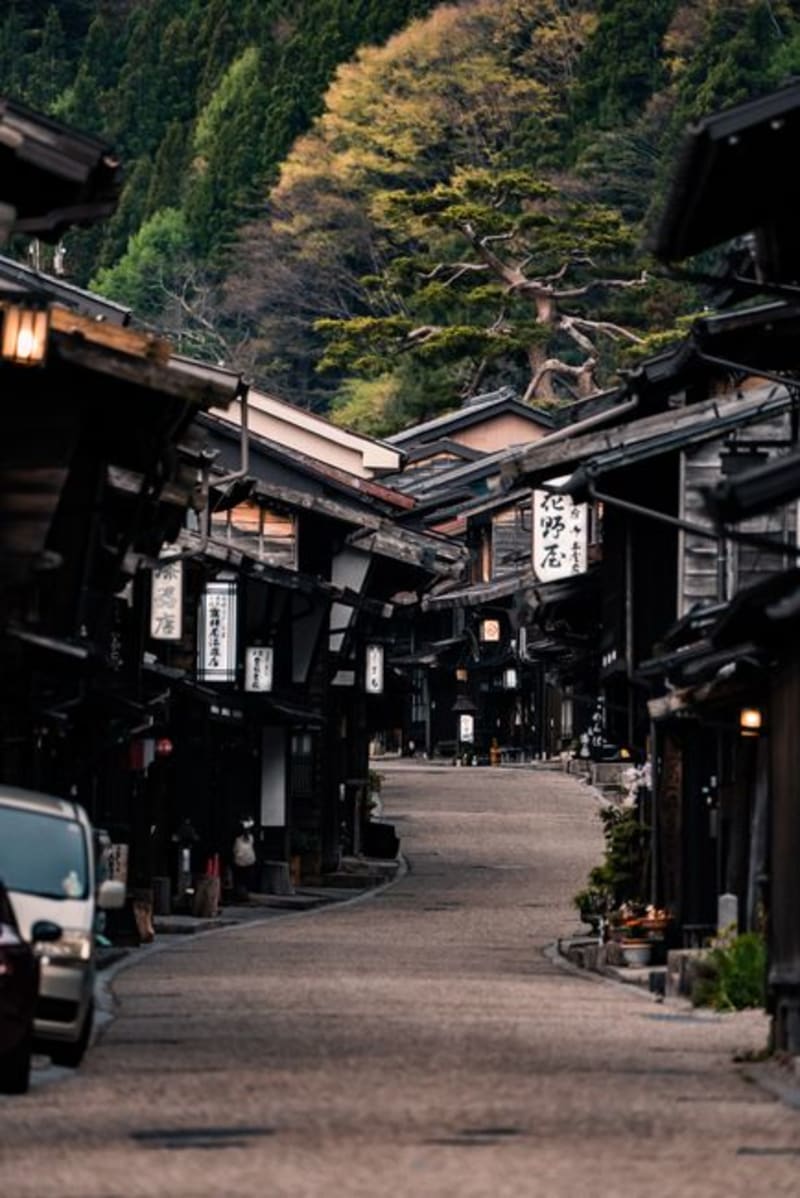 japan
japan Hita
An Ōita river town where a whole Edo-era merchant quarter still stands, its wooden shopfronts leaning over lanes that once made Hita rich enough to be governed directly by the shōgun. Come evening, the rivers fill with lantern-lit pleasure boats and the smell of grilled river fish.
Explore japan
japan Hitoyoshi
A castle town in a mountain valley along the Kuma River, one of Japan's three great rapid streams, ruled by the same clan for roughly seven centuries and home to Kuma shochu, a rice spirit with its own protected terroir.
Explore