Goto Islands
"So many churches, in a place so remote, for a faith that had to survive in total silence."
A remote chain off Kyushu where Japan's 'Hidden Christians' kept their faith alive in secret for roughly 250 years, and where dozens of churches, several now UNESCO-listed, were built once the ban finally lifted.

We took a ferry out from Nagasaki not entirely sure what to expect from the Goto Islands, beyond a vague sense that they were remote even by Kyushu standards. What we found was a scattered chain of fishing villages holding one of the more moving stories in Japan: after the Tokugawa shogunate banned Christianity and drove it underground, believers fled here and kept their faith alive in total secrecy for roughly two and a half centuries, disguising prayers as folk custom and passing them down only by memory. Lia had read a little about the Hidden Christians before we came. Neither of us was prepared for how many churches that quiet, dangerous devotion eventually produced.
A Church Around Every Headland
Once the ban lifted in the 1870s, Goto’s long-hidden Catholic communities began building openly, and they didn’t stop for decades, leaving these islands with dozens of churches, several now recognized by UNESCO alongside related sites across the region. We drove a rented car along the coast roads and kept being surprised by them — a white steeple appearing over a headland, a red-brick facade tucked behind a fishing harbor, each one built and paid for by communities that had spent generations praying in silence. Dozo Church, brick and modest against the sea, stopped us longest; its caretaker let us step inside quietly and asked only that we not photograph the altar, a small, easy request given everything the building represented.

Villages That Kept a Secret
Away from the churches themselves, a few small museums and preserved hamlets tell the harder side of the story: families who lived as apparent Buddhists or Shintoists for generations while secretly baptizing children and reciting prayers passed down orally, sometimes garbled after so many years without written record. Standing in one reconstructed home, hearing a guide describe how a single informer could have ended a family’s life, put a different weight on the churches we’d been admiring for their architecture alone. Lia went quiet for most of the drive afterward, and I didn’t try to fill the silence.

The Coast Between Villages
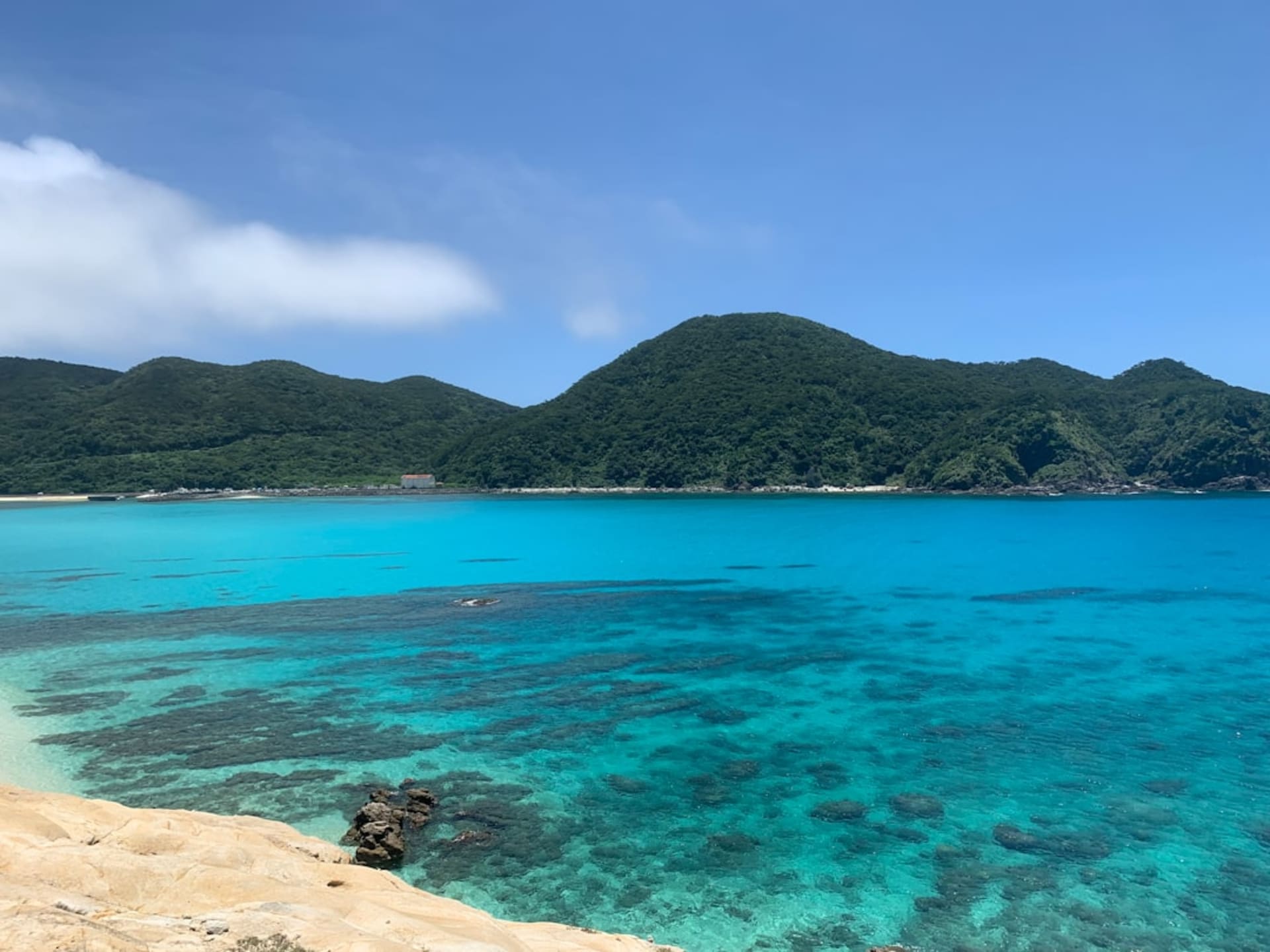
What stayed with us just as much was the drive itself — steep green hills dropping straight into a startlingly clear sea, small harbors packed with fishing boats, and almost no other traffic on the roads connecting one village to the next. We stopped for grilled fish at a shack with no sign, run by a woman who seemed mildly surprised anyone had found it, and ate looking out at yet another headland with yet another white church catching the afternoon light. Goto has a stillness to it that felt earned rather than curated, the quiet of a place that has held a difficult secret for a very long time and is only now getting used to visitors.

Getting There
The Goto Islands are reached from Nagasaki City, either by high-speed ferry to Fukue, the largest island’s main port, or by a short domestic flight if you’d rather save the time. Once there, a rental car is close to essential, since the churches and villages are spread across several islands connected by bridges and short additional ferries, and public transport between them is limited. Give yourself more than a day if you can — the islands reward slow, unhurried driving far more than a rushed itinerary.
Keep exploring
More of Kyūshū & Okinawa
Keep exploring
More from Kyūshū & Okinawa
 japan
japan Hirado
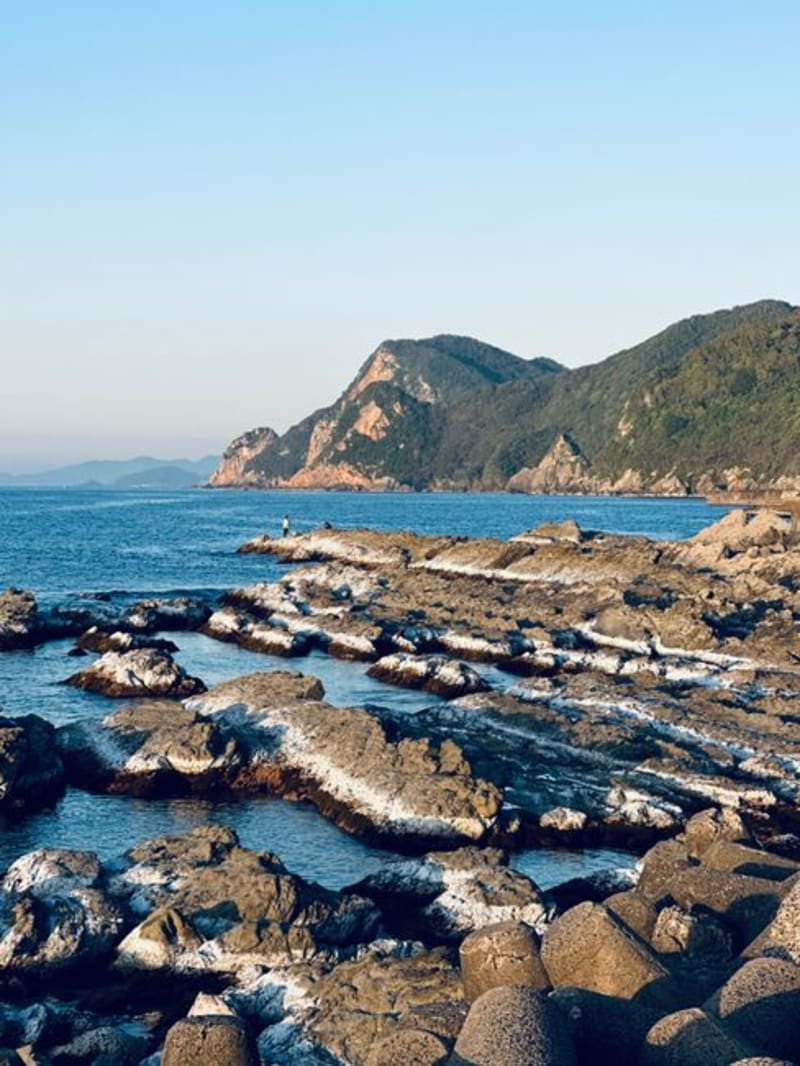
A Nagasaki island where Japan first met the West — Portuguese and Dutch traders, a hilltop castle, and churches that stand a stone's throw from Buddhist temples, holding four centuries of hidden Christian history. It is one of the strangest, most layered places we found in Kyushu.
Explore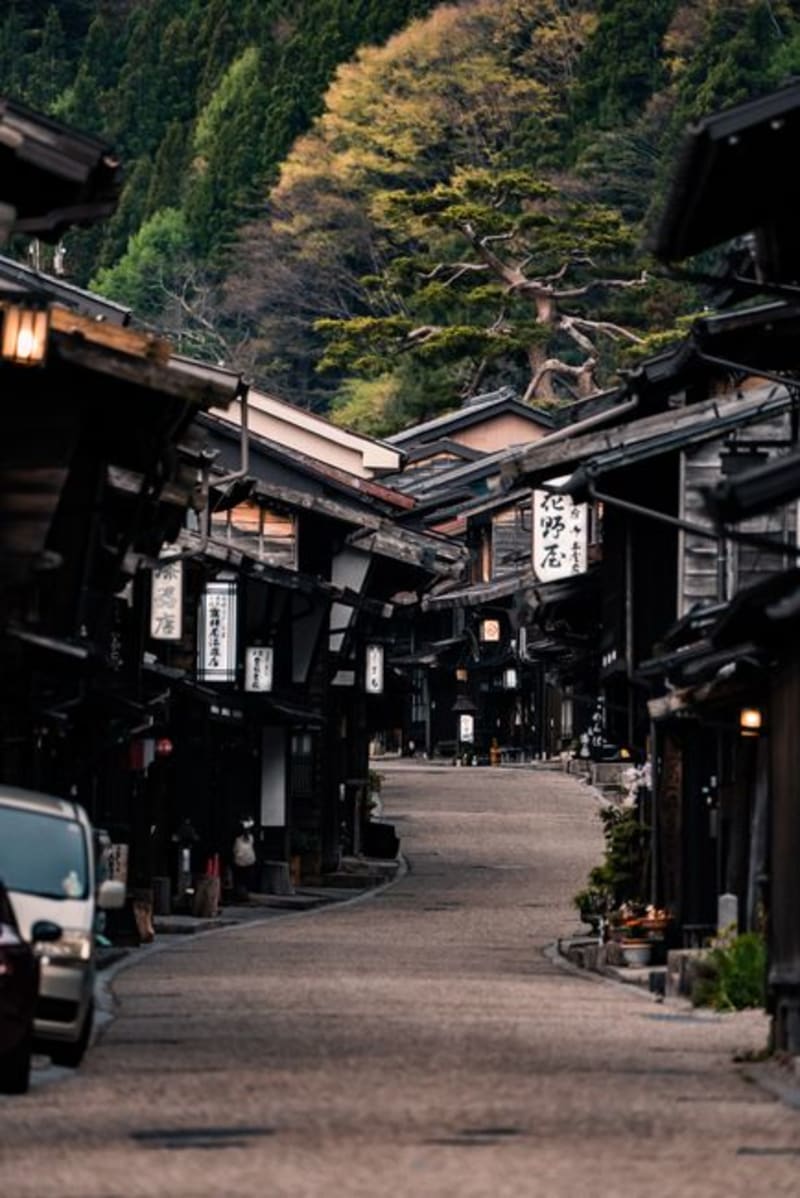 japan
japan Hita
An Ōita river town where a whole Edo-era merchant quarter still stands, its wooden shopfronts leaning over lanes that once made Hita rich enough to be governed directly by the shōgun. Come evening, the rivers fill with lantern-lit pleasure boats and the smell of grilled river fish.
Explore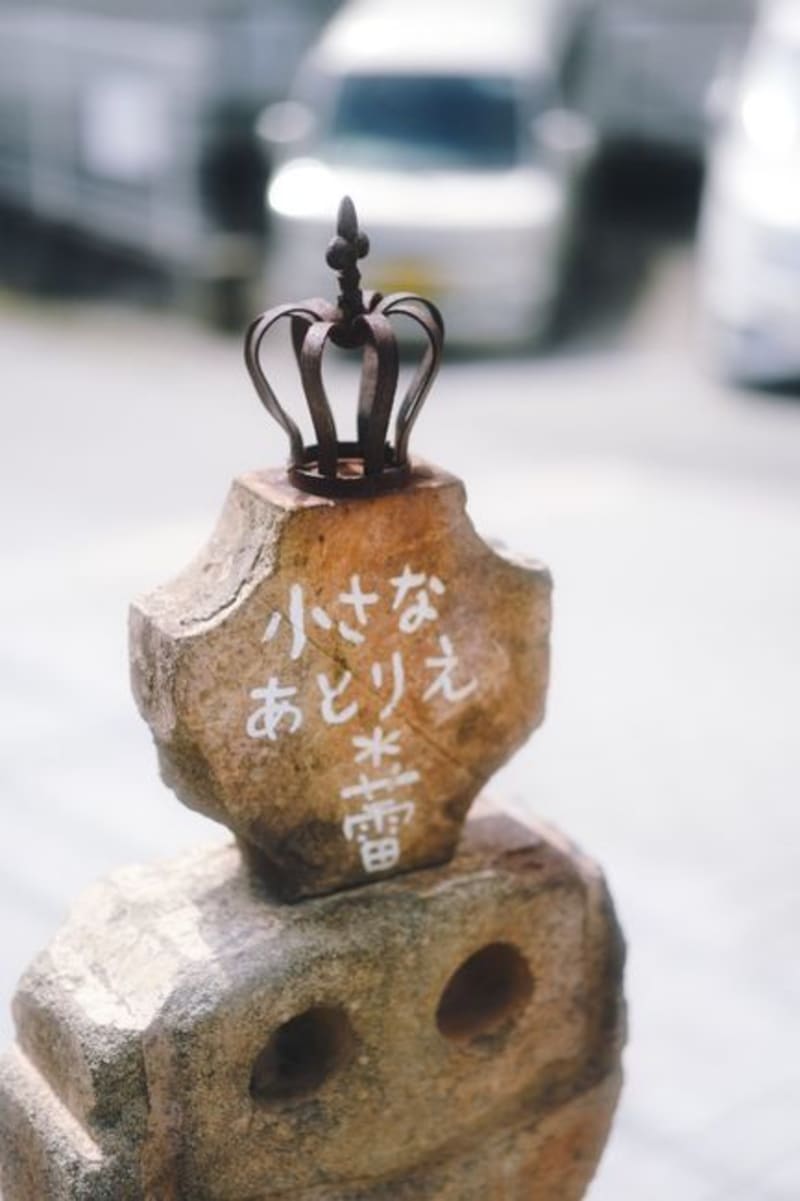 japan
japan Hitoyoshi
A castle town in a mountain valley along the Kuma River, one of Japan's three great rapid streams, ruled by the same clan for roughly seven centuries and home to Kuma shochu, a rice spirit with its own protected terroir.
Explore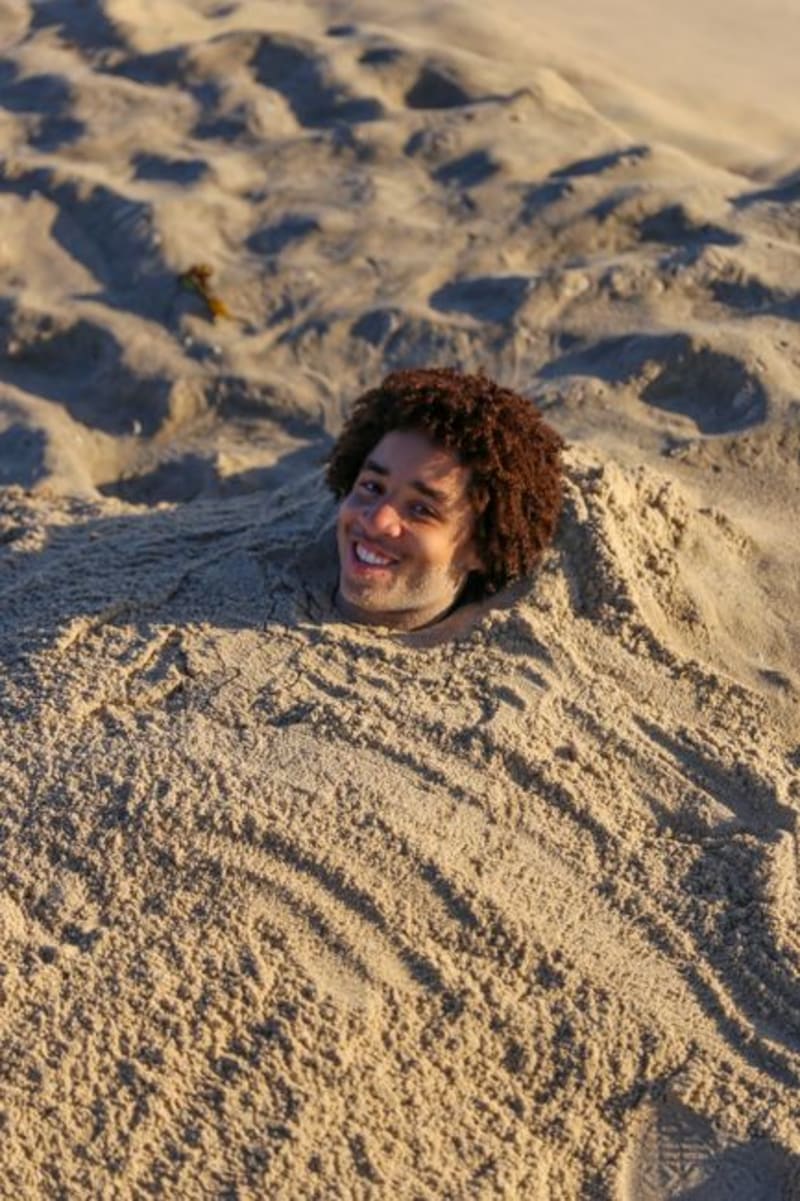 japan
japan Ibusuki
A hot-spring town at the southern tip of Kagoshima's Satsuma Peninsula, where the beach itself steams and you are buried to the neck in hot volcanic sand. Beyond it rises the near-perfect cone of Mount Kaimon, the Satsuma Fuji.
Explore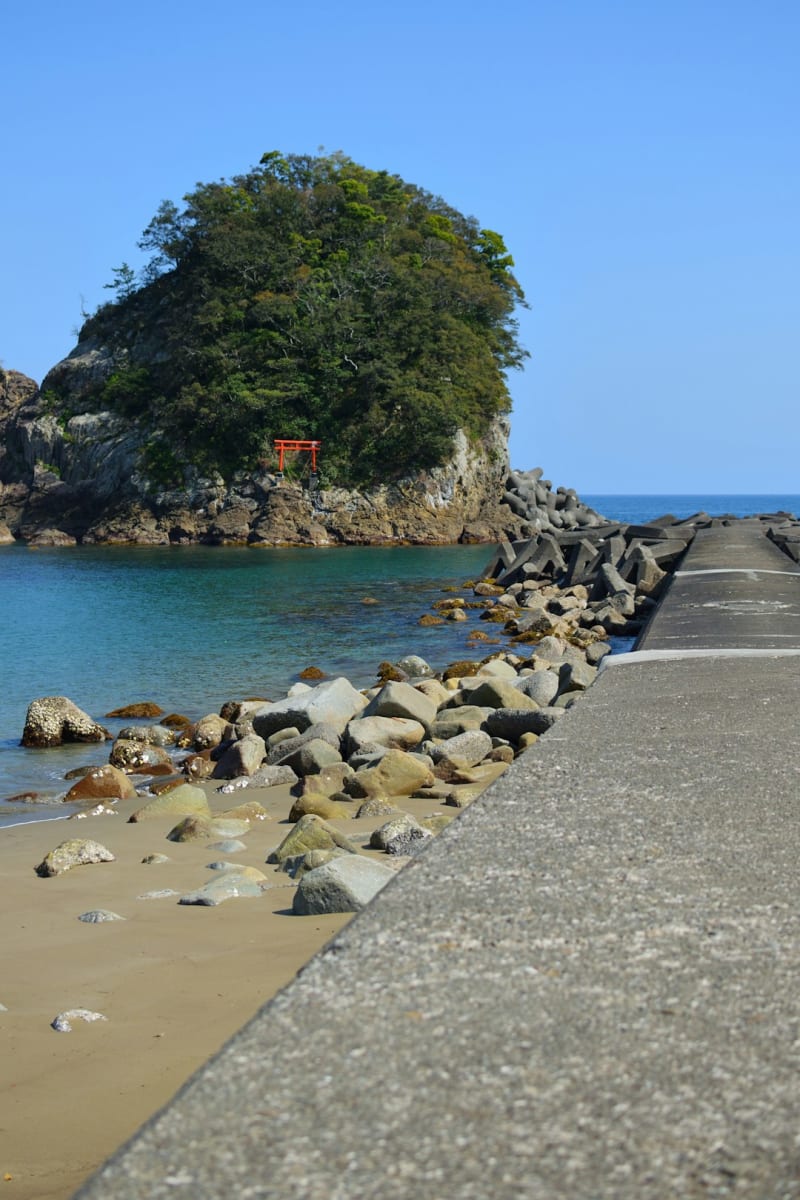 japan
japan Ie Island
Each spring roughly a million Easter lilies blanket this small Okinawan island for Japan's earliest lily festival, set against white sand and cobalt sea beneath the lone limestone peak locals call 'Tacchu.'
Explore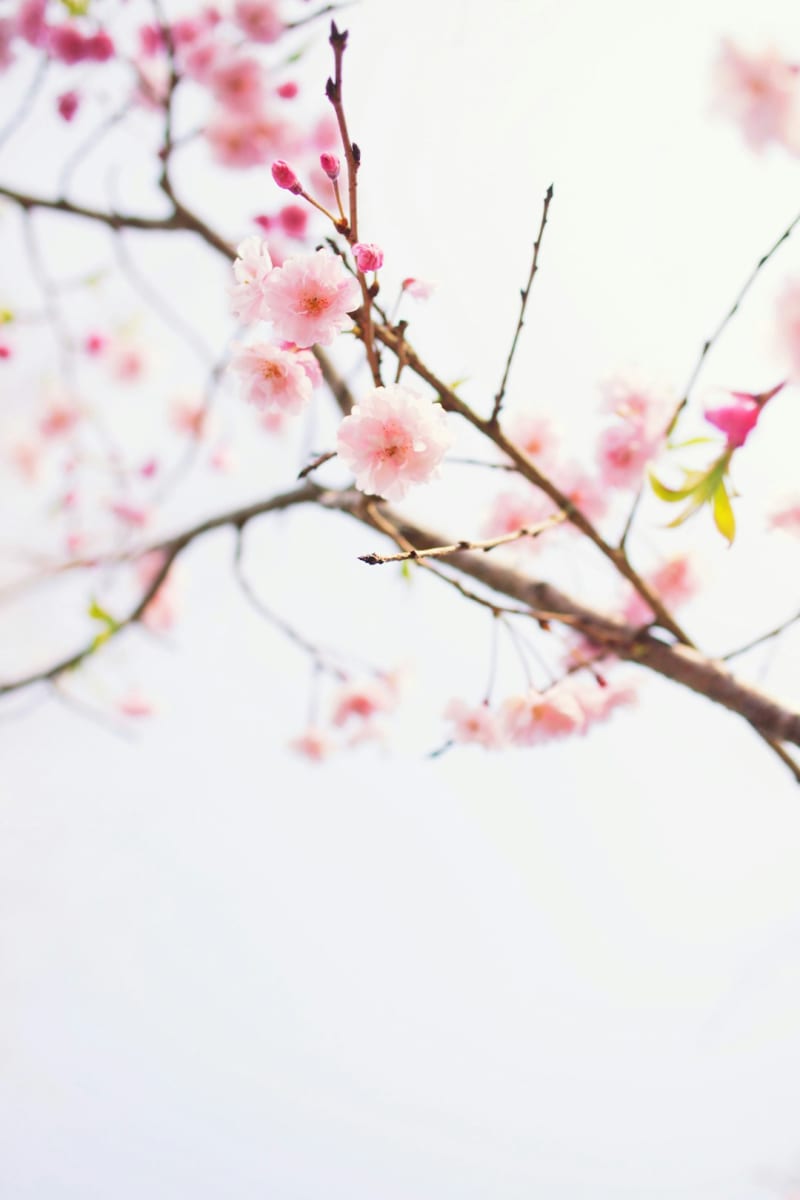 japan
japan Iki Island
Barley shochu was reportedly invented on this small island during the Edo period, a tradition now protected by a WTO Geographical Indication, alongside Jomon-era history and over a thousand Shinto shrines packed onto one compact coastline.
Explore