Sano
"We came for the noodles and left arguing about whether the outlet mall was the strangest part of the day."
A ramen-obsessed town north of Tokyo built around a distinctive hand-cut wrinkled noodle, oddly paired with a faux-colonial American-style outlet mall that draws its own separate crowd entirely.

Sano came up because Lia was chasing ramen, plain and simple. She keeps a mental list of regional noodle styles she’s determined to try in their hometowns rather than in some Tokyo imitation, and Sano’s wrinkled, handmade noodles had been on that list for a while. Neither of us realized, until we actually got there, that the town also has a second personality entirely unrelated to noodles, and that the two would sit side by side without any apparent awareness of each other.
The Wrinkled Noodle
Sano claims one of the highest concentrations of ramen shops per capita anywhere in Japan, and the local specialty is built around a hand-cut noodle with a distinctive wrinkled, irregular texture that clings differently to broth than the smoother noodles we’d had elsewhere. We ate at a small, unassuming shop a short walk from the station, recommended by our guesthouse owner with a seriousness that suggested we shouldn’t question it, and the noodles arrived in a clear, soy-based broth that let their texture do most of the work. Lia declared it immediately superior to any ramen we’d had in Tokyo, and spent the rest of the meal trying to articulate exactly why the wrinkles mattered so much to the mouthfeel. We ended up eating at two more shops before the day was over, purely in the name of research.

An American Town, Built From Scratch
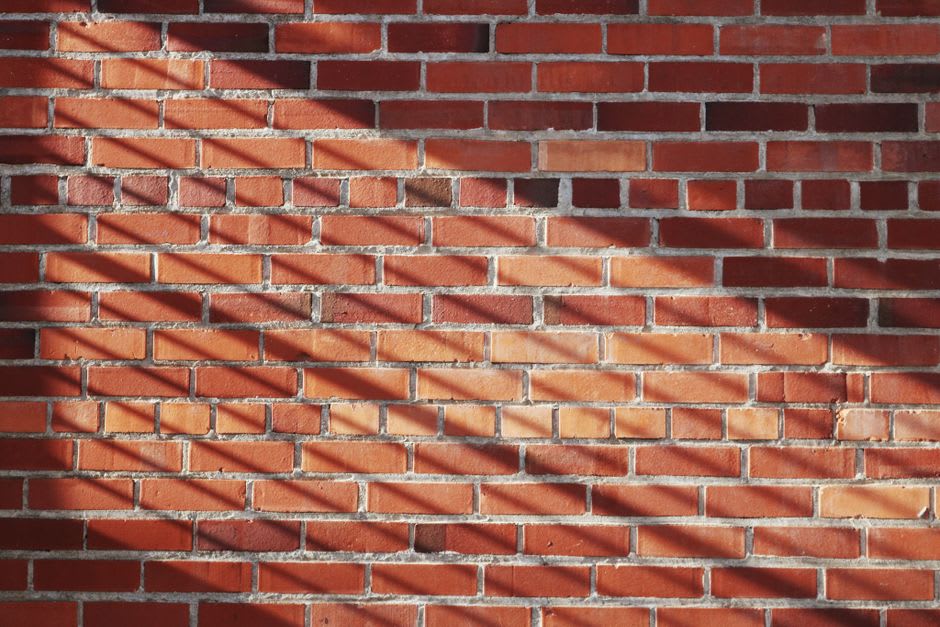
A short drive from the noodle shops sits Sano Premium Outlets, a shopping complex deliberately designed to resemble a small East Coast American town — brick facades, white-trimmed windows, faux town-square lampposts, the whole aesthetic imported wholesale and dropped into rural Tochigi. Walking from a genuinely old ramen counter into this constructed streetscape within the same afternoon gave the day a slightly surreal double-exposure quality. Lia found it fascinating rather than off-putting, wandering the “streets” comparing the architectural details to actual New England towns she remembered from a college trip, while I mostly just found the whole juxtaposition funny — diehard noodle culture on one side of town, faux-colonial retail on the other, with seemingly no overlap in clientele.
Between the Two Worlds
What we liked most, in the end, wasn’t either extreme but the ordinary town sitting quietly between them — a small shopping street with local grocers and a shrine tucked behind a row of houses, people going about an unremarkable Tuesday utterly unbothered by either the ramen fame or the outlet mall a few kilometers away. We spent an hour just walking those in-between streets, no particular destination in mind, which after the sensory whiplash of noodles and faux-Americana felt like exactly the right way to close out the day.
Getting There
Sano is served by Sano Station and Sano-Fujioka Station on the Tobu Sano Line, roughly seventy minutes from Asakusa in Tokyo with a direct or lightly connecting train. The ramen shops cluster mostly around the town center near the stations, while Sano Premium Outlets sits a bit further out and is best reached by the free shuttle bus that runs from the nearest station or by taxi. It’s an easy day trip, though it rewards arriving hungry and leaving room in your bag for outlet shopping on the way out.
Keep exploring
More of Kantō
Keep exploring
More from Kantō
 japan
japan Sawara
A Chiba 'Little Edo' where black-walled merchant houses lean over a willow-shaded canal still plied by wooden boats. Home to the great mapmaker Inō Tadataka and a thunderous float festival. Quietly nostalgic, and closer to Tokyo than its stillness suggests.
Explore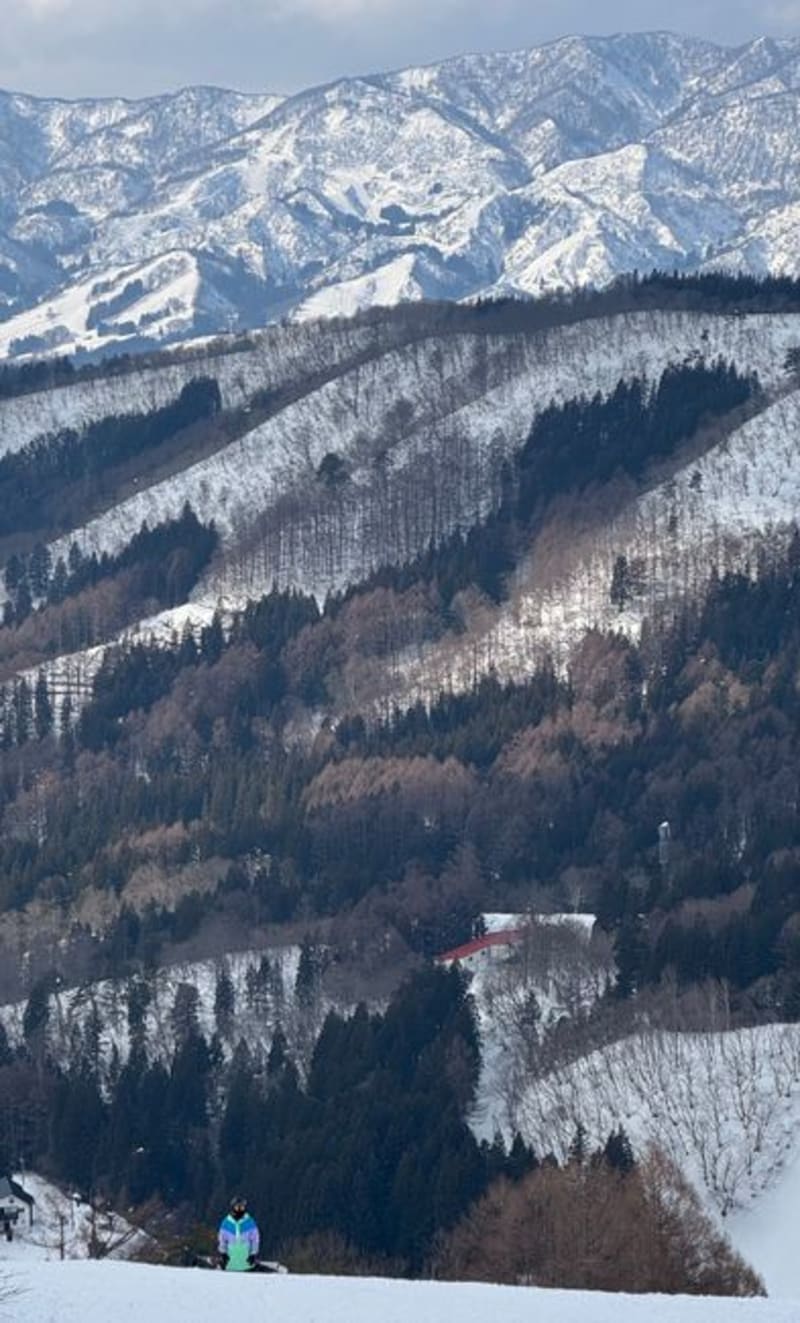 japan
japan Shima Onsen
A hushed hot-spring village strung along a river gorge deep in the Gunma mountains, where the water runs an unearthly blue-green and legend says it cures forty thousand ailments. Shima is the onsen you go to when you want to hear the river and nothing else.
Explore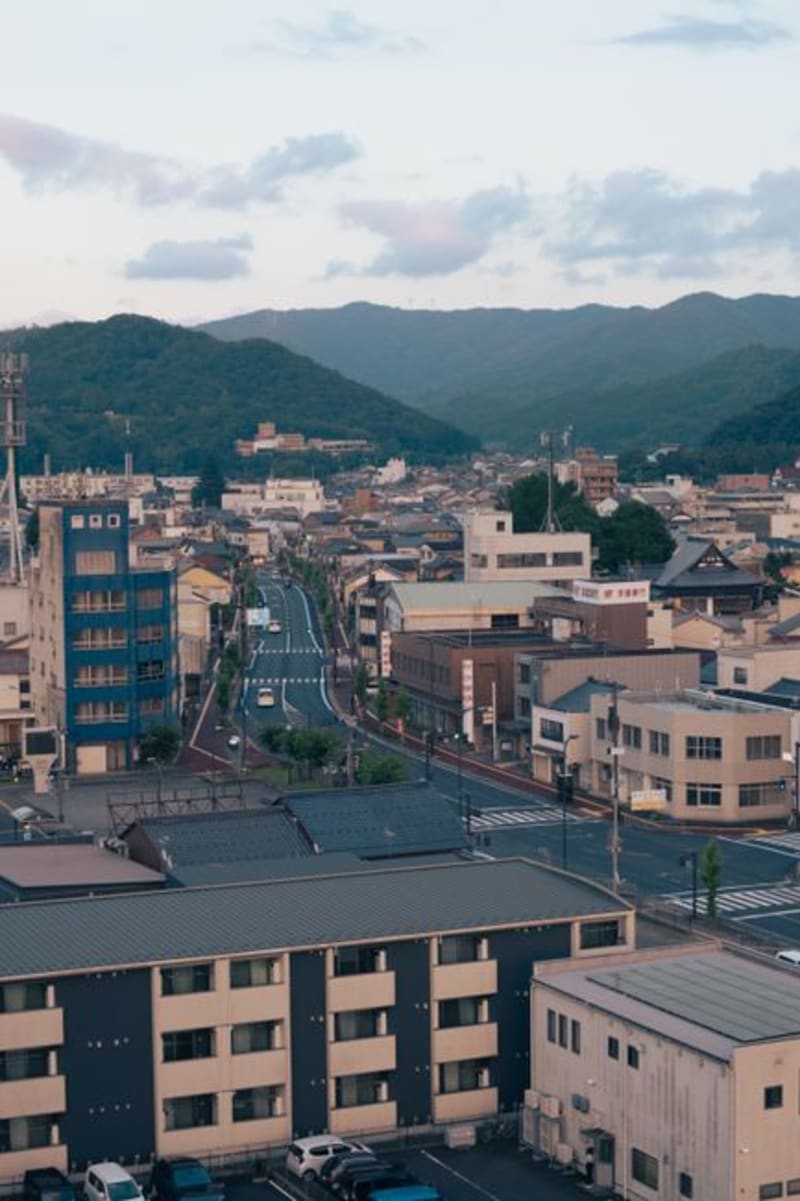 japan
japan Takasaki
A working Gunma city where most of Japan's red daruma dolls are born, one painted eye at a time. Beneath its unglamorous surface lies a quiet devotion to luck, patience, and the long game. Come for the daruma, stay for the ramen and the giant white Kannon watching over the hills.
Explore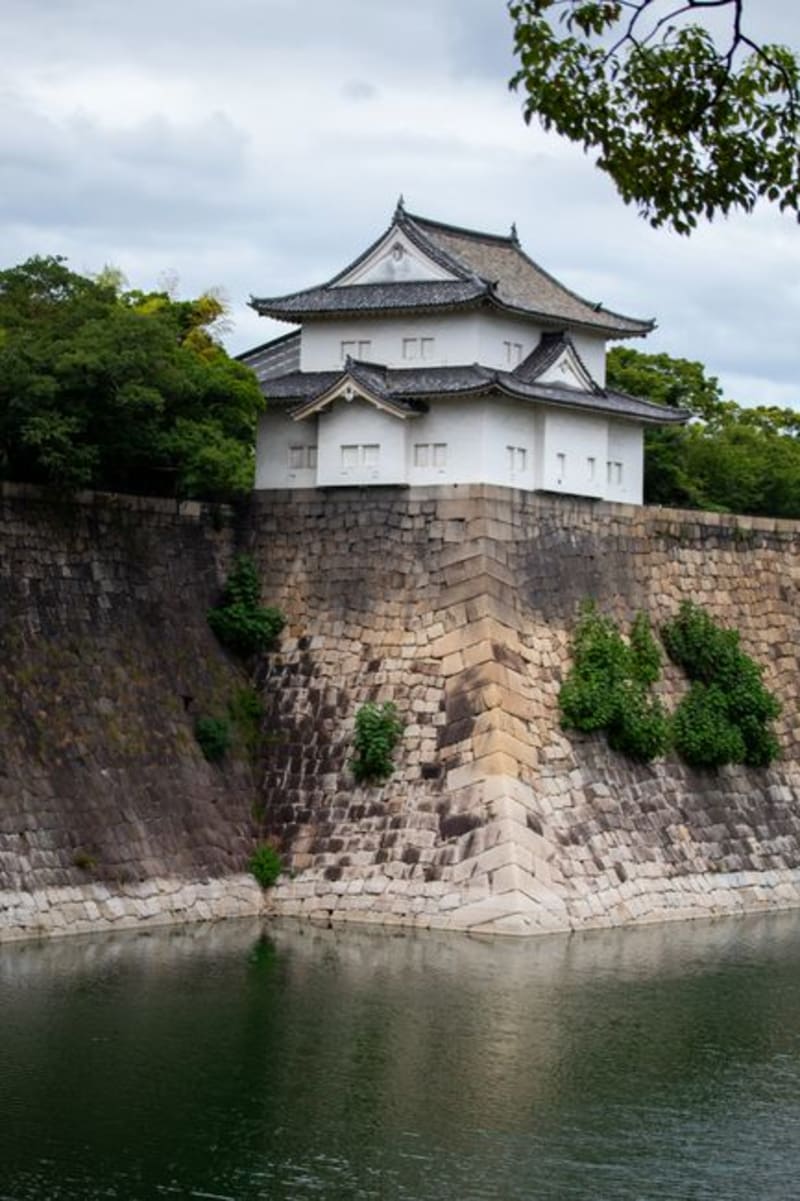 japan
japan Tateyama
A sunlit town at the very tip of the Bōsō Peninsula, where Chiba runs out of land into the mouth of Tokyo Bay. Warm beaches, a small hilltop castle keep, and on the clearest days a full view of Mount Fuji floating across the water. The southernmost, gentlest corner of Kantō.
Explore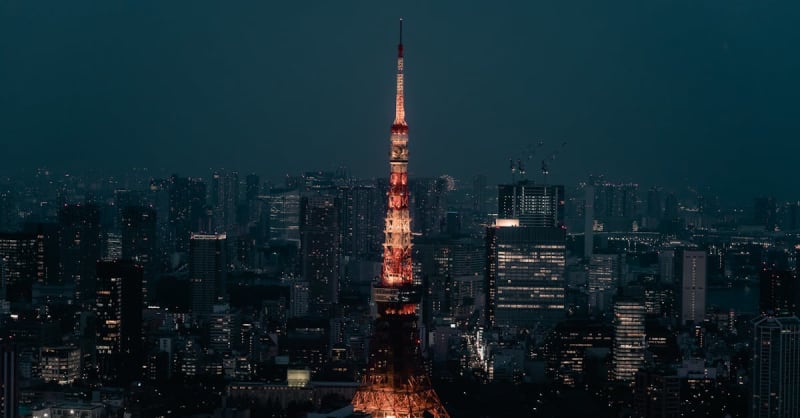 japan
japan Tokyo
A city that runs on precision, kindness, and the best street food on earth. Tokyo overwhelmed me — and then it made perfect sense.
Explore japan
japan Tomioka
A quiet Gunma town built around a red-brick silk mill that once dressed half the world. The Tomioka Silk Mill is a UNESCO monument to the moment Japan chose to modernise, and to the young women whose fingers made it happen. It's a place about thread, and about everything thread can pull along behind it.
Explore