A quiet Gunma town built around a red-brick silk mill that once dressed half the world. The Tomioka Silk Mill is a UNESCO monument to the moment Japan chose to modernise, and to the young women whose fingers made it happen. It's a place about thread, and about everything thread can pull along behind it.

I did not expect to be moved by a factory. Lia had pencilled Tomioka in because she likes textiles and I’d agreed the way you agree to things you assume you’ll tolerate. Then we walked into the long brick weaving hall — cold light through tall windows, the machines hushed under dust — and something in the size and stillness of it caught me. A whole country’s future once ran through a room this quiet. We stayed far longer than we’d planned.
The Mill That Changed a Country
The Tomioka Silk Mill opened in 1872, when Japan, freshly reopened to the world, needed hard currency and had one thing the West wanted badly: silk. They brought in a French engineer, Paul Brunat, laid the bricks in a Japanese-Western hybrid style, and imported iron machinery from Lyon. For decades this mill and the ones it spawned made silk Japan’s great export, financing the whole rush into the modern age. Walking the reeling hall, you see the logic laid bare — rows of basins where cocoons were softened, threads found, wound onto reels. It’s beautiful in a severe, industrial way, and it’s astonishingly intact. The Meiji government’s gamble, frozen in brick and glass.

The Women Who Worked Here
What stayed with me, though, were the workers. The first spinners were young women, many from samurai families fallen on hard times, sent here to learn French reeling methods so they could carry the knowledge back to mills all over Japan. One of them, Wada Ei, kept a diary that survives — homesick, proud, exacting. The dormitories still stand. Lia read aloud a translated passage about the girls’ twelve-hour days, their rare holidays, the strange dignity of being at the centre of something enormous while barely more than a teenager. I kept thinking about how history usually remembers the engineer and forgets the hands. Here, for once, the hands have names.

Cocoons, Thread, and Lunch
Silk still has a hold on this town. We wandered the old main street afterward and found small shops selling silk scarves, soap, even snacks dusted with silk-protein powder, which we tried out of pure curiosity and could not tell apart from ordinary sweets. Lia bought a length of raw silk thread, undyed, the colour of weak tea, just to have held something the place still makes. For lunch we ate a local specialty — a plate of pork and rice, unglamorous and enormous — in a little diner where the owner recognised us as the foreigners who’d been at the mill all morning. He seemed genuinely pleased anyone still came. “It’s important,” he said, or Lia thinks he said. It is.
Getting There
Tomioka sits in southwestern Gunma, and the simplest route is the Joshin Dentetsu line from Takasaki — a slow, single-carriage local train that rattles through farmland to Joshu-Tomioka station, about forty minutes. From the station it’s a flat ten-minute walk to the mill, well signposted, through the old town. Takasaki itself is under an hour from Tokyo by Shinkansen, so Tomioka works beautifully as a day trip, or as a half-day paired with Takasaki’s daruma temple. Buy your mill ticket at the gate; the English audio guide is worth it. Go on a weekday if you can — the quiet is the whole point.
Keep exploring
More of Kantō
Keep exploring
More from Kantō
 japan
japan Takasaki
A working Gunma city where most of Japan's red daruma dolls are born, one painted eye at a time. Beneath its unglamorous surface lies a quiet devotion to luck, patience, and the long game. Come for the daruma, stay for the ramen and the giant white Kannon watching over the hills.
Explore japan
japan Mount Haruna
A collapsed Gunma volcano cradling a still crater lake and a shrine older than most nations. Lia and I climbed here for the quiet and found something stranger — a place where the mountain itself seems to be watching. The kind of stillness that makes you lower your voice.
Explore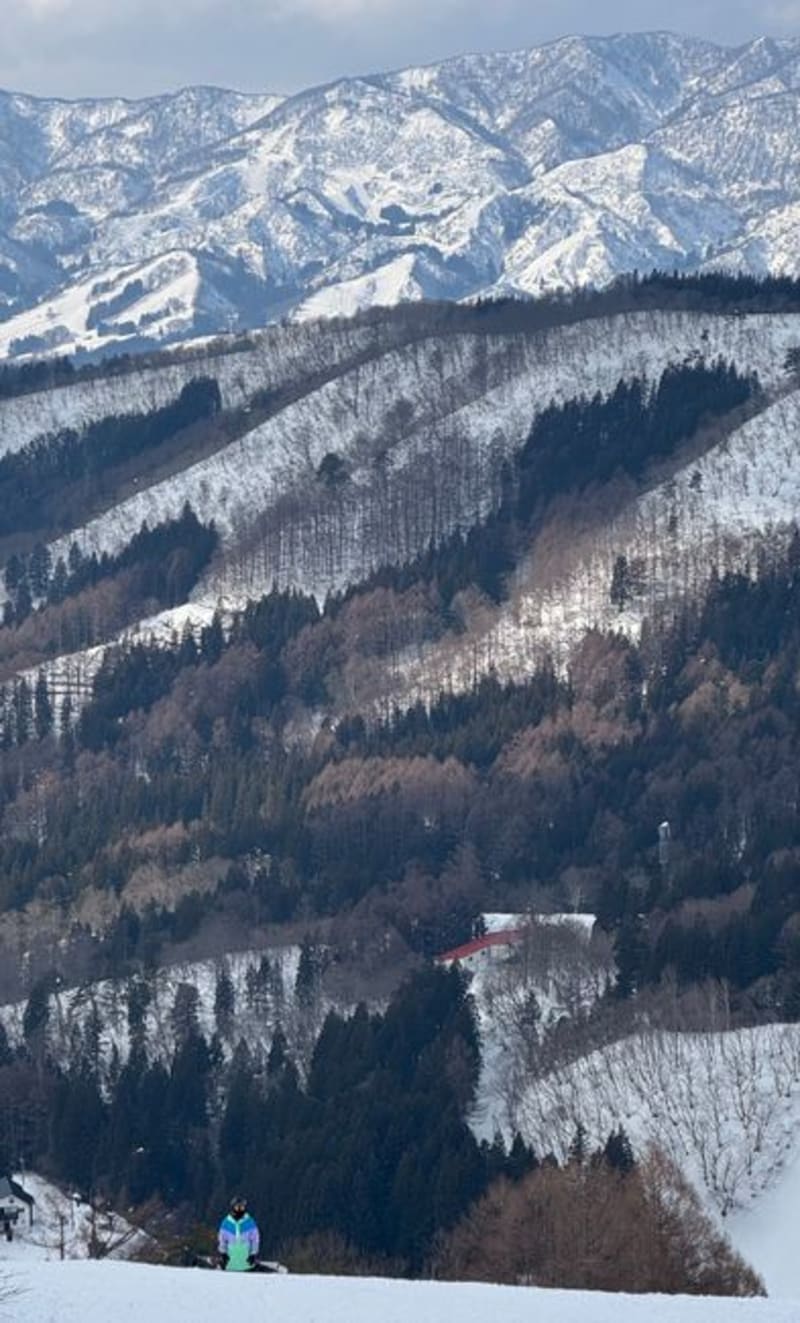 japan
japan Ikaho Onsen
A hot-spring town built up the side of a Gunma mountain around a single, famous stone stairway of 365 steps, lined with bathhouses, game halls, and steam rising into the cedar dusk. Ikaho is old-fashioned onsen Japan at its most atmospheric.
Explore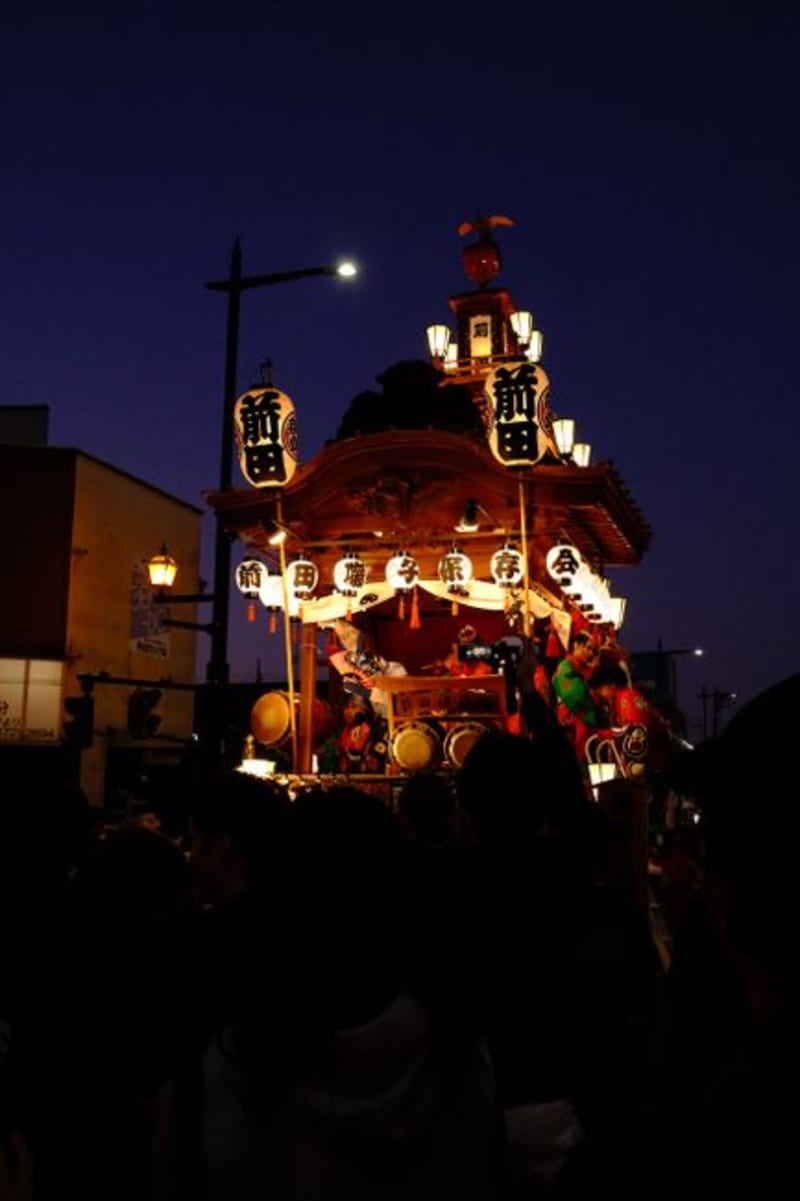 japan
japan Chichibu
A mountain-ringed basin in western Saitama, close to Tokyo and yet somehow overlooked — a district of old shrines and river valleys, of pilgrim temples and pink hills of moss phlox, and of one December night when floats hung with lanterns are hauled up a hill under fireworks.
Explore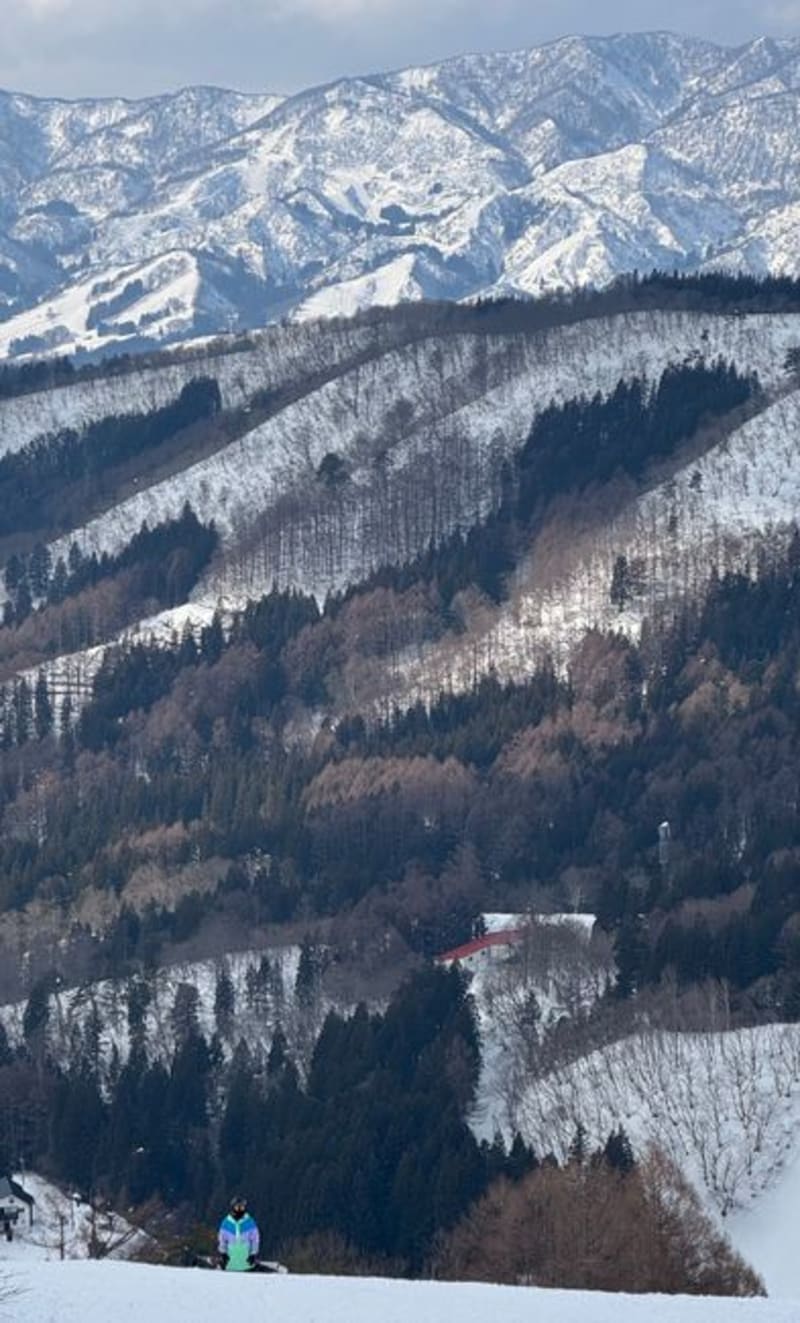 japan
japan Shima Onsen
A hushed hot-spring village strung along a river gorge deep in the Gunma mountains, where the water runs an unearthly blue-green and legend says it cures forty thousand ailments. Shima is the onsen you go to when you want to hear the river and nothing else.
Explore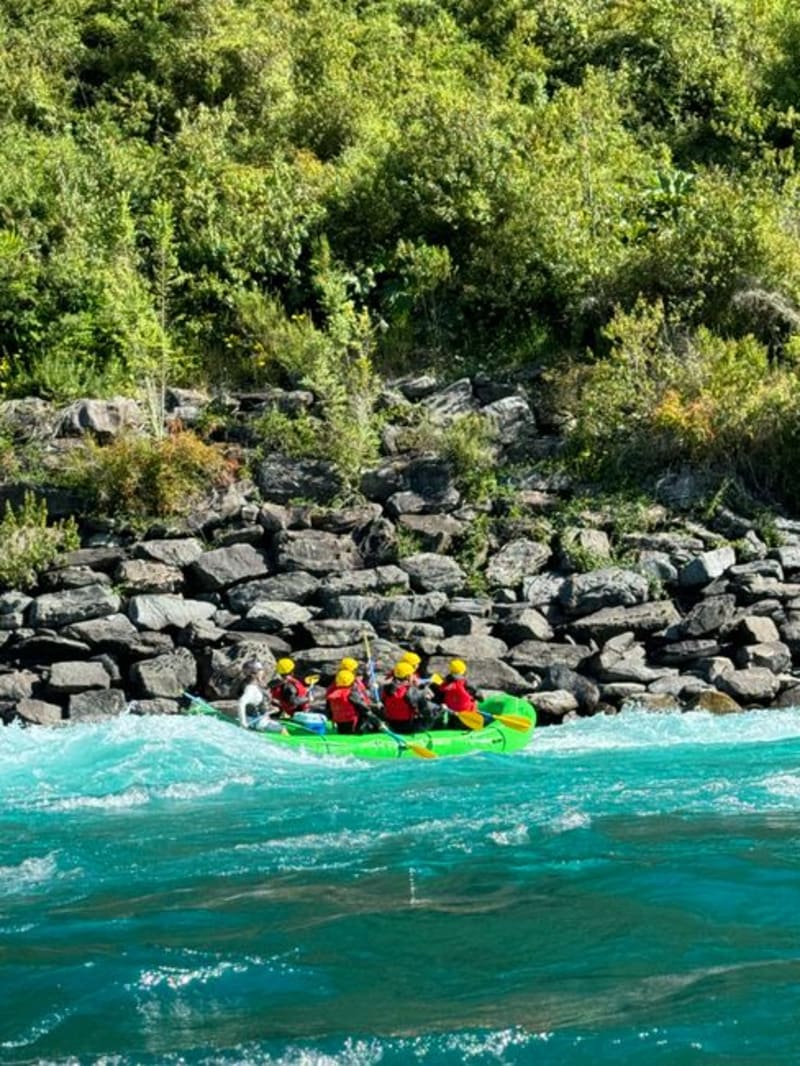 japan
japan Minakami
A mountain hot-spring town in northern Gunma where the upper Tone river tears out of the peaks and adventure outfitters share the valley with old wooden onsen. In summer you raft; in winter the snow falls in metres and you sink into steaming water with white all around.
Explore