Tateyama
"Fuji came out across the water while we ate, and neither of us mentioned it, afraid to break it."
A sunlit town at the very tip of the Bōsō Peninsula, where Chiba runs out of land into the mouth of Tokyo Bay. Warm beaches, a small hilltop castle keep, and on the clearest days a full view of Mount Fuji floating across the water. The southernmost, gentlest corner of Kantō.

The thing nobody tells you about Tateyama is how warm it is. Lia and I went down in early spring, still in coats when we left Tokyo, and by the time we walked out of the little station the coats were over our arms and the light had that soft, salt-washed brightness you get at the end of a peninsula, where the sea wraps around three sides of you. This is the very bottom of the Bōsō, the point where Chiba simply runs out of land. It felt like a town that had decided, long ago, not to hurry, and we caught the mood within an hour.
The Castle and the View
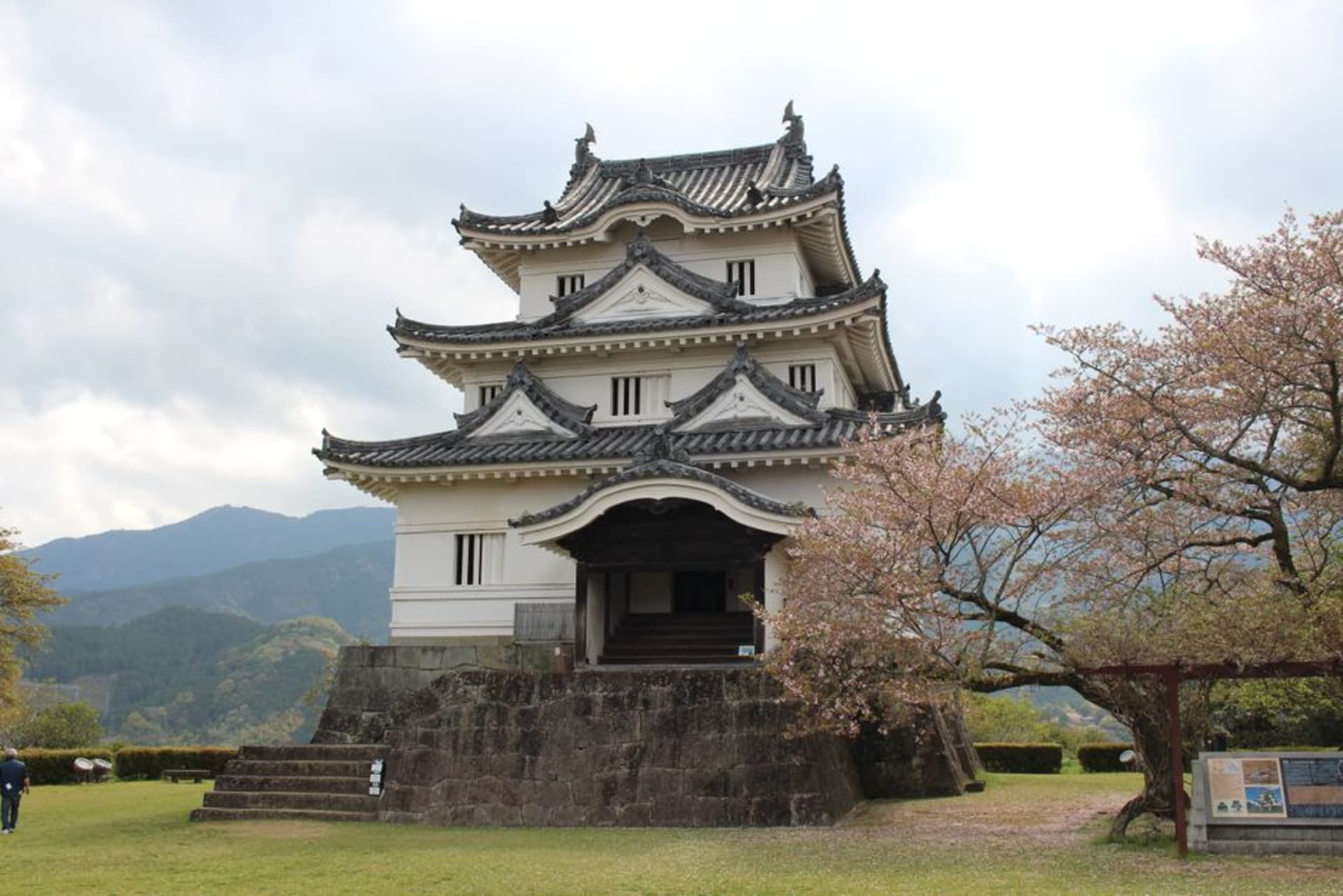
Tateyama’s small white keep sits on a green hill just back from the shore — Tateyama Castle, a modest reconstruction that houses a museum about the Satomi clan and the swashbuckling epic they inspired. It is not a grand fortress, and I mean that as praise. We climbed the short path through the hillside park, cherry trees just breaking into bud, and came out onto the top balcony a little breathless.
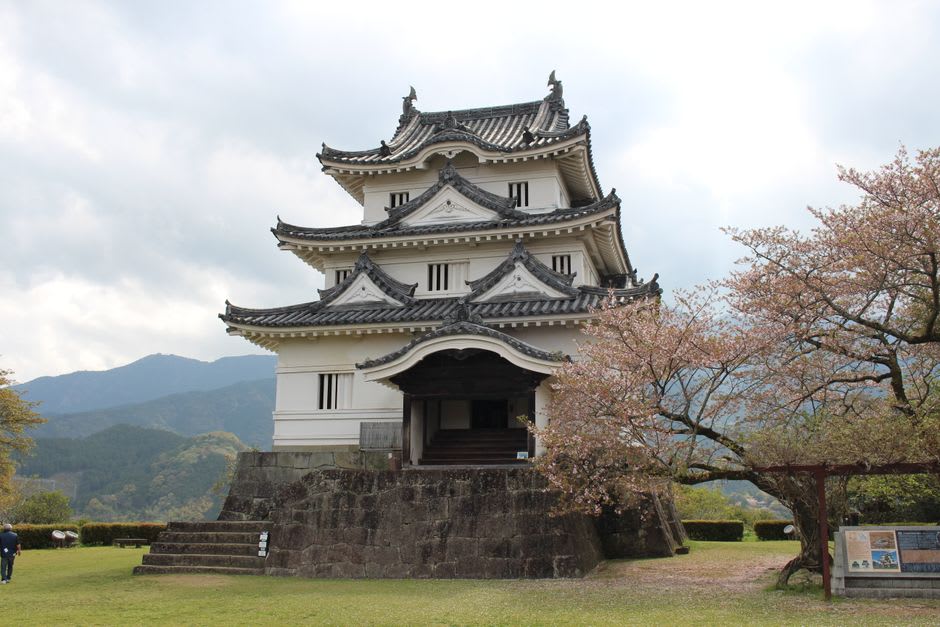
From up there the whole southern coast unrolls — the curve of the bay, the fishing harbours, the flat blue reach of open water where the Pacific and Tokyo Bay meet. On a clear day Mount Fuji stands right across the water to the west, and we were lucky: it came out of the haze while we lingered, pale and improbable, and Lia gripped my sleeve. We stayed until a caretaker gently suggested closing time.
Beaches at the End of the Land
Down from the castle, the coast is one long invitation to do nothing. Kitajō Beach and the sands around Okinoshima are wide, calm, and often nearly empty on a weekday — the water here is warmed by the Kuroshio current, and the peninsula’s mild climate means people swim into autumn. Okinoshima itself is a tiny wooded island joined to the shore by a sandbar you can walk across, ringed by tidepools and shells.

We waded across at low tide and spent an afternoon turning over rocks in the tidepools like children, finding hermit crabs and one indignant little octopus that shot away in a cloud. The island is a designated natural monument, thick with subtropical plants that shouldn’t really grow this far north. There is no development, no noise — just the sandbar, the birds, and the sea coming in slowly to cut you off if you dawdle. We dawdled.
Fish and the Slow Evening
Tateyama is a fishing town at heart, and it eats like one. We had lunch at a harbourside place near Nako where the day’s catch was chalked on a board and the sashimi came in a heap, cold and sweet — local aji, sea bream, a slab of tuna. In the south of the peninsula they also do a warming fisherman’s dish called namerō, minced raw horse mackerel pounded with miso and ginger, and I could have eaten it by the bowl.

We ate slowly, watching the boats, and Fuji reappeared across the bay as the light went golden — and neither of us mentioned it, afraid to break the moment by naming it. That is Tateyama’s particular gift: it hands you these enormous, quiet views and then leaves you completely alone with them. For a place two hours from the largest city on earth, it is astonishingly unbothered.
Getting There
Tateyama lies at the far southern tip of the Bōsō Peninsula in Chiba, on the Tokyo Bay side. Limited-express trains run direct from Tokyo Station down the Uchibō Line to Tateyama Station in a little under two hours; local trains take longer and cost less. There are also highway buses from Tokyo, and — the most scenic option — a ferry across the mouth of the bay from Kurihama near Yokosuka to Kanaya, from where it’s a short hop down the coast. The town center is walkable, but the beaches and Okinoshima reward a rental car or the local bus.
Keep exploring
More of Kantō
Keep exploring
More from Kantō
 japan
japan Kamogawa
A Chiba town strung along the open Pacific, where surfers wait on grey dawn swells, a famous aquarium keeps orcas, and terraced sea-rice paddies fall in green steps toward the water. Close enough to Tokyo to be a day's escape, far enough to feel like the coast has finally opened up.
Explore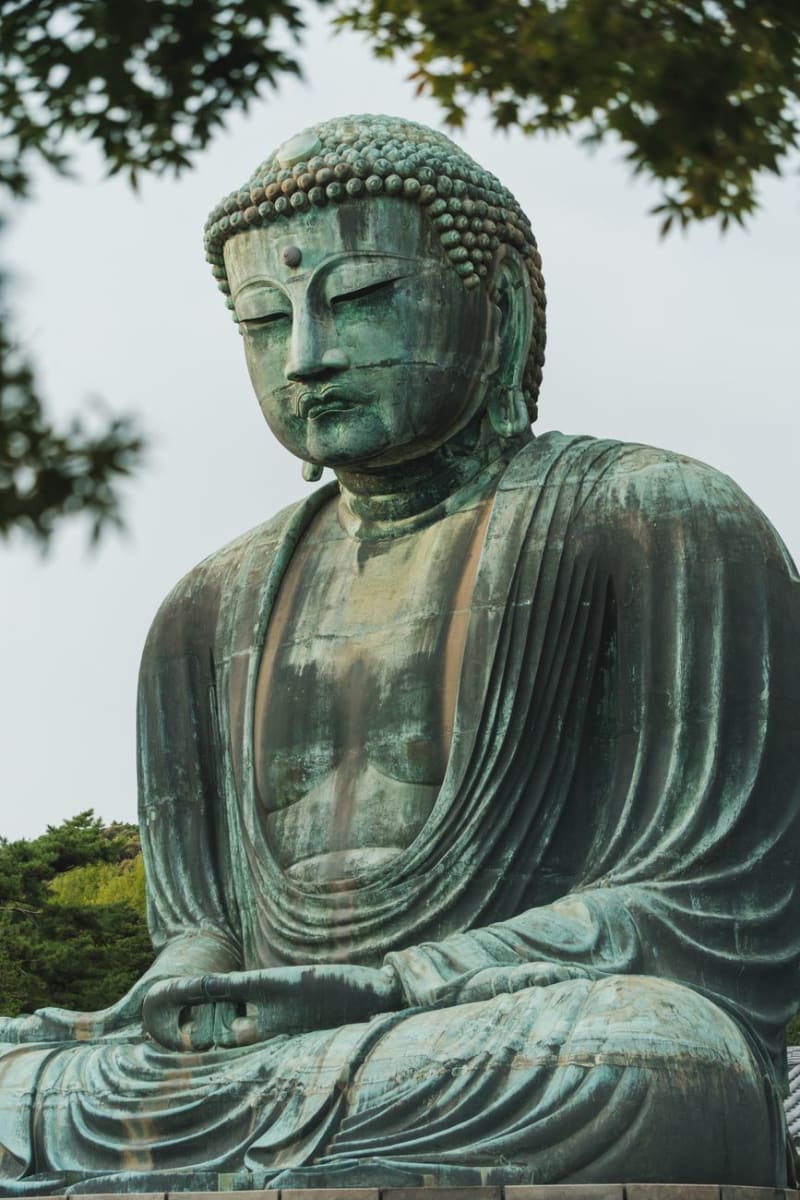 japan
japan Kamakura
A seaside temple town an hour from Tokyo, where a giant bronze Buddha sits open to the sky and the hills behind hide some of Japan's quietest shrines.
Explore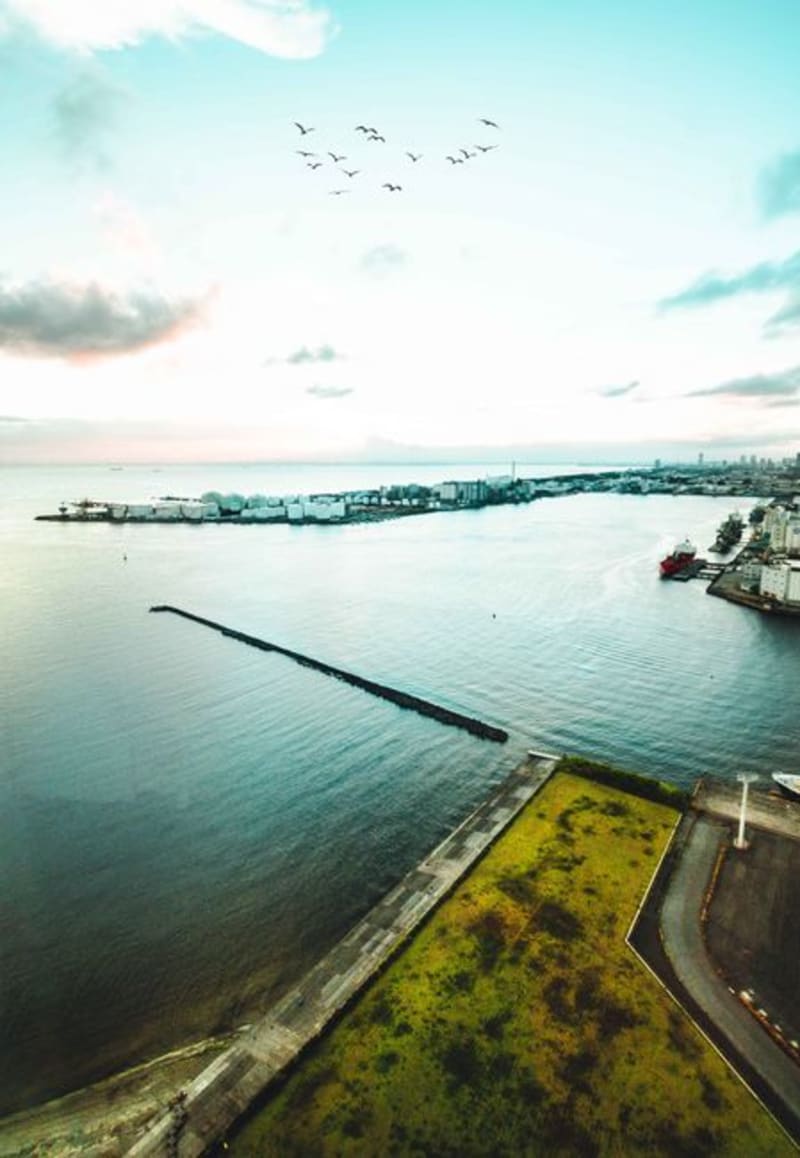 japan
japan Katsuura
A weather-softened fishing town on the Pacific side of Chiba, home to one of Japan's three oldest morning markets, going strong for more than four centuries. Grandmothers selling seaweed off blue tarps, a coastline of tide pools, and tuna hauled in fresh enough to shame the city. Slow, salt-stained, and utterly unbothered by trends.
Explore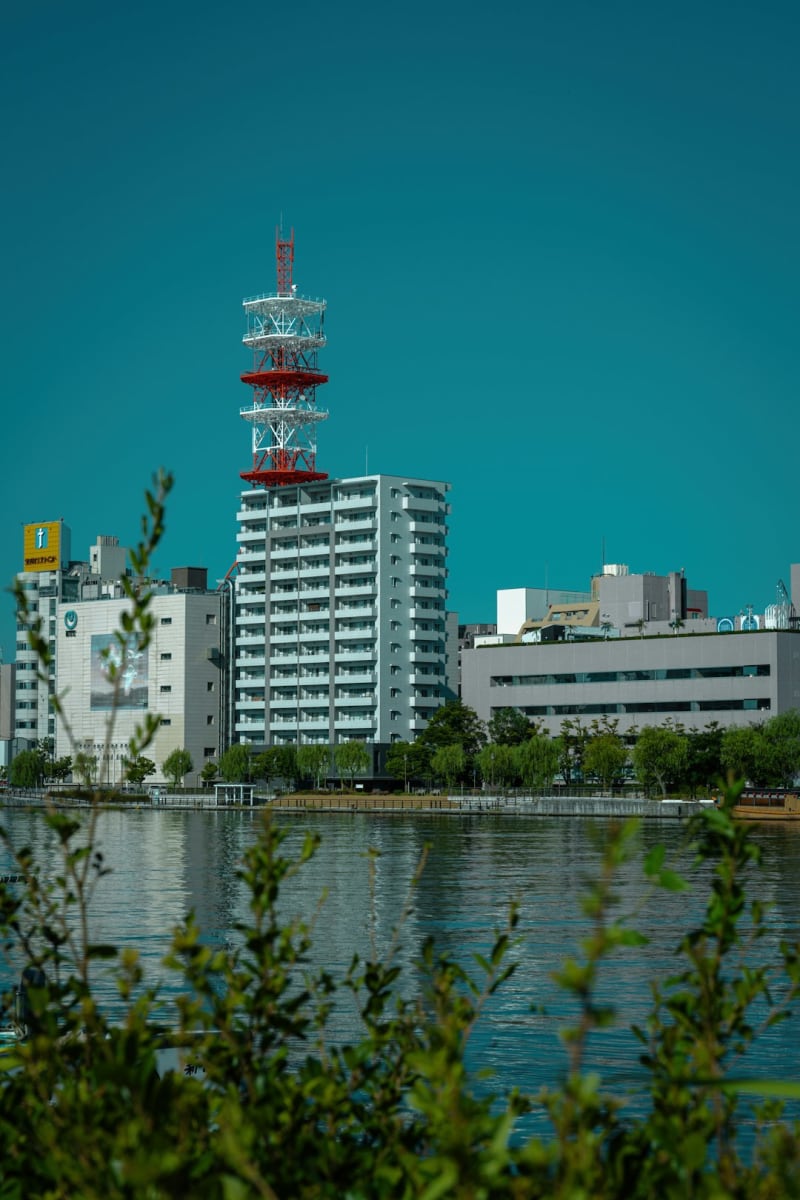 japan
japan Enoshima
A small shrine-crowned island off the Shōnan coast near Kamakura, reached by a long low bridge over the sea. Sea caves at its far tip, Mount Fuji across the water on a clear evening, and the salt-and-grilled-squid smell of a Japanese seaside afternoon.
Explore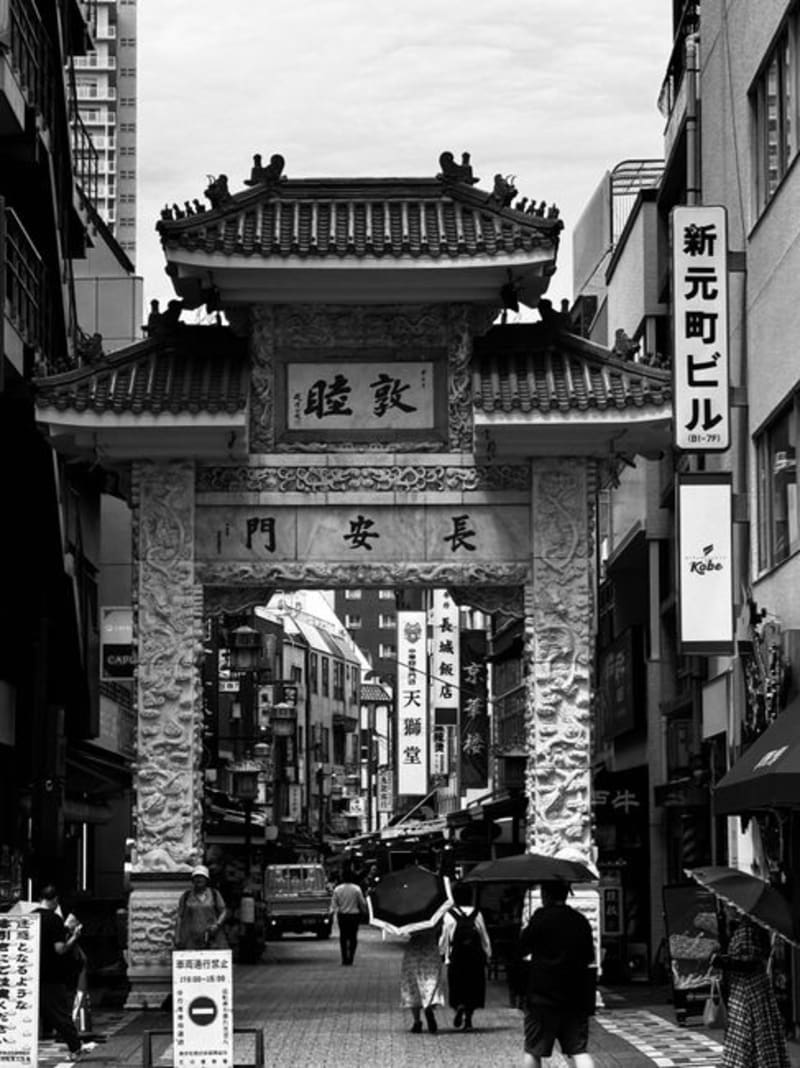 japan
japan Yokohama
Japan's great cosmopolitan port, a half-hour from Tokyo yet entirely its own. A futuristic waterfront, the country's largest Chinatown, red-brick warehouses, and an easy sea breeze.
Explore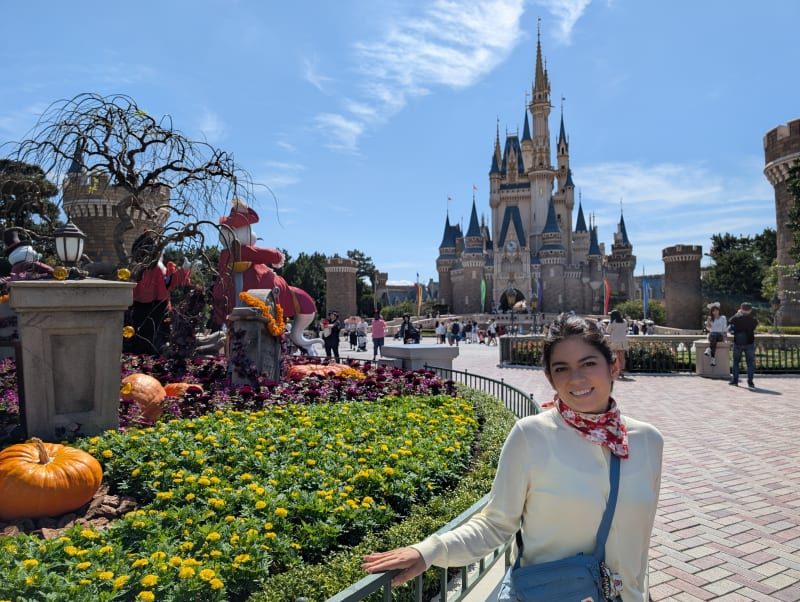 japan
japan Disney Tokyo
Disneyland and DisneySea — theme parks elevated to art by Japanese precision, obsessive detail, and a sincerity that makes cynicism impossible.
Explore