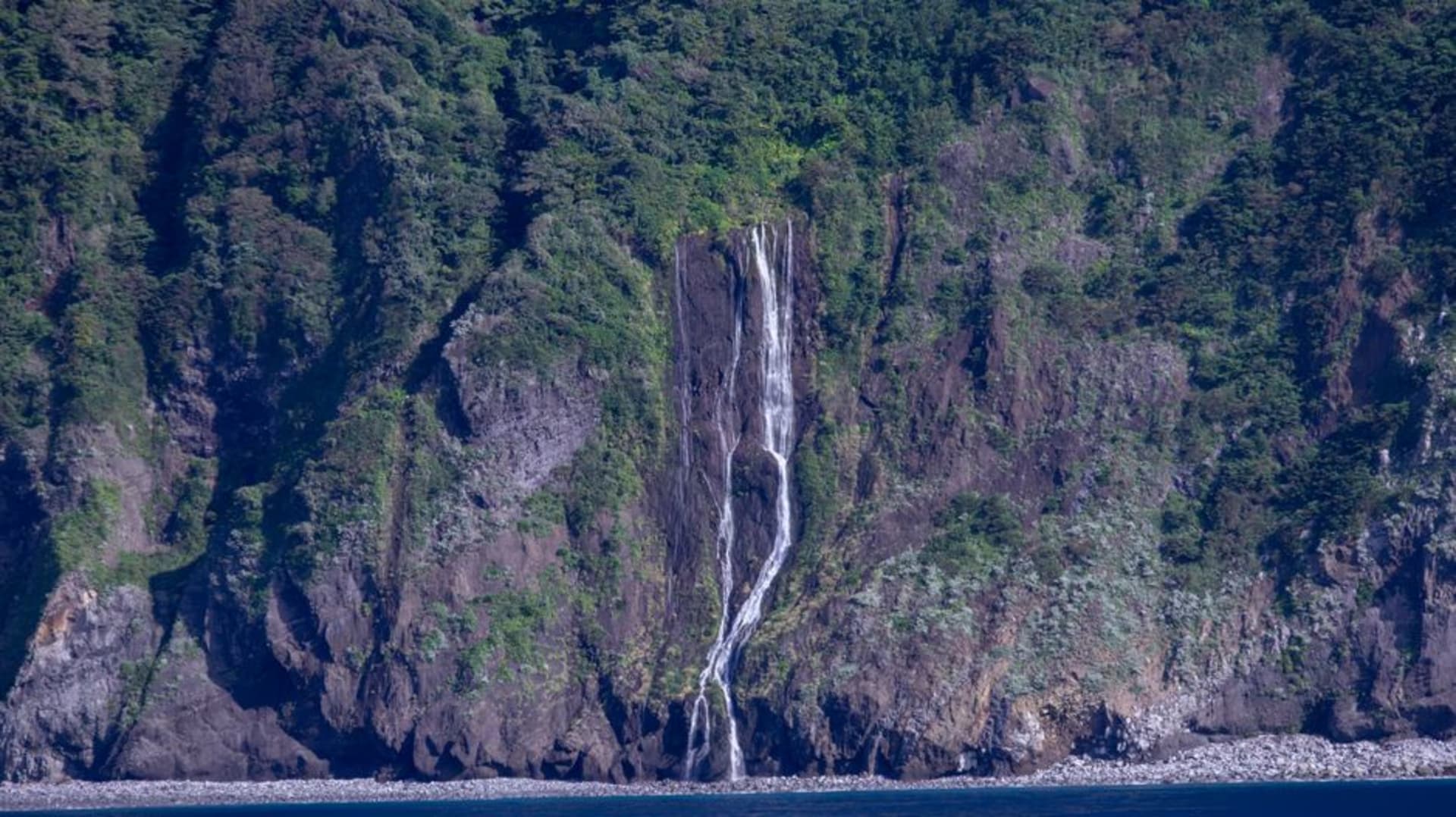
Hachijojima
"It smelled like the worst thing I'd ever put near my face, and then I tasted it, and changed my mind."
A subtropical, gourd-shaped island far out in the Philippine Sea that's still technically part of Tokyo, known for glowing mushrooms in its forests and kusaya, a fermented dried fish famous for smelling far worse than it tastes.

By the time we booked our flight to Hachijojima, we’d already done the closer Tokyo islands, and Lia wanted to go further — literally to the edge of what still counted as the city. Hachijojima sits so far out in the Philippine Sea that it feels absurd to call it Tokyo at all, and yet there we were, an hour’s flight from Haneda, stepping off the plane into air that was distinctly warmer and thicker than anything back in the capital.
Two Volcanoes, One Island
The island’s nickname, Hyotan-jima, means “gourd island,” and it’s exactly as literal as it sounds: two volcanic cones, Mount Mihara and Mount Hachijo-Fuji, grew up separately and eventually fused into a single pinched landmass shaped like a gourd. We drove the coast road that traces the narrow waist between them, green slopes rising steeply on either side, and it genuinely felt like being on two small islands stitched together rather than one. Climbing partway up Hachijo-Fuji’s crater rim, the subtropical vegetation gave way to something closer to alpine grassland near the top, and Lia kept stopping to point out how different the light felt from the mainland — thinner clouds, a harder blue.

Mushrooms That Glow
We hadn’t planned on this at all — a guesthouse owner mentioned it almost casually over dinner, that the island’s damp subtropical forests are home to several of Japan’s known species of bioluminescent mushroom, and that on a dark, humid night you can sometimes find them glowing faintly on rotting wood. We went out after dinner with a borrowed flashlight we mostly kept off, eyes adjusting slowly to the dark understory, and after twenty minutes of stumbling around Lia crouched by a fallen log and went completely silent. A cluster of tiny mushrooms was glowing there, pale green, unmistakably alive with light. It’s a small, quiet kind of magic that most visitors to Japan never even hear is possible.

Kusaya, Bravely Attempted
Kusaya is dried fish fermented in a centuries-old brine, and its name translates, unambiguously, to “stinky.” We’d been warned by nearly everyone we met on the island before we actually tried it, and the warnings were fair — the smell hits you well before the plate does, somewhere between old cheese and low tide. But grilled and eaten with a cold beer, it turned out to be genuinely good: salty, dense, savory in a way that made the smell feel like a strange kind of false advertising. Lia, braver than me about food in general, finished her piece before I’d worked up the nerve to take a second bite of mine.

Getting There
Hachijojima is most easily reached by a roughly one-hour flight from Haneda Airport in Tokyo, which makes it far more accessible than its remote feel would suggest; an overnight ferry from Takeshiba Pier is the slower alternative for those who prefer to sail. A rental car is the practical way to get around once you’re there, since the island’s sights are spread along a coast road that loops both volcanic halves. The subtropical climate means weather can turn quickly, so it’s worth building some flexibility into an itinerary rather than planning every hour in advance.
Keep exploring
More of Kantō
Keep exploring
More from Kantō
 japan
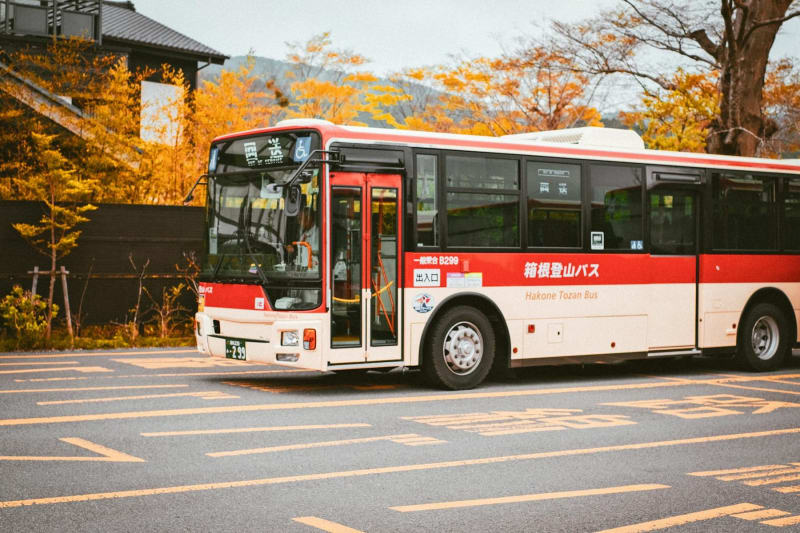
japan Hakone
Volcanic hot-spring town offering the clearest views of Fuji across the caldera lake.
Explore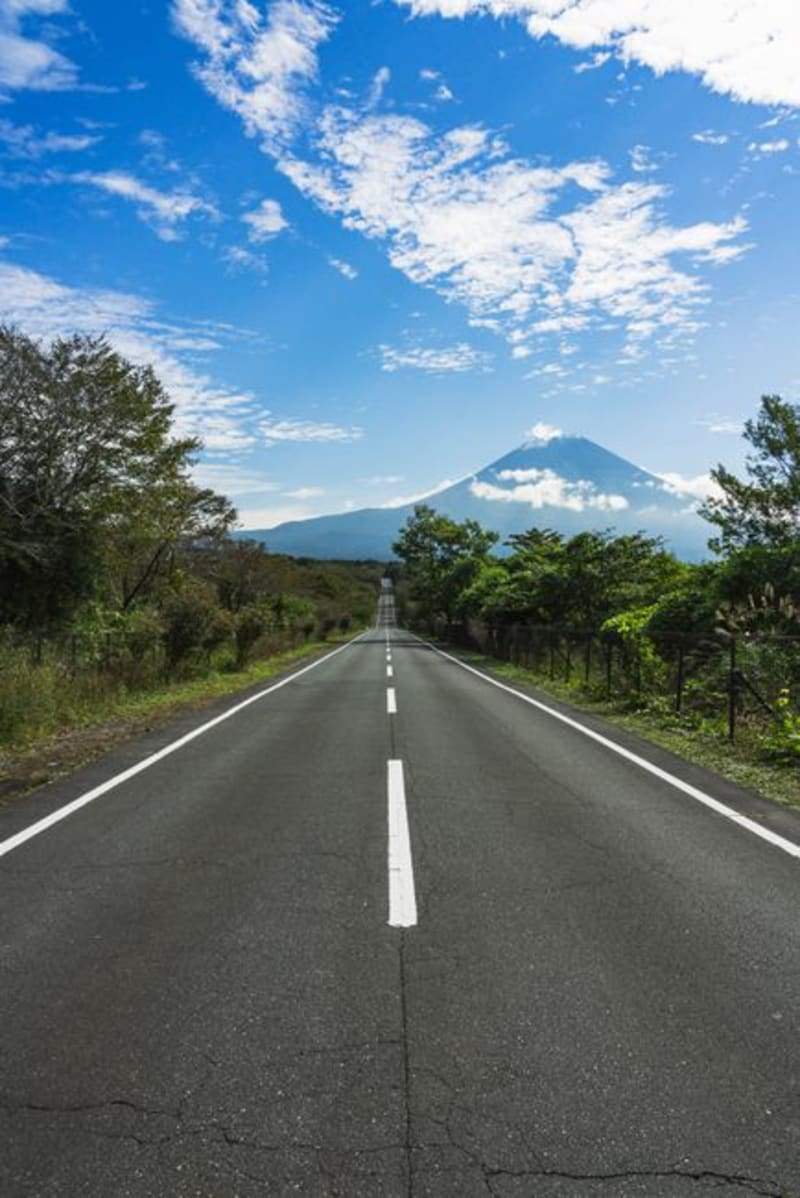 japan
japan Mount Haruna
A collapsed Gunma volcano cradling a still crater lake and a shrine older than most nations. Lia and I climbed here for the quiet and found something stranger — a place where the mountain itself seems to be watching. The kind of stillness that makes you lower your voice.
Explore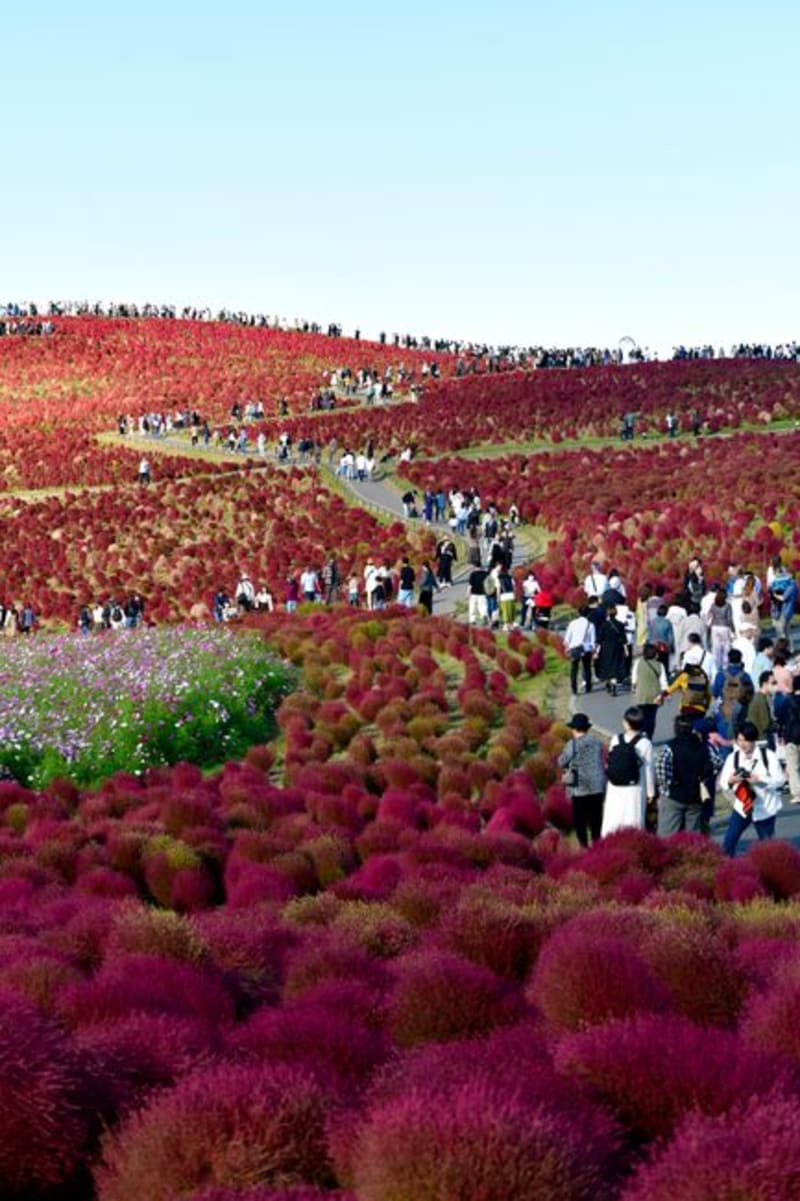 japan
japan Hitachi Seaside Park
A vast coastal park on the Ibaraki shore where, for a few weeks each spring, a whole hill turns sky-blue with millions of nemophila — and in autumn the same slope burns crimson with round bushes of kochia. One of the most photographed places in Japan, and for once the photographs undersell it.
Explore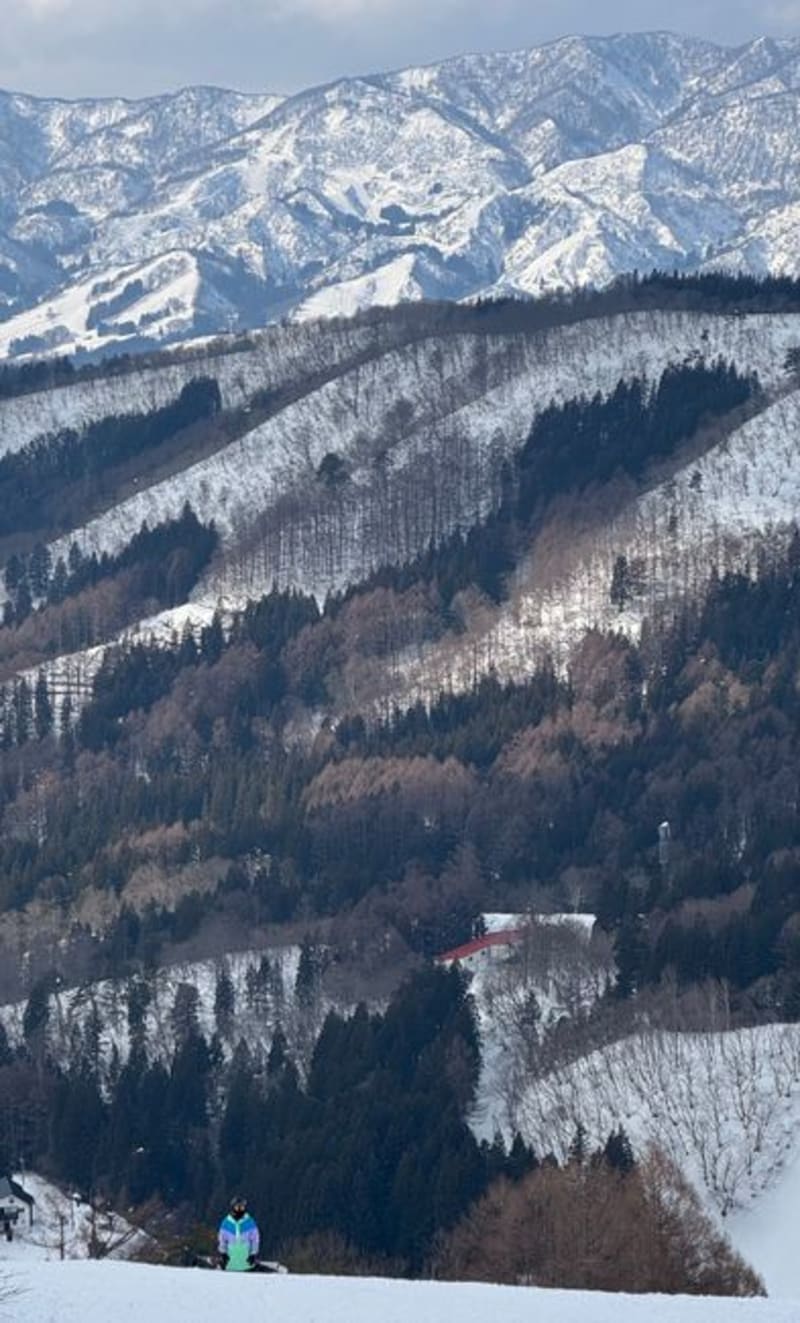 japan
japan Ikaho Onsen
A hot-spring town built up the side of a Gunma mountain around a single, famous stone stairway of 365 steps, lined with bathhouses, game halls, and steam rising into the cedar dusk. Ikaho is old-fashioned onsen Japan at its most atmospheric.
Explore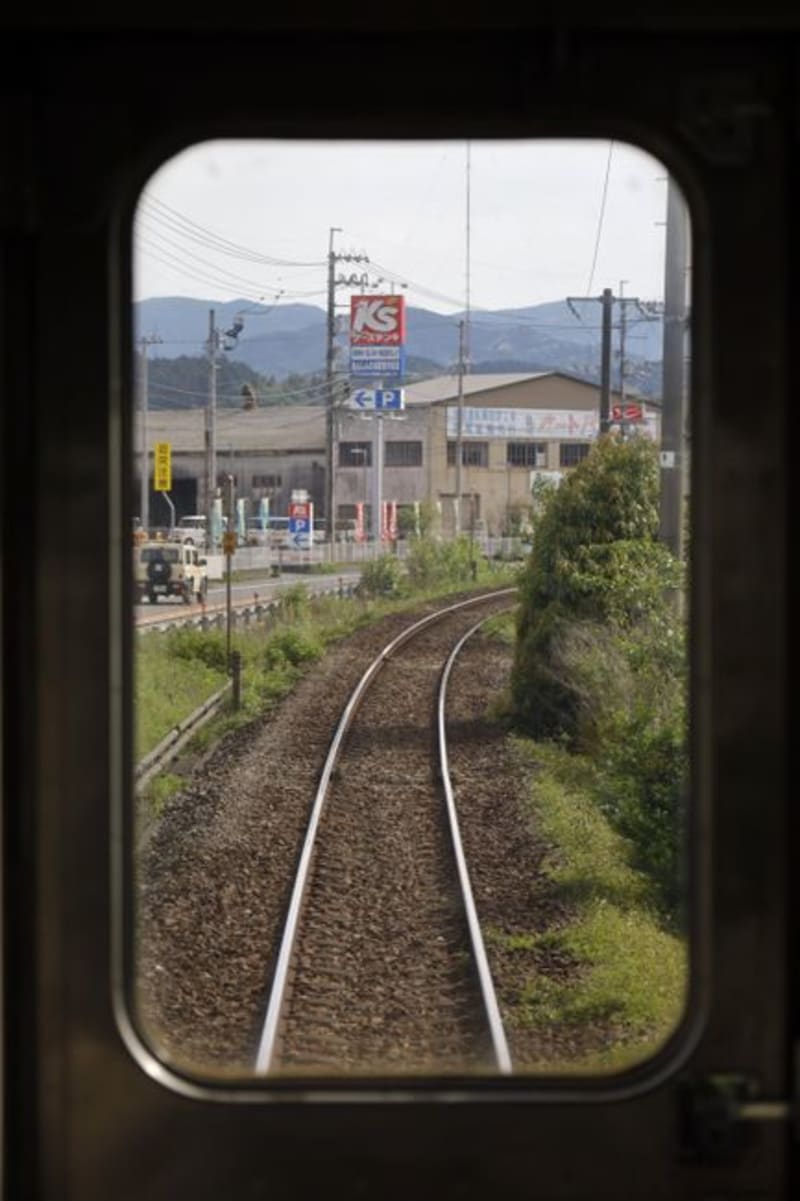 japan
japan Isumi Railway
A slow, nearly empty branch line in rural Chiba where a canary-yellow single-car 'Moomin train' runs past fields of rapeseed blazing yellow each March, timed to overlap with the region's cherry blossoms.
Explore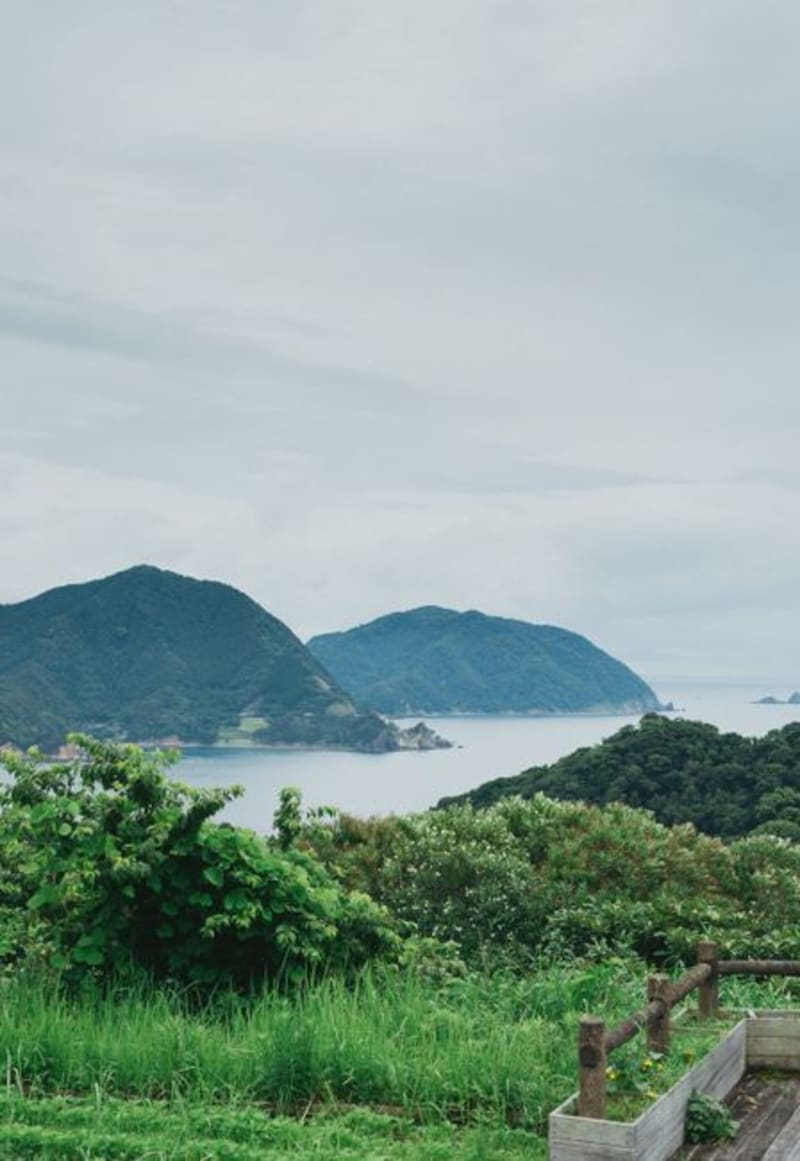 japan
japan Izu Oshima
A volcanic island still technically part of Tokyo, dominated by the active Mount Mihara and a black-sand 'moon desert,' where millions of camellia blossoms feed a century-old hair-oil trade every winter.
Explore