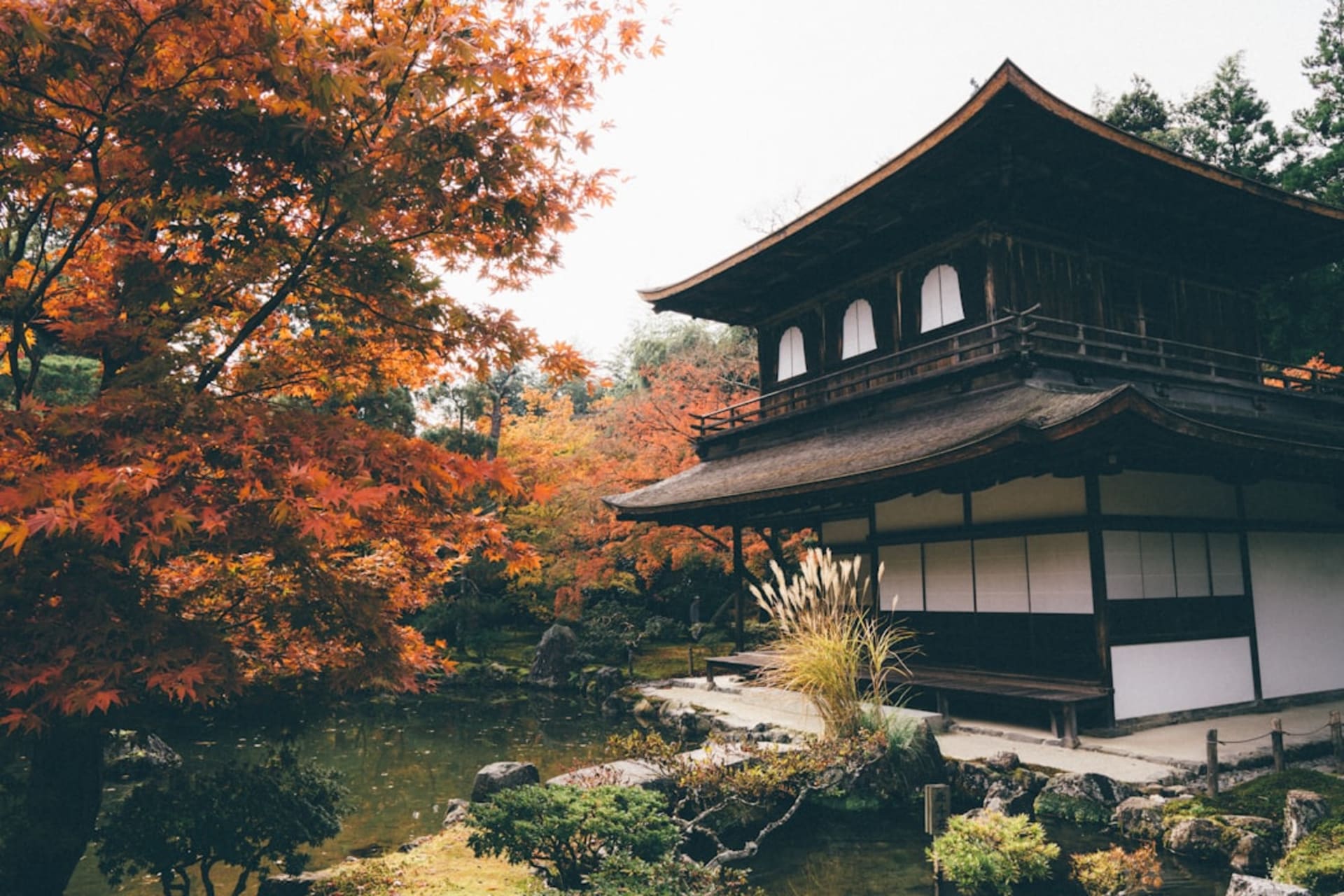
Toyotomi Onsen
"It smells like nothing I expected from a hot spring, Lia said, and somehow that made her trust it more."
Japan's northernmost hot spring, opened in 1926 and drawn from an old oil and natural-gas field, its bathwater genuinely carrying a thin sheen of crude that visitors with eczema and psoriasis travel here specifically to soak in.

I’ll be honest that the first thing I read about Toyotomi Onsen made me hesitate rather than pack a bag: the water here is drawn from an old oil and natural-gas field, and it genuinely carries a faint petroleum sheen that gets skimmed and mixed back into the baths each morning. It sounded less like a hot spring and more like a plumbing accident someone had decided to charge admission for. Lia, who has a much higher tolerance for things that sound strange on paper, was intrigued rather than put off, and she has skin that’s fought with eczema for years, so we made the long drive up near Wakkanai specifically to test whether the local claims held up.
The Smell You Don’t Expect
Walking into the bathhouse, the first thing that hits you isn’t heat or sulfur, the smells you brace for at a Japanese onsen, but something faintly, unmistakably oily — not unpleasant exactly, just unfamiliar, a mineral, almost industrial note under the steam. Lia said it smelled like nothing she’d expected from a hot spring, and that oddness seemed to make her trust it more rather than less. The water itself has a slight amber tint, and once you’re in it, there’s a subtle film on your skin that doesn’t wash away with the water the way ordinary onsen minerals do. Toyotomi opened back in 1926, and the whole operation still runs on the same premise: an underground reservoir left over from petroleum exploration decades earlier, repurposed almost by accident into one of Hokkaidō’s strangest hot springs.

Why People Really Come
We got talking with another guest in the changing room, a woman who told us, unprompted, that she’d been making this same trip twice a year for a decade because of her psoriasis, and that nothing else she’d tried held moisture in her skin the way this water did. That’s the real reason Toyotomi exists on the map at all for most Japanese visitors — it isn’t a scenic hot spring town so much as a genuinely medicinal destination, quiet and unglamorous, full of people who’ve come specifically for what’s in the water rather than the view around it. Lia soaked longer than she normally does anywhere, testing the claim on her own skin, and came out saying it felt different, tighter and calmer, though she was careful to admit that a few days isn’t exactly clinical proof.
The Edge of the Map, Again
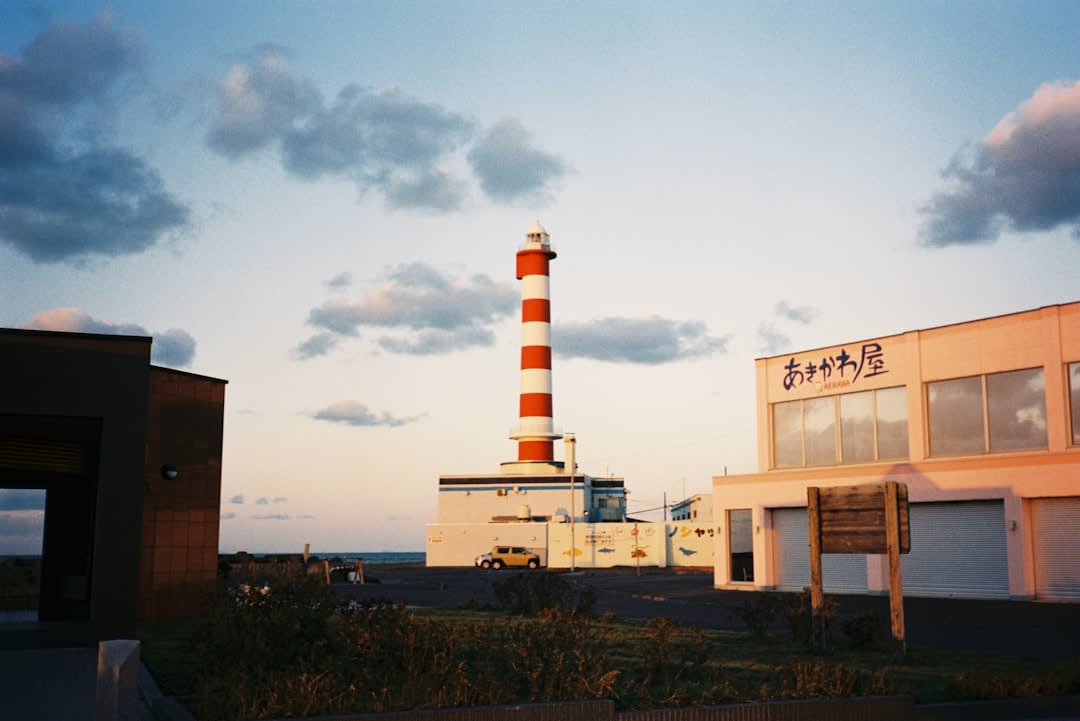
Toyotomi sits close enough to Wakkanai that you get the same feeling we’d had further along this coast — of being right at the northern edge of the country, in flat, wind-scoured land that doesn’t perform for visitors the way places further south do. In the evening we walked the quiet main street, more or less empty, just a handful of ryokan and a small shrine, and it struck me how unpretentious this whole town is for a place with such a specific, well-earned reputation. Nobody was trying to sell us anything beyond the water itself. We slept better that night than we had in days, skin faintly smelling of something we couldn’t quite place, and neither of us minded.

Getting There
Toyotomi Onsen sits about twenty-five minutes by car or train from Wakkanai, making it an easy detour if you’re already heading up to the northern tip of Hokkaidō or the Sarobetsu Wetland. The local JR line connects Toyotomi Station to Wakkanai, with a short taxi or shuttle ride from the station out to the onsen area itself. It works well as an overnight stop rather than a quick soak, since many of the ryokan are built around longer, repeat-visit stays for the water’s therapeutic reputation. If you have sensitive skin, it’s worth trying a short first soak before committing to a longer one, just to see how your skin responds to something genuinely unlike any other onsen in the country.
Keep exploring
More of Hokkaidō
Keep exploring
More from Hokkaidō
 japan
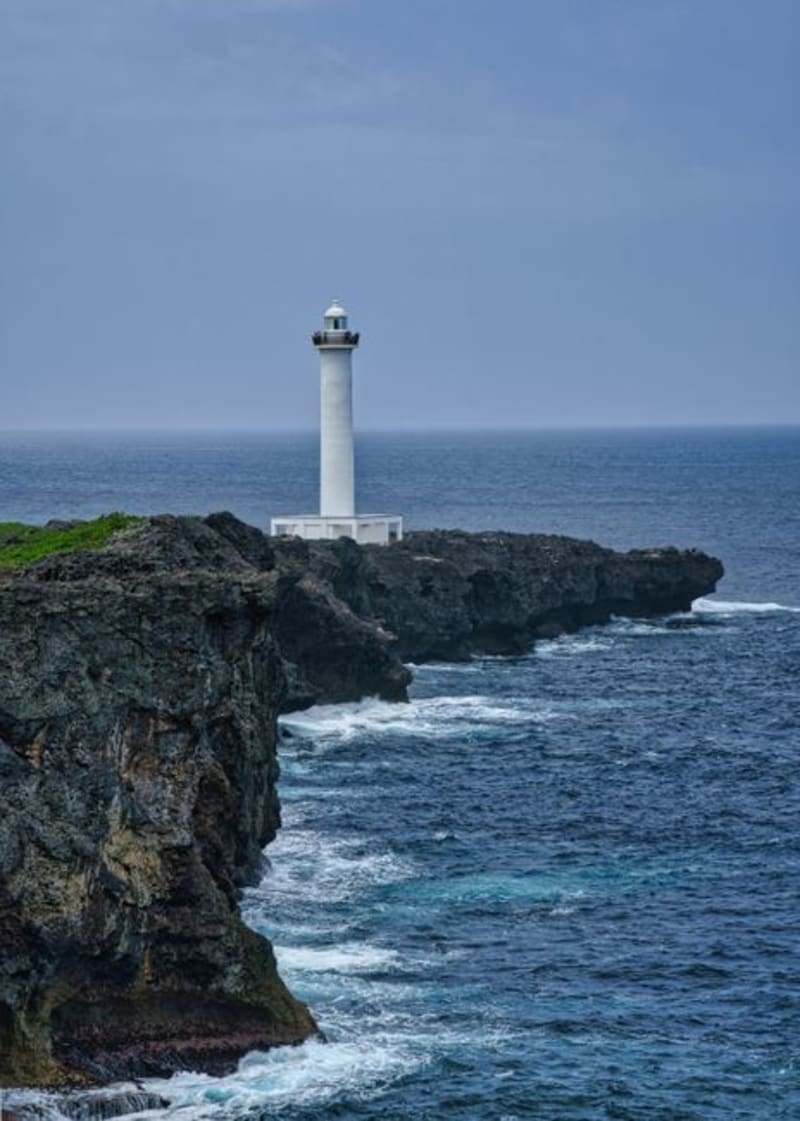
japan Wakkanai
Japan's northernmost city, a windswept dairy port looking out from Cape Sōya toward the coast of Sakhalin. Treeless green capes, herds grazing under a huge sky, and the ferry pier for the wild islands of Rishiri and Rebun.
Explore japan
japan Yubari
A steep valley town in central Hokkaido, once a roaring coal city and now Japan's most famous shrinking one, where legendary melons grow in the same hills that hold abandoned mines. Its story is bittersweet — boom, collapse, and a stubborn sweetness that refuses to leave. We came for the melons and stayed for the ghosts.
Explore japan
japan Abashiri
A port on the far northeastern edge of Hokkaidō where the Sea of Okhotsk freezes into a moving field of drift ice each winter. Icebreaker cruises that shoulder through the floes, a stark former-prison museum on a hill, and a light so pale and clean it feels like the end of the map.
Explore japan
japan Akan-Mashu National Park
Two volcanic crater lakes, Ainu sacred ground, and water so impossibly clear it reads purple — this is eastern Hokkaido at its most elemental.
Explore japan
japan Asahidake
Hokkaido's highest peak, rising out of the vast Daisetsuzan wilderness where Japan's autumn begins earliest. Steam drifts off the volcanic slopes, and the ropeway lifts you into a world of dwarf pine and colour weeks before the rest of the country turns. This is the roof of the north, raw and unhurried.
Explore japan
japan Asahikawa
Hokkaidō's second city, a hearty inland hub buried in winter snow. A famous zoo where penguins march through the drifts, a dark and warming shoyu ramen, and a gateway to the Daisetsuzan peaks and the rolling Biei and Furano countryside.
Explore