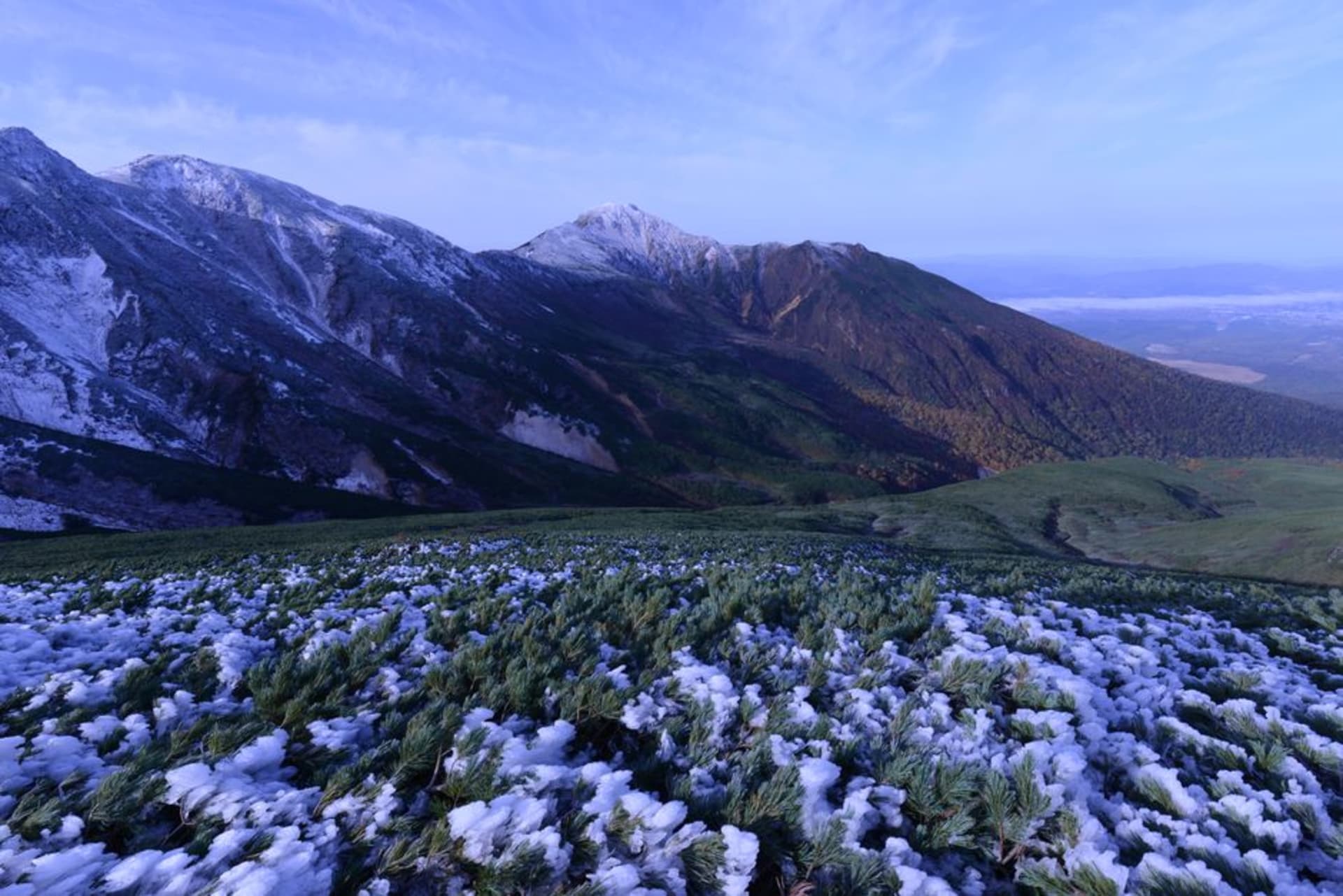
Hokkaido's highest peak, rising out of the vast Daisetsuzan wilderness where Japan's autumn begins earliest. Steam drifts off the volcanic slopes, and the ropeway lifts you into a world of dwarf pine and colour weeks before the rest of the country turns. This is the roof of the north, raw and unhurried.

Lia spotted the steam before I did. We were maybe two minutes off the ropeway platform, still fumbling with our jacket zips against a wind that had teeth, when she stopped and pointed uphill. Out of the raw grey flank of the mountain, right where the dwarf pine gave up, plumes of white were curling into the cold air like the earth itself was breathing. “It’s alive,” she said, and she wasn’t being poetic — Asahidake is a working volcano, and up here you don’t forget it for a second. We’d read that this is where Japan’s autumn arrives first, weeks ahead of Kyoto, and standing there in early September with the larches already going gold, I believed every word.
The Ropeway and the First Colour
We took the ropeway up from the Asahidake Onsen base, and the ride does something I wasn’t prepared for. You leave a green forest and, in the space of ten minutes, climb into a low subarctic tundra that looks nothing like the Japan we’d been travelling through. The upper station, Sugatami, sits at around 1,600 metres, and from there a boardwalk loop threads past the steaming fumaroles and a scatter of small ponds. The autumn colour — they call it kōyō — was just breaking when we arrived, the ground cover flushing crimson and copper between the pines while the higher slopes were still bare rock and hissing vents. Lia kept crouching to photograph single leaves. I kept looking up at the summit cone and quietly deciding whether I had the legs for it.

Climbing Toward the Summit
I did have the legs, more or less. The trail from Sugatami up to the true summit is not technical, but it is relentless — a long scramble over loose volcanic scree with the wind pushing you sideways and the smell of sulphur riding it. Lia set the pace, which is to say she was patient with me. Below us Sugatami Pond held a wobbling reflection of the peak whenever the gusts paused; above us the ridge just kept going. We didn’t quite tag the top — a bank of cloud rolled in and we made the sensible, slightly disappointed choice to turn back near the upper shoulder. But for twenty minutes before that, we had the whole Daisetsuzan plateau spread out around us, ridge after ridge fading into the north, and not another soul in sight. Hokkaido gives you that emptiness like a gift.

Soaking It Off at Asahidake Onsen
Back at the base, the whole point of the day resolved itself in a bath. Asahidake Onsen is barely a village — a cluster of lodges wrapped in forest — and the inn we stayed at had an outdoor rotenburo tucked among the birches. I lowered myself in with legs that had stopped negotiating and simply gone quiet, and Lia laughed at the noise I made. The water was hot enough to sting and then, quickly, to forgive. We sat there as the light went blue between the trees and the first stars showed, two French people a very long way from home, saying almost nothing. Somewhere above us the mountain was still steaming in the dark.

Getting There
Asahidake sits deep in Daisetsuzan National Park, and the easiest approach is via Asahikawa, Hokkaido’s second city. From Sapporo, the limited express to Asahikawa takes around an hour and a half; from there a direct bus runs out to Asahidake Onsen in roughly an hour and forty minutes, though it goes only a few times a day, so check the timetable before you commit. A rental car gives you far more freedom and lets you link the mountain with the lakes and gorges further east. From the onsen village, the ropeway carries you up to Sugatami — buy the round-trip ticket unless you’re a serious hiker planning to walk down. Come dressed for a season colder than wherever you started; the summit makes its own weather.
Keep exploring
More of Hokkaidō
Keep exploring
More from Hokkaidō
 japan
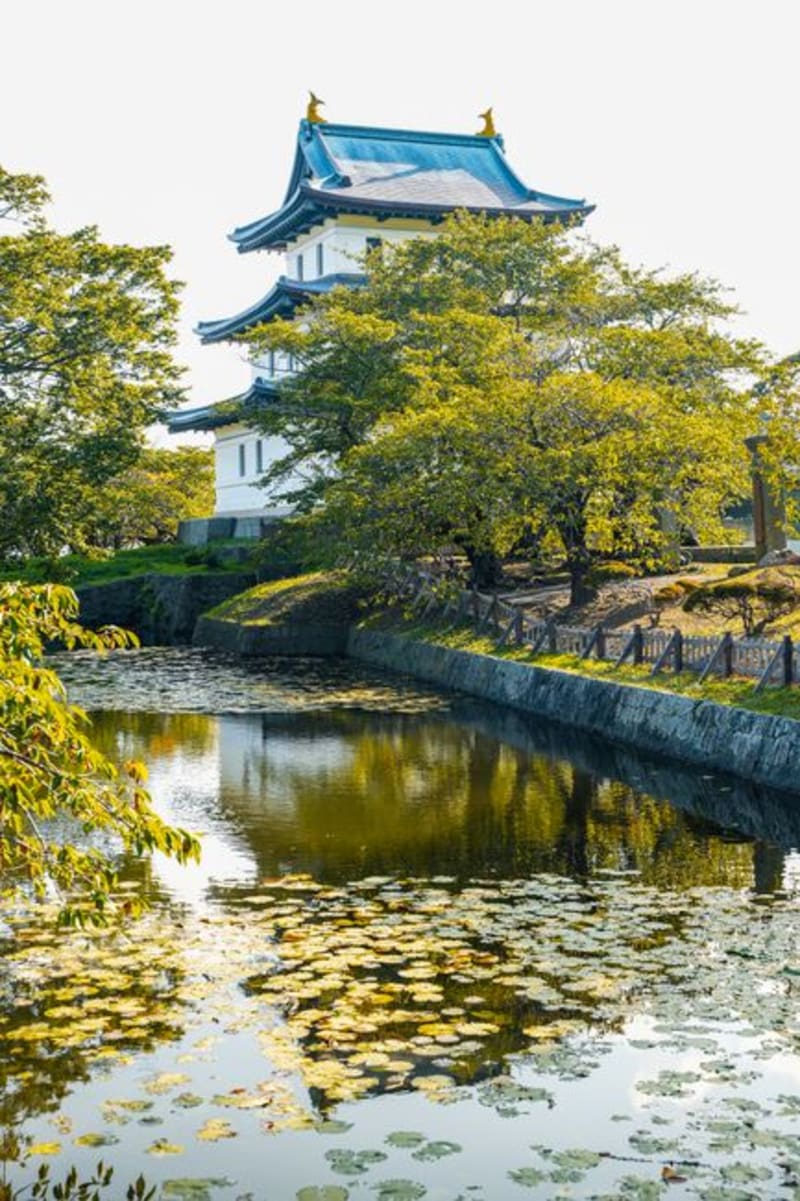
japan Matsumae
Hokkaidō's only feudal castle keeps watch over a small town at the island's southern tip, where ten thousand cherry trees turn a whole spring into a slow, pink exhale. It is the far edge of a frontier that once thought of itself as the far edge of Japan. We came for the blossoms and stayed for the quiet.
Explore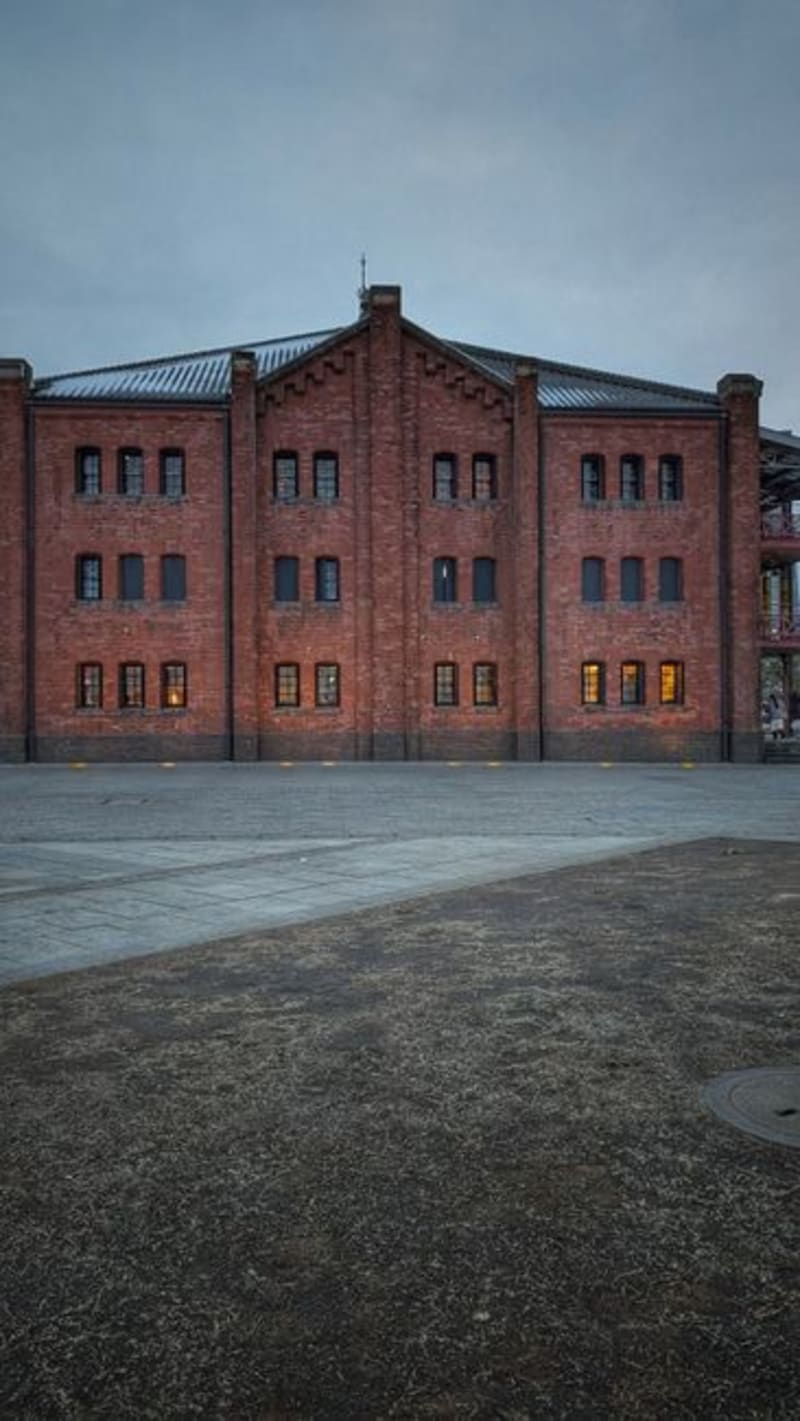 japan
japan Hakodate
A Hokkaidō port city where the harbor light does the talking. A glittering night view from the mountain, red-brick warehouses along the bay, a morning market loud with squid and crab, and nineteenth-century Western streets climbing the hillside.
Explore japan
japan Muroran
A working port on Hokkaidō's southern coast where heavy industry and raw sea cliffs share the same shoreline. White lighthouses on wind-scoured capes, a strange blue archway of rock at Cape Chikyū, and a night skyline of steel and steam that glows like a small galaxy.
Explore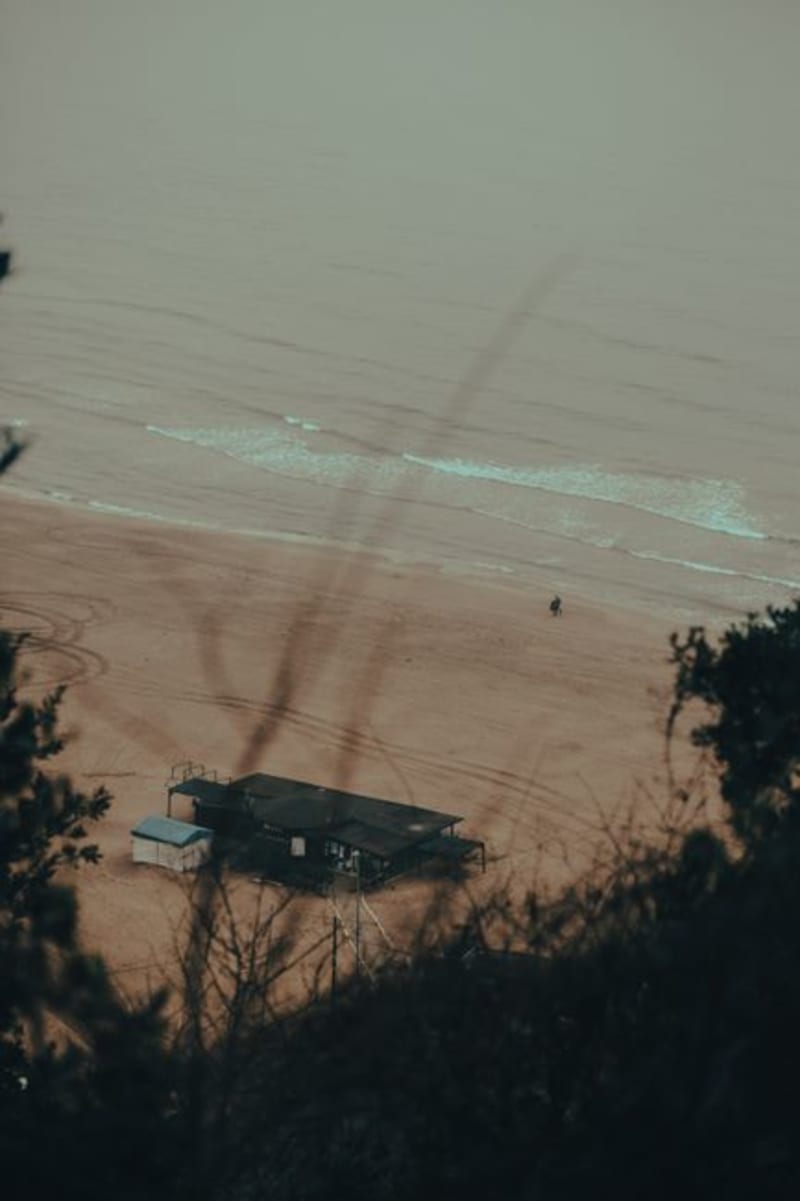 japan
japan Date
A mild, unhurried town on Hokkaidō's southern coast, settled in the 1870s by samurai families who followed the Date lord north from Sendai. Warm winters by Hokkaidō standards, a reconstructed castle-era streetscape, orchards and sea, and a history you can still feel walking the quiet lanes.
Explore japan
japan Noboribetsu
Hokkaidō's greatest hot-spring town, built beneath a steaming red-rock crater called Hell Valley. Sulfur on the wind, water so mineral-rich it comes in a dozen kinds, and demon folklore watching over the streets.
Explore japan
japan Lake Toya
A near-perfect circular caldera lake in southwest Hokkaidō, cradling a wooded central island and ringed by hot-spring resorts. Steaming shores beneath the still-restless Mount Usu and its young sibling Shōwa-Shinzan, and fireworks blooming over the water on summer nights.
Explore