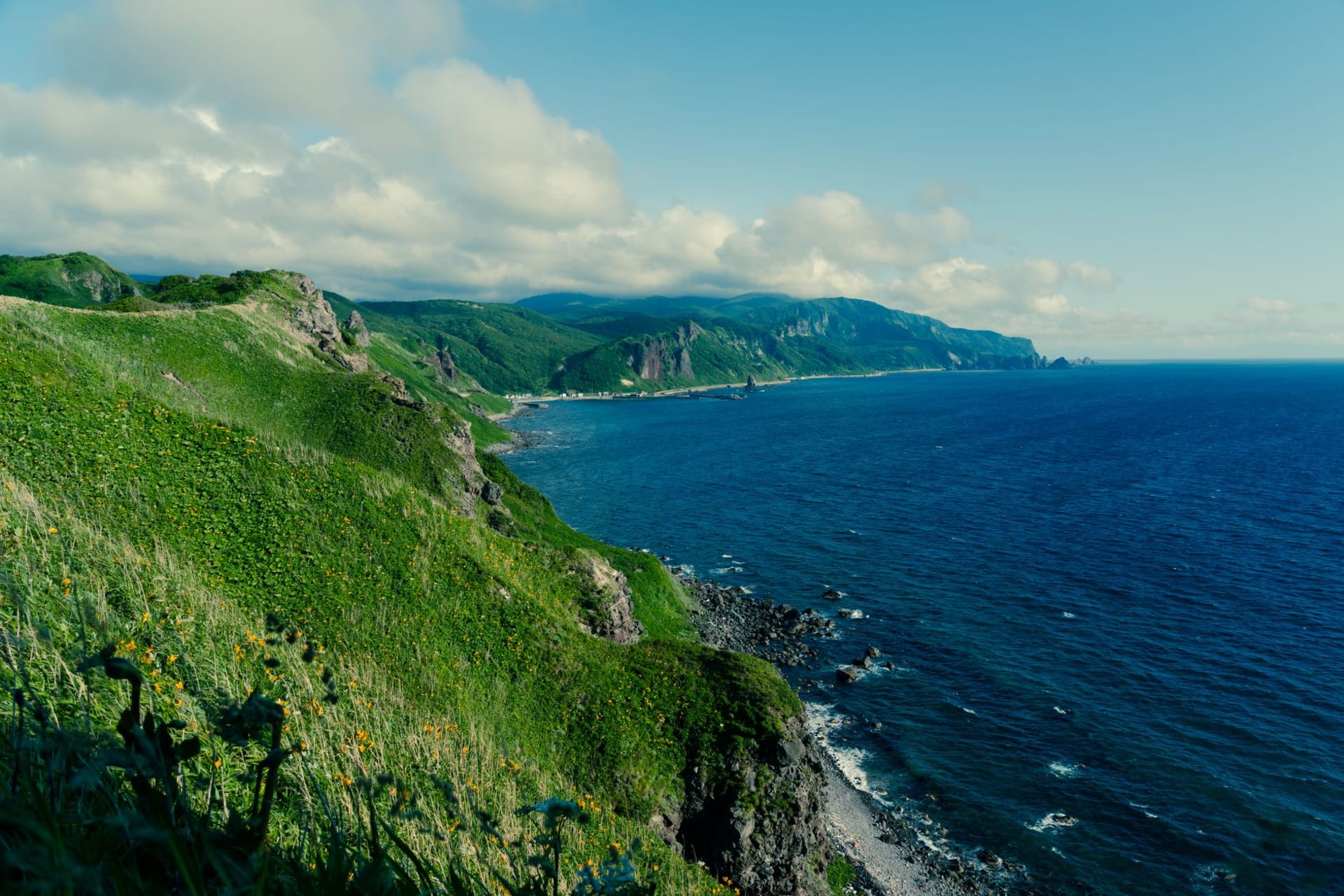
Akan-Mashu National Park
"Lake Mashu sits in its crater like a secret being kept for no particular reason — just because it can."
Two volcanic crater lakes, Ainu sacred ground, and water so impossibly clear it reads purple — this is eastern Hokkaido at its most elemental.

The fog that veils Lake Mashu so often it earned the name “Lake of Mystery” was absent the morning I arrived at the crater rim, which felt like a specific kind of luck. The lake appeared below me as a disc of extraordinary blue — not the turquoise of Caribbean water or the steel-grey of northern seas, but something deeper and harder to name, a blue with purple in it, the color of water that has never mixed with a river or a road. Lake Mashu has no inlet and no outlet. Rain and snowmelt fall into it, and then nothing leaves. The clarity is measured at over forty meters — you can see the bottom in the shallows from the rim viewpoint, the submerged rocks distinct and still, as if the water isn’t there at all. Standing above it I had the irrational feeling of having interrupted something.
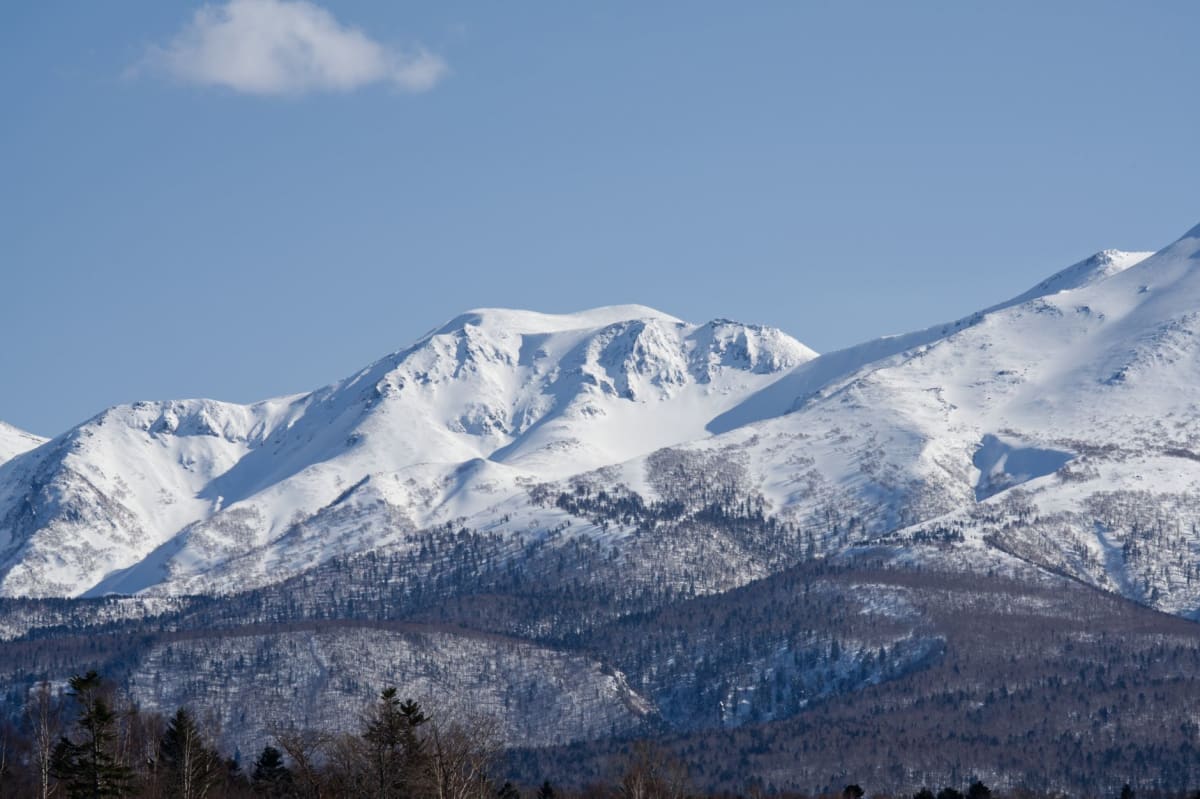
Lake Akan, an hour’s drive west, is completely different in character. Where Mashu is remote and preserved and barely approachable — no road to the shore, no boats, just the view from above — Akan is a living lake, ringed by onsen hotels and accessible at its edges, home to the marimo, globular algae that grow into perfect green spheres and have been sacred to the Ainu people for centuries. The marimo of Lake Akan are the world’s largest, some reaching thirty centimeters in diameter over decades of slow growth, and the aquarium on the Ainu village lakeside holds specimens in clear tanks that look more like artifacts than organisms. The Ainu village itself — Akan Kotan — is a small settlement of craft shops and performance halls where the indigenous people of Hokkaido sell woodwork and textiles and perform traditional dances. It is partly touristy, inevitably, but I watched a fire ceremony on my third evening there that didn’t feel touristy at all: an elder doing something ancient in the firelight on the lake shore while the mountains reflected in the water.
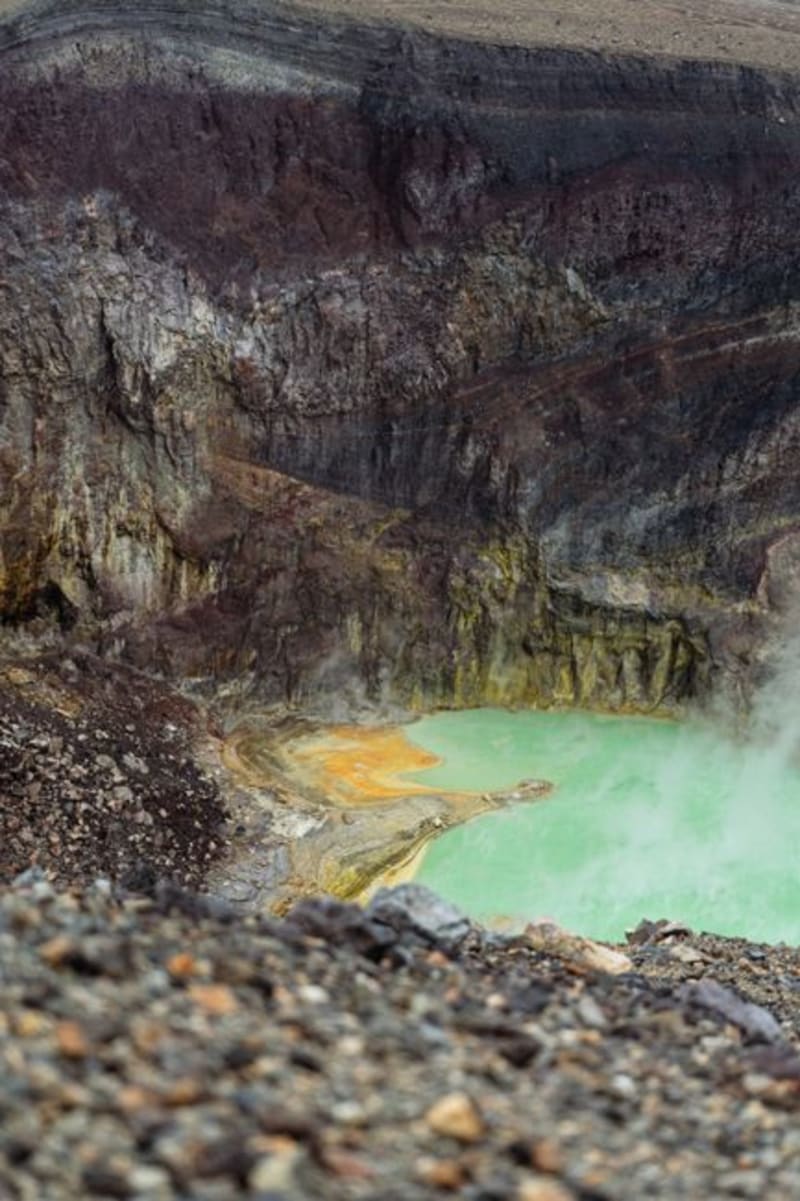
Between the two lakes, the Io-zan sulfur mountain sits on the roadside and emits exactly the sulfur it promises. Clouds of steam rise from vents in the pale yellow ground, and vendors have set up portable stoves next to the actively venting areas to cook corn and eggs in the natural heat — eggs that come out darkened and strange and tasting faintly of mineral, which is either unappetizing or wonderful depending on your disposition toward things that come out of the earth.
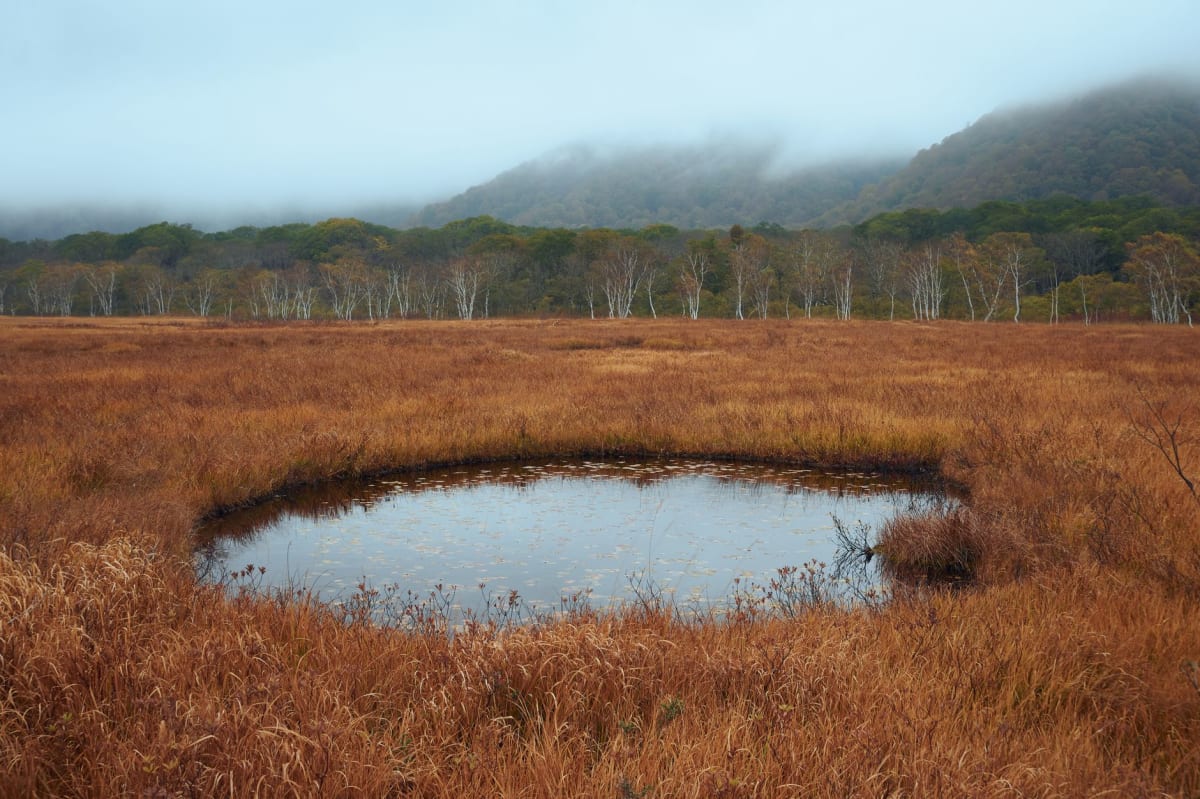
The national park’s trails connect the lakes through boreal forest of Erman’s birch and Sakhalin fir, and in September the undergrowth turns the russet and gold that Hokkaido does better than almost anywhere. I walked the Ponpon-yama trail above Akan town in the rain, the forest so thick the rain was muffled, and came out onto a ridge where the forest fell away and both Lake Akan and the distant profile of the Akan-Fuji volcano appeared at once. The view lasted about thirty seconds before the clouds came back in. But those thirty seconds were decisive — the kind of thing that justifies a long wet walk.
When to go: June through October for hiking and lake clarity. September brings autumn color and is arguably the most beautiful month. July and August are busy but the lakes are at their most vivid. Winter is spectacular: the lakes partially freeze, the forest fills with snow, and the Akan onsen hotels offer rotemburo with mountain views. Avoid the rainy season of mid-June through early July if you want lake views — fog is persistent then.
Keep exploring
More of Hokkaidō
Keep exploring
More from Hokkaidō
 japan
japan Lake Mashu
One of the clearest crater lakes on earth, cupped in a steep caldera in eastern Hokkaido and hidden more days than not behind a wall of fog. Lake Mashu has no inlet, no outlet, and almost no way down to its water. We went twice before it showed itself, and the wait was the point.
Explore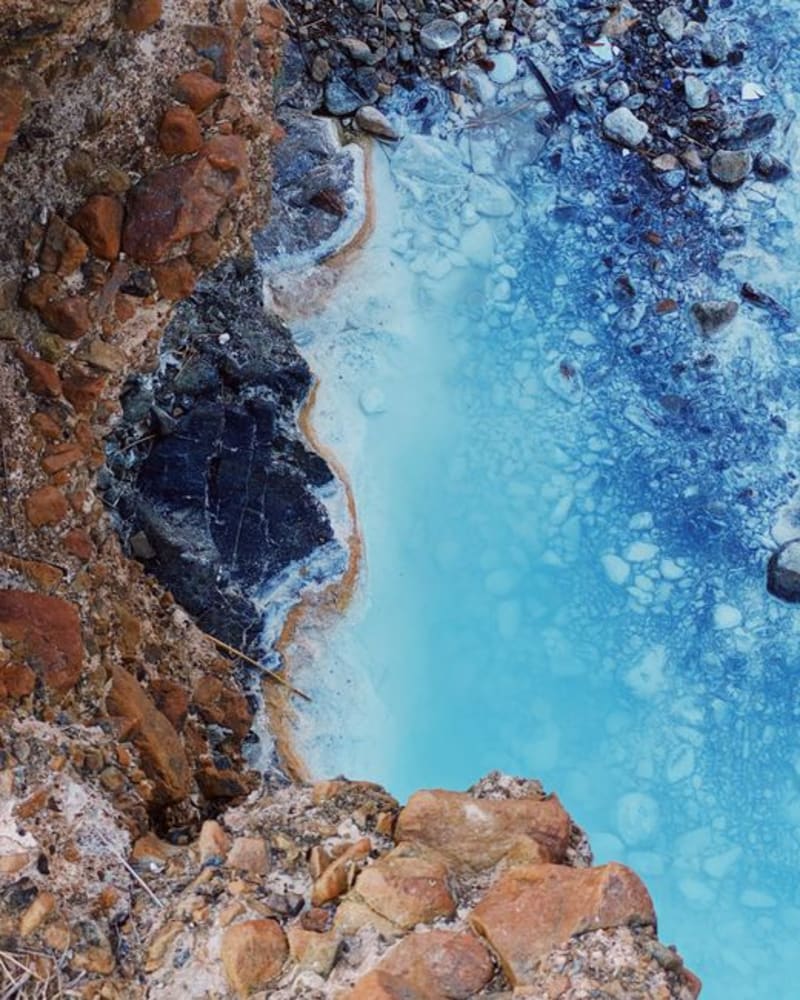 japan
japan Lake Kussharo
A vast caldera lake in eastern Hokkaido where you can dig your own hot spring in the black sand at the water's edge, and where whooper swans winter in the steaming shallows. Kussharo is enormous and generous and completely unpretentious. We soaked our feet in a hole we dug ourselves, and I've thought about it ever since.
Explore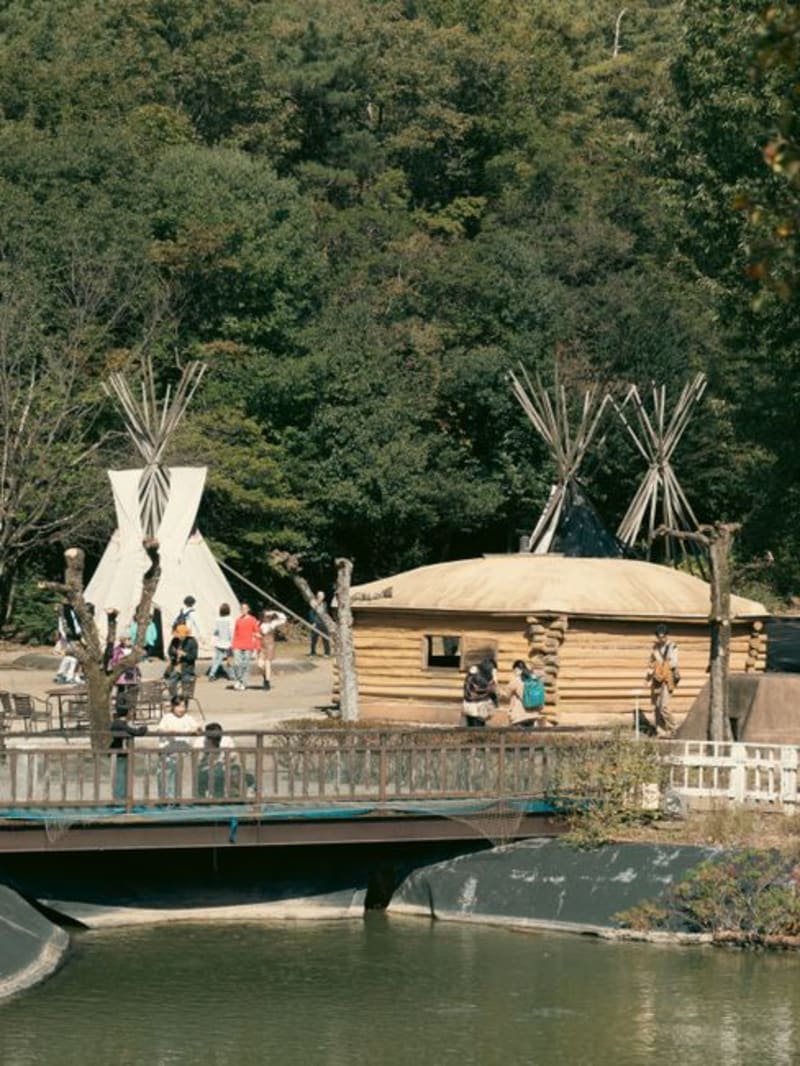 japan
japan Lake Akan
A volcanic lake in the far east of Hokkaidō where rare green algae roll into perfect velvet spheres, an Ainu village keeps its songs alive, and winter locks the whole surface into groaning ice. A place that asks you to look slowly.
Explore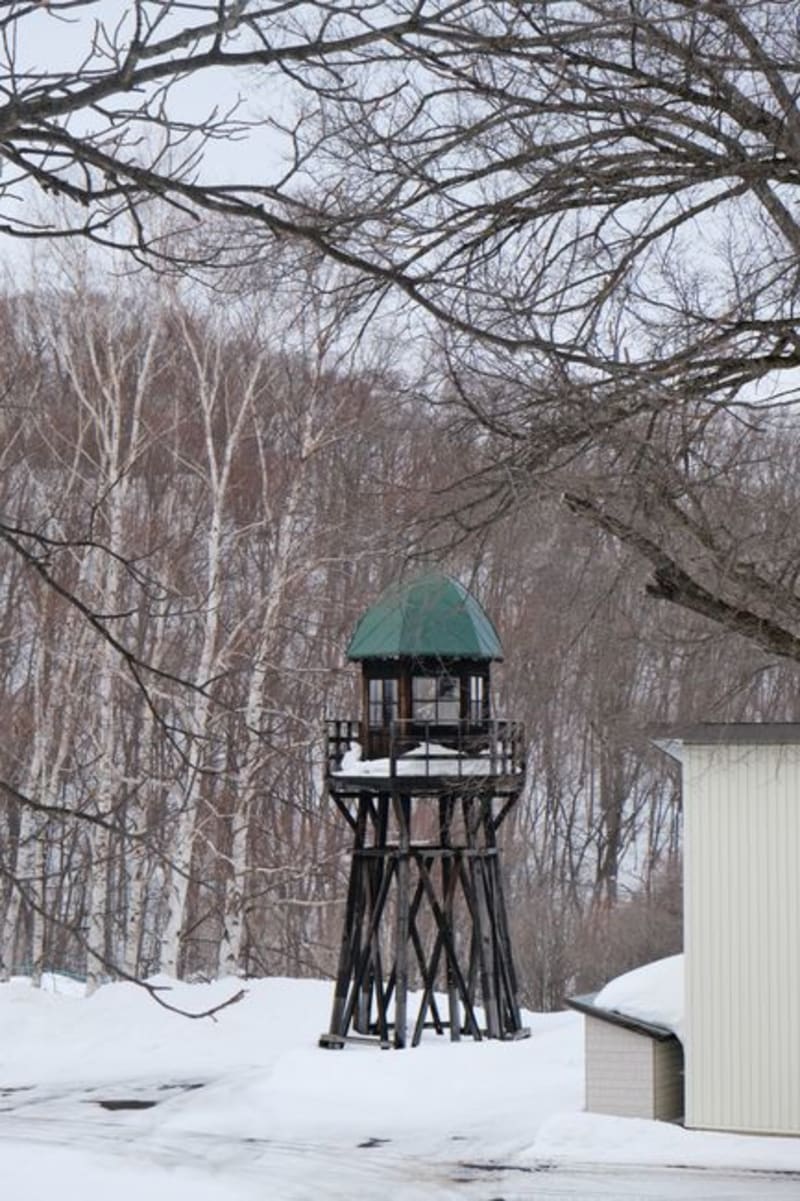 japan
japan Abashiri
A port on the far northeastern edge of Hokkaidō where the Sea of Okhotsk freezes into a moving field of drift ice each winter. Icebreaker cruises that shoulder through the floes, a stark former-prison museum on a hill, and a light so pale and clean it feels like the end of the map.
Explore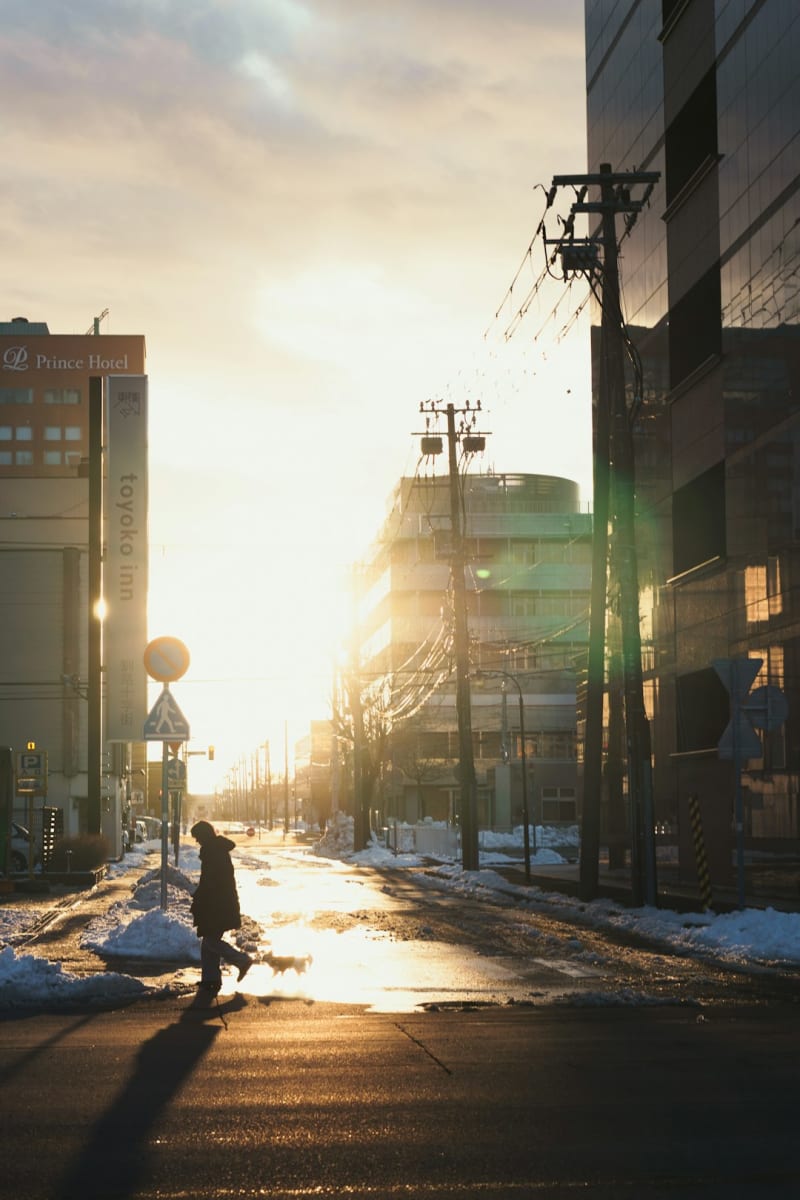 japan
japan Kushiro
A weathered port on eastern Hokkaidō's misty coast, edged by Japan's largest marshland. Reed wetlands where red-crowned cranes dance, slow canoe mornings on a winding river, and a smoky robata tradition of grilling your own seafood over coals.
Explore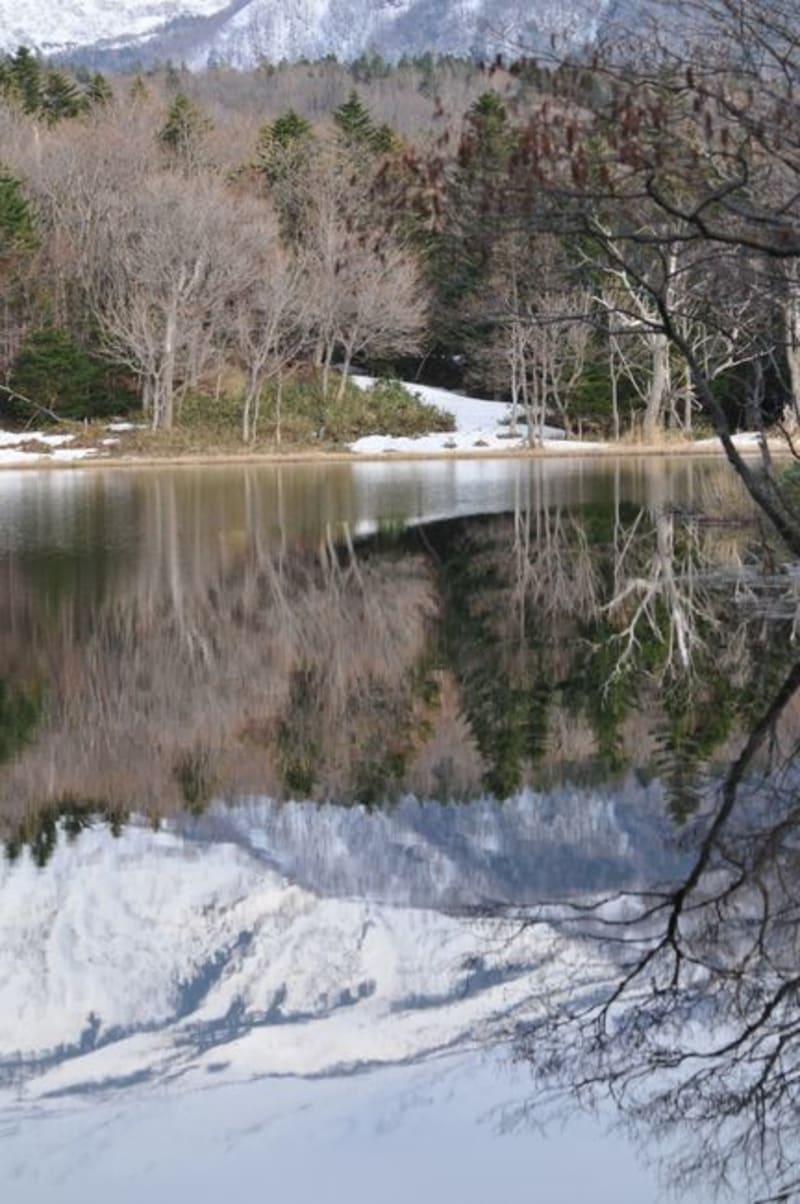 japan
japan Rausu
The wild eastern edge of the Shiretoko Peninsula, facing the Nemuro Strait and the disputed islands beyond. A fishing town where whales surface offshore, eagles crowd the winter ice, and the road simply stops because the mountains won't let it continue. This is as far as Japan goes before it turns to weather and sea.
Explore