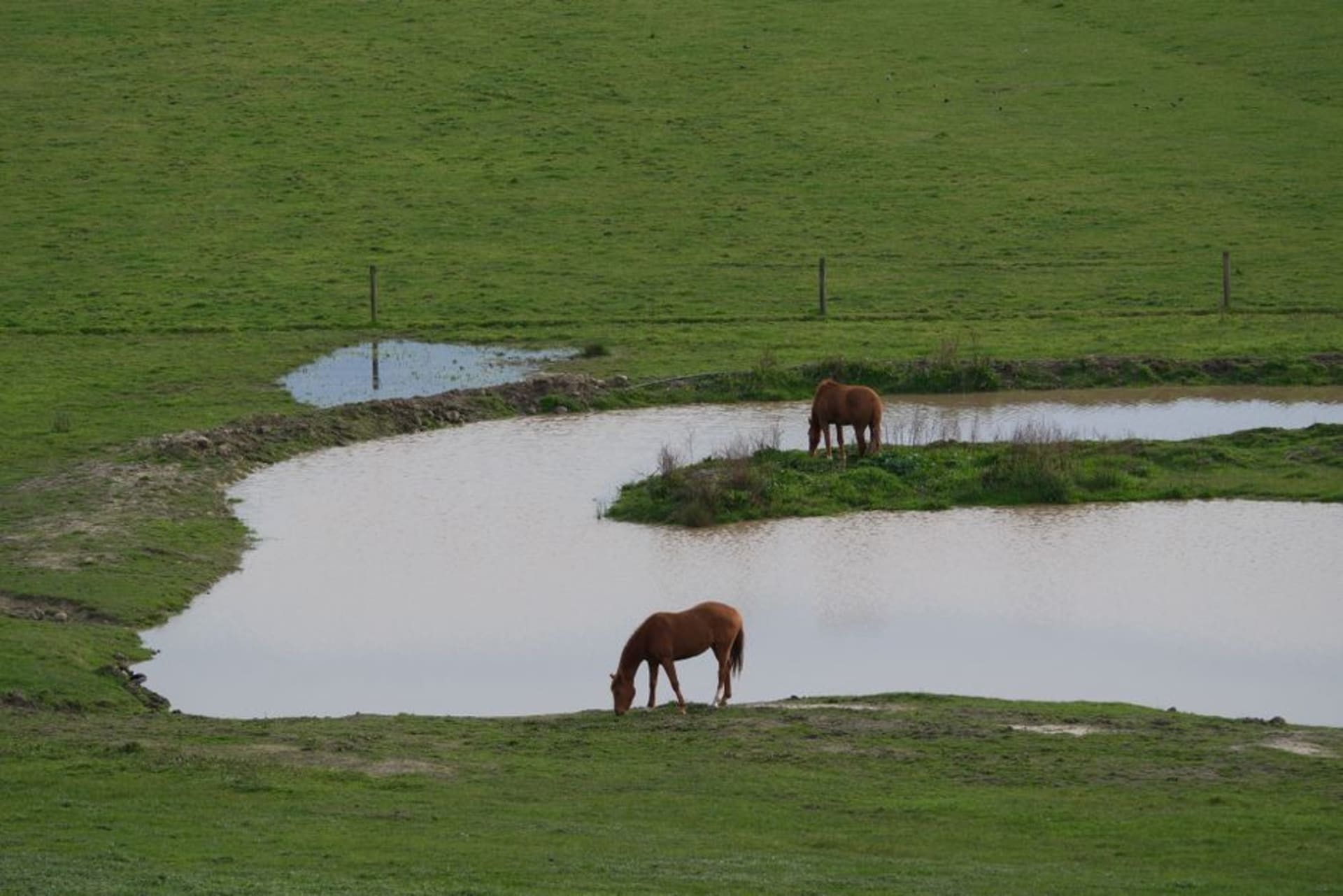
Shizunai / Hidaka Horse Country
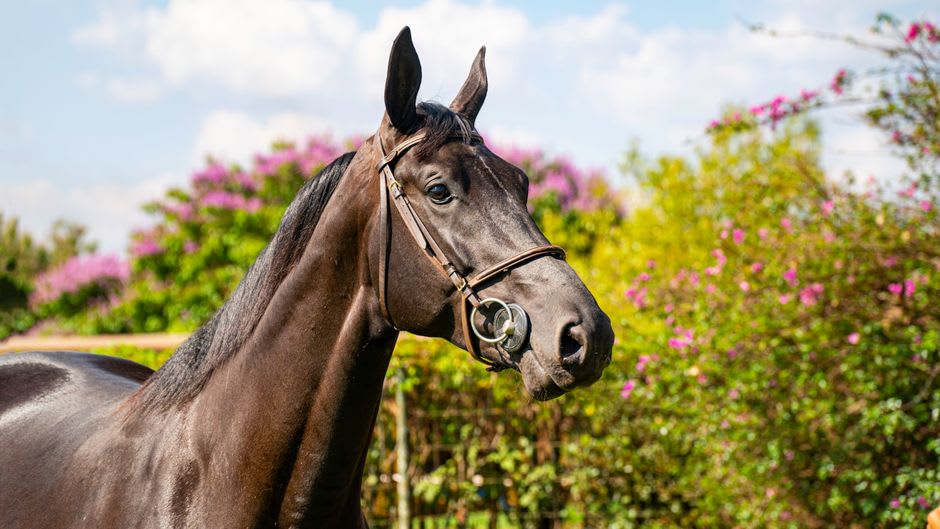
"Lia stood at the fence and just watched him graze, this horse who used to be famous, entirely unbothered by us."
The heart of Japan's thoroughbred racehorse country, where retired champion sires stand in open paddocks at the Shizunai Stallion Station, sister-city partnered with Lexington, Kentucky, and April brings cherry blossoms blooming right alongside foaling pastures.

Neither Lia nor I know much about horse racing, which made it a strange thing to drive two hours from Tomakomai for, but the idea of a region essentially built around raising Japan’s thoroughbreds was too specific to skip. Most of the country’s racehorses, it turns out, are born and bred right here in the Hidaka region, and Shizunai sits at the center of that world — mile after mile of white-fenced pastures rolling out along the coast, horses grazing in numbers that made the whole drive feel like we’d crossed into a completely different Hokkaidō than the one we’d been seeing all week.
Meeting the Retired Champions
The Shizunai Stallion Station is where the region’s history becomes something you can actually walk up to. It’s a working stable that keeps retired champion sires, horses who had real racing careers and are now simply living out their lives in open paddocks, and the station’s odd, specific sister-city partnership with Lexington, Kentucky says something about how seriously this small stretch of Hokkaidō takes its place in the wider horse world. We walked along the fence line reading small placards about each horse’s career, and Lia stopped at one paddock and just stood there for a long while watching a stallion graze, unbothered by us, seemingly unaware that he used to be famous. There’s something quietly moving about seeing a champion reduced, or maybe elevated, to just an animal in a field.
Foals in the Cherry Blossoms
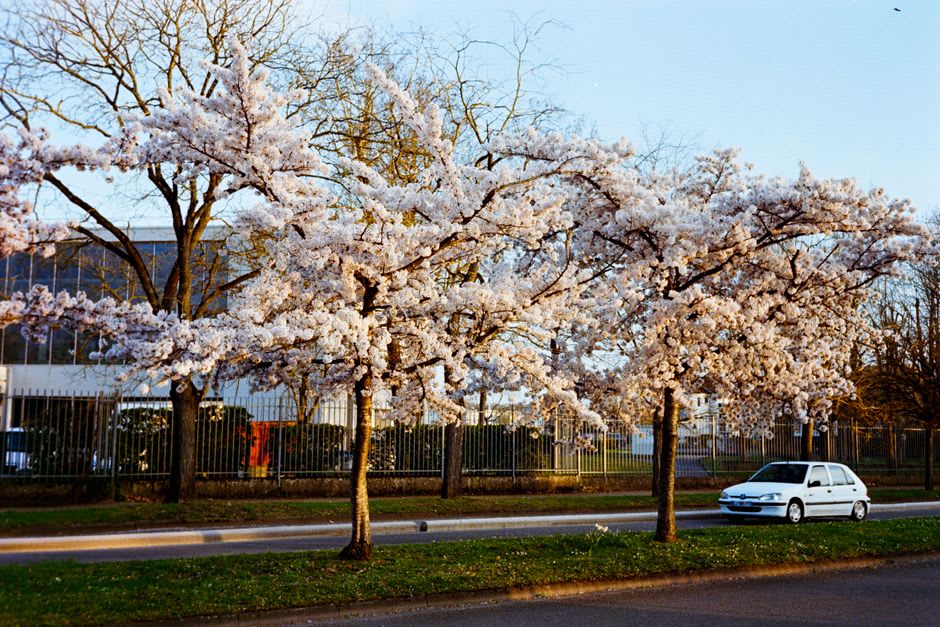
We’d timed our visit for April without fully realizing what we were walking into, and it turned out to be exactly the right accident. Cherry blossoms were out along the roadsides, pink against the white fences, and in the pastures beyond them new foals wobbled around on legs that looked barely capable of holding them up, staying close to their mothers. It’s a genuinely odd overlap — hanami season, all soft pink blossoms and picnicking crowds elsewhere in Japan, unfolding here right alongside the most literal kind of spring, new foals taking their first unsteady steps in fields framed by blooming trees. Lia said she’d never seen two entirely different symbols of new life collide so directly, and I hadn’t either.
A Landscape Built Around One Animal
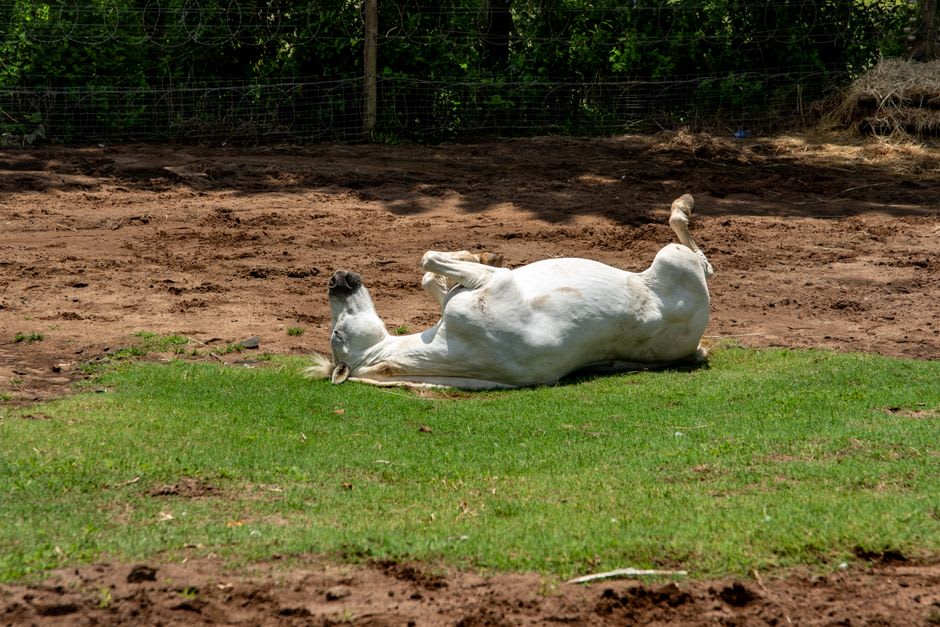
Driving slowly through the wider Shizunai area afterward, it became clear how completely this region organizes itself around horses — training tracks, feed suppliers, veterinary clinics, roadside signs with silhouettes of running thoroughbreds, all of it woven into what would otherwise be fairly ordinary coastal farmland. We stopped at a small roadside stand for lunch, and even the woman running it mentioned, almost in passing, that her brother worked at one of the nearby farms, as if that were the default rather than the exception around here. By the time we left, the horses had stopped feeling like a novelty and started feeling like the actual character of the place, the same way squid define Mori or scallops define Sarufutsu further north.
Getting There
Shizunai sits about two hours by car or bus from Tomakomai, along the coastal road that runs southeast into the Hidaka region. Buses connect Tomakomai to Shizunai fairly regularly, though a rental car gives you far more freedom to explore the scattered farms and paddocks along the way, since the real charm of Hidaka horse country is in the drive itself as much as any single stop. If you can time a visit for April, the combination of cherry blossoms and foaling season is worth planning around; the Shizunai Stallion Station is an easy, walkable stop once you’re in town.
Keep exploring
More of Hokkaidō
Keep exploring
More from Hokkaidō
 japan
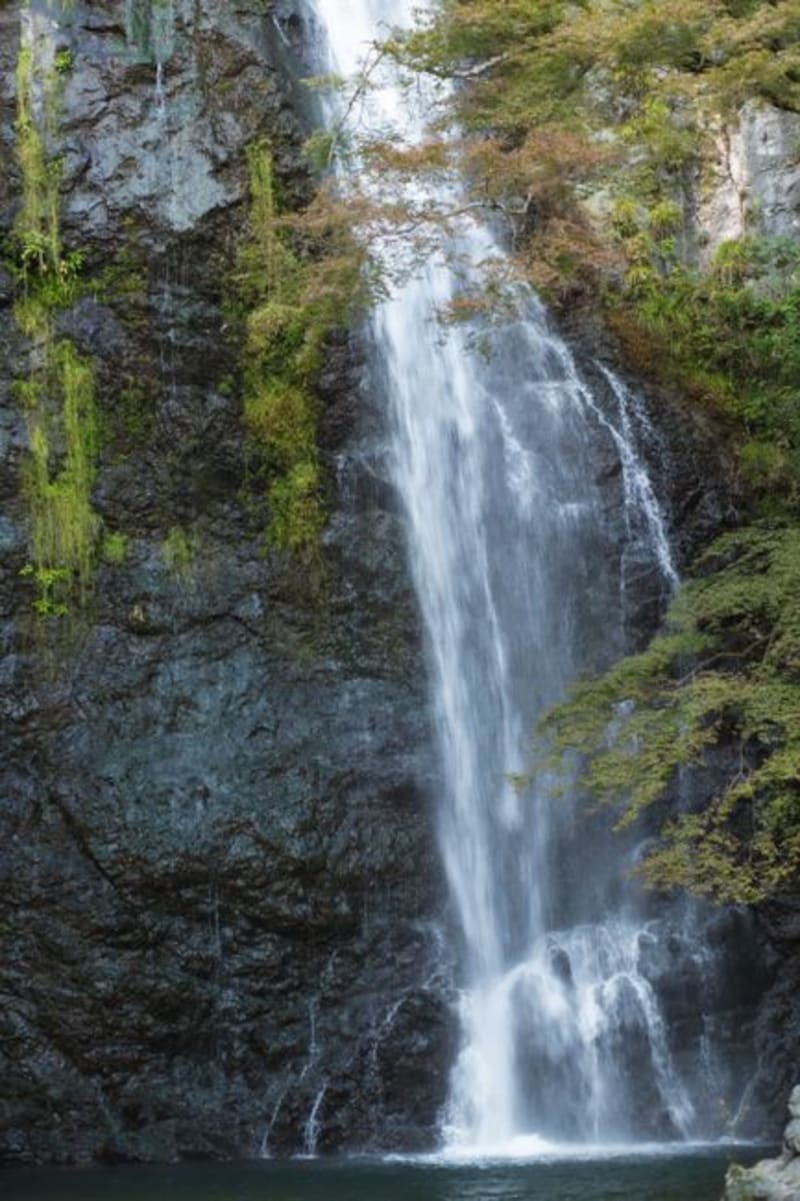
japan Sōunkyō
A gorge town swallowed by columnar cliffs in the belly of the Daisetsuzan mountains, where waterfalls fall in silver ribbons and the first autumn colors of all Japan catch fire in early September. A place of steam, stone, and thin alpine air.
Explore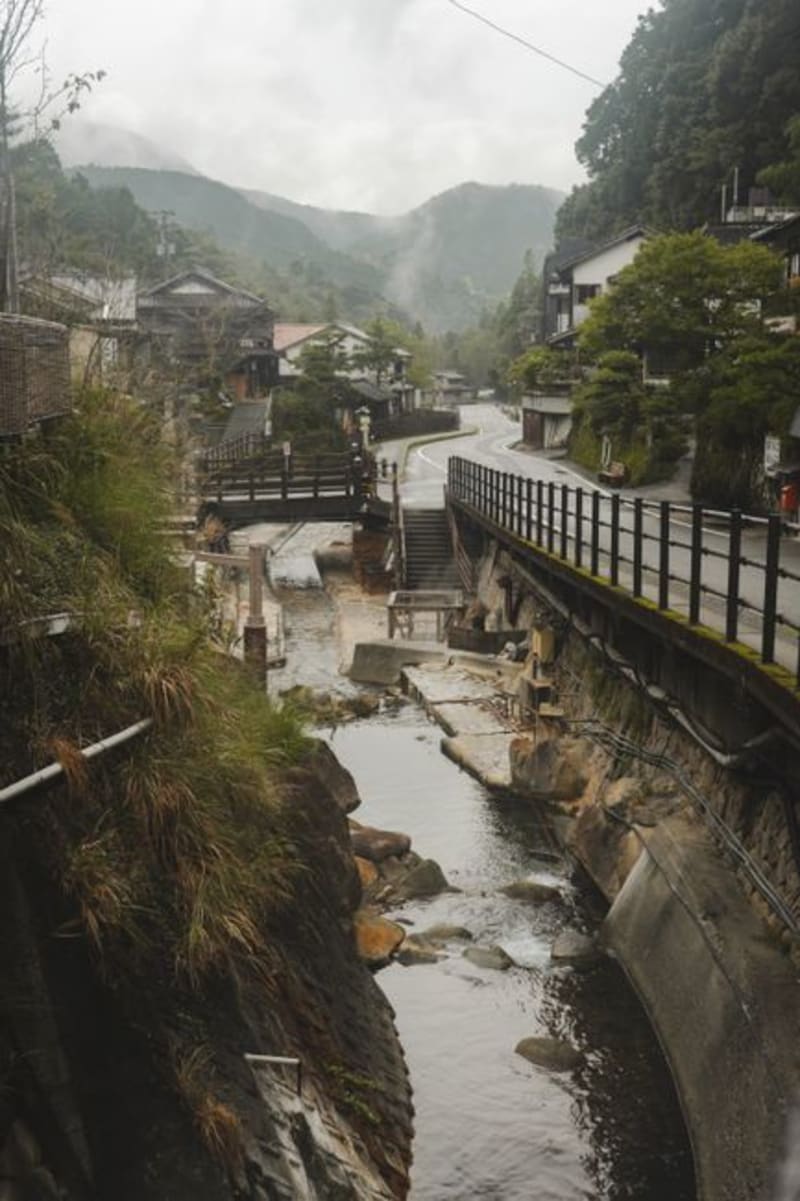 japan
japan Taushubetsu Bridge / Nukabira Onsen
An abandoned 1937 railway bridge with eleven concrete arches that vanishes underwater each June as a reservoir fills, then re-emerges through the winter draw-down — nicknamed the phantom bridge, and reached now only by a bear-belled walk from a quiet onsen village.
Explore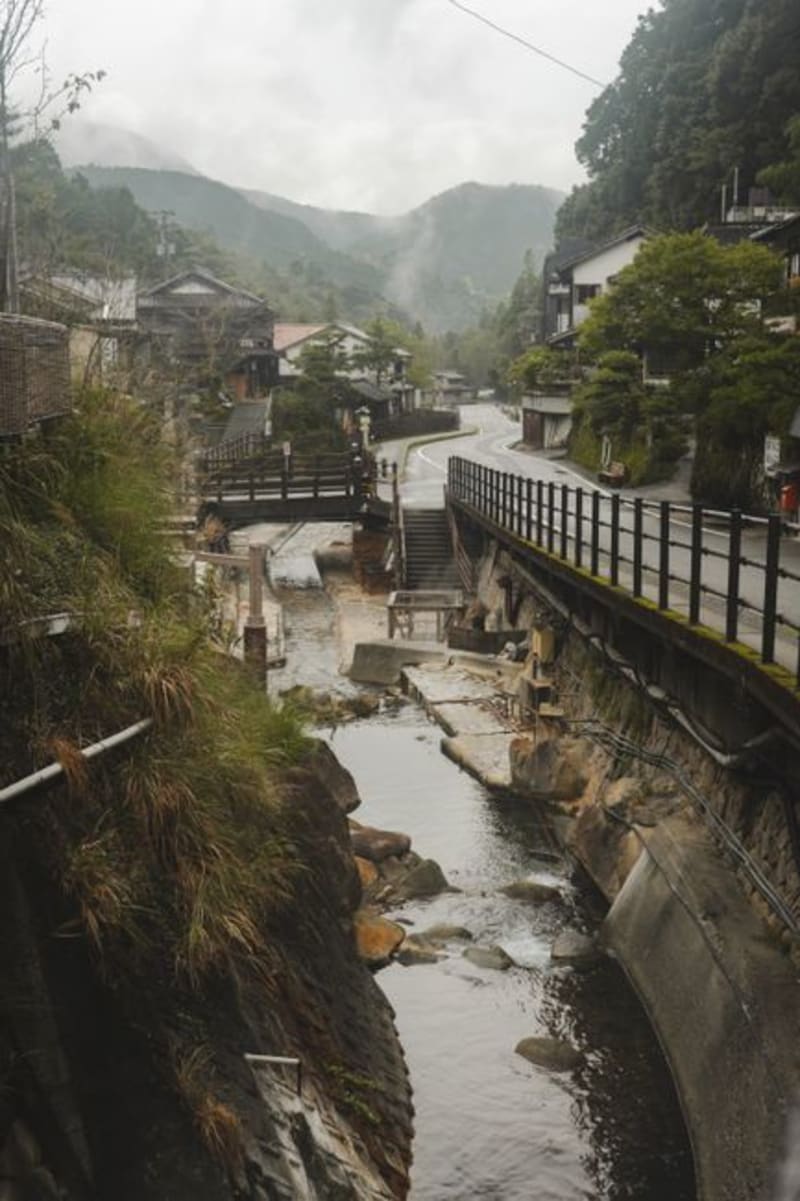 japan
japan Tokachigawa Onsen
A hot-spring town on the wide Tokachi plain whose water is unlike anywhere else in Japan — a rare amber 'moor' spring, rich with ancient peat, that turns your skin soft and smells faintly of the earth. Tokachigawa doesn't have mountains or a famous lake. It has this strange dark water, and it turns out that's enough.
Explore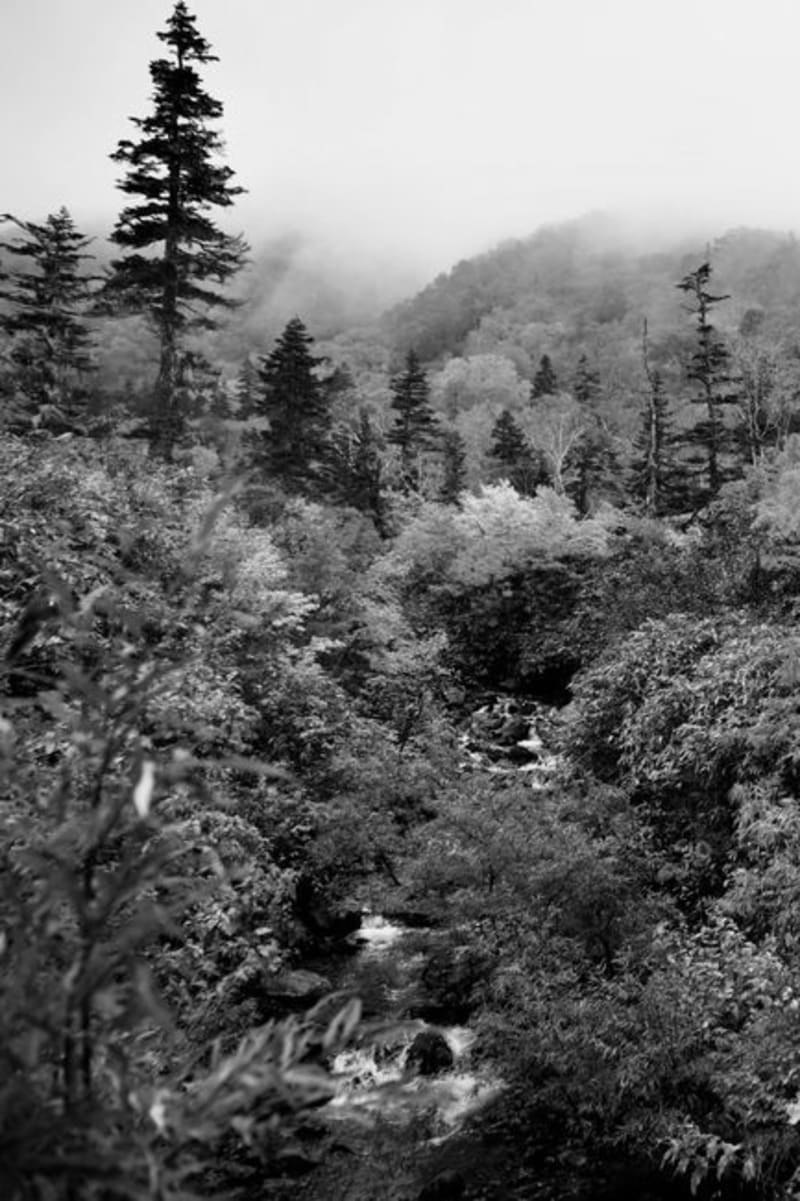 japan
japan Tomamu
A mountain resort in central Hokkaido known for its Unkai Terrace, where dawn spills a silent ocean of cloud across the valleys below. Twin glass towers rise from the forest, and the whole place is built around one gamble: that you'll wake before sunrise for a sea that may or may not appear. We took the bet twice.
Explore japan
japan Toyotomi Onsen
Japan's northernmost hot spring, opened in 1926 and drawn from an old oil and natural-gas field, its bathwater genuinely carrying a thin sheen of crude that visitors with eczema and psoriasis travel here specifically to soak in.
Explore japan
japan Wakkanai
Japan's northernmost city, a windswept dairy port looking out from Cape Sōya toward the coast of Sakhalin. Treeless green capes, herds grazing under a huge sky, and the ferry pier for the wild islands of Rishiri and Rebun.
Explore